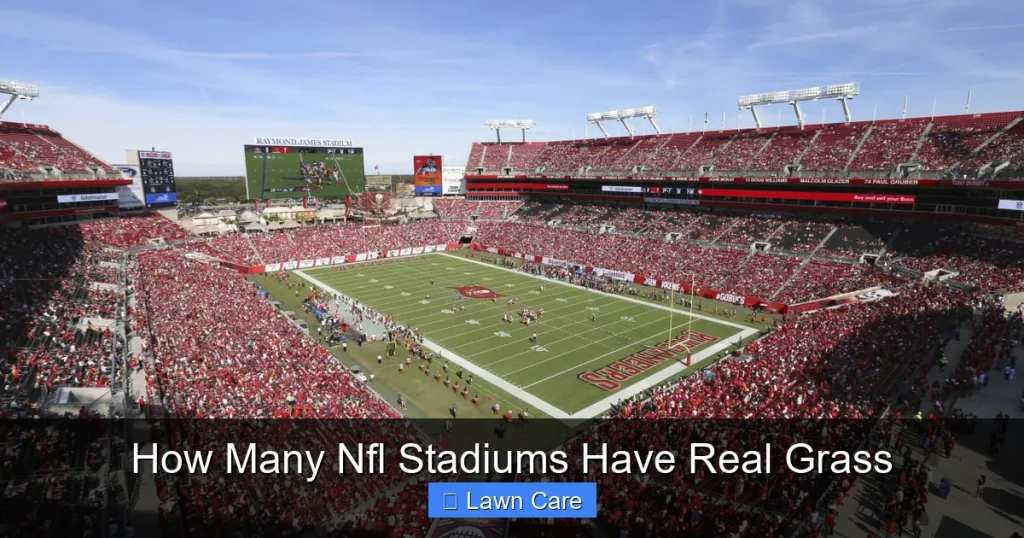
Curious about NFL stadiums with real grass? You’re in luck! This guide delves into the number of NFL teams that still play on natural turf, exploring the advantages of real grass for player safety and game quality. We’ll also discuss the maintenance challenges and the reasons behind the shift towards artificial surfaces in some venues.
Welcome, football fans and lawn care enthusiasts! Have you ever found yourself watching an NFL game and wondering, “What kind of field are they playing on?” Specifically, how many NFL stadiums have real grass? It’s a question that sparks debate among players, coaches, and fans alike. While artificial turf has become a common sight in many professional sports venues, natural grass still holds a special place in the hearts of many, and for good reason.
In this comprehensive guide, we’re going to dive deep into the world of NFL field surfaces. We’ll explore the current landscape of natural grass versus artificial turf in the league, uncover the number of NFL stadiums that still boast real grass, and discuss why this choice matters. You’ll learn about the benefits of playing on natural turf, the significant challenges involved in its upkeep, and the factors that influence a team’s decision on their playing surface. So, grab your favorite game-day snack and let’s get started on understanding the grass under those cleats!
Key Takeaways
- The Majority Still Choose Natural Grass: While artificial turf has gained popularity, a significant number of NFL stadiums continue to opt for real grass playing surfaces, prioritizing player health and the authenticity of the game.
- Player Safety is a Major Factor: Many players and coaches believe that natural grass offers better shock absorption and reduces the risk of certain injuries compared to artificial turf.
- Game Performance Benefits: Real grass can provide a more consistent and forgiving playing surface, allowing for better ball control and a more dynamic game.
- High Maintenance Demands: Maintaining a pristine natural grass field in an NFL stadium is a complex and costly undertaking, requiring specialized equipment, expertise, and constant attention.
- Environmental Considerations: While artificial turf has its own environmental impact, natural grass fields require significant water, fertilizer, and pesticide usage.
- Technological Advancements: Innovations in both natural grass cultivation and artificial turf technology are constantly influencing stadium decisions.
- Dome Stadiums Often Opt for Turf: Stadiums with retractable roofs or domes are more likely to feature artificial turf due to the challenges of providing adequate sunlight and climate control for natural grass.
Understanding the NFL Field Surface Divide
Before we can answer the exact number of NFL stadiums with real grass, it’s crucial to understand the two main types of playing surfaces found in the league: natural grass and artificial turf. Each has its own set of characteristics, advantages, and disadvantages that impact the game and the players.
Natural Grass Fields
Natural grass fields are exactly what they sound like: playing surfaces composed of living turf. These fields are cultivated from various types of grass, carefully maintained to provide a safe and high-performing surface for athletes. The goal is to create a dense, even, and resilient playing area that can withstand the rigors of professional football.
Artificial Turf Fields
Artificial turf, on the other hand, is a synthetic material designed to mimic the appearance and function of natural grass. It’s typically made of plastic fibers tufted into a backing material, often with infill like sand or rubber pellets to provide cushioning and drainage. Modern artificial turf has evolved significantly, offering better performance and comfort than its predecessors.
How Many NFL Stadiums Have Real Grass?
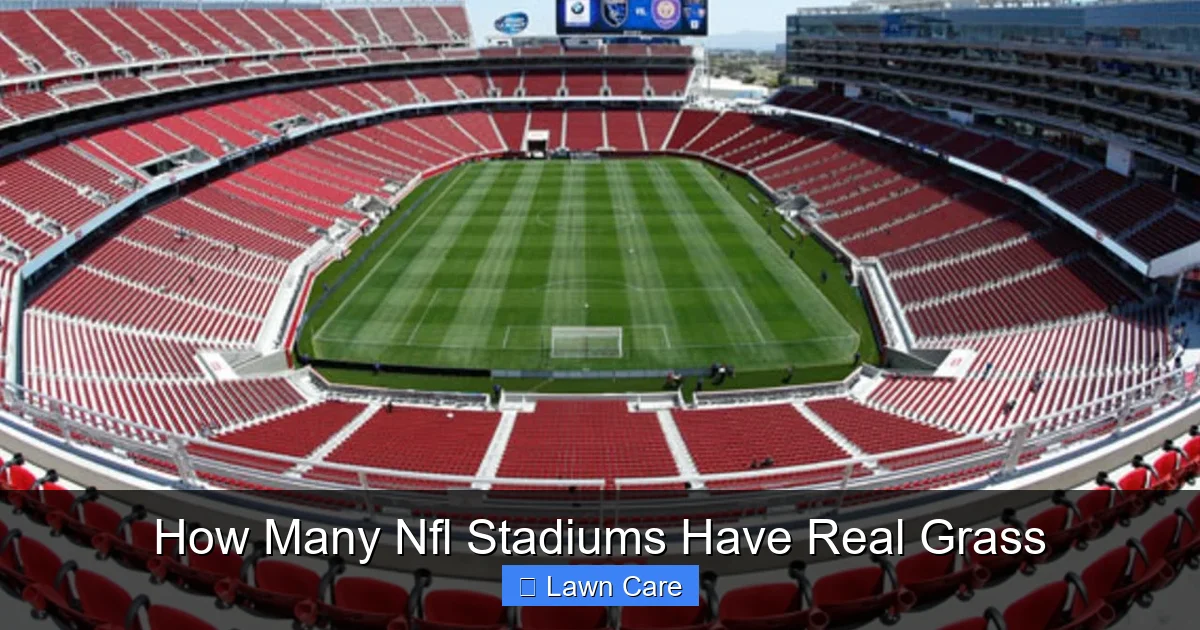
Visual guide about How Many Nfl Stadiums Have Real Grass
Image source: static.clubs.nfl.com
This is the million-dollar question, isn’t it? The exact number can fluctuate slightly from year to year due to stadium renovations, new constructions, and team decisions. However, as of recent seasons, it’s estimated that around half of the NFL stadiums feature natural grass playing surfaces. This means that out of the 30 current NFL stadiums (some teams share stadiums), approximately 15-17 still use real grass.
It’s important to note that this number can be fluid. For example, a team might decide to switch from grass to turf during a stadium upgrade, or vice-versa. Several sources track this information, and for the most up-to-date figures, checking official NFL stadium information or reputable sports news outlets is recommended. For a comprehensive list, searching for “NFL stadiums with real grass” will often yield current data.
The Advantages of Playing on Real Grass

Visual guide about How Many Nfl Stadiums Have Real Grass
Image source: cdn.wsn.com
Why do so many teams and players still prefer real grass, even with the advancements in artificial turf? The reasons are multifaceted and often boil down to player safety and the integrity of the game.
Player Safety and Injury Prevention
This is arguably the biggest driver for keeping natural grass in the NFL. Many players and athletic trainers believe that natural grass provides better shock absorption than artificial turf. This superior cushioning can lead to a reduced risk of:
* **Lower body injuries:** Including sprains, strains, and ligament tears (like ACL tears). The softer surface of grass can allow cleats to grip and release more predictably, reducing the rotational forces on the knee.
* **Impact-related injuries:** The natural give of grass can absorb some of the impact from tackles and falls.
* **Skin abrasions and burns:** While artificial turf has improved, older or poorly maintained turf can still cause more severe turf burn than grass.
The debate over which surface is “safer” is ongoing and complex, with studies offering mixed results. However, the anecdotal evidence and player preferences lean heavily towards natural grass for its perceived safety benefits.
Superior Game Performance and Feel
Beyond safety, natural grass offers a playing experience that many find superior:
* **Ball Roll and Bounce:** The way a football rolls and bounces on natural grass is distinct and predictable, which is important for kicking accuracy and overall game flow.
* **Traction and Footing:** Well-maintained grass can offer excellent traction, allowing players to make sharp cuts and explosive movements without the fear of their feet slipping or being excessively caught.
* **Aesthetics and Tradition:** There’s an undeniable aesthetic and traditional appeal to seeing a lush, green grass field. It harks back to the roots of the game and contributes to the overall atmosphere of a professional football match.
Environmental and Health Benefits
While often overlooked, natural grass fields also offer certain environmental advantages:
* **Cooling Effect:** Grass absorbs sunlight and releases water vapor through transpiration, which can help cool the surrounding environment, especially in hot climates.
* **Air Quality:** Grass can help filter air pollutants and produce oxygen.
* **Biodegradability:** Ultimately, grass is a natural, biodegradable material, unlike the plastics and synthetic materials in artificial turf.
The Challenges of Maintaining NFL-Quality Natural Grass
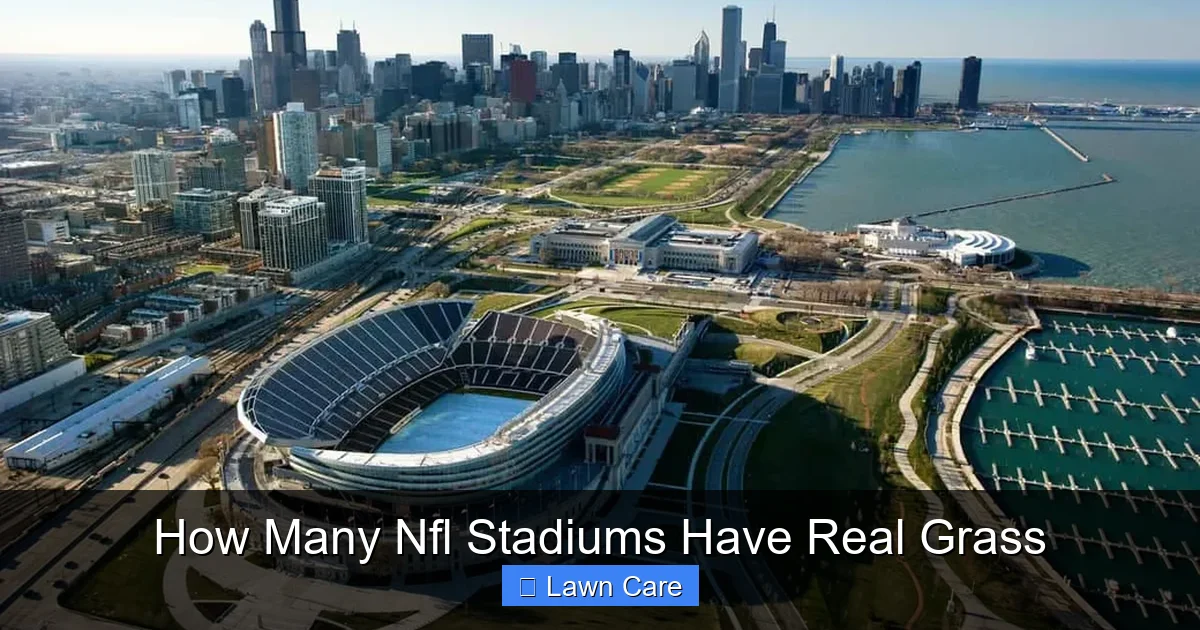
Visual guide about How Many Nfl Stadiums Have Real Grass
Image source: cdn.wsn.com
If real grass is so great, why isn’t it in every stadium? The answer lies in the immense challenge and cost associated with maintaining a professional-grade natural grass field. These aren’t your backyard lawns; they are highly engineered ecosystems designed for extreme performance under intense pressure.
Intensive Care and Expertise
* **Specialized Equipment:** NFL groundskeepers use a variety of high-tech equipment, including specialized mowers, aerators, sand spreaders, and drainage systems, to keep the turf in top condition.
* **Constant Monitoring:** Fields are monitored for moisture levels, soil density, nutrient content, and disease. This requires a dedicated team of groundskeepers working year-round.
* **Pest and Disease Control:** Like any living organism, grass is susceptible to pests and diseases. Managing these requires careful application of treatments, often with strict environmental guidelines.
* **Traffic Management:** The sheer volume of activity on an NFL field – practices, games, concerts, and other events – puts immense stress on the turf. Groundskeepers must manage this traffic meticulously.
Environmental Factors
* **Sunlight and Airflow:** Many modern stadiums are covered or partially covered, which can significantly reduce the amount of sunlight and airflow reaching the grass. This is a major challenge for grass growth and health. Stadiums with retractable roofs often struggle to provide adequate conditions for natural grass. For example, understanding how many hours of sun does Bermuda grass need is critical, and many indoor environments simply can’t provide it.
* **Climate Control:** In regions with extreme temperatures or unpredictable weather, maintaining grass can be incredibly difficult. This is where artificial turf often becomes a more practical choice.
* **Water Management:** While grass needs water, overwatering can lead to root rot and disease, while underwatering can cause the grass to die. Precise irrigation systems and knowledge are essential.
Cost of Upkeep
The financial investment in maintaining a natural grass field is substantial. This includes:
* **Labor costs:** A skilled team of groundskeepers is essential.
* **Equipment purchase and maintenance.**
* **Materials:** Fertilizers, soil amendments, pesticides, and water.
* **Field replacement:** Sometimes, entire sections or the entire field may need to be replaced to ensure optimal playing conditions.
This is why artificial turf, despite its own upfront costs and maintenance, can sometimes be seen as a more predictable and cost-effective long-term solution for certain stadium owners.
The Rise of Artificial Turf and Its Impact
The popularity of artificial turf has grown steadily in the NFL. Several factors contribute to this trend:
* **Durability:** Artificial turf can withstand more use and abuse than natural grass, making it ideal for stadiums that host multiple events or have a high volume of non-football activities.
* **Consistency:** Artificial turf provides a highly consistent playing surface regardless of weather conditions, which can be appealing for game planning and fan experience.
* **Lower Maintenance (Perceived):** While artificial turf requires maintenance, it doesn’t require watering, fertilizing, or the same level of horticultural expertise as natural grass.
* **Technological Advancements:** Modern artificial turf systems are designed to be softer, more breathable, and offer better drainage and shock absorption than older generations. These improvements have addressed some of the historical concerns about player safety.
However, the debate about the long-term player health implications of artificial turf continues. Many player unions and advocacy groups remain concerned about the potential for increased injury rates on these surfaces.
How to Identify Your Stadium’s Surface
If you’re curious about the specific field at your local NFL stadium, there are a few ways to find out:
1. **Team Official Website:** Most NFL teams will list information about their stadium and playing surface on their official website.
2. **Stadium Information Pages:** Many stadiums have their own websites or dedicated sections on the team’s site detailing their facilities.
3. **Sports News and Fan Sites:** Reputable sports news outlets and dedicated fan forums often discuss stadium specifics, including the type of turf used.
4. **Visual Inspection (During Broadcasts):** While not always definitive, observing the field during a game broadcast can sometimes give clues. Natural grass fields often have visible variations in color and texture, while artificial turf tends to look uniformly green and may have a slight sheen.
Looking Ahead: The Future of NFL Fields
The decision of whether to use natural grass or artificial turf is a complex one for NFL franchises. It involves balancing player safety, game performance, maintenance costs, scheduling needs, and the overall fan experience.
As technology continues to evolve for both natural grass cultivation and artificial turf systems, we might see further shifts. Innovations in hybrid systems that combine natural grass with synthetic fibers are also being explored. Ultimately, the goal for all NFL stadiums is to provide a safe, high-quality playing surface that allows for the best possible football.
For those who appreciate the natural beauty and traditional feel of a live turf field, it’s heartening to know that a significant number of NFL stadiums still champion real grass. The dedication of the groundskeeping crews who manage these challenging surfaces is truly remarkable, ensuring that the game remains as authentic and exciting as possible. Whether it’s the vibrant green of a well-kept natural field or the consistent performance of modern turf, each surface plays a role in the spectacle of professional football.
So, the next time you’re watching your favorite team, take a moment to appreciate the incredible effort that goes into creating and maintaining the playing field. It’s a vital, often unsung, hero of every game.