Applying pre-emergent herbicides at the right time is crucial for effective weed control. Generally, you should apply these herbicides in early spring before soil temperatures reach 55°F (13°C), as this is when many weed seeds begin to germinate. If you’re in a warmer climate, late winter might be your best bet. Follow up with proper watering after application to activate the herbicide, ensuring it penetrates the soil effectively. Remember, timing is key—get it right, and you’ll enjoy a weed-free garden throughout the growing season. So, mark your calendar and prepare to tackle those pesky weeds before they even have a chance to sprout!

When And How To Apply Pre Emergent Herbicides
Pre emergent herbicides are an essential tool for maintaining a healthy garden or lawn. They help prevent unwanted weeds from taking root in your soil, allowing your desired plants to grow unimpeded. In this section, we will explore when to apply these herbicides, how to use them effectively, and offer tips for ensuring the best results.
Understanding Pre Emergent Herbicides
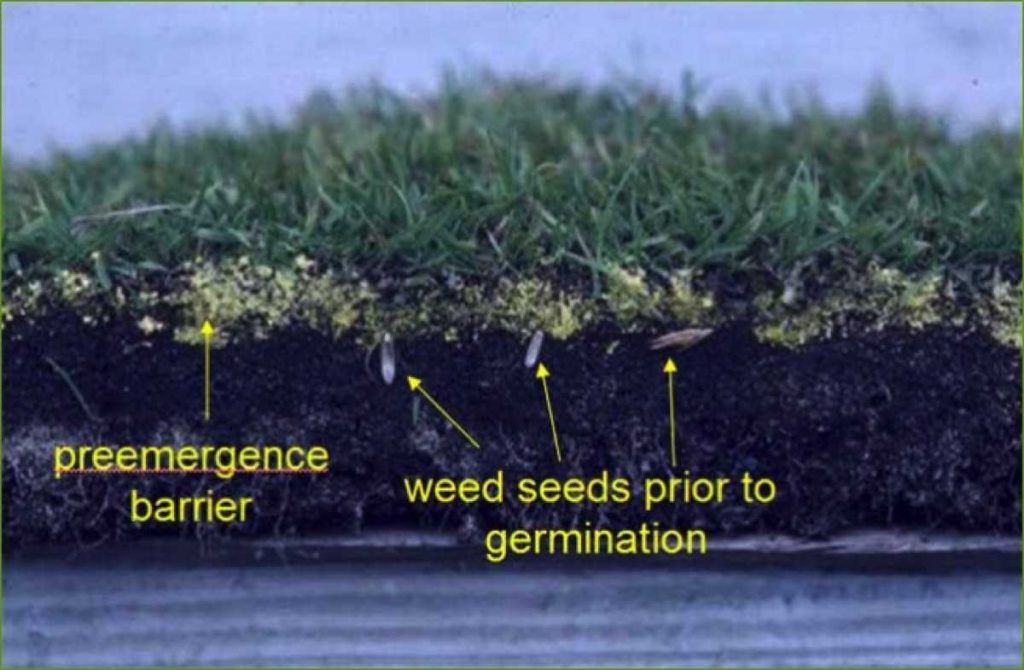
Pre emergent herbicides work by creating a barrier in the soil. This barrier stops weed seeds from germinating. It’s crucial to understand that these herbicides do not kill existing weeds. Instead, they focus on preventing new ones.
There are different types of pre emergent herbicides available. Some are more selective, targeting specific types of weeds, while others are non-selective. Selecting the right type is essential based on your specific needs.
When to Apply Pre Emergent Herbicides
Timing is critical when it comes to applying pre emergent herbicides. Applying them at the right time ensures maximum effectiveness.
Seasonal Timing
– **Spring Application**: The best time to apply pre emergent herbicides is in early spring. This period usually occurs before the soil temperature reaches 55°F (13°C) for several days.
– **Fall Application**: Some gardeners may also choose to apply a second treatment in the fall. This can be beneficial for controlling winter annual weeds.
Soil Temperature Check
Monitoring soil temperatures is essential. You can use a soil thermometer to ensure you’re applying the herbicide at the right temperature.
– **55°F (13°C)**: Ideal for crabgrass and other summer weeds.
– **70°F (21°C)**: Best for certain winter weeds.
How to Apply Pre Emergent Herbicides
Applying pre emergent herbicides correctly is just as important as timing. Follow these guidelines to ensure effective coverage.
Preparation Before Application
1. **Clean the Area**: Make sure the area is free from existing weeds and debris. This helps the herbicide reach the soil effectively.
2. **Select the Right Product**: Choose a pre emergent herbicide suited for your type of weeds. Always read the label for specific instructions.
Application Methods
You can use various methods to apply pre emergent herbicides. Here are the most common techniques:
– **Granular Application**: This method involves spreading granules evenly across the lawn or garden area.
– **Liquid Application**: Using a sprayer, you can apply a liquid form for more precise coverage.
Post-Application Care
Once you’ve applied your pre emergent herbicide, the work isn’t over.
Watering
Watering is a crucial step after applying the herbicide.
– **Initial Watering**: Lightly water the area to activate the herbicide in the soil.
– **Follow-up Watering**: Ensure consistent moisture for the next week to maximize the herbicide’s effectiveness.
Avoid Disturbing the Soil
To maintain the integrity of the herbicide barrier, avoid activities that disturb the soil for several weeks post-application.
– **Limit Foot Traffic**: Reduce walking on the treated area to avoid compacting the soil.
– **Delay Planting**: Wait a couple of weeks before planting seeds or transplants to prevent any potential harm.
Common Mistakes to Avoid
Even seasoned gardeners can make errors. Being aware of common mistakes can save you time and frustration.
– **Applying at the Wrong Time**: Ignoring soil temperature can lead to ineffective weed control.
– **Over-Application**: Using too much herbicide can harm your lawn and desired plants. Always follow the recommended rates on the label.
– **Ignoring Weather Conditions**: Apply herbicides when rain is not expected for at least 24 hours to prevent wash-off.
Advantages of Using Pre Emergent Herbicides
There are several benefits to using pre emergent herbicides effectively.
– **Weed Control**: Prevents a wide range of weeds from taking hold.
– **Saves Time**: Reduces the need for hand-weeding later in the season.
– **Encourages Healthy Growth**: Allows desirable plants to thrive without competition from weeds.
Evaluating Effectiveness
After you’ve applied your pre emergent herbicide, evaluating its effectiveness is crucial.
– **Check for Weeds**: If you notice weeds sprouting, it may be a sign of incorrect application.
– **Monitor Plant Health**: Ensure your desired plants remain healthy and vibrant.
Adjusting Your Strategy
If your pre emergent herbicide doesn’t seem effective, consider adjusting your strategy for the following season.
– **Changing Products**: Try a different herbicide that targets a broader range of weeds.
– **Adjusting Timing**: Slightly modify your application date based on observed soil temperatures.
Additional Tips for Success
A few extra tips can help enhance your herbicide application experience.
– **Read Labels**: Always follow the instructions on the product label for the best results.
– **Wear Protective Gear**: Ensure you wear gloves and a mask if needed while applying herbicides.
– **Keep Records**: For future reference, keep a log of your applications, including dates and products used.
Pre emergent herbicides can significantly benefit your gardening routine if used correctly. Understanding when and how to apply these products will help maintain a clean, healthy garden free from pesky weeds. Remember to check soil temperatures, apply at the right time, and follow up with proper care.
As you become more familiar with pre emergent herbicides, you’ll find that these strategies can lead to a vibrant and thriving garden. Remember to always adapt your approach based on your specific conditions and experiences, leading to continuous improvement in your gardening practices.
Exploring the science behind pre-emergent herbicides
Frequently Asked Questions
What are the signs that it’s time to apply pre-emergent herbicides?
The best signs that it’s time to apply pre-emergent herbicides include observing the soil temperature reaching around 55°F (13°C) for several consecutive days, as many weed seeds begin to germinate at this temperature. Additionally, if you notice early signs of weed growth or patches of bare soil in your lawn or garden, it’s advisable to consider application.
How should I prepare my lawn before applying pre-emergent herbicides?
Before applying pre-emergent herbicides, mow your lawn to the appropriate height to ensure maximum effectiveness. Remove any debris, such as leaves or sticks, from the area. Water your lawn lightly one to two days before application to help the herbicide adhere to the soil but avoid overwatering, as soggy soil can prevent proper application.
Can I apply pre-emergent herbicides in the fall?
Yes, you can apply pre-emergent herbicides in the fall, particularly if you live in a region where winter annual weeds are a concern. The fall application helps prevent the growth of weeds that germinate in late fall and early spring. Timing is crucial, so aim for a window of 2-3 weeks before the first expected frost.
How long does it take for pre-emergent herbicides to work?
Pre-emergent herbicides typically start working within a few days after application, but you may not see immediate results. They create a barrier in the soil that inhibits weed seed germination. Full effectiveness often occurs within 2-3 weeks as the herbicide becomes more integrated into the soil layer.
Is it safe to plant new seeds after applying pre-emergent herbicides?
After applying pre-emergent herbicides, it’s crucial to wait before planting new seeds. Generally, you should wait for about 8 to 12 weeks before planting annuals or perennials, but timing can vary depending on the specific herbicide used. Always refer to the product label for specific guidance regarding planting times.
Final Thoughts
Applying pre-emergent herbicides at the right time is crucial for effective weed control. Typically, this should be done early in the season, before weed seeds germinate.
Follow the manufacturer’s instructions carefully to ensure proper application and maximize results.
When And How To Apply Pre Emergent Herbicides can significantly impact the health of your garden or lawn. A proactive approach will help maintain a weed-free environment, allowing your desired plants to thrive.