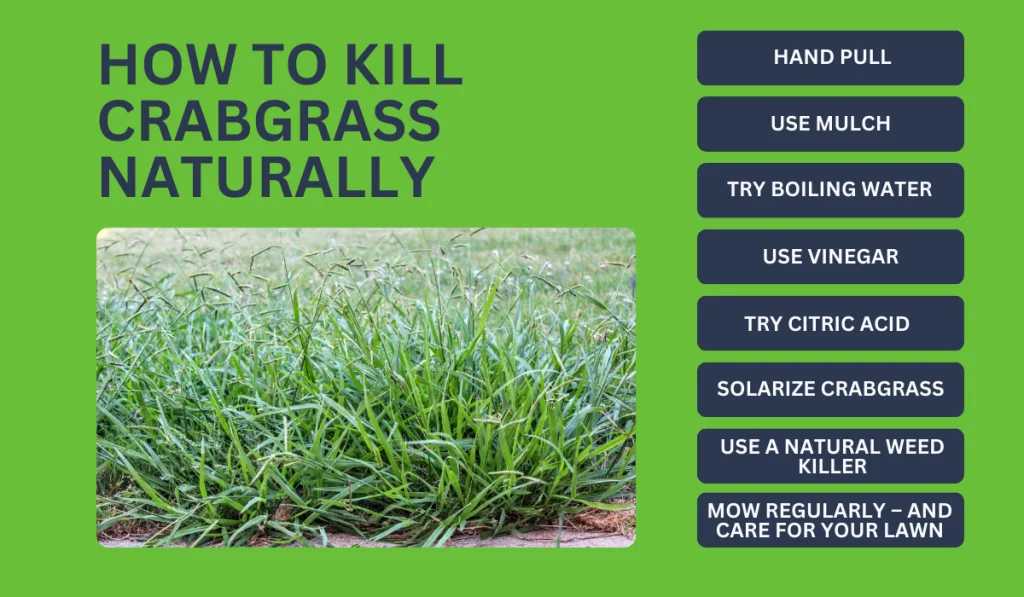
If you’re battling crabgrass in your lawn, act quickly to prevent it from taking over. The best approach is a combination of pre-emergent herbicides, proper lawn maintenance, and timely removal. Addressing crabgrass early can save your yard from becoming patchy and unmanageable.
To handle crabgrass effectively, apply a pre-emergent herbicide in early spring before it sprouts, maintain a healthy, dense lawn through proper mowing and watering, and remove any existing crabgrass manually or with post-emergent herbicides. Consistent care is key to keeping this invasive weed at bay.
Crabgrass can quickly dominate your lawn if left unchecked, but with prompt action, you can control and eliminate it. The key lies in early prevention and regular upkeep to maintain a lush, healthy yard free of this stubborn weed. Keep reading to learn how to identify, prevent, and eradicate crabgrass efficiently.

What to Do If You Have Crabgrass
Crabgrass can quickly take over your lawn if not addressed promptly. It is a stubborn weed that thrives in warm weather and can spread rapidly if ignored. Knowing how to handle crabgrass effectively is key to maintaining a healthy, green yard.
Understanding Crabgrass
Crabgrass is a fast-growing annual weed that appears as a thick, sprawling mat of grass. It often shows up in open, sunny areas of your lawn. Recognizing its appearance early helps prevent it from spreading further.
Identifying Crabgrass
- Looks like coarse, wide blades of grass with a reddish tint at the base
- Produces seed heads that resemble finger-like clusters
- Grows quickly in warm temperatures, usually in late spring to early summer
Why Crabgrass Is a Problem
Crabgrass competes with your regular grass for nutrients, water, and sunlight. It can make your lawn look uneven and patchy, decreasing its overall beauty.
Prevention Strategies
Proper Lawn Maintenance
Keeping your lawn healthy reduces the chances of crabgrass invasion. Regularly mow, water, and fertilize your grass to promote thick, dense growth. A strong lawn leaves less room for weeds to settle in.
Improve Soil Quality
Test your soil to ensure it has the right pH and nutrients. Amend your soil as needed with lime or fertilizer to create an environment where grass can outcompete weeds.
Adjust Mowing Practices
Set your mower to a height of about 3 inches. Taller grass shades the soil, making it harder for crabgrass to germinate and establish roots.
Watering Techniques
Deep, infrequent watering encourages deep grass roots. This resilience helps your lawn withstand crabgrass pressure and reduces the chances of weed seeds sprouting.
Effective Crabgrass Removal Methods
Manual Removal
Pull crabgrass by hand, especially when weeds are small. Make sure to remove the entire root system to prevent regrowth. Use a weeding tool if necessary to get beneath the soil surface.
Applying Herbicides
Use pre-emergent herbicides before crabgrass germinates, typically in early spring. Post-emergent herbicides work well on established weeds. Always follow label instructions for safe and effective application.
Choosing the Right Herbicide
| Type of Herbicide | Timing | Notes |
|---|---|---|
| Pre-emergent | Early spring before germination | Prevents crabgrass seed from sprouting |
| Post-emergent | After crabgrass appears | Targets existing weeds; select herbicide safe for your grass type |
Natural and Organic Control Options
Vinegar-Based Solutions
Applying acetic acid solutions can kill crabgrass on contact. Be cautious as vinegar can harm surrounding desirable plants. Use a spray bottle to target weeds precisely.
Smothering Crabgrass
Cover affected areas with mulch, cardboard, or black plastic. This deprives crabgrass of sunlight and heats the soil, preventing further growth.
Healthy Lawn Practices
Promoting dense, vigorous grass through aeration and appropriate fertilization reduces open spaces where crabgrass can establish.
Aeration and Overseeding
Why Aerate?
Core aeration loosens compacted soil, improving water and nutrient absorption. This encourages healthy grass growth that can naturally crowd out weeds like crabgrass.
Overseeding
Plant new grass seed in bare or thin areas to strengthen your lawn’s density. Choose grass varieties suited for your climate and lawn conditions.
Timing
Perform aeration and overseeding in early fall or spring when grass actively grows for best results. This timing helps establish thick turf before crabgrass germinates.
Seasonal Lawn Care Tips for Crabgrass Prevention
Spring
- Apply pre-emergent herbicide before crabgrass seeds germinate
- Begin regular mowing and fertilizing to promote healthy turf
- Start soil testing and amendment if needed
Summer
- Maintain proper watering schedule
- Inspect for crabgrass and manually remove or treat as needed
- Monitor lawn health and address pest or disease issues promptly
Fall
- Overseed thin areas to prevent weed invasion
- Apply a fall fertilizer to strengthen root systems
- Prepare lawn for winter dormancy by removing debris and thatch buildup
Long-Term Lawn Care to Keep Crabgrass Away
Consistent Fertilization
Regular feeding promotes a lush, dense lawn that naturally resists weeds. Use a balanced fertilizer suited for your grass type.
Proper Watering
Water deeply but infrequently to encourage deep root growth. Shallow watering can weaken grass and allow crabgrass to take hold.
Regular Mowing
Maintaining a consistent mowing height helps shade the soil, reducing weed seed germination. Never cut more than one-third of the grass height at once.
Soil Testing and Amendments
Testing your soil every few years ensures optimal pH and nutrient levels. Adjusting soil conditions discourages weed growth and promotes healthy turf.
Addressing Lawn Issues Promptly
Fixing drainage problems, filling in bare spots, and controlling pests or diseases keeps your lawn resilient against weeds like crabgrass.
Related Topics to Consider
- Choosing the Right Grass Seed: Select varieties resistant to common weeds and suited for your climate.
- Understanding Lawn Diseases: Prevent conditions that weaken grass and invite weed invasion.
- Dealing with Other Weeds: Learn to identify and control common lawn weeds for a healthier yard.
Addressing crabgrass early and consistently applying these strategies can significantly improve your lawn’s appearance and health. Staying proactive with prevention and control methods helps keep this invasive weed at bay. With patience and proper care, you’ll restore your lawn to its full beauty, free of crabgrass intrusions.
How to Get Rid of Crabgrass (4 Easy Steps)
Frequently Asked Questions
How can I effectively remove crabgrass from my lawn?
To remove crabgrass, start by pulling out the weeds manually, ensuring you get the roots to prevent regrowth. Apply a targeted pre-emergent herbicide early in the season before crabgrass seeds sprout, and consider using a post-emergent herbicide on existing patches. Maintain a healthy, dense lawn through proper fertilization and mowing practices to make it difficult for crabgrass to establish.
What steps should I take to prevent future crabgrass growth?
Prevention begins with applying pre-emergent herbicide in early spring before crabgrass seeds germinate. Keep your lawn thick and healthy by mowing at the correct height, watering deeply but infrequently, and fertilizing regularly to promote strong grass growth. Aerate your soil if it’s compacted, which allows for better root development and reduces weed invasion.
Are there natural methods to control crabgrass without chemicals?
Yes, maintaining a healthy lawn often suppresses crabgrass naturally. Regularly mowing your grass at the recommended height helps shade the soil, making it less hospitable for crabgrass seeds. Use organic compost and ensure proper watering to strengthen your grass. Hand-pulling small patches and overseeding bare spots can also reduce opportunities for crabgrass to establish.
When is the best time to treat crabgrass for effective control?
The optimal time to treat crabgrass is in early spring with pre-emergent herbicides before the weed seeds start to germinate. If you notice existing crabgrass, apply post-emergent herbicides while the plants are young and actively growing. Consisting of early intervention and regular lawn maintenance, these steps help keep crabgrass under control throughout the season.
What lawn care practices help minimize crabgrass resurgence?
Consistent mowing at the correct height, proper watering, and timely fertilization promote a dense turf that crowds out crabgrass. Aerating compacted soil improves root growth, and overseeding thin areas helps fill gaps. Avoid overwatering and excessive fertilization, which can encourage weed growth, and always follow best practices to maintain a vigorous, weed-resistant lawn.
Final Thoughts
Breeding crabgrass can be frustrating, but timely action helps control it. Pulling out existing crabgrass roots prevents it from spreading further. Applying a pre-emergent herbicide in early spring creates a barrier against new growth. Regular lawn maintenance keeps your grass healthy and strong, outcompeting crabgrass.
What to do if you have crabgrass? Treat it promptly with appropriate herbicides and improve your lawn’s overall health. These steps help manage the weed and keep your lawn attractive and thriving.