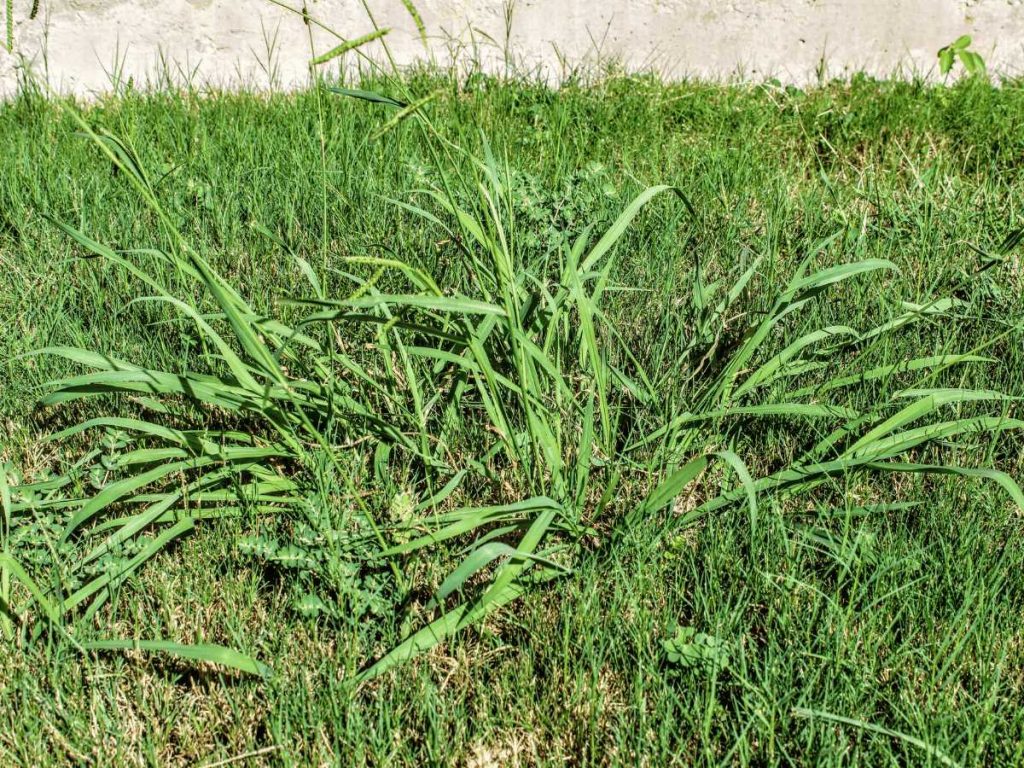
To eliminate smooth crabgrass quickly, pulling it out by hand and applying a targeted pre-emergent herbicide before it sprouts are your best bets. Regular overseeding with healthy grass and maintaining a lush, dense lawn can also prevent its return. Act fast and stay consistent to keep this pesky weed at bay!
Smooth crabgrass can be a stubborn invader in your lawn, but with the right approach, you can regain control. In this article, you’ll learn effective tactics to stop smooth crabgrass from overtaking your yard, from proper weed removal techniques to preventative measures that will help keep your lawn healthy and weed-free all season long. Whether you’re battling a small patch or a widespread problem, the key is to understand how and when to target this aggressive weed for the best results.

How to Get Rid of Smooth Crabgrass
Understanding Smooth Crabgrass and Its Growth
Smooth crabgrass, also known as *Digitaria ischaemum*, is a persistent weed that often invades lawns during warm months. It grows quickly and spreads by seeds, making it a tough opponent for homeowners. Recognizing its appearance helps in early identification and effective removal. Usually, it has smooth, light-colored stems and spreads low across the ground.
Why Smooth Crabgrass Is Difficult to Control
This weed thrives in disturbed soil and areas with compacted turf. Its ability to grow in poor soil and its rapid seed production make control challenging. Besides, it tends to grow during the hottest parts of summer, which complicates lawn maintenance. Effective management requires a combination of methods for best results.
Prevention Strategies for Smooth Crabgrass
Prevention is easier than eradication. Start by maintaining a healthy, dense turf to naturally prevent crabgrass from taking hold. Regular watering, fertilizing, and mowing help keep your lawn vigorous. Consider applying pre-emergent herbicides before crabgrass seeds germinate, usually in early spring.
Choosing the Right Pre-emergent Herbicide
Select products containing *prodiamine* or *pendimethalin* to stop seed germination. Apply just before soil temperatures reach 55°F to 60°F for best results. Be sure to follow the label instructions carefully to avoid damage to desirable grass.
Proper Lawn Maintenance to Prevent Crabgrass
– Keep your lawn healthy with appropriate fertilization.
– Maintain mowing heights between 2.5 and 3 inches.
– Water deeply but infrequently to promote deep root growth.
– Aerate the soil to reduce compaction and improve nutrient absorption.
Manual Removal of Smooth Crabgrass
Manual removal can be effective if the infestation is small. Grasp the weed at the base and pull out roots carefully to prevent regrowth. Use hand tools like a weed puller or hoe to loosen the soil and remove entire plants quickly.
Tips for Effective Manual Removal
- Always remove the weeds before they set seed.
- Water the area beforehand to make pulling easier.
- Dispose of crabgrass in yard waste bags to prevent spreading seeds.
Chemical Control Methods
When manual removal isn’t enough, herbicides provide additional help. Post-emergent herbicides targeted at crabgrass work best during active growth. Use a selective herbicide that controls crabgrass without harming your lawn grass.
Applying Post-emergent Herbicides
Follow these steps for effective application:
- Choose a product containing *fenoxaprop* or *quinclorac*.
- Apply during warm, sunny weather when weeds are actively growing.
- Ensure even coverage over the affected areas.
- Avoid mowing until the herbicide has dried completely.
Safety Tips for Herbicide Use
– Wear protective clothing and gloves during application.
– Keep children and pets away until the herbicide dries.
– Read and follow all label instructions carefully.
Natural and Organic Alternatives
Some gardeners prefer using natural controls to minimize chemical use. Corn gluten meal acts as a natural pre-emergent herbicide, preventing seed germination. Vinegar solutions can temporarily weaken crabgrass but are less effective long-term.
Using Corn Gluten Meal
Apply in early spring before crabgrass germinates. Spread evenly over the lawn and water thoroughly. Multiple treatments may be needed for significant infestations.
Homemade Vinegar Solution
Mix vinegar with a small amount of dish soap. Spray directly on crabgrass during hot, sunny days. Reapply as necessary, but be careful not to damage desirable grass.
Combining Methods for Better Results
The most successful approach combines prevention, manual removal, and herbicide application. Maintain a vigorous lawn to inhibit crabgrass growth and tackle infestations early. Regularly inspect your yard to catch new weeds before they seed.
Maintaining a Healthy Lawn to Prevent Future Infestations
Good lawn care is key to preventing crabgrass return. Keep turf dense, healthy, and well-maintained. Proper watering, fertilization, and aeration all help create an environment where weeds struggle to grow.
Implementing a Year-Round Lawn Care Routine
– Test your soil to determine nutrient needs.
– Apply the correct fertilizers at the right times.
– Mow at the recommended height for your grass type.
– Aerate and overseed annually to promote dense growth.
– Reapply pre-emergent herbicides each spring as necessary.
Monitoring and Ongoing Lawn Care
Regularly inspect your lawn for signs of crabgrass and weeds. Early detection allows easier removal and prevents widespread infestations. Keep up with ongoing maintenance to sustain a healthy, weed-resistant yard.
Related Topics
Interested in other lawn care topics? Consider learning about best mowing practices, organic lawn fertilizers, or soil testing for healthy turf. These practices support long-term weed prevention and overall garden health. Proper drainage and soil aeration also contribute to a weed-free lawn environment.
By understanding the growth habits of smooth crabgrass and combining preventative and active removal strategies, you can keep your lawn lush and weed-free. Regular maintenance and early intervention remain the best tools to fight off this persistent weed and enjoy a healthy yard.
How to Get Rid of Crabgrass & Clover in the Lawn – Weed Control Like a Pro
Frequently Asked Questions
What steps can I take to prevent smooth crabgrass from returning after removal?
To prevent smooth crabgrass from coming back, maintain a healthy lawn by regularly watering and fertilizing. Ensure your grass is thick and dense, which makes it difficult for crabgrass to establish. Consider applying a pre-emergent herbicide early in the spring to stop crabgrass seeds from germinating. Reseed bare patches promptly to prevent gaps where crabgrass can take hold.
How does soil health influence the presence of smooth crabgrass?
Healthy, well-maintained soil promotes dense grass growth, reducing open spaces that crabgrass can invade. Proper aeration improves soil oxygen levels, encouraging strong grass roots. Adjust your soil pH if necessary and use appropriate fertilizers to support vigorous lawn growth. These practices make it harder for crabgrass to establish and spread.
Are there natural methods to control smooth crabgrass effectively?
Yes, maintaining a thick, healthy lawn through proper mowing, watering, and fertilizing naturally suppresses crabgrass. Hand-pulling crabgrass plants before they set seed helps reduce its spread. Applying a thick layer of mulch in garden beds also prevents crabgrass from germinating. Additionally, overseeding your lawn helps fill gaps and discourages weed growth.
When is the best time to apply herbicides for crabgrass control?
Apply pre-emergent herbicides in early spring before crabgrass seeds germinate, typically when soil temperatures reach around 55°F (13°C). For post-emergent control, treat actively growing crabgrass during late spring or early summer. Always follow product instructions and consider local weather conditions to maximize effectiveness and minimize impact on desirable grass.
How often should I mow my lawn to prevent smooth crabgrass infestation?
Maintain a mowing height that encourages thick grass growth, usually around 2.5 to 3 inches, depending on your grass type. Mow regularly to avoid cutting more than one-third of the grass height at a time, which stresses your lawn and creates openings for crabgrass. Proper mowing frequency keeps your lawn dense and less inviting for crabgrass to take hold.
Final Thoughts
Pour se débarrasser de smooth crabgrass, commencez par maintenir une pelouse saine avec une tonte régulière et une fertilisation appropriée. Utilisez un herbicide spécifique pour crabgrass au bon moment, généralement au début du printemps ou à la fin de l’été. En outre, améliorez la drainage et enlevez les zones où l’envahisseur peut se propager. En suivant ces étapes, vous pouvez efficacement éliminer smooth crabgrass et préserver une pelouse uniforme.