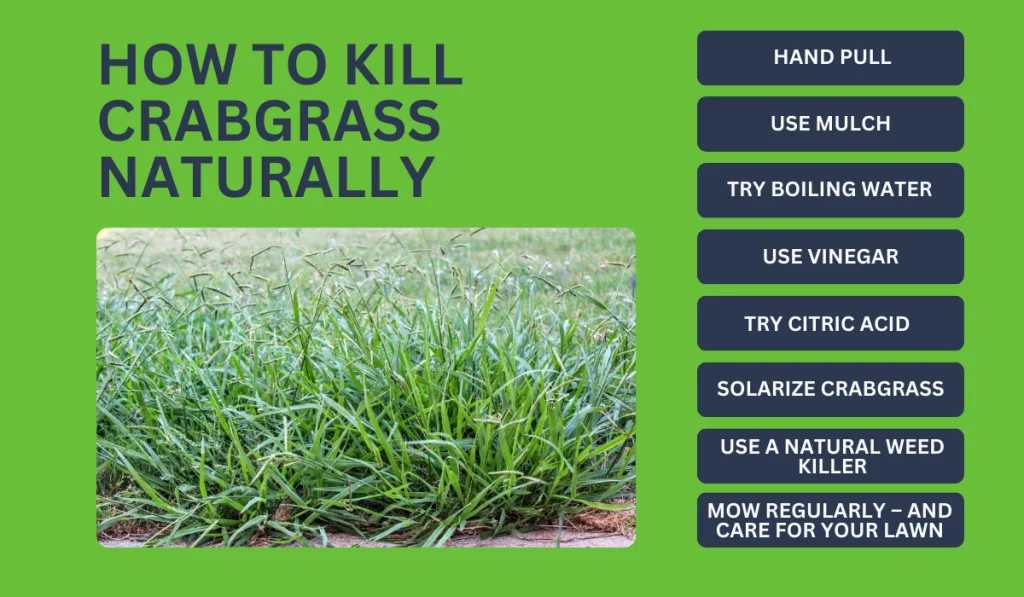
Yes, there is an organic way to control crabgrass! Effective management of this pesky weed can be achieved through a combination of cultural and natural methods that promote a healthy lawn while keeping chemical treatments at bay. By maintaining a thick, lush lawn, you can outcompete crabgrass for resources, as it thrives in sparse areas. Regular mowing at a higher height, overseeding, and applying natural mulch can significantly reduce its growth. Additionally, using corn gluten meal as a natural pre-emergent herbicide can prevent crabgrass seeds from germinating. With these strategies, you can cultivate a thriving lawn without relying on harmful chemicals, keeping your outdoor space safe for your family and pets. Let’s explore these organic approaches in more detail!

Is There an Organic Way to Control Crabgrass?
Crabgrass is a common problem for many gardeners and homeowners. This pesky weed can quickly take over lawns and gardens, competing for nutrients and water with your desired plants. However, there is good news! An organic approach to controlling crabgrass is not only possible but can also be very effective.
In this article, we’ll explore various organic methods for managing crabgrass while keeping your garden healthy and vibrant. We will discuss techniques such as prevention, natural barriers, cultural practices, and organic herbicides.
Understanding Crabgrass
Before jumping into solutions, it is essential to understand what crabgrass is. Scientifically known as *Digitaria sanguinalis*, crabgrass is an annual weed that thrives in warm weather.
– It germinates during spring and can grow back each year from seeds.
– Crabgrass prefers disturbed soils and can flourish in lawns that are not well cared for.
Understanding its life cycle will help you tackle it effectively.
Importance of Prevention
The best way to control crabgrass is by preventing it from establishing in the first place. Here are some preventive measures you can take:
- Maintain Healthy Grass: A thick and healthy lawn is your best defense against crabgrass. Regular mowing, watering, and fertilizing can keep your grass healthy.
- Overseed Your Lawn: Plant grass seeds in bare spots to prevent crabgrass from taking root.
- Water Wisely: Watering deeply but infrequently encourages grass roots to grow deeper, making it harder for crabgrass to compete.
Implementing these steps can dramatically reduce the likelihood of crabgrass appearing in your yard.
Cultural Practices to Control Crabgrass
Cultural practices are vital for controlling crabgrass organically. Here are a few methods to consider:
Proper Mowing
Mowing your grass at the correct height can significantly help. Keeping your grass taller allows it to outcompete crabgrass. Aim for a height of at least three inches.
Mulching
Using mulch can smother crabgrass seeds before they germinate. Organic mulches like straw, wood chips, or grass clippings are effective. Spread a thick layer around your plants and garden beds.
Soil Health
Healthy soil is crucial to preventing crabgrass. Test your soil to determine its nutrients. Adding organic matter like compost can improve soil quality and promote grass health.
Natural Barriers Against Crabgrass
Creating physical barriers can also help keep crabgrass at bay. Here are some organic strategies to consider:
Ground Covers
Planting ground covers can help block sunlight from reaching crabgrass seeds. Options like clover and creeping thyme can fill bare spaces and prevent weed growth.
Landscape Fabric
If you are starting a new garden bed, consider using landscape fabric. This fabric blocks sunlight and can prevent crabgrass from growing while allowing water and nutrients to pass through.
Organic Herbicides
If you find that crabgrass has already taken hold, organic herbicides may offer a solution. Here are some commonly used types:
- Vinegar: A solution of vinegar can kill young crabgrass. Apply it directly to the leaves on a sunny day.
- Salt: A saltwater solution can be effective but should be used with caution, as it can harm other plants.
- Boiling Water: Pouring boiling water on crabgrass can kill it instantly, although it may also affect surrounding plants.
Always read labels and follow instructions carefully when using organic herbicides.
Hand Pulling
One of the simplest methods of control is hand-pulling crabgrass. This method is effective when done correctly:
– Pull the weeds when the soil is moist for easier removal.
– Make sure to remove the entire root to prevent regrowth.
Regularly checking your garden can make this method more manageable.
Timing Your Control Efforts
Timing is crucial for effective crabgrass control. Here are some tips on when to act:
- Early Spring: Begin prevention efforts before germination. Use corn gluten meal as a pre-emergent herbicide.
- Before Seed Production: Monitor for flowering and seed production, and act quickly to cut them down.
By keeping track of these markers, you can stay ahead of crabgrass.
Using Corn Gluten Meal
Corn gluten meal is a natural pre-emergent herbicide. It prevents crabgrass seeds from germinating when applied at the right time. Here’s how to use it:
– Spread corn gluten meal on your lawn in early spring, ideally before the crabgrass seeds start to germinate.
– Water the area lightly after application to activate the corn gluten meal.
This method is safe for your lawn and supports healthy soil.
Companion Planting
Companion planting involves growing certain plants together for mutual benefit. Some plants can help deter crabgrass:
- Native Grasses: Mixing native grasses with traditional ones can provide better competition against crabgrass.
- Strong Aromatics: Plants like basil and mint can repel various weeds, including crabgrass.
Consider companion planting as part of your overall strategy.
Monitoring and Maintenance
Regular monitoring is essential for long-term success against crabgrass. Here are some tips:
– Check your lawn frequently for signs of crabgrass, especially in early summer.
– Stay proactive by implementing the strategies outlined above before the problem worsens.
Being vigilant can save you time and effort in the long run.
Controlling crabgrass organically is entirely feasible with the right approach and consistent effort. By employing prevention techniques, cultural practices, natural barriers, and targeted organic herbicides, you can maintain a healthy and thriving garden. Remember, a proactive attitude towards lawn care will yield the best results.
Incorporating these strategies into your gardening routine not only helps control crabgrass but also promotes overall lawn health. With patience and persistence, you can enjoy a lush, crabgrass-free landscape that enhances your outdoor space.
How to Kill Crabgrass Without Affecting Your Lawn Fast & Easy
Frequently Asked Questions
“`html
What are the best cultural practices to minimize crabgrass growth?
Implementing good cultural practices can significantly reduce crabgrass. Start by maintaining a healthy lawn through regular mowing, watering, and fertilization. Mow your grass at the recommended height to encourage dense turf, which can shade the soil and inhibit crabgrass seed germination. Additionally, water deeply and infrequently to encourage strong root systems and reduce stress on your grass.
How does mulching help in controlling crabgrass?
Mulching provides a protective layer over the soil, blocking sunlight and preventing crabgrass seeds from germinating. Apply a layer of organic mulch, such as wood chips or straw, around your garden beds and in landscaped areas. This not only suppresses weeds but also improves soil moisture and adds nutrients as it decomposes.
Can homemade solutions effectively combat crabgrass?
Yes, homemade solutions can help control crabgrass. A mixture of vinegar and salt can act as a natural herbicide. Spray this solution directly on the crabgrass, but be cautious not to target desirable plants. Corn gluten meal is another effective organic option because it can prevent seed germination when applied before crabgrass seeds start to sprout.
What role does soil health play in crabgrass prevention?
Healthy soil promotes a robust lawn that can outcompete crabgrass. Regularly aerate your soil to improve drainage and allow nutrients to penetrate deeper. Test your soil to understand its pH and nutrient levels, and amend it as needed to create an ideal growing environment for your grass. A healthy lawn will naturally choke out weeds like crabgrass.
Is it beneficial to hand-pull crabgrass?
Hand-pulling crabgrass can be effective, especially when the plants are small and before they flower. Make sure to remove the entire root to prevent regrowth. This method is most successful when performed consistently and combined with other control methods for optimal results.
“`
Final Thoughts
Effective organic methods exist to control crabgrass. Implementing practices like mulching, maintaining healthy soil, and using natural herbicides can significantly reduce crabgrass growth without chemical inputs. Regular lawn care routines and proper watering techniques further strengthen your grass, enabling it to outcompete crabgrass.
Ultimately, the answer to the question, “Is there an organic way to control crabgrass,” is yes. By adopting these sustainable practices, you can manage crabgrass effectively while promoting a healthier lawn ecosystem.