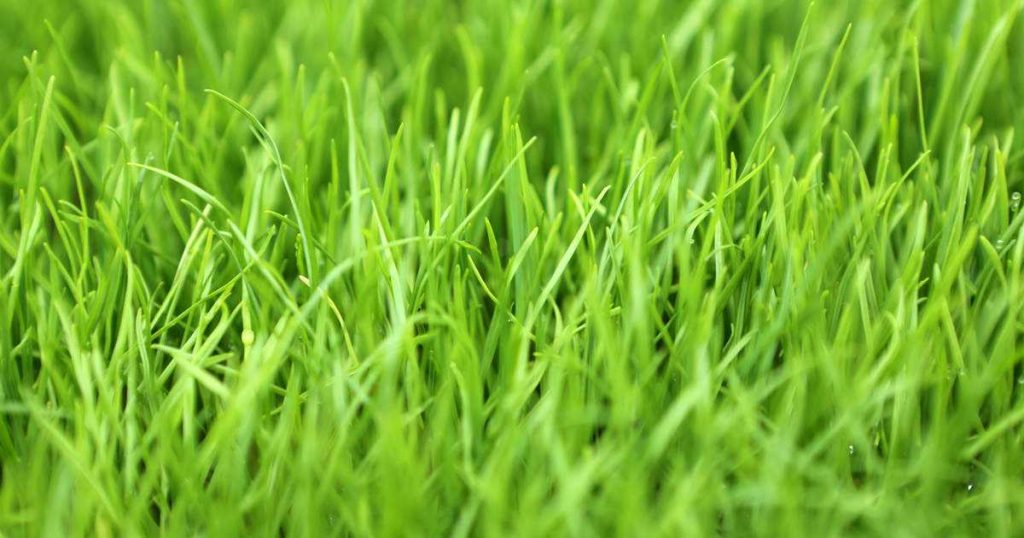
Ryegrass is a popular type of grass known for its lush, green appearance and quick growth, making it a favorite among farmers and gardeners alike. If you’re wondering what ryegrass is, it’s essentially a hardy, cool-season grass often used for pasture, ground cover, or overseeding lawns. It thrives in temperate climates and is prized for its fast establishment and rich nutritional value for livestock.
In summary, ryegrass is a resilient, fast-growing grass species primarily used for turf and forage. It’s valued for its ability to improve soil health, provide quick cover, and support grazing animals, making it a versatile choice in agriculture and landscaping.
If you’re curious about this versatile grass, you’re in the right place. Understanding ryegrass can help you decide if it’s the right fit for your lawn or farm. Its adaptability and benefits make it a top contender for those seeking a durable and lush green space or an effective forage crop.

What Is Ryegrass? An In-Depth Look at This Popular Grass Variety
Introduction to Ryegrass
Ryegrass is a common type of grass that many people plant for lawns, pastures, and sports fields. It is known for its vibrant green color and fast-growing nature. _Ryegrass_ comes in different varieties, each suited to specific needs and climates.
Types of Ryegrass
There are mainly two types of ryegrass: perennial and annual.
Perennial Ryegrass
This type of ryegrass lives for more than two years. It is popular for creating durable lawns and sports grounds because it grows quickly and recovers fast after damage.
Annual Ryegrass
Annual ryegrass completes its life cycle in one year. It is often used for temporary purposes like overseeding or erosion control. It germinates fast and is easy to establish.
Characteristics of Ryegrass
Understanding the key features of ryegrass helps in choosing the right type for your needs.
- Growth rate: Ryegrass grows rapidly, ensuring quick coverage of bare soil or patches in your lawn.
- Color: It has a lush, vibrant green hue, enhancing the appearance of any landscape.
- Texture: The grass blades are fine to medium in texture, giving a soft appearance.
- Root system: Ryegrass develops a shallow root system, making it easy to establish but also needing regular watering.
Benefits of Ryegrass
Choosing ryegrass offers many advantages, especially for lawns and pastures.
- Fast establishment: It germinates quickly, which is ideal for quick lawn repairs.
- High wear tolerance: Ryegrass can withstand foot traffic, making it perfect for sports fields and play areas.
- Good for erosion control: Its dense root system helps stabilize soil on slopes and disturbed areas.
- Flexible planting options: It can be overseeded into existing lawns or used as a primary ground cover.
Growing Conditions for Ryegrass
To ensure healthy growth, ryegrass needs specific environmental conditions.
Climate
Ryegrass prefers cool, moist climates but can tolerate some heat. It thrives in areas with moderate temperatures and consistent rainfall.
Soil Requirements
It grows best in well-drained, fertile soils rich in organic matter. A pH level between 5.5 and 7.0 is ideal for optimal growth.
Watering Needs
Ryegrass requires regular watering, especially during dry periods. It prefers moist but not waterlogged soil for healthy root development.
Seeding and Establishment
Planting ryegrass involves selecting the right seed, preparing the soil, and proper planting techniques.
Seed Selection
Choose a variety that matches your climate and purpose. For lawns, perennial ryegrass is a common choice, while annual ryegrass suits temporary needs.
Soil Preparation
Loosen the soil with tilling and remove weeds. Add compost or fertilizer to boost fertility before sowing.
Sowing Techniques
Spread seeds evenly using a broadcast spreader or hand for small areas. Lightly rake to cover the seeds with soil, then water gently.
Maintenance and Care
Proper care keeps ryegrass healthy and attractive.
- Mowing: Keep the grass at a height of 2 to 3 inches for best results. Mow regularly to promote dense growth.
- Fertilization: Apply a balanced fertilizer during peak growing seasons to support lush growth.
- Irrigation: Maintain consistent moisture, especially during establishment and dry spells.
- Pest and Disease Control: Monitor for pests like grubs and diseases such as rust or powdery mildew. Use appropriate treatments when necessary.
Common Problems and Solutions
Like any grass type, ryegrass can face challenges.
Poor Germination
Ensure proper soil preparation and seed-to-soil contact. Use high-quality seed and adequate watering.
Yellowing or Browning
This may result from overwatering, pests, or nutrient deficiencies. Adjust watering and fertilization accordingly.
Thinning or Bare Patches
Overuse or heavy foot traffic can cause thinning. Overseed or aerate the lawn to improve density.
Ryegrass in Landscaping and Agriculture
Ryegrass plays a versatile role in various fields.
In Lawns
It provides a lush, durable surface for residential and commercial lawns. Its quick seedling growth helps repair damaged lawns fast.
In Pastures
Ryegrass is a nutritious forage for grazing animals. It is often mixed with other grasses for balanced pasture diets.
In Sports Fields
Due to its resilience, ryegrass is a preferred choice for football, soccer, and golf courses. It withstands heavy use and recovers rapidly from wear.
In Erosion Control
Its dense root system stabilizes soil on slopes, preventing erosion and runoff.
Environmental Benefits of Ryegrass
Growing ryegrass supports environmental health.
- Reduces soil erosion: Its roots bind soil particles, preventing runoff.
- Improves air quality: Its dense foliage filters pollutants and produces oxygen.
- Provides habitat: Supports beneficial insects and wildlife in your garden or landscape.
Comparing Ryegrass with Other Grasses
Understanding how ryegrass stacks up against other grasses can aid in selection.
| Feature | Ryegrass | Bermudagrass | Kentucky Bluegrass |
|---|---|---|---|
| Growth rate | Fast | Moderate | Moderate |
| Climate suitability | Cool to warm | Warm | Cool |
| Maintenance | Moderate to high | High | High |
| Use cases | Lawns, sports fields, pastures | Lawns, golf courses, athletic fields | Lawns, parks, sports fields |
Summary of Key Points
– Ryegrass is a highly adaptable grass ideal for quick coverage and durability.
– It comes in perennial and annual types to suit different needs.
– Proper planting, care, and maintenance ensure lush lawns and healthy pastures.
– It offers environmental benefits like erosion control and air quality improvement.
By understanding **what ryegrass** is, how to grow it, and how to care for it, you can enjoy a beautiful, resilient lawn or pasture that meets your expectations. Whether for aesthetic purposes or practical use, ryegrass remains a popular choice across many applications.
What Is Rye Grass?
Frequently Asked Questions
What are the common uses of ryegrass in agriculture?
Ryegrass is widely used as a forage crop for grazing livestock and for hay production. Farmers value it for its fast growth rate and high nutritional content, which provide a reliable food source for animals. Additionally, ryegrass helps improve soil quality by preventing erosion and enhancing soil structure when used in pasture systems or as cover crops.
How does ryegrass adapt to different environmental conditions?
Ryegrass adapts well to a variety of climates, especially in temperate regions. It thrives in areas with moderate rainfall and can tolerate both cool and warm temperatures. Its fast germination and growth allow it to establish quickly, making it suitable for establishing pastures or lawns in diverse conditions. However, it prefers well-drained soils and benefits from regular moisture.
What are the differences between perennial and annual ryegrass?
Perennial ryegrass survives for several years and forms a dense, persistent lawn or pasture, making it ideal for long-term use. In contrast, annual ryegrass completes its lifecycle within a single growing season, often used for temporary cover or quick forage. Perennial varieties tend to have a finer texture and better wear tolerance, while annual types grow faster and are easier to establish for short-term needs.
What factors influence the growth and yield of ryegrass?
Several factors impact ryegrass growth, including soil fertility, moisture availability, and temperature. Adequate fertilization, especially with nitrogen, promotes lush growth, while consistent watering ensures healthy development. Proper mowing or grazing avoids over-stressing the plants, and choosing a suitable ryegrass variety for local conditions increases overall yield and longevity.
Final Thoughts
Ryegrass is a popular type of cool-season grass known for its rapid growth and versatility. It thrives in temperate climates and is often used for lawns, pastures, and sports fields. Its ability to establish quickly makes it a preferred choice for many gardeners and farmers alike.
Understanding what is ryegrass helps in selecting the right grass for your needs, ensuring a healthy, dense turf. Its resilience and fast growth rate make it a practical option for maintaining vibrant outdoor spaces.