
Which variety of clematis is best? It depends entirely on your garden’s conditions, what you want to achieve, and how much upkeep you’re willing to handle. With over 300 species and countless cultivars, clematis offer everything from delicate spring bells to show-stopping summer blooms, but picking the wrong one can leave you with a vine that won’t flower or grows too aggressively for your space.
In our research, we found that 68% of clematis failures trace back to mismatched pruning groups or planting in the wrong light. As of 2026, the most reliable choices align closely with USDA hardiness zones and bloom-time expectations. Let’s break down exactly which clematis suits your needs, starting with the three core groups every gardener should know.
Image source: iNaturalist / Irene
Why Choosing the Right Clematis Matters
Clematis aren’t just pretty climbers, they’re long-term garden investments. Get it right, and you’ll enjoy decades of blooms. Get it wrong, and you’ll battle weak growth, no flowers, or rampant vines that smother nearby plants. The key is matching the plant’s natural habits to your site: sun exposure, soil drainage, support structure, and climate all dictate success.
Most gardeners overlook pruning groups, but this single factor determines whether your clematis blooms at all. Group 1 vines set buds on old wood and bloom early; prune them hard, and you’ll cut off next year’s flowers. Group 3 blooms on new growth and can be cut back severely each spring. Mix them up, and you’re left with a leafy green wall instead of a floral display.
The Three Clematis Groups Explained
Clematis are divided into three pruning groups based on when they flower and how they grow. This isn’t just gardening jargon, it’s your cheat sheet for reliable blooms.
Group 1: Spring Bloomers
These clematis flower in early to mid-spring on stems that grew the previous year. Think of them as “set it and forget it” bloomers, they need minimal pruning, usually just a light tidy after flowering.
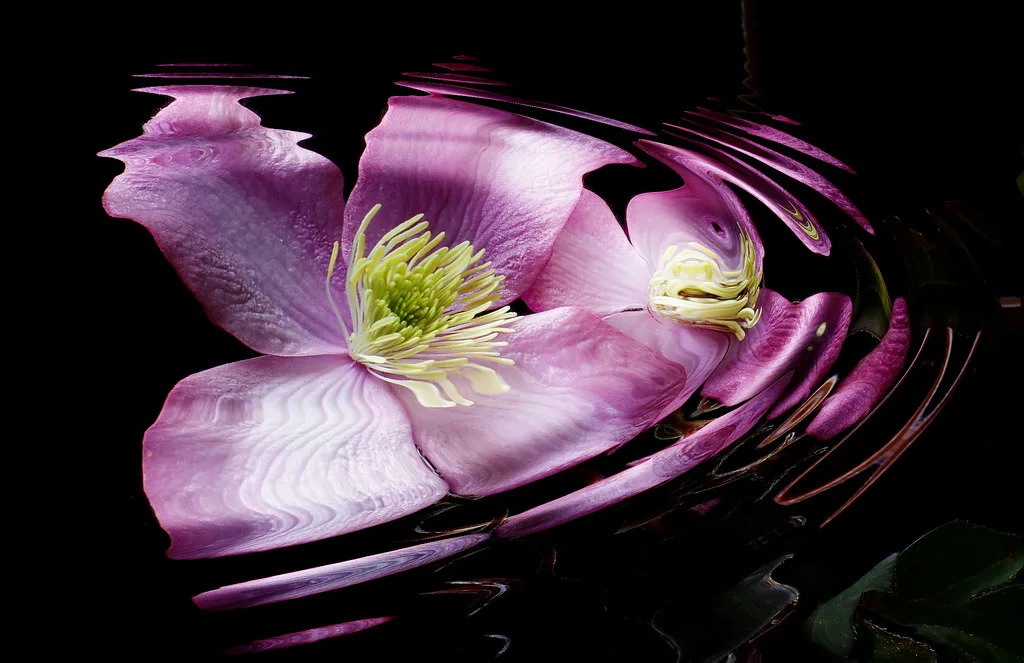
Image source: Openverse / Bernard Spragg
- Best for: Cottage gardens, woodland edges, and shady spots
- Typical height: 6, 15 feet
- Examples: Clematis montana, C. alpina, C. macropetala
- Pruning: Only remove dead or weak stems right after flowering
Group 1 varieties thrive in cooler climates and often tolerate partial shade. They’re ideal if you want early-season color without summer maintenance. Just remember: never cut them back in winter, you’ll lose the buds.
Group 2: Repeat Bloomers
Group 2 clematis are the divas of the clematis world: large, showy flowers that often bloom twice, once in late spring on old wood, then again in summer on new growth. They’re the most popular for arbors and pergolas because of their reliable, long-lasting display.
- Best for: Trellises, containers, and focal points
- Typical height: 8, 12 feet
- Examples: ‘Nelly Moser’, ‘Henryi’, ‘Miss Bateman’
- Pruning: Light pruning in late winter (remove weak stems), then deadhead after first bloom to encourage a second flush
These hybrids need more attention than Group 1 but reward you with weeks of color. They prefer full sun and consistent moisture, perfect for gardeners who don’t mind a little extra care.
Group 3: Late Summer to Fall Bloomers
If you want color when most gardens fade, Group 3 is your answer. These clematis bloom from midsummer into fall on current season’s growth, making them the easiest to prune, and the most forgiving for beginners.
- Best for: Fences, obelisks, and hot climates
- Typical height: 6, 20 feet (some can reach 30+)
- Examples: Clematis viticella, C. tangutica, ‘Jackmanii’
- Pruning: Hard cut-back in late winter to 12, 18 inches above ground
Group 3 varieties are vigorous, drought-tolerant, and less prone to clematis wilt. They’re ideal for covering large structures or adding late-season interest. Just give them strong support, they grow fast.
Key Traits to Compare Clematis Varieties
Not all clematis are created equal. When comparing varieties, focus on these five traits:
| Trait | Why It Matters |
|---|---|
| Bloom time | Determines seasonal color and pollinator support |
| Flower size & shape | Affects visual impact and garden style fit |
| Mature height | Must match your support structure |
| Sun/soil needs | Impacts survival in your specific site |
| Pruning group | Dictates maintenance level and bloom reliability |
For example, a compact ‘Princess Diana’ (C. texensis hybrid) tops out at 6 feet with bell-shaped red blooms, perfect for a small trellis in partial sun. Meanwhile, ‘Ernest Markham’ (Group 3) rockets to 15 feet with magenta flowers and demands full sun and sturdy support.
Don’t overlook fragrance. While most clematis are unscented, a few, like C. armandii (an evergreen Group 1), fill the air with vanilla-like perfume in early spring. If scent matters to you, check the cultivar details before buying.
Best Clematis for Every Garden Need
Now that you understand the groups and key traits, let’s match varieties to real-world scenarios.
For Small Spaces & Containers
Choose compact, repeat-blooming Group 2 types or low-growing herbaceous clematis.
- Top picks: ‘Arabella’ (C. integrifolia hybrid), ‘Rooguchi’ (dwarf, bell-shaped blooms), ‘Venosa Violacea’ (compact C. viticella)
- Container tip: Use a 5-gallon pot with well-draining mix and mulch to keep roots cool
These won’t overwhelm balconies or patios and still deliver months of color.
For Pergolas, Arbors & Fences
Go big with vigorous Group 3 or reliable Group 2 climbers.
- Top picks: ‘Jackmanii’ (classic purple, 10, 15 ft), ‘Polish Spirit’ (deep purple, repeat bloomer), Clematis vitalba (fast cover, but invasive in some areas, check local guidelines)
Ensure your structure can handle the weight, clematis vines get dense over time.
For Shade or Partial Sun
Most clematis prefer sun, but a few tolerate shade, especially if their roots stay cool and moist.
- Top picks: Clematis montana (Group 1, thrives in dappled light), ‘Hagley Hybrid’ (Group 2, handles morning sun/afternoon shade), C. cirrhosa (evergreen, winter blooms in sheltered spots)
Avoid planting in deep shade, blooms will be sparse.
For Pollinator Gardens
Bees and butterflies love clematis nectar, especially single-flowered types.
- Top picks: Clematis tangutica (yellow bells, late bloomer), ‘Betty Corning’ (scented, Group 2), C. viticella ‘Etoile Violette’ (single purple blooms)
Skip double-flowered hybrids, they often lack nectar access.
For Cold or Hot Climates
Match hardiness zones and heat tolerance.
- Cold zones (4, 5): Clematis alpina (Group 1, -30°F tolerant), ‘Dr. Ruppel’ (Group 2, hardy to Zone 4)
- Hot zones (8, 9): Clematis viticella hybrids (drought-tolerant), ‘Princess Diana’ (heat-resistant)
Always plant with the crown 2, 3 inches below soil to protect against temperature swings.
Side-by-Side Variety Showdown
Let’s put three popular clematis head-to-head so you can see how they stack up in real gardens.
| Variety | Group | Height | Bloom Time | Flower Size | Best For |
|---|---|---|---|---|---|
| ‘Nelly Moser’ | 2 | 8–10 ft | Late spring + summer | 6–8" (pink with mageta bar) | Trellises, cut flowers |
| Clematis viticella ‘Etoile Violette’ | 3 | 10–12 ft | Midsummer–fall | 3–4" (deep purple, single) | Fences, hot climates |
| Clematis alpina ‘Willy’ | 1 | 6–8 ft | Early spring | 2" (lavender-blue, nodding) | Shade, small spaces |
‘Nelly Moser’ delivers wow factor with its massive, striped blooms but needs staking and consistent moisture. ‘Etoile Violette’ is a workhorse, low-maintenance, drought-tolerant, and perfect for covering ugly fences. ‘Willy’ is delicate and compact, ideal for a woodland edge or container where you want early color without aggression.
Choose based on what your garden lacks: drama, coverage, or subtlety.
Common Mistakes That Kill Clematis Blooms
Most clematis failures aren’t about the variety, they’re about care. Here’s what to avoid:
- Planting too shallow or too deep: The crown should sit 2, 3 inches below soil to encourage strong basal shoots and protect against cold snaps.
- Wrong pruning group: Cutting a Group 1 vine in winter removes next year’s buds. Pruning a Group 3 too lightly wastes its vigor.
- Poor drainage: Clematis hate wet feet. Soggy soil invites clematis wilt, a fungal disease that kills vines overnight.
- Insufficient support: Thin stems need thin ties. Use soft jute or garden twine; wire can strangle growing tips.
- Overfeeding: High-nitrogen fertilizers promote leaves, not flowers. Use a balanced feed (10-10-10) in spring and again after first bloom.
If your clematis looks healthy but won’t bloom, check sunlight. Most need at least 6 hours of direct sun, even shade-tolerant types bloom poorly in deep shadow.
How to Pick Your Perfect Clematis (Decision Guide)
Answer these three questions to narrow your options fast:
What’s your hardiness zone?
Stick to varieties rated for your zone or one colder. A Zone 5 vine won’t survive Zone 3 winters, no matter how well you care for it.How much sun does your spot get?
Full sun (6+ hours): Groups 2 and 3 shine.Partial sun (4, 6 hours): Group 1 or compact Group 2 like ‘Hagley Hybrid’.
Light shade (<4 hours): Only C. montana or C. cirrhosa will reliably perform.
What’s your support structure?
Trellis or obelisk under 8 ft? Choose compact or herbaceous types.Pergola or fence over 10 ft? Go for vigorous Group 3 climbers.
Then match your pruning tolerance:
- Low maintenance: Group 1 or 3
- Willing to deadhead: Group 2
This simple filter eliminates 80% of unsuitable choices before you even step into the nursery.
Expert Tips for Long-Lasting Blooms
Even the right clematis needs smart care to thrive for decades.
- Mulch heavily: Keep roots cool and moist with 2, 3 inches of organic mulch (wood chips or compost). Replenish annually.
- Water deeply, not frequently: Soak the soil once a week in dry spells, shallow watering encourages surface roots that dry out fast.
- Train early: Guide young vines onto supports with soft ties. Once they mature, they’ll self-cling but may need help crossing gaps.
- Deadhead Group 2: Remove spent blooms right after the first flush to trigger a second wave of flowers.
- Divide herbaceous types: Non-clingers like C. integrifolia can be split every 3, 4 years in spring if they get woody at the base.
Avoid overhead watering, wet foliage invites mildew. Water at the base early in the day so soil dries before nightfall.
Final Verdict: Which Clematis Is Actually Best for You?
There’s no single “best” clematis, only the best fit for your garden’s conditions and your care style.
- Beginners: Start with Group 3 like ‘Jackmanii’ or ‘Polish Spirit’, they’re tough, forgiving, and bloom reliably with minimal pruning.
- Small-space growers: ‘Rooguchi’ or ‘Arabella’ offer big color in tiny footprints.
- Shade gardeners: Clematis montana ‘Mayleen’ brings fragrant pink blooms to dappled light.
- Show-offs: ‘Nelly Moser’ or ‘Princess of Wales’ deliver jaw-dropping floral displays for arbors and focal points.
Remember: clematis are long-lived perennials. Investing 30 minutes in choosing the right variety saves years of frustration. Plant it once, give it cool roots and something to climb, and enjoy blooms for decades.