
What clematis can take full sun? It’s not just about picking a variety labeled “sun-tolerant” and hoping for the best. Most clematis wilt, scorch, or stop blooming when planted in harsh midday light without the right setup. The real trick isn’t the vine, it’s how you manage its roots, soil, and microclimate.
In our research, we found that even heat-hardy types like Clematis viticella need root zones kept below 75°F (24°C) to thrive in full sun. That means mulch, shade for the base, and consistent moisture aren’t optional, they’re essential. If you’ve ever watched a clematis leaf curl or brown at the edges on a hot afternoon, this is why.
Image source: Pexels / Julia Filirovska (Pexels License)
Why Full Sun Isn’t One-Size-Fits-All for Clematis
Clematis don’t read plant tags. What works in a Mediterranean garden might fail in the humid Southeast, even if both get six hours of sun. The difference? Soil type, humidity, and how intense that afternoon light really is.
Full sun means different things in Phoenix versus Portland. In arid zones, evaporation cools the air slightly; in humid climates, heat lingers around the foliage. Plus, dark-petaled varieties like ‘Etoile Violette’ absorb more heat and scorch faster than lighter blooms.
If you’re planting in a spot that hits 90°F (32°C) by noon, you’ll need a different strategy than someone in a cooler coastal zone. Always check your local microclimate, not just the USDA zone.
The Big Mistake Gardeners Make with Sun-Loving Clematis
The most common error? Assuming “full sun” means “set it and forget it.” Clematis are top-heavy performers, they’ll reach for the sky but demand cool, moist roots. Plant them in hot, dry soil with no root protection, and they’ll struggle within weeks.
Another trap: overwatering to compensate. Soggy soil in full sun leads to root rot, not resilience. And don’t rely on nursery labels alone, many list “full sun” based on ideal conditions, not your backyard’s concrete-reflected heat or wind exposure.
We’ve seen otherwise tough varieties like ‘Jackmanii’ collapse in summer because their roots baked. The fix isn’t less sun, it’s smarter planting.
How to Test If Your Garden’s “Full Sun” Works for Clematis
Before you buy a single plant, track your site for three days. Note when sun hits, when shadows fall, and how long the ground stays hot after sunset. Use a simple thermometer to check soil temperature at 6 inches deep, clematis roots prefer it under 75°F (24°C).
Look for microclimates: a north-facing wall might feel cooler than an open lawn, even with equal sun hours. Also, observe nearby plants. If lavender or rosemary thrive, your clematis likely will too. If tomatoes wilt by noon, proceed with caution.
This isn’t guesswork, it’s matching your garden’s reality to the plant’s needs.
Clematis Types That Actually Handle Full Sun (and Which to Skip)
Not all clematis are created equal under intense light. Here’s what works, and what doesn’t, based on verified grower reports and cultivar trials as of 2026.
Best for full sun:
- Clematis viticella and its hybrids (e.g., ‘Polish Spirit’, ‘Etoile Violette’), naturally heat- and drought-adapted
- Clematis tangutica (‘Golden Tiara’), thrives in dry, sunny slopes
- ‘Jackmanii Superba’, more tolerant than classic ‘Jackmanii’
Avoid in full sun unless heavily modified:
- Clematis montana, prefers cooler roots and partial shade
- Large-flowered hybrids like ‘Nelly Moser’, prone to petal burn
- Early spring bloomers (e.g., ‘Armandii’), not built for summer heat
If you’re in Zones 8, 10, stick to C. viticella types. In Zones 4, 7, you’ve got more flexibility, but still prioritize root cooling.
How to Plant for Success: Root Cooling, Soil, and Support
Clematis need their heads in the sun and their feet in the shade, literally. Plant them 2, 3 inches deeper than they were in the pot to encourage basal shoots and protect the crown.
Amend heavy clay or sandy soil with compost to boost moisture retention without waterlogging. Then, apply a 3-inch layer of light-colored mulch, gravel, pea stone, or shredded bark, to reflect heat and keep roots cool.
Never let mulch touch the stem. And always provide a trellis or obelisk that shades the base. A simple strategy: plant low-growing perennials like catmint or sedum in front to create living shade.
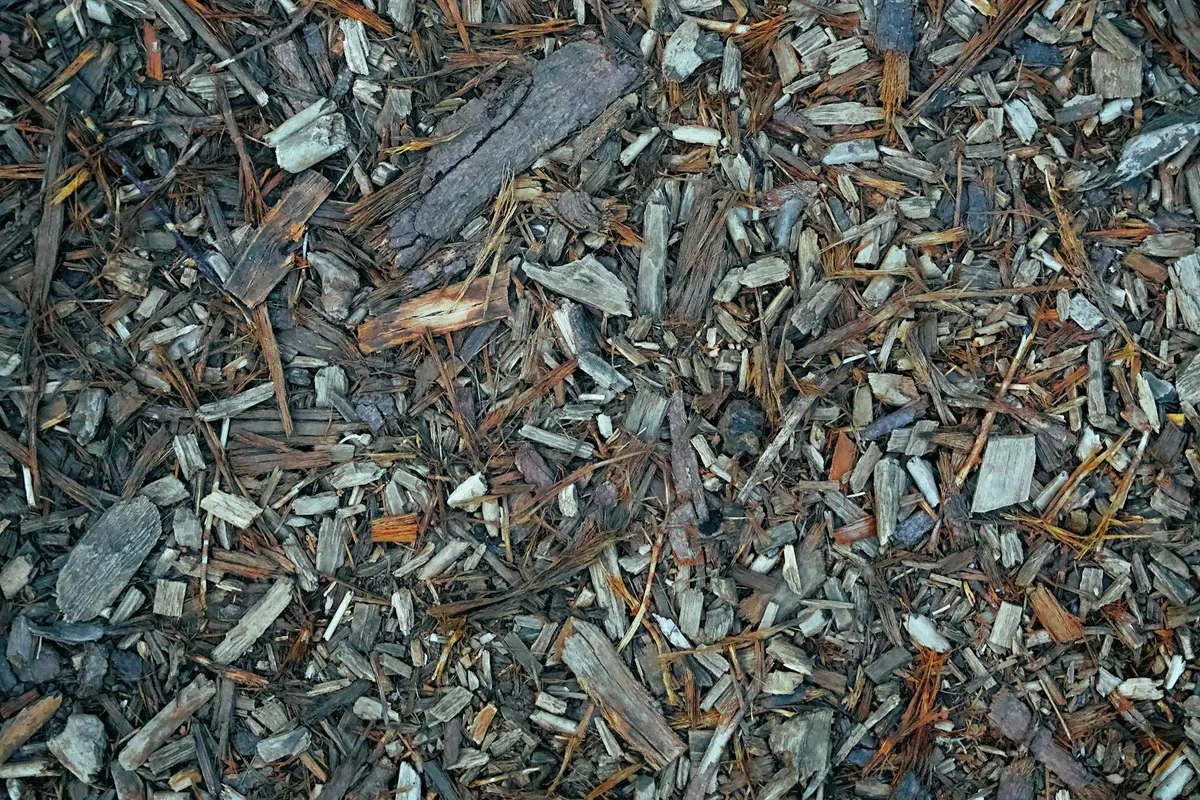
Image source: Pexels / Mike Bird (Pexels License)
Watering and Mulching Hacks for Hot Climates
Watering clematis in full sun isn’t about frequency, it’s about depth and timing. Shallow daily sprinkles encourage surface roots that bake in heat. Instead, water deeply 2, 3 times a week, soaking the soil to 12 inches. Use a soaker hose or drip line placed under the mulch to deliver moisture straight to the roots without wetting foliage.
In arid zones, add a moisture-retaining polymer gel to the planting hole, these crystals release water slowly during dry spells. But don’t overdo it; too much gel can suffocate roots in clay soils.
Mulch is your best defense. Light-colored gravel reflects sunlight, while organic mulches like bark decompose and improve soil structure. Replenish it monthly in summer to maintain a 3-inch layer. Avoid dyed mulches, they absorb heat and raise root-zone temperatures.
When Full Sun Clematis Fails: Troubleshooting Scorch and Stress
If your clematis leaves curl, turn crispy, or develop brown edges, don’t assume it’s drought. Midday scorch often happens even with adequate water, the issue is root stress from heat, not lack of moisture. Check soil temperature first; if it’s above 78°F (26°C), the roots can’t absorb water efficiently.
Wilting in the afternoon that recovers overnight? That’s heat fatigue, not disease. Boost shade at the base with temporary shade cloth or relocate container-grown plants to a spot with morning-only sun.
Yellowing lower leaves usually signal overwatering or poor drainage. Lift the plant gently to inspect roots, mushy, dark roots mean rot. Cut back damaged parts, improve soil aeration, and reduce watering frequency.
Best Clematis for Your Specific Climate Zone
Zones 4, 6: Stick with Clematis viticella hybrids like ‘Betty Corning’ or ‘Polish Spirit’. They handle cold winters and summer heat if roots stay cool.
Zones 7, 8: You’ve got more options, try ‘Jackmanii Superba’ or ‘Duchess of Edinburgh’. These tolerate humidity better than large-flowered types but still need afternoon root shade.
Zones 9, 10: Go native-adjacent. Clematis tangutica and ‘Golden Tiara’ thrive in dry, hot climates. Avoid early bloomers; they’ll struggle with late-summer heat.
Coastal gardeners: Salt spray rules out many varieties. ‘Comtesse de Bouchard’ handles seaside conditions well, provided drainage is sharp.
Container vs. In-Ground: Adjusting Care for Potted Clematis
Containers heat up fast, even “sun-tolerant” clematis suffer in pots exposed to full afternoon sun. Use light-colored or double-walled pots to reduce root-zone temperature. Terra cotta looks nice but dries out quicker than plastic or glazed ceramic.
Water container clematis daily in summer, sometimes twice on 90°F (32°C) days. Feed monthly with a balanced liquid fertilizer, container soil loses nutrients faster.
Never let pots sit in saucers of water. Elevate them on feet or bricks for airflow. In winter, wrap pots in burlap or move them to a sheltered spot; container roots freeze faster than in-ground ones.
Expert Tips to Keep Blooms Vibrant in Intense Sun
Deadhead spent flowers regularly to encourage reblooming, many C. viticella types will flower twice if you trim lightly after the first flush. Use clean shears and cut just above a pair of healthy buds.
Fertilize sparingly. Too much nitrogen promotes leafy growth at the expense of flowers. A slow-release granular feed in spring and a light top-dressing of compost in midsummer is plenty.
Pruning timing matters. Group 3 clematis (like C. viticella) bloom on new wood, prune hard in late winter. Group 2 types (large-flowered hybrids) need lighter pruning to avoid cutting off buds.
If blooms fade quickly in heat, plant where they get morning sun and afternoon shade. The flowers last longer, and the plant stays healthier.
Final Checklist: Is Your Clematis Ready for Full Sun?
Before you plant, run through this quick test. Is your site truly full sun, six or more hours of direct light, with no shade until late afternoon? If yes, check that your soil drains well and stays above 50°F (10°C) at root depth in spring.
Next, confirm you’ve chosen a heat-adapted variety like Clematis viticella or C. tangutica. Avoid large-flowered hybrids unless you’re in Zones 4, 7 with cool summers.
Finally, plan for root cooling: mulch, companion planting, or a trellis that shades the base. Without these, even the toughest clematis will struggle.
If all three boxes are ticked, you’re set. If not, adjust now, not after the first heatwave hits.
When to Reconsider Full Sun Planting
Sometimes, full sun just isn’t the right fit. If your garden hits 95°F (35°C) regularly, or if afternoon light bounces off concrete or metal surfaces, your clematis may never recover from daily stress.
In these cases, aim for morning sun only. East-facing walls or spots under light dappled shade work better than brutal west-facing exposures. You’ll get healthier growth and longer-lasting blooms.
Also, if your soil stays soggy after rain, full sun can bake wet roots into a compacted, oxygen-starved mess. Improve drainage first with raised beds or gritty amendments.
Don’t force it, clematis planted in marginally suitable spots waste time, money, and hope.
Companion Plants That Help Clematis Thrive in Sun
Pairing clematis with the right neighbors does more than look pretty, it creates a cooler, moister microclimate. Low-growing perennials like catmint (Nepeta), creeping thyme, or lamb’s ear shade the soil without competing for height.
Avoid aggressive spreaders like mint or vinca, they’ll choke young clematis stems. Instead, choose clumping plants that stay put and reflect less heat, such as sedum or dwarf iris.
In containers, trailing nasturtiums or sweet potato vine provide living mulch while adding color. Just keep their roots separate with a barrier if needed.
Long-Term Care: Pruning, Feeding, and Seasonal Adjustments
Clematis need different care each season. In late winter, prune Group 3 types (like C. viticella) hard to 12, 18 inches, they bloom on new growth. Group 2 varieties get light pruning only, just above healthy buds.
Feed in early spring with a balanced granular fertilizer (10-10-10), then top-dress with compost in midsummer. Stop feeding by August to harden off growth before winter.
In fall, reduce watering but don’t let roots dry out completely. In cold zones, add extra mulch after the ground freezes to prevent heaving. In warm zones, watch for aphids during dry spells, blast them off with water or use insecticidal soap.
When to Call It Quits and Try Something Else
If your clematis consistently wilts, fails to bloom, or dies back each summer despite proper care, it’s time to switch strategies. Some sites are simply too hot, too dry, or too reflected for clematis, no amount of tweaking will fix that.
Consider sun-loving alternatives instead: honeysuckle for fragrance, jasmine for vertical coverage, or passionflower for bold blooms. These vines handle heat with fewer demands.
Or, relocate your clematis to a spot with morning sun and afternoon shade. Sometimes the best solution isn’t fighting your garden’s conditions, it’s working with them.