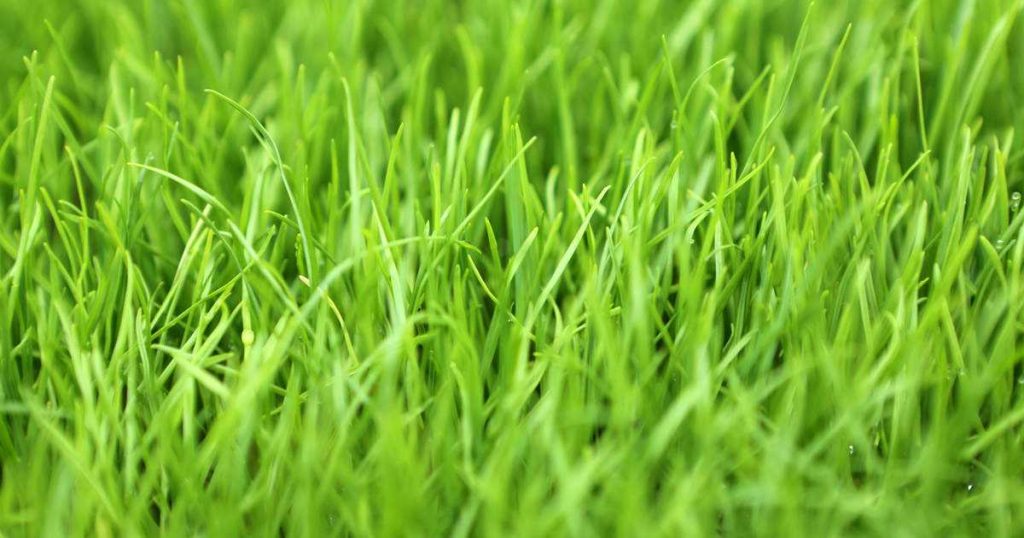
Perennial ryegrass is a popular, resilient grass variety cherished for its lush green appearance and quick establishment. It’s a top choice for lawns, sports fields, and pastures because of its durability and rapid growth. If you’re wondering what perennial ryegrass is, it’s a type of cool-season grass that lives for more than two years and provides vibrant ground cover year after year. This grass is known for its fine texture, excellent grazing qualities, and ability to recover quickly from damage. It thrives in temperate climates and is often used in seed mixes to create dense, attractive lawns or pastureland. Whether you want a beautiful turf or a reliable grazing area, understanding what makes perennial ryegrass special can help you make the right choice for your outdoor space.

What is Perennial Ryegrass?
Perennial ryegrass is a popular cool-season grass that many people use for lawns, sports fields, and pastures. It is known for its fast growth and lush appearance. This grass stays green for most of the year if maintained properly.
Understanding Perennial Ryegrass
Perennial ryegrass (Lolium perenne) is a type of grass that lives for more than two years. It is native to Europe and parts of Asia but has become common in North America and other regions. Its ability to grow quickly makes it a favorite for many applications.
Key Characteristics of Perennial Ryegrass
This grass has a fine texture with narrow leaves, giving lawns a smooth look. It grows in dense mats, which helps prevent weeds from taking over. Its roots are shallow but spread out, making it resilient to foot traffic and mowing.
Growth Habit and Appearance
Perennial ryegrass grows in bunches or tufts, with a bright green color. During its growing season, it can reach heights of 3 to 6 inches. Its blades are soft and flexible, making it comfortable for walking or playing on.
Botanical Features of Perennial Ryegrass
Understanding the plant’s features helps in caring for it properly. Perennial ryegrass produces seed heads that appear in late spring or early summer. These seed heads are spear-shaped and add to its ornamental appeal.
Leaves and Blades
The leaves are thin, smooth, and shiny, which contributes to the grass’s vibrant look. They grow quickly and can sometimes become overgrown if not mowed regularly.
Root System and Soil Preference
Although the roots are shallow, they form a dense network that holds soil well. The grass prefers well-drained, fertile soils but can adapt to a variety of conditions. Proper soil preparation is essential for healthy growth.
Growing Conditions for Perennial Ryegrass
Perennial ryegrass thrives in cooler temperatures but can tolerate some heat. It is often used in regions with moderate to high rainfall. Proper care ensures it remains green and healthy year-round.
Temperature and Climate
This grass prefers temperatures between 55°F and 75°F. It can handle brief cold spells but may struggle during extreme heat. In warm climates, it benefits from afternoon shade.
Sunlight Requirements
Perennial ryegrass needs at least four to six hours of direct sunlight daily. It can grow in partly shaded areas but may become thin without enough sun exposure.
Soil Conditions and Preparation
Well-draining soil is crucial for its health. Adding organic matter or compost improves soil fertility and structure. Regular aeration helps prevent compaction and promotes healthy root growth.
Planting and Establishment
Getting perennial ryegrass started involves selecting the right seed and proper planting techniques. It germinates quickly, which allows for fast establishment.
Selecting the Right Seed
Choose high-quality certified seed for better germination and uniform growth. Seeds with a high percentage of perennial ryegrass ensure a lush, even lawn.
Seeding Methods
Seeding can be done by broadcasting or using a seed spreader. After spreading the seeds, lightly rake to ensure good soil contact. Water thoroughly to promote germination.
Timing for Planting
The best time to plant is in early fall or spring when temperatures are moderate. Avoid planting during extremely hot or cold weather to improve success rates.
Maintenance and Care
Proper maintenance keeps perennial ryegrass dense and healthy. Regular mowing, watering, and fertilization are essential.
Mowing Practices
Mow frequently to keep the grass at about 2 to 3 inches tall. Avoid cutting more than one-third of the height at a time to prevent stress.
Watering Guidelines
Perennial ryegrass needs about 1 to 1.5 inches of water weekly. Deep, infrequent watering encourages deep roots. Water early in the morning for best results.
Fertilization Tips
Applying nitrogen-rich fertilizers in early spring and fall promotes vigorous growth. Follow the recommended application rates to avoid over-fertilizing.
Problems and Troubleshooting
While resilient, perennial ryegrass can face certain issues. Knowing how to identify and address these problems helps keep the lawn healthy.
Pest and Disease Concerns
Common pests include grubs and insects, while diseases such as dollar spot or rust can affect the grass. Regular inspection and prompt treatment help prevent widespread damage.
Weed Control
Dense planting and proper mowing reduce weed invasion. Use selective herbicides if weeds become problematic, but avoid damaging the grass.
Environmental Stress
Excessive heat, drought, or cold can cause stress. Ensuring proper watering and providing shade during peak heat helps mitigate damage.
Uses of Perennial Ryegrass
This grass is versatile, serving many purposes beyond lawns. Its quick germination and dense growth make it ideal for different applications.
Lawns and Landscapes
Perennial ryegrass creates a lush, attractive lawn that can stand up to foot traffic. It is popular in home gardens and public parks.
Sports Fields and Recreational Areas
The durability and quick recovery of perennial ryegrass make it suitable for sports fields, especially soccer, football, and baseball fields.
Pastures and Grazing
Farmers use perennial ryegrass in pasture mixtures to improve forage quality. It provides high yields and nutritious feed for grazing animals.
Advantages of Using Perennial Ryegrass
Choosing perennial ryegrass offers many benefits, such as rapid establishment and excellent resilience. These advantages make it a top choice for many landowners.
- Fast germination and growth
- Good tolerance to foot traffic and wear
- Rich green color that stays vibrant
- Ability to recover quickly after damage
- Easy to mow and maintain
Limitations and Considerations
Despite its strengths, perennial ryegrass also has some limitations. Understanding these helps in making informed decisions.
- Less drought-tolerant compared to warm-season grasses
- Can become thatch-heavy if overused or over-fertilized
- May require overseeding annually in some climates
- Susceptible to certain diseases if not properly managed
Combining Perennial Ryegrass with Other Grasses
For a balanced lawn, many experts recommend mixing perennial ryegrass with other grasses. This improves adaptability and reduces problems.
Common Mixtures
A popular combination is perennial ryegrass with Kentucky bluegrass or fine fescues. These blends combine quick establishment with drought and shade tolerance.
Benefits of Mixtures
Mixing grasses enhances resilience against pests, weather extremes, and disease. It also creates a more natural look for lawns and sports fields.
Environmental Impact and Sustainability
Perennial ryegrass is considered environmentally friendly when maintained correctly. Its dense growth helps prevent soil erosion and supports local ecosystems.
Sustainable Lawn Care Practices
Using organic fertilizers, avoiding pesticide overuse, and implementing integrated pest management help protect the environment. Proper watering conserves resources and promotes healthy turf.
Climate Adaptability and Future Trends
Research continues into improving drought resistance and disease tolerance in perennial ryegrass. Future developments aim to make it even more sustainable and adaptable.
By understanding all these aspects of perennial ryegrass, you gain a clearer picture of its value and versatility. Proper care and management ensure your lawn or field remains vibrant, healthy, and functional year-round.
Perennial Ryegrass Pros and Cons
Frequently Asked Questions
What are the typical uses of perennial ryegrass in agriculture and landscaping?
Perennial ryegrass is commonly used for turfgrass in sports fields, golf courses, and lawns due to its fine texture and quick establishment. Farmers often plant it for pasture, especially for grazing livestock, because of its high nutritional value. Its adaptability to a variety of soil types and climate conditions makes it a popular choice for both recreational and agricultural purposes.
How does perennial ryegrass differ from other types of grass species?
Perennial ryegrass stands out because of its rapid germination and growth, which allows it to quickly cover bare patches. Unlike some grasses that grow seasonally, it maintains its green color throughout the year in moderate climates. It also forms dense mats with fine-textured blades, providing excellent ground cover compared to coarser grasses.
What environmental conditions are ideal for cultivating perennial ryegrass?
Perennial ryegrass thrives in cool to moderate temperatures, typically between 50°F to 70°F (10°C to 21°C). It prefers well-drained, fertile soils with a neutral to slightly acidic pH. Consistent moisture levels are essential for optimal growth, although it can tolerate short dry periods once established. Proper sunlight exposure and good soil preparation support healthy development.
What are the maintenance requirements for perennial ryegrass lawns?
To keep a perennial ryegrass lawn healthy, regular mowing is necessary to maintain a uniform height, typically around 2 to 3 inches. Watering should be consistent, especially during dry spells, to prevent stress. Fertilization with nitrogen-rich fertilizers promotes lush growth, while aeration helps maintain soil health. Overseeding annually can improve density and patch repair.
Is perennial ryegrass resistant to common pests and diseases?
Perennial ryegrass displays good resistance to many pests and diseases; however, it can still fall prey to issues like fungal diseases (e.g., brown patch, dollar spot) and insect infestations. Proper cultural practices such as adequate spacing, proper watering, and timely fertilization help minimize risks. In some cases, fungicides or insecticides might be necessary to manage outbreaks effectively.
Final Thoughts
Perennial ryegrass is a popular cool-season grass known for its quick germination and dense growth. It thrives in temperate climates and offers excellent turf quality. Gardeners and sports field managers appreciate its durability and vibrant green appearance.
In summary, what is perennial ryegrass? It is a versatile and resilient grass species that provides lush coverage and withstands regular use, making it a top choice for lawns and sports fields.