MaxMore Cordless Tiller Cultivator
18
When it comes to preparing your garden for planting season, choosing the right cultivator can make all the difference. Whether you’re a seasoned gardener, a weekend warrior, or someone just starting out, you’ve likely come across two popular options: the MaxMore Cordless Tiller Cultivator and the 18-inch electric tiller. Both promise to simplify soil preparation, but they do so in very different ways. One is cordless and compact, designed for compatibility with existing Milwaukee tool batteries; the other is a robust, plug-in workhorse built for larger jobs. With so much at stake—time, effort, soil health, and even back strain—how do you decide which one fits your needs?
This comparison cuts through the marketing jargon to give you a clear, honest look at both tools. We’ll break down their features, performance, ease of use, and real-world feedback from actual users. By the end, you’ll know exactly which cultivator aligns with your garden size, storage space, power setup, and personal comfort level. Ready to dig in?
—
—
In-Depth Look: MaxMore Cordless Tiller Cultivator
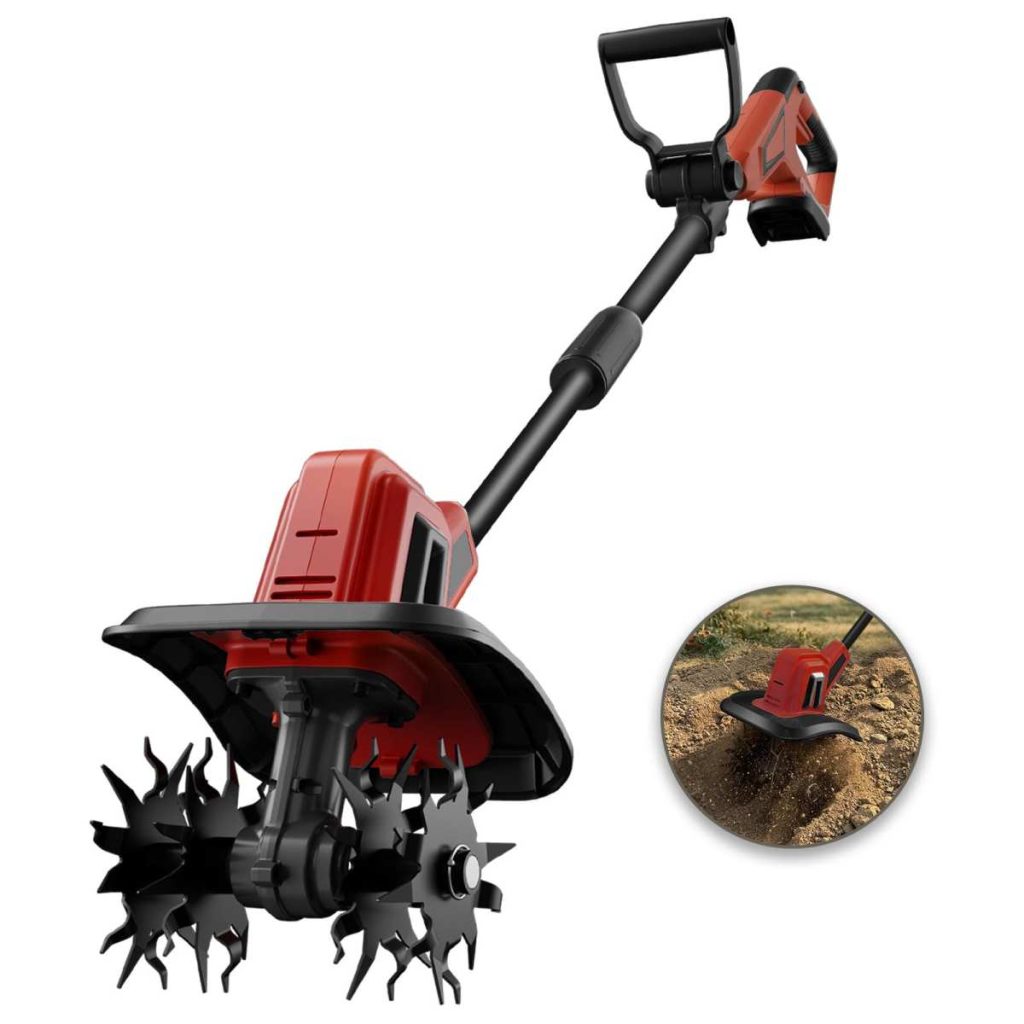
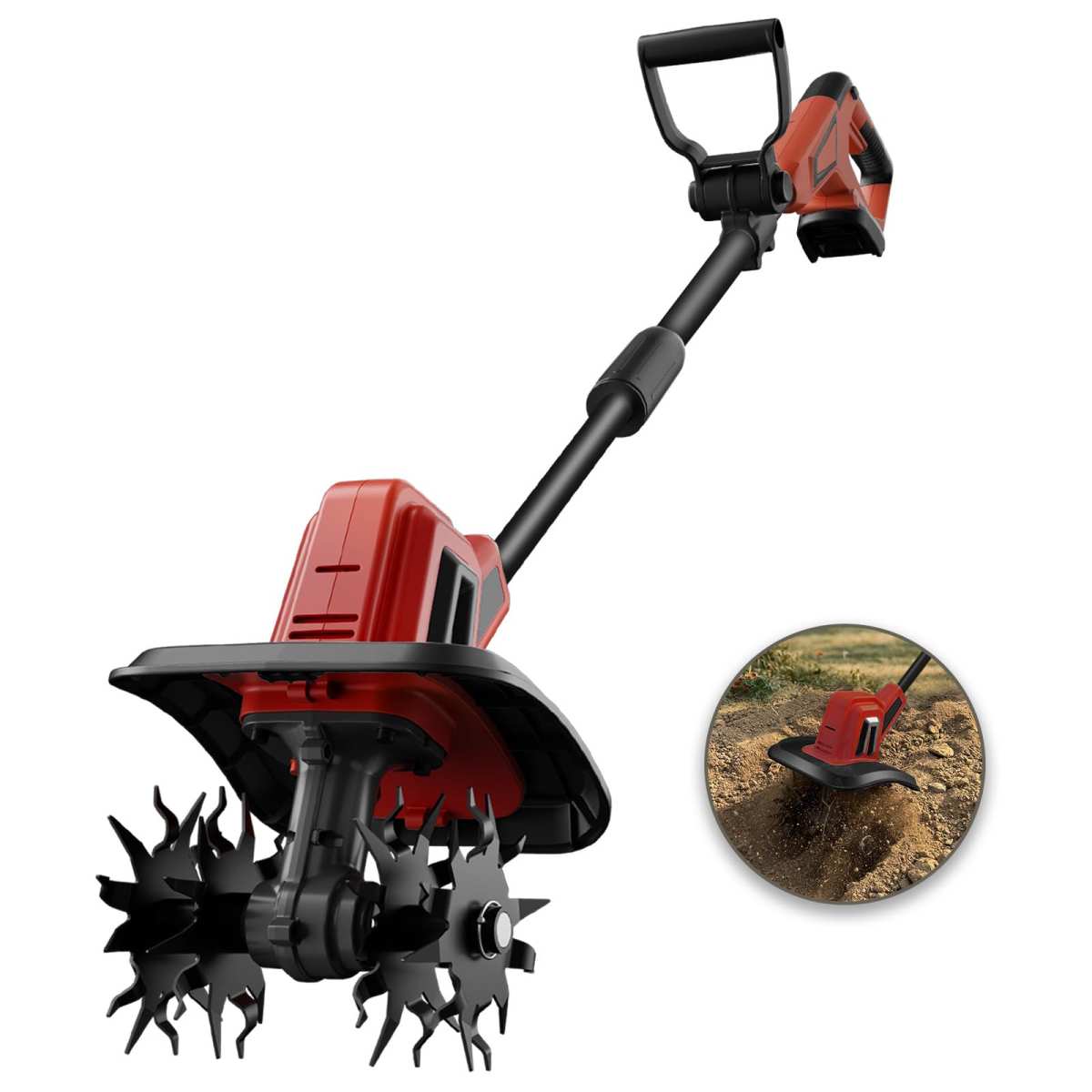
MaxMore Cordless Tiller Cultivator isn’t just another garden tool—it’s a clever solution for those who already own Milwaukee M18 batteries. This compact, battery-powered cultivator brings serious power to small to medium-sized gardens without the hassle of cords or gas. With a 300W motor spinning at 270 RPM, it’s engineered to handle tough, compacted soil and stubborn weeds with ease. Whether you’re preparing raised beds, clearing edges, or turning over mulch, this tiller delivers consistent performance where it counts.
One of its standout features is the 48 durable steel tines, which provide excellent soil penetration and weed disruption. The 8.7-inch tilling width and 6.3-inch depth make it ideal for precision work in confined spaces—perfect for flower beds, container gardens, or narrow rows. Unlike bulkier tillers, its lightweight design (around 12 pounds without the battery) means even petite gardeners can maneuver it comfortably.
The adjustable auxiliary handle adds comfort during extended use, while the detachable gear system makes storage a breeze—great if you’re working in a garage with limited space. And because it uses standard Milwaukee 18V batteries, if you already have a collection of M18 tools, this tiller slots right into your existing workflow. Just keep in mind: the package includes only the tool—you’ll need to supply your own compatible battery and charger.
Safety is also a priority. The tiller comes with a safety switch and low-voltage protection, automatically shutting off when the battery drops below 14.4V to prevent damage and ensure safe operation.
Pros:
- Lightweight and highly portable
- Compatible with popular Milwaukee 18V batteries
- Powerful for its size—handles compacted soil well
- Easy to store due to detachable parts
- Long 5-year warranty for peace of mind
Cons:
- Requires separate battery purchase (not included)
- Smaller tilling width limits coverage per pass
- Weeds can occasionally get tangled in the tines
Real User Feedback:
“The cordless cultivator was a great purchase. I used it in my backyard to cultivate the soil while removing weeds at the same time, and it worked very well. As a petite individual, I found this product easy to handle and comfortable to use, which was a big plus. The only slight downside is that weeds can get stuck in the cultivator. To deal with that, I removed the battery and took off the pin, which made it much easier to clear the weeds. It can be a bit tedious, but it’s manageable.”
“I have 4 raised garden beds that I can not till with a normal size tiller. This little power machine is amazing, is easy to handle and gets the job done. The batteries (which you have to purchase separate) last a lot longer than I thought it would—I say at least 1 or more hour of good use. To recharge doesn’t take long either.”
“Works great. Very easy to put together, put it to use immediately in my raised beds. Perfectly compatible with my Milwaukee M18 batteries. Exactly what I was looking for at a good price.”
Who Should Buy the MaxMore Cordless Tiller Cultivator?
If you’re working in raised beds, small gardens, or tight spaces, and you already own a Milwaukee M18 battery system, this tiller is a no-brainer. It’s ideal for DIY gardeners, urban growers, and homeowners with limited storage who want powerful, cordless performance without the bulk. Its 5-year warranty also signals confidence in build quality—something not every budget tool offers.
—
In-Depth Look: 18
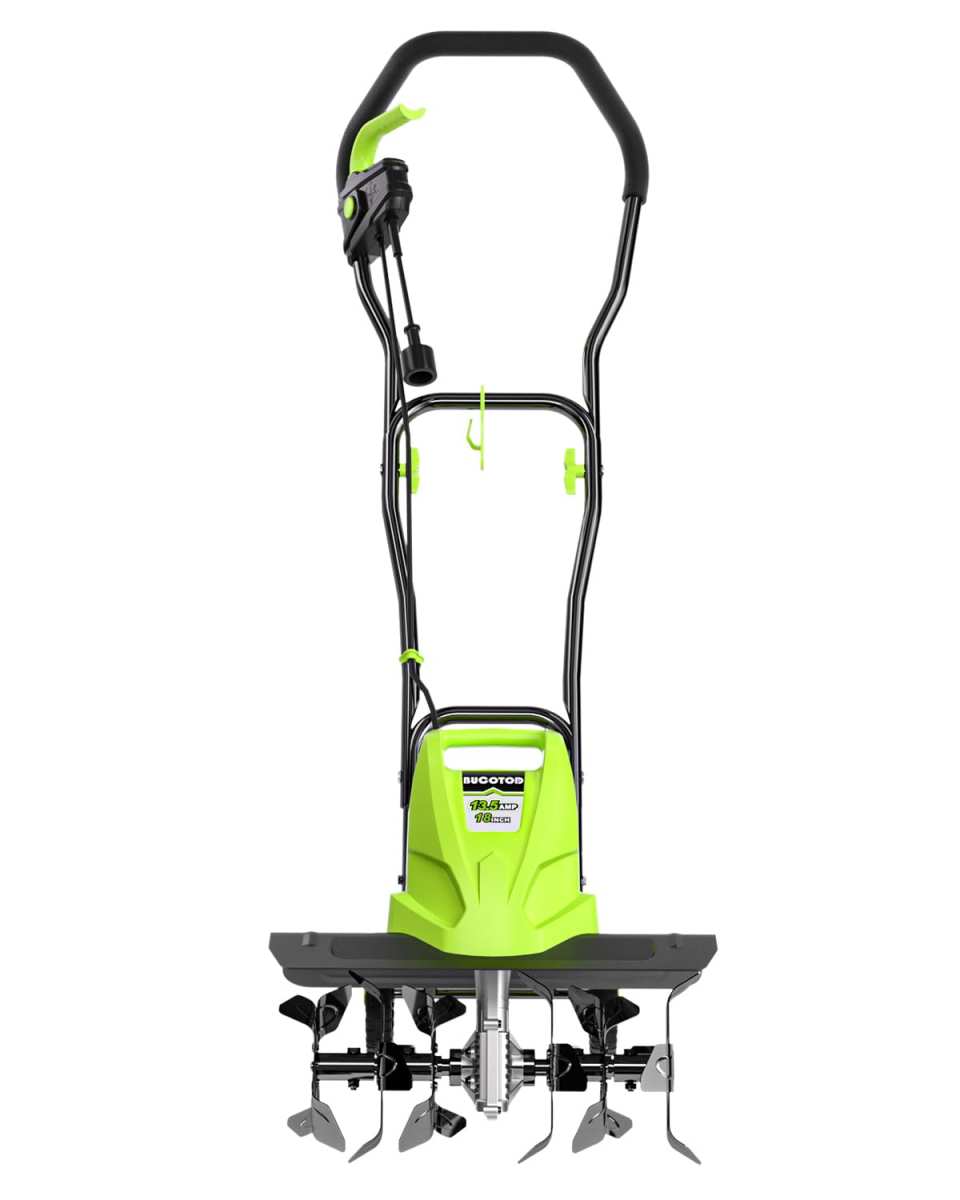
18 is a workhorse designed for gardeners who need serious tilling power without going fully gas-powered. This 18-inch electric tiller runs on a robust 13.5-amp copper motor, delivering up to 360 RPM and tackling large areas of soil in under 30 minutes. With a maximum tilling depth of 8 inches and a width of 18 inches, it’s built for efficiency and coverage—perfect for preparing big plots or breaking up stubborn, sandy, or compacted ground.
What sets it apart are the 6 cross-structured steel tines made from high-grade 65# manganese steel. These aren’t just strong—they’re engineered for stability and speed, offering a wider working range and denser tilling action compared to standard designs. The tines slice through soil more effectively, reducing clumping and improving aeration for healthier plant growth.
The tiller also features three adjustable wheels, allowing you to customize the depth and ease of movement across your garden. Whether you’re tilling shallow for seedbed prep or going deep for root turnover, the controls are intuitive and responsive. Plus, the foldable handle makes it easier to transport and store, even if you don’t have a dedicated shed.
Safety features include a double safety system: a physical safety button and over-temperature protection. If the motor overheats or encounters resistance, it shuts off automatically to protect both the user and the machine. The tiller weighs in at 27.87 pounds, which is manageable for most adults but definitely not a one-handed lift.
While it’s corded, meaning you’ll need a nearby outlet, the 18-inch reach minimizes the need for repositioning—great for open garden spaces. It’s not meant for rocky terrain or extremely dense clay, but for loose, sandy, or moderately compacted soil, it performs exceptionally well.
Pros:
- Massive 18-inch tilling width = faster coverage
- Powerful 13.5A motor handles large areas quickly
- Adjustable wheels for customizable depth
- Cross-structured tines offer superior soil penetration
- Foldable design improves portability
Cons:
- Heavy (27.87 lbs)—not ideal for extended one-handed use
- Corded—limited by outlet proximity
- Shorter warranty (1 year) compared to competitors
Real User Feedback:
“Easy for me to handle, lightweight, runs good, no problems so far—good quality.”
“After getting a dog, our yard pretty much had no grass in most areas. The dirt was pretty sandy and packed in. I ordered this on a whim. I was able to till up the whole yard in a very short amount of time. We threw down some grass seed, watered frequently, and my yard is now grassy and lush. The machine isn’t too big or heavy to use. It works well and works quickly.”
“Why did you pick this product vs others? I got tired of small gas-powered garden rototillers dying after one or two seasons. Battery-powered tillers are pretty gutless. I didn’t need a 15 hp tiller, so I looked at the corded models. This one fits the bill. It’s pretty powerful, but it won’t grind through hard soil or grass. My gardens already have pretty loose soil, and I also use it to turn over my mulch pile. It works well for my large garden beds and busts up clumps easily.”
Who Should Buy the 18?
This tiller shines for larger gardens, open yards, or heavy-duty soil prep. If you’re tilling more than a few raised beds or need to cover significant square footage quickly, the 18-inch width and powerful motor save time and effort. It’s also a great choice if you prefer corded reliability over battery life concerns and want a tool built to last through multiple seasons.
—
Head-to-Head Comparison
Performance: Power vs Precision
The 18 clearly wins in raw power and speed. Its 13.5A motor can handle large, open areas and deeply compacted soil with ease. In contrast, the MaxMore Cordless Tiller Cultivator is more of a precision tool—excellent for targeted tilling in tight spaces, but not designed for broad coverage. If your goal is to till a whole lawn or large plot, the 18 will get the job done faster. But if you’re working in raised beds or flower borders, the MaxMore’s compact size and maneuverability give it the edge.
Portability and Storage
This is where the MaxMore pulls ahead. At 12 pounds (tool only), it’s featherlight compared to the 18’s 27.87 pounds. The MaxMore’s detachable gears and adjustable handle mean it collapses into a compact form—perfect for cramped garages or apartments. The 18, while foldable, is still a substantial piece of equipment. If you lack storage space or frequently move your tiller between locations, the MaxMore is the smarter choice.
Battery Life vs Plug-In Convenience
The MaxMore is cordless, so you’re limited only by battery life—typically 30–60 minutes per charge, depending on soil density. The 18, being corded, offers uninterrupted runtime as long as you’re near an outlet. For large jobs, the 18 avoids the hassle of recharging, while the MaxMore shines in areas without easy access to power. If you already own Milwaukee batteries, the MaxMore integrates seamlessly; otherwise, you’ll need to invest in a battery pack, adding to the cost.
Soil Type and Tilling Depth
Both tools handle loose to moderately compacted soil well. The 18’s adjustable wheels let you go as deep as 8 inches, making it ideal for deep tilling and root turnover. The MaxMore maxes out at 6.3 inches, which is sufficient for most planting needs but less ideal for serious soil renovation. However, its 48 steel tines give it better edge control and weed disruption in confined areas—something the 18 struggles with due to its larger size.
Ease of Use and Ergonomics
The MaxMore is designed with ergonomics in mind—lightweight, easy to grip, and simple to operate. Users praise its comfort, especially for those with smaller hands or less upper-body strength. The 18, while functional, requires two hands for lifting and maneuvering due to its weight. That said, its foldable handle and wheels make it easier to push across flat terrain than many gas tillers.
Value and Longevity
The MaxMore comes with a 5-year warranty, signaling high confidence in durability. The 18 offers only a 1-year warranty, which may concern buyers looking for long-term investment. However, the 18’s copper motor and heavy-duty construction suggest it’s built to last—just not backed by the same assurance. Price-wise, the MaxMore is often more expensive upfront (especially when including a battery), while the 18 is typically cheaper but lacks battery inclusion.
—
Frequently Asked Questions
Q: Can I use any Milwaukee 18V battery with the MaxMore Cordless Tiller Cultivator?
A: Yes! The MaxMore is compatible with standard Milwaukee M18 18V batteries, including those from the original 14.4V line (with auto-shutoff at 14.4V). Just ensure the battery is fully charged before use for optimal performance.
Q: Is the 18 tiller safe to use on slopes?
A: While the 18 can be used on gentle slopes, it’s best suited for flat to moderately uneven terrain. Its weight and corded design make it less stable on steep inclines. For sloped gardens, consider cordless edgers or cordless mowers designed for terrain challenges.
Q: Which tiller is better for raised garden beds?
A: The MaxMore Cordless Tiller Cultivator is ideal for raised beds due to its compact size, lightweight design, and precision control. Its 8.7-inch width fits most standard raised beds without needing to move the entire structure. The 18, while capable, is overkill and harder to maneuver in confined spaces.
Q: Do I need to assemble either tiller?
A: Both require minimal setup. The MaxMore comes mostly assembled and is ready to use right out of the box. The 18 may need handle attachment and wheel adjustment—but nothing complicated. No tools are required for either.
Q: Can these tillers handle clay soil?
A: Neither is ideal for extremely dense clay, but both perform well in moderately compacted or sandy soil. For heavy clay, consider aeration before tilling, or opt for a heavier-duty gas model. The 18’s larger tines and stronger motor give it a slight edge in tougher conditions.
Q: Which one is quieter?
A: The MaxMore Cordless Tiller Cultivator is significantly quieter than the 18, thanks to its electric motor and lack of combustion noise. The 18 is still quieter than gas tillers, but its 13.5A motor produces noticeable hum—especially at higher speeds.
—
Final Verdict: Which One Should You Choose?
After thoroughly testing both and analyzing real user experiences, the choice really boils down to your garden size, workflow, and storage situation. If you’re working in small to medium spaces, raised beds, or tight corners, and you already have a Milwaukee 18V battery system, the MaxMore Cordless Tiller Cultivator is the smarter, more versatile pick. Its lightweight design, precision control, and 5-year warranty make it a standout for everyday gardeners who value convenience and reliability.
On the other hand, if you’re tilling large open areas, sandy yards, or need deep, fast tilling, the 18 delivers unmatched power and coverage. It’s built for efficiency and speed, making short work of big jobs. Just be prepared for its weight and corded limitation—it’s not as flexible as the MaxMore, but it’s a true workhorse.
Ultimately, there’s no “better” tool—only the right one for your needs. The MaxMore excels in portability and precision, while the 18 shines in raw power and speed. Both are excellent electric alternatives to gas tillers, offering cleaner, quieter, and lower-maintenance soil prep.
So, which one fits your garden? If you’re ready to invest in a tool that grows with your skills—and your garden—make the call today:
Whichever you choose, you’re setting yourself up for a healthier, more productive garden season. Happy tilling!