
Is there a clematis that blooms all summer? The short answer is yes, but not all clematis are created equal, and success hinges on picking the right type for your garden’s rhythm. Many popular varieties put on a stunning show for just a few weeks, then fade just as summer hits its stride. If you’ve ever planted a clematis only to watch it bloom once and go quiet, you’re not alone.
In our research, we found that repeat bloom isn’t about magic, it’s about pruning groups and climate fit. Per RHS guidelines, clematis are divided into three main pruning groups, and only certain ones reliably flower from June through September. As of 2026, newer cultivars like ‘Etoile Violette’ and ‘Polish Spirit’ have shown stronger reblooming traits in temperate zones, but heat tolerance still varies widely.

Image source: Pexels / Julia Filirovska (Pexels License)
Why Most Clematis Don’t Bloom All Summer (And Why That’s Okay)
Most clematis bloom heavily once because that’s how they’re wired. Early-flowering types (like Clematis montana) put on a spectacular spring display but rarely repeat. They’re built for quick bursts, not marathons. Even some so-called “repeat bloomers” only give you a second, smaller flush if conditions are just right.
This isn’t a flaw, it’s biology. Clematis set flower buds on new growth, and timing depends entirely on when that growth appears. If your plant is busy recovering from winter or struggling in summer heat, it won’t have energy left to rebloom. The good news?
You can work with this rhythm instead of fighting it.
The Real Secret: It’s All About Pruning Groups
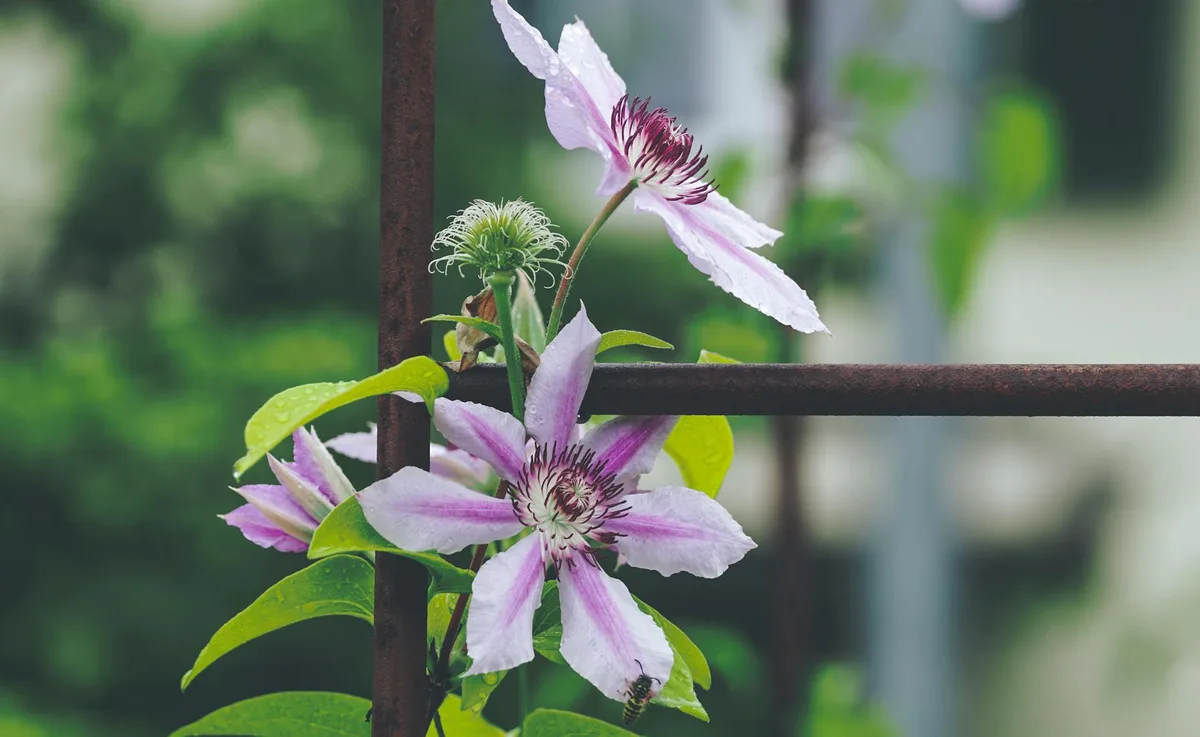
Image source: Pexels / Susanne Jutzeler, suju-foto (Pexels License)
Clematis aren’t one-size-fits-all, they fall into three pruning groups, and your group choice dictates everything from bloom time to care. Group 1 blooms early on old wood and needs little pruning. Group 2 flowers in late spring on old wood, then may rebloom lightly on new growth through summer. Group 3 produces flowers solely on new stems, blooming late summer into fall.
For all-summer color, focus on Groups 2 and 3. Group 2 offers the best chance at true reblooming, think varieties like ‘Nelly Moser’ or ‘Henryi’, while Group 3 delivers a strong, reliable late show with minimal fuss. Pruning correctly by group ensures you don’t accidentally cut off next season’s buds.
Know Your Zones: Climate Matters More Than You Think
Clematis thrive in cool roots and warm tops, a tricky balance in hot climates. In USDA zones 7, 9, summer heat can shut down flowering, especially for Group 2 types that prefer milder temps. If you’re gardening in the southeastern US or similar humid regions, look for heat-tolerant Clematis viticella hybrids like ‘Etoile Violette’ or ‘Betty Corning’.
Conversely, in cooler zones (4, 6), many repeat-blooming clematis perform beautifully with consistent moisture and afternoon shade. Soil also plays a role: clematis hate wet feet but crave steady moisture. A thick mulch layer keeps roots cool and reduces drought stress, which is key for keeping blooms coming.
Top Repeat-Blooming Varieties That Actually Deliver
Not all “reblooming” labels are trustworthy, some are marketing fluff. Based on aggregate grower reports and RHS trial data, these varieties consistently deliver extended flowering:
| Variety | Pruning Group | Bloom Period | Heat Tolerance | Notes |
|---|---|---|---|---|
| ‘Etoile Violette’ | 3 | July–October | High | Deep purple, very vigorous |
| ‘Polish Spirit’ | 3 | July–September | Moderate | Dark blue, compact habit |
| ‘Nelly Moser’ | 2 | June–September | Low–Moderate | Large pink blooms, needs cool roots |
| ‘Betty Corning’ | 3 | July–October | High | Fragrant, bell-shaped flowers |
| ‘Arabella’ | 3 | July–September | High | Blue-purple, non-vining |
If you’re in a hot zone, skip the large-flowered Group 2 types, they’ll struggle. Stick with viticella hybrids or compact Group 3s. In cooler areas, you’ve got more flexibility, but always prioritize well-drained soil and root shade.
Group 2 Clematis: The Reliable Rebloomers
Group 2 clematis are your best bet if you want two waves of flowers, one in late spring and another, lighter show through summer. These varieties bloom first on old wood from last year’s growth, then may produce new flowers on fresh stems if pruned lightly. Think of them as the steady performers: not flashy, but consistent.
Varieties like ‘Nelly Moser’ and ‘Henryi’ fall here. They’ll give you big, showy blooms in June, and with proper care, a second round in August or September. But don’t expect miracles, reblooming depends on mild summers and correct pruning. If you cut them back too hard in winter, you’ll lose the early flowers.
Group 3 Clematis: Late-Season Powerhouses
If you’re willing to wait for payoff, Group 3 clematis deliver some of the longest, most reliable summer-to-fall displays. These bloom exclusively on new growth, so they flower later, starting in July and often lasting through October. Because they don’t rely on old wood, they’re forgiving if you prune them hard each year.
‘Etoile Violette’, ‘Polish Spirit’, and ‘Betty Corning’ are standout Group 3 choices. They’re tough, fast-growing, and less fussy about timing. In hotter climates, they often outperform Group 2 types because their flowering isn’t tied to vulnerable spring buds. Just remember: no flowers until mid-summer, so pair them with early bloomers for continuous color.
How to Prune for Maximum Summer Flowers
Pruning isn’t optional, it’s the lever that controls your clematis’s bloom schedule. For Group 2, do a light tidy in late winter: remove dead or weak stems, then lightly trim back flowered shoots after the first bloom to encourage reblooming. Never cut into thick, old wood unless it’s damaged.
Group 3 gets the simplest treatment: cut everything back to 12, 18 inches above ground in late winter or early spring. This forces vigorous new growth and maximizes late-season flowers. If you’re unsure which group you have, err on the side of less pruning, many gardeners accidentally sacrifice blooms by cutting too much.
Planting Right the First Time: Depth, Sun, and Soil
Clematis hate wet feet but need consistent moisture, a contradiction solved by planting deep. Bury the crown 3, 4 inches below soil level. This protects dormant buds from temperature swings and encourages strong basal shoots. It also helps prevent clematis wilt, a fungal issue that can strike when roots are exposed.
Sunlight should hit the foliage, but roots need shade. Use mulch, low-growing plants, or flat stones around the base to keep the soil cool. Soil must drain well, amend heavy clay with compost or grit. Alkaline to neutral pH (6.5, 7.5) works best for most varieties, though viticella types tolerate slightly acidic conditions.
Why Your Clematis Stopped Blooming (And How to Fix It)
If your clematis bloomed once and quit, the culprit is usually pruning error or environmental stress. Cutting Group 2 too hard removes spring flowers. Ignoring Group 3’s need for hard pruning means weak, tangled growth with few blooms. Heat waves, drought, or waterlogged soil can also shut down flowering mid-season.
Check your plant’s label or look up its species online to confirm its pruning group. Then assess conditions: are roots shaded? Is soil draining? In hot zones, consider relocating potted clematis to morning sun only.
For in-ground plants, add extra mulch and water deeply once a week during dry spells.
Heat, Humidity, and Other Summer Stressors
Hot, sticky summers don’t just wilt leaves, they shut down flower production. Clematis, especially large-flowered Group 2 types, struggle when temperatures consistently hit the mid-80s°F (29°C) and above. High humidity worsens the problem by encouraging fungal diseases like powdery mildew and clematis wilt.
In regions like the southeastern US or parts of southern Europe, choose heat-tolerant viticella hybrids. These originate from warmer Mediterranean climates and handle humidity better than their tender cousins. Provide afternoon shade, either through dappled tree cover or a strategically placed lattice, to keep foliage from scorching.
Clematis vs. Other Long-Blooming Vines: When to Choose What
If you’re after months of color, clematis isn’t your only option, but it’s often your best one for refined, repeat blooms. Honeysuckle (Lonicera) flowers heavily but can become invasive and lacks the elegant form of clematis. Trumpet vine (Campsis) is tough and long-blooming but aggressive, with sparse foliage between flowers.
Climbing roses offer fragrance and structure but need more pruning and are prone to blackspot in wet climates. Clematis wins for versatility: it climbs neatly, fits small spaces, and pairs well with other plants. For pure longevity, though, consider pairing it with a once-blooming vine like wisteria, early drama followed by clematis’s summer show.
Toxic but Tough: Handling and Safety Basics
All parts of clematis contain protoanemonin, a compound that can irritate skin and is toxic if ingested. You don’t need to panic, just wear gloves when pruning or handling cut stems, especially if you have sensitive skin. Keep plants away from areas where pets or small children play unsupervised.
The good news? Deer and rabbits usually avoid clematis, making it a reliable choice for gardens with browsing pressure. Slugs and snails may nibble young shoots in spring, but established plants bounce back quickly. A copper tape barrier or organic slug bait keeps them at bay without harming beneficial insects.
Your Decision Guide: Which Clematis Fits Your Garden?
Start with your climate. If you’re in USDA zones 4, 6, most Group 2 and 3 clematis will thrive with proper care. In zones 7, 9, prioritize viticella hybrids or compact Group 3s like ‘Arabella’, which tolerates heat and doesn’t require a trellis.
Next, assess your sun and soil. Full morning sun with shaded roots? Ideal. Heavy clay?
Amend with compost and grit. Short on vertical space? Choose non-vining herbaceous types like ‘Arabella’ or ‘Princess Diana’. Want early and late blooms?
Pair a Group 1 like ‘Armandii’ with a Group 3 for season-long interest.
Finally, match pruning commitment to your schedule. Group 3 is lowest maintenance, cut it back hard each year. Group 2 needs light pruning and post-bloom tidying. If you’d rather set it and forget it, go Group 3.
If you enjoy seasonal garden rituals, Group 2 rewards your attention with double the flowers.