In this guide, you’ll learn when to sow Bermuda grass seed for optimal growth. We’ll cover ideal planting times, preparation steps, and tips to ensure your lawn thrives. Whether you’re planting a new lawn or patching an existing one, timing is key to success.
When to Sow Bermuda Grass Seed
Growing a lush, green Bermuda grass lawn starts with timing. Knowing the best time to sow Bermuda grass seed can make all the difference between a thriving lawn and a patchy, struggling one. In this guide, we’ll walk you through the ideal planting times, how to prepare your soil, and tips to ensure your Bermuda grass seeds germinate and grow strong. Whether you’re starting from scratch or overseeding an existing lawn, understanding the right timing is essential for success.
Key Takeaways
- Optimal planting season: Late spring to early summer when soil temperatures are warm.
- Soil temperature importance: Bermuda grass seeds germinate best when soil is between 65°F and 70°F.
- Timing considerations: Avoid sowing during cold or excessively hot periods to ensure healthy growth.
- Preparation tips: Clear debris, loosen soil, and incorporate fertilizer before sowing.
- Watering habits: Keep soil consistently moist during germination for successful sprouting.
- Troubleshooting: Learn how to handle poor germination or weed issues after sowing.
Understanding Bermuda Grass Growth Cycle
Bermuda grass is a warm-season grass native to tropical regions. It grows actively during warm months and goes dormant when temperatures drop. To get the best results, you need to align your planting schedule with its growth cycle. Typically, Bermuda grass seeds germinate and establish best when soil temperatures are warm and the weather is stable.
When Is the Best Time to Sow Bermuda Grass Seed?
1. Ideal Seasons for Sowing
The best time to sow Bermuda grass seed is late spring through early summer. In most regions, this period ranges from late April to early July. During this window, soil temperatures are warm enough to promote germination, and the weather is suitable for seedling growth.

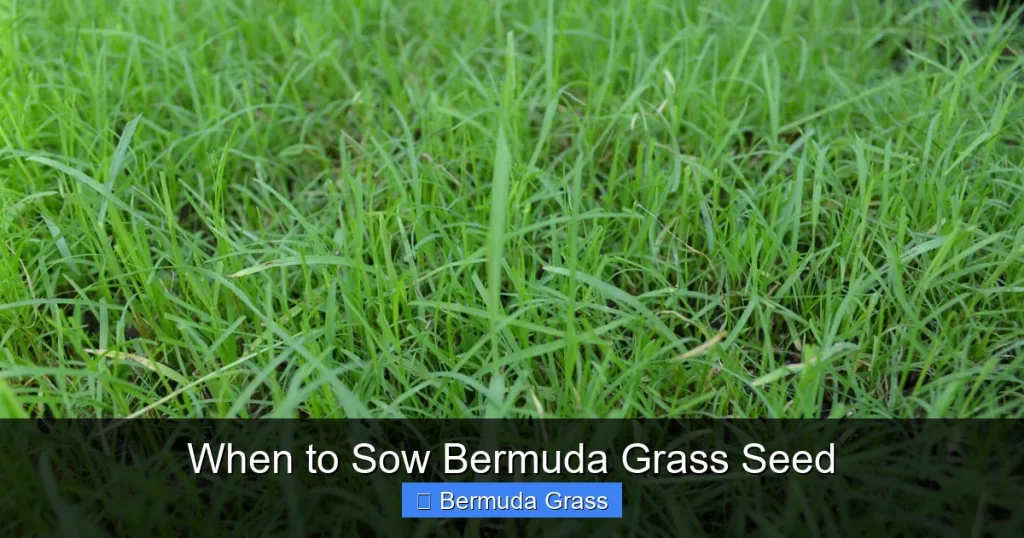
Visual guide about When to Sow Bermuda Grass Seed
Image source: lawncarepro.co.uk
2. Why Timing Matters
Sowing too early, when soil and air temperatures are still cold, can delay germination or cause seed failure. Conversely, planting during late summer or early fall may expose young grass to early frosts or less favorable growing conditions. Proper timing ensures a strong start and reduces maintenance later.
Understanding Soil Temperature and Its Role
1. Ideal Soil Temperature Range
Bermuda grass seed germinates best when soil temperatures are between 65°F and 70°F. You can measure soil temperature with a soil thermometer to determine the right planting window.
2. How to Check Soil Temperature
- Insert a soil thermometer about 2 inches deep in the area you plan to seed.
- Check the temperature regularly over a few days.
- Wait until the temperature stabilizes within the ideal range before sowing.
Preparing Your Lawn for Seeding
1. Clear the Area
Remove any weeds, rocks, and debris. Clear the surface to create a smooth, clean seedbed.
2. Loosen the Soil
Use a rake or tiller to loosen the top 1-2 inches of soil. This improves seed-to-soil contact, which is vital for germination.
3. Amend and Fertilize
Incorporate a starter fertilizer high in phosphorus to promote root growth. Check your soil pH; Bermuda grass prefers a pH between 6.0 and 7.0.
Seeding Bermuda Grass
1. Choosing the Right Seed
Select high-quality Bermuda grass seed suited for your climate and lawn use. Certified seeds ensure purity and viability.
2. How to Sow
- Spread the seed evenly using a seed spreader for uniform coverage.
- Follow the recommended seeding rate, usually around 1 to 2 pounds per 1000 square feet.
3. Covering the Seeds
Lightly rake the area to cover seeds with a thin layer of soil or mulch. This protects seeds from birds and helps retain moisture.
Watering and Care Post-Seeding
1. Keep Soil Moist
Maintain consistent moisture in the soil. Water lightly several times daily until seeds germinate, typically within 7-14 days.
2. Reduce Watering Gradually
Once grass sprouts and establishes, reduce frequency but increase depth of watering to encourage deep roots.
3. Avoid Overwatering
Too much water can cause seed rot or fungal issues. Ensure proper drainage and avoid standing water.
Additional Tips for Successful Bermuda Grass Seeding
- Timing consistency: Plan your seeding around warm, stable weather forecasts.
- Overseeding: If patching an existing lawn, timing is similar but ensure the soil is prepared properly.
- Protection: Use straw or mulch to protect seeds from birds and help retain moisture.
- Patience: Germination takes time; avoid walking on the newly seeded area until grass is established.
Troubleshooting Common Problems
1. Poor Germination
If seeds don’t sprout, check soil temperature, moisture levels, and seed quality. Reseed if necessary, ensuring conditions are optimal.
2. Weed Competition
Weeds can compete with seedlings. Use pre-emergent herbicides cautiously and hand-pull weeds as they appear.
3. Excessive Thatch or Soil Compaction
Address these issues by aerating your lawn before reseeding.
Conclusion
Timing your Bermuda grass seed sowing correctly is crucial for a lush, healthy lawn. The best window is late spring to early summer when soil temperatures are warm and weather conditions are stable. Proper preparation, watering, and patience will reward you with a vibrant, resilient Bermuda grass lawn that lasts for years.
Remember:
- Sow when soil temp is between 65°F and 70°F.
- Prepare your soil thoroughly before planting.
- Keep soil moist until seeds germinate.
- Be patient and consistent with care.