
Planning to grow Bermuda grass? Timing is key. This guide explains when to spread Bermuda grass seed for the best results, including seasonal tips and expert advice. Get your lawn flourishing with the right planting schedule.
Key Takeaways
- Spring is ideal: The best time to spread Bermuda grass seed is late spring when soil temperatures warm up.
- Warm soil temperatures: Bermuda grass germinates best when soil is between 65-70°F (18-21°C).
- Avoid cold seasons: Do not seed during winter or when temperatures are consistently below 50°F (10°C).
- Prepare the soil: Proper soil prep enhances seed-to-soil contact and improves germination rates.
- Consistent watering: Keep soil moist after seeding for quick and even germination.
- Monitor weather: Avoid seeding before heavy rains or during drought conditions.
- Follow regional guidelines: Adjust timing based on your local climate zone for best results.
Introduction
If you want a lush, green Bermuda grass lawn, knowing when to spread Bermuda grass seed is crucial. Timing influences germination, growth, and the overall health of your turf. Whether you’re overseeding an existing lawn or starting from scratch, this guide will help you determine the perfect planting window and give you practical tips for success.
In this article, you’ll learn about the ideal seasons, soil conditions, and weather patterns to maximize Bermuda grass seed germination. Plus, we’ll share step-by-step instructions, troubleshooting tips, and expert advice so you can enjoy a vibrant lawn all year round.
Understanding Bermuda Grass Growth Cycle
Bermuda grass is a warm-season grass that thrives in hot climates. Its growth cycle is closely tied to soil and air temperatures. Typically, it enters active growth when soil temperatures reach around 65°F (18°C) and continues until temperatures become too hot or cold.
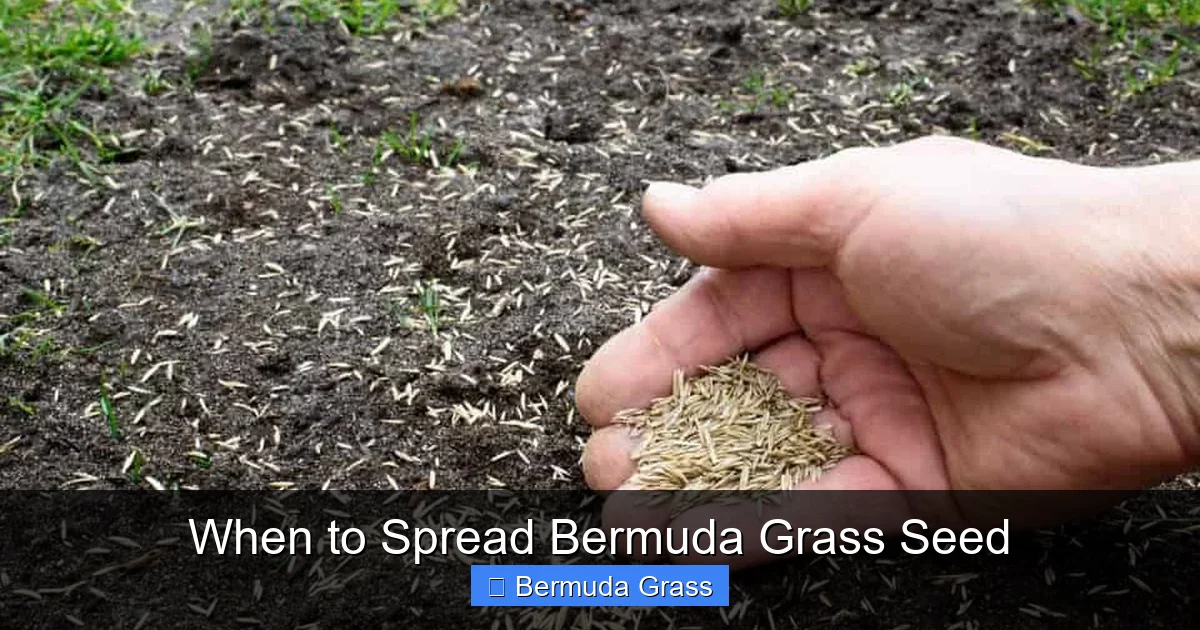
Visual guide about When to Spread Bermuda Grass Seed
Image source: gardentabs.com
Knowing this cycle helps you plan when to spread seed to ensure optimal germination and establishment. Planting at the right time means the grass has enough warmth and moisture to grow strong roots and spread quickly.
When to Spread Bermuda Grass Seed: The Best Seasons
Spring: The Prime Time
The best time to spread Bermuda grass seed is late spring, usually between April and June, depending on your region. During this period, soil temperatures are rising, providing a warm environment for seed germination.
Why spring? Because the soil warms up consistently, and the risk of frost has usually passed. This allows Bermuda grass to establish before the hot summer months, giving it time to develop strong roots.
Tip: Use a soil thermometer to ensure temperatures are consistently between 65-70°F (18-21°C) before seeding.
Summer: Possible but Cautious
In some regions, early summer can also be suitable, especially if you’re in a warm climate. However, be mindful of extreme heat waves, which can stress young seedlings.
Tip: Water regularly and avoid seeding during the hottest parts of summer to prevent seed washout or drought stress.
Fall and Winter: Not Recommended
Seeding in fall or winter is generally not advised. Cooler temperatures inhibit germination, and the young grass may not establish well before cold weather halts growth.
Exception: In warmer climates, late fall might still be workable if soil temperatures remain above 65°F. Check your regional climate before planning fall seeding.
How to Prepare for Seeding
Step 1: Soil Testing
Start with a soil test to determine pH, nutrient levels, and soil composition. Bermuda grass prefers a pH of 6.0 to 7.0.
Step 2: Soil Preparation
Remove weeds, rocks, and debris. Loosen the soil to a depth of 4-6 inches using a tiller or garden fork. Incorporate compost or fertilizer if needed based on soil test results.
Step 3: Level and Rake
Level the soil surface and rake lightly to create a smooth, even seedbed. This helps improve seed-to-soil contact, which is essential for germination.
Seeding Process
Step 1: Choose Quality Seed
Select fresh, high-quality Bermuda grass seed suited to your climate zone. Look for certified seed to ensure purity and germination rates.
Step 2: Spread the Seed
Use a seed spreader for even distribution. For smaller areas, hand-spreading is fine. Follow recommended seeding rates—typically 1 to 2 pounds per 1000 square feet.
Step 3: Cover the Seed
Lightly rake or roll the area to cover the seed with a thin layer of soil or compost. This improves seed contact and protects against birds and wind.
Post-Seeding Care
Watering
Keep the soil consistently moist, about 1 inch of water per week, until the seed germinates and seedlings establish. Water lightly and frequently, especially in hot weather.
Maintenance
Avoid heavy foot traffic on new seedings. Mow when the grass reaches about 2 inches tall, cutting no more than one-third of the height at a time.
Fertilizing
Apply a balanced fertilizer after germination to promote healthy growth. Follow recommendations based on your soil test results.
Troubleshooting Common Issues
- Poor germination: Check soil temperature, moisture, and seed quality. Reseed if necessary.
- Weed invasion: Keep the area weed-free during germination. Use mulch or pre-emergent weed control if appropriate.
- Seed washout: Avoid seeding before heavy rains. Use straw mulch to hold seeds in place.
- Slow growth: Ensure proper fertilization and watering. Adjust based on weather conditions.
Conclusion
Timing your Bermuda grass seed planting is essential for a healthy, lush lawn. The best time to spread Bermuda grass seed is late spring when soil is warm and conditions are ideal for germination. Proper soil preparation, seed selection, and care will help you establish a vibrant green turf that thrives through the seasons.
Remember, patience and consistent maintenance are key. With the right timing and care, you’ll enjoy a beautiful Bermuda grass lawn that enhances your outdoor space for years to come.