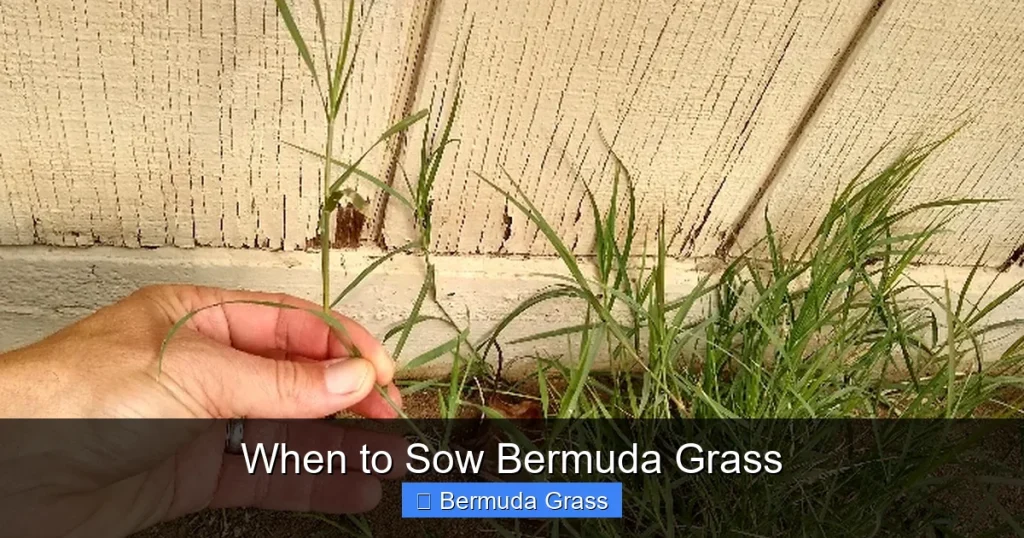
In this guide, you’ll learn when to sow Bermuda grass for optimal growth and health. From timing based on climate to preparation tips, get all the expert advice to establish a vibrant lawn successfully.
Key Takeaways
- Timing is crucial: Sow Bermuda grass during the warm months when soil temperatures are ideal for germination.
- Best season: Late spring to early summer is typically the best time to seed Bermuda grass in most regions.
- Soil temperature: Maintain soil temperatures between 65°F and 75°F for successful germination.
- Preparation matters: Proper soil preparation and seed selection improve germination rates and lawn health.
- Climate considerations: Adjust sowing times based on your local climate and frost dates for best results.
- Post-sowing care: Water consistently and avoid heavy traffic until the grass is established.
Introduction
If you’re eager to grow a lush, green Bermuda grass lawn, timing your sowing is key. Knowing when to sow Bermuda grass can make the difference between a patchy, struggling yard and a vibrant, healthy landscape. In this guide, we’ll walk you through the ideal timing, preparation tips, and expert advice to help you establish a beautiful Bermuda grass lawn that thrives in your climate.
Understanding Bermuda Grass and Its Growing Needs
Bermuda grass is a warm-season turfgrass loved for its durability and heat tolerance. It thrives in hot climates and is widely used in lawns, sports fields, and golf courses. To succeed, you need to plant it at the right time when soil and air temperatures are conducive to germination and growth.
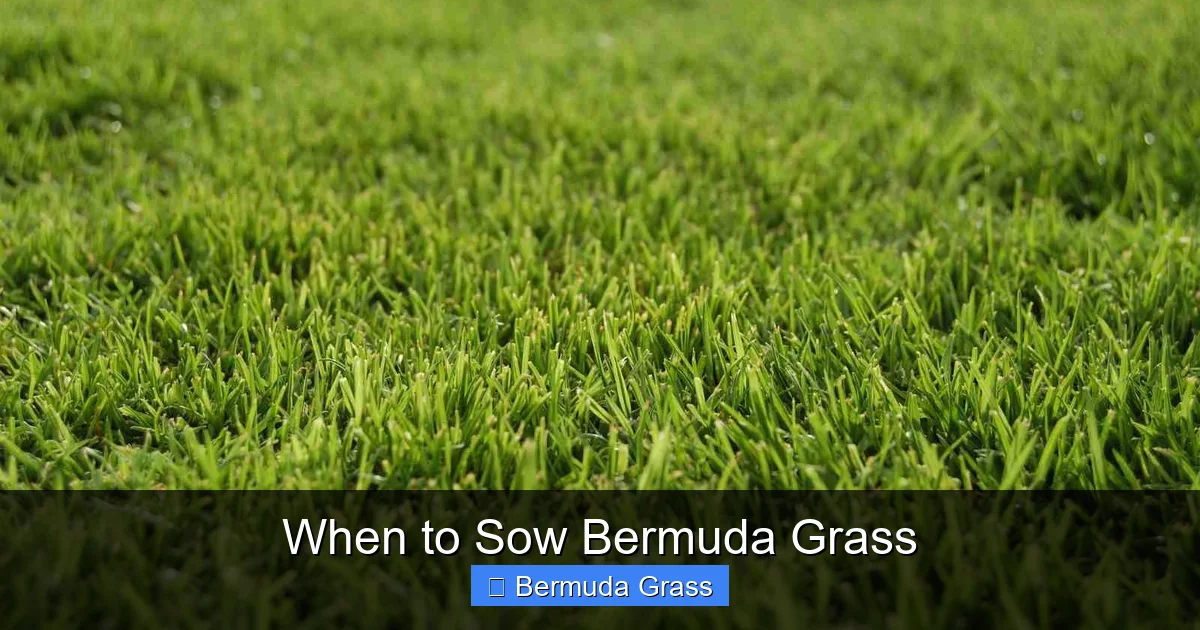
Visual guide about When to Sow Bermuda Grass
Image source: planetnatural.com
When to Sow Bermuda Grass: The Basics
Best Seasons for Sowing
The ideal time to sow Bermuda grass is during late spring and early summer when temperatures are consistently warm. This period typically ranges from late April to early July, depending on your region.
Why Timing Matters
Sowing at the right time ensures the soil is warm enough for seeds to germinate quickly and develop a strong root system. Planting too early in cold soil can lead to poor germination or failure, while sowing too late may give weeds a head start or reduce the growing season.
How to Determine the Right Timing Based on Climate
Check Soil Temperatures
Use a soil thermometer to monitor the temperature at a depth of 2-4 inches. Ideal soil temperatures for Bermuda grass germination are between 65°F and 75°F. Ensure soil stays warm for at least a week before planting.
Know Your Last Frost Date
Find out your area’s last expected frost date in spring. Sow after this date, when the danger of frost has passed, to prevent damage to young seedlings.
Regional Timing Guidelines
- Southern Regions: Sow from late March to early June.
- Mid-Latitude Regions: Sow from late April to early July.
- Northern Regions: Wait until mid to late spring, typically May or June.
Preparing Your Lawn Before Sowing
Test and Improve Soil Quality
Conduct a soil test to determine pH and nutrient levels. Bermuda grass prefers a pH of 6.0 to 7.0. Amend the soil with lime or sulfur as needed to reach optimal pH.
Clear the Area
Remove weeds, rocks, and debris. Loosen the soil with a rake or tiller to create a smooth, fine seedbed that promotes good seed-to-soil contact.
Fertilize and Moisturize
Apply a starter fertilizer rich in phosphorus to support root development. Water the area lightly to moisten the soil, but avoid overwatering, which can cause seed washout.
Sowing Bermuda Grass: Step-by-Step
Choose the Right Seed
Select high-quality Bermuda grass seed suitable for your region. Check for certifications and purity to ensure good germination rates.
Spread the Seeds
- Method 1: Hand Spreading – Use a broadcast spreader or your hands for even distribution.
- Method 2: Using a Seeder – For larger areas, rent or purchase a seed spreader for uniform coverage.
Cover the Seeds
Lightly rake the area to ensure seeds are covered with a thin layer of soil (about ¼ inch). This helps protect seeds from birds and drying out.
Watering and Maintenance
- Initial Watering: Keep the soil consistently moist with light, frequent watering (2-3 times daily) until germination occurs, usually within 7-21 days.
- Post-Germination Care: Gradually reduce watering frequency but increase the depth to promote deep root growth.
Post-Sowing Care and Troubleshooting
Watering Tips
Maintain moist soil but avoid overwatering, which can lead to seed washout or fungal issues. Once established, Bermuda grass tolerates less frequent watering.
Fertilization Schedule
Apply a balanced fertilizer about 4-6 weeks after germination to encourage healthy growth. Follow recommended rates to prevent nutrient runoff.
Managing Weeds and Pests
Keep the area free of weeds during establishment. Use appropriate herbicides if necessary, and monitor for pests like grubs or chinch bugs.
Troubleshooting Common Problems
- Poor Germination: Ensure soil temperature is within the optimal range and seeds are fresh.
- Patchy Growth: Check seed coverage and watering consistency.
- Weed Competition: Maintain proper fertilization and water to outcompete weeds.
Conclusion
Knowing when to sow Bermuda grass is vital for a thriving, green lawn. Focus on timing based on soil temperatures, climate, and frost dates. With proper preparation, sowing at the right time, and diligent care, you’ll enjoy a lush Bermuda grass lawn that stands up to the heat and looks fantastic all season long.
Additional Tips for Success
- Avoid sowing during drought conditions or extreme heat waves.
- Consider overseeding or patching areas as needed to maintain uniform coverage.
- Maintain regular mowing and watering routines once the grass is established.