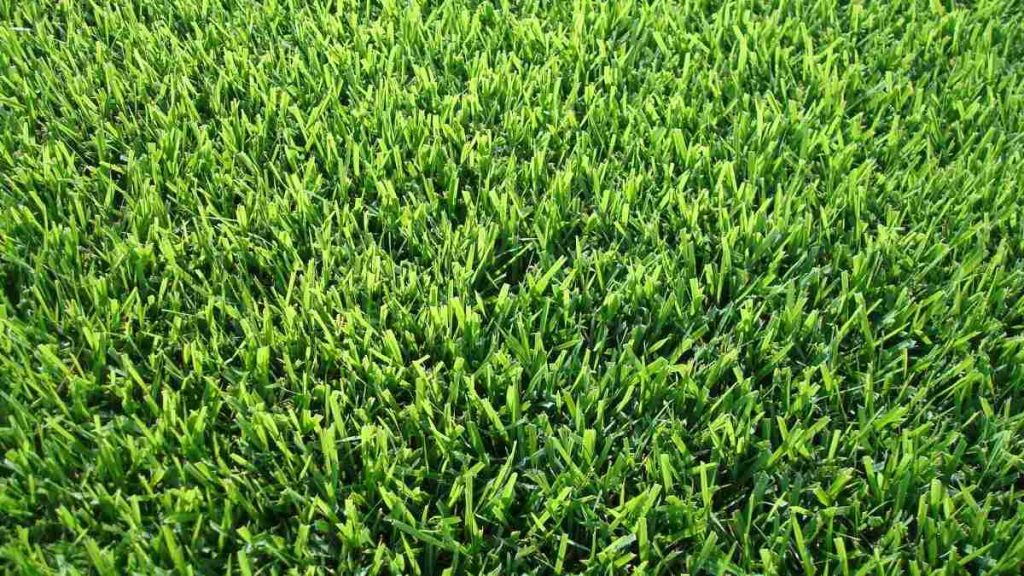
Yes, you can mix Bermuda and Zoysia grass, but it requires careful planning to ensure both thrive together. While they can be combined, understanding their growth habits and maintenance needs is key to creating a healthy, attractive lawn.
Mixing Bermuda and Zoysia grass is possible, but it’s not always straightforward. These two grasses have different growth patterns and care requirements, which can lead to challenges if not managed properly. Bermuda grass is known for its vigorous spreading and heat tolerance, making it great for high-traffic areas. Zoysia, on the other hand, has a slower growth rate and prefers slightly different soil conditions, offering a lush, dense appearance. Combining them can result in a visually appealing yard, but it’s essential to understand how they interact and to develop a maintenance plan that accommodates both. Proper planning ensures that the grasses complement each other rather than compete for resources, leading to a healthy and beautiful lawn.

Can You Mix Bermuda and Zoysia Grass? Exploring the Pros and Cons
Many homeowners wonder if mixing Bermuda grass and Zoysia grass is a good idea for their lawns. Both grass types have unique qualities that appeal to different preferences and needs. Understanding whether these grasses can coexist in one yard can help you make better decisions for your lawn care.
Understanding Bermuda Grass and Zoysia Grass
Bermuda grass is a warm-season grass known for its durability and fast growth. It thrives in hot climates and recovers quickly from damage. Its fine texture creates a lush, dense turf that is perfect for sports fields and high-traffic areas.
Zoysia grass, on the other hand, is also a warm-season grass but tends to grow more slowly. It is prized for its tolerance to shade and drought, making it suitable for lawns with less sun exposure. Its dense mat creates a soft, carpet-like feel underfoot.
Can Bermuda and Zoysia Grass Grow Together?
Technically, Bermuda and Zoysia grasses can grow in the same area, but mixing them intentionally requires careful consideration. They have different growth habits and environmental preferences, which can affect how well they blend or compete.
Because of these differences, they might not form a seamless blend if planted together without planning. Instead, they could create a patchwork appearance that might not be aesthetically pleasing.
Factors to Consider Before Mixing Bermuda and Zoysia
Climate Compatibility
Both grasses thrive in warm climates with plenty of sun. However, Bermuda prefers full sun and can struggle in shady spots, while Zoysia can tolerate some shade. Ensuring your yard’s conditions suit both types is key.
Growth Rate and Spread
Bermuda grows quickly and aggressively spreads through stolons and rhizomes, which can choke out other grasses. Zoysia spreads more slowly and forms a dense, low-growing turf. Mixing these could result in Bermuda overtaking Zoysia if not managed carefully.
Maintenance Needs
Bermuda requires frequent mowing and fertilization to stay healthy, especially during peak season. Zoysia needs less frequent mowing but benefits from regular watering and occasional dethatching. Balancing these needs is essential for a mixed lawn.
Advantages of Mixing Bermuda and Zoysia
Extended Growing Season
By combining these grasses, you might extend the green season in your yard. Bermuda’s rapid growth can fill in gaps quickly, while Zoysia can maintain its lush look in shaded or less sunny areas.
Better Adaptability
A mixed lawn can adapt better to varying sunlight and soil conditions across your property. Bermuda tolerates foot traffic and heat well, while Zoysia provides resilience in shaded and drought-prone areas.
Enhanced Aesthetic Appeal
Mixing grasses can create a unique textured look, blending the fine blades of Bermuda with the broader, softer blades of Zoysia. This can give your lawn a distinctive and natural appearance.
Problems and Challenges of Mixing Bermuda and Zoysia
Uneven Growth and Patchiness
The different growth habits mean Bermuda might dominate or encroach into Zoysia areas. This can lead to uneven patches that require frequent overseeding or trimming.
Increased Maintenance
Managing two grass types with different needs can be time-consuming and complicated. You may need different fertilization schedules, mowing heights, and watering routines.
Potential for Disease and Pest Issues
Mixed lawns may become more susceptible to specific pests and diseases, as certain issues can target one grass type more than the other. Vigilant lawn care and monitoring are necessary to prevent damage.
Best Practices for Mixing Bermuda and Zoysia
Site Preparation
Start with removing existing grass or weeds thoroughly to create a clean seedbed. Ensure soil is well-drained and fertile to support healthy growth of both grasses.
Planting Strategy
Consider planting Bermuda and Zoysia in separate zones or using a border to prevent unwanted encroachment. If mixing in the same area, overseed Bermuda into Zoysia or vice versa, ensuring proper spacing.
Establishing the Lawn
Water the new grass consistently during establishment. Use appropriate fertilizers for each type, and mow at recommended heights: Bermuda around 1.5 to 2 inches and Zoysia at 1 to 2 inches.
Ongoing Maintenance
- Regular mowing to keep grasses healthy and prevent overgrowth.
- Fertilize based on grass type needs to promote uniform growth.
- Adjust watering schedules according to weather and grass requirements.
- Monitor for signs of disease or pest activity and treat promptly.
Alternative Approaches to Mixing Grass Types
Using Overseeding
If you want to experiment with different grasses, overseeding one type into another during the appropriate season can be effective. It allows the grasses to establish gradually without abrupt changes.
Creating Zones and Borders
Designing your yard with clear zones for each grass type can help manage growth and maintenance. Borders also add visual interest and prevent unwanted spread.
Incorporating Other Grass Types
Sometimes, adding native or adaptive grasses alongside Bermuda and Zoysia can improve overall lawn resilience. This approach offers diversity without forcing incompatible species to grow together.
Final Advice on Mixing Bermuda and Zoysia
While technically possible, mixing Bermuda and Zoysia requires careful planning and ongoing maintenance. For most homeowners, planting these grasses in separate areas is more practical and results in a healthier, more attractive lawn.
Always consider your local climate, soil conditions, and lawn use when choosing grass types. Consulting with local turfgrass experts or extension services can provide valuable tailored advice for your specific situation.
Seeding Bermuda Lawns and Zoysia Lawns
Frequently Asked Questions
Is it possible to plant Bermuda and Zoysia grass together in the same lawn?
Yes, you can plant Bermuda and Zoysia grass in the same lawn, but it requires careful planning. Both grasses have different growth habits and maintenance needs, so mixing them can create a varied appearance and require specific care strategies. Ensuring proper soil preparation and choosing the right areas for each type can help create a functional and aesthetically pleasing lawn.
What are the benefits of combining Bermuda and Zoysia grass in a yard?
Merging Bermuda and Zoysia grasses can provide a balance of durability and aesthetic appeal. Bermuda grasses are highly resilient and recover quickly from traffic, while Zoysia offers a soft, dense surface with good drought tolerance. Combining these grasses can result in a lawn that withstands heavy use and remains visually attractive, especially in areas where different conditions exist.
Are there any challenges associated with maintaining a mix of Bermuda and Zoysia grasses?
Maintaining a mixture of Bermuda and Zoysia grasses presents challenges such as differing mowing heights, watering needs, and fertilization schedules. Bermuda tends to grow faster and may outcompete Zoysia if not managed properly. Regular maintenance, overseeding, and tailored care routines help keep both grasses healthy and prevent one from dominating the other.
Can the growth rates of Bermuda and Zoysia cause problems when combined in the same lawn?
Yes, the faster growth rate of Bermuda can cause it to overtake Zoysia if not managed properly. This dominance can lead to uneven lawn textures and require more frequent trimming. To prevent this, you should mow at appropriate heights for each grass and consider overseeding or patching areas where one type encroaches upon the other.
What factors should influence my decision to mix Bermuda and Zoysia grasses?
Consider factors such as climate, soil type, lawn usage, and aesthetic preferences. Bermuda thrives in hot, sunny areas and recovers quickly from damage, while Zoysia prefers slightly cooler conditions and offers a lush, soft look. Understanding these factors helps determine if mixing these grasses suits your yard’s environment and your maintenance capabilities.
Final Thoughts
You can mix bermuda and zoysia grass to create a versatile lawn, but it requires careful planning. Both grasses have different growth habits and maintenance needs, which might cause uneven results.
Can you mix bermuda and zoysia grass? Yes, but it’s essential to understand their compatibility and compatibility of watering, fertilizing, and mowing routines.
In conclusion, while mixing bermuda and zoysia grass is possible, it’s important to consider their differences. Proper management ensures a healthy, attractive lawn without issues arising from incompatibility.