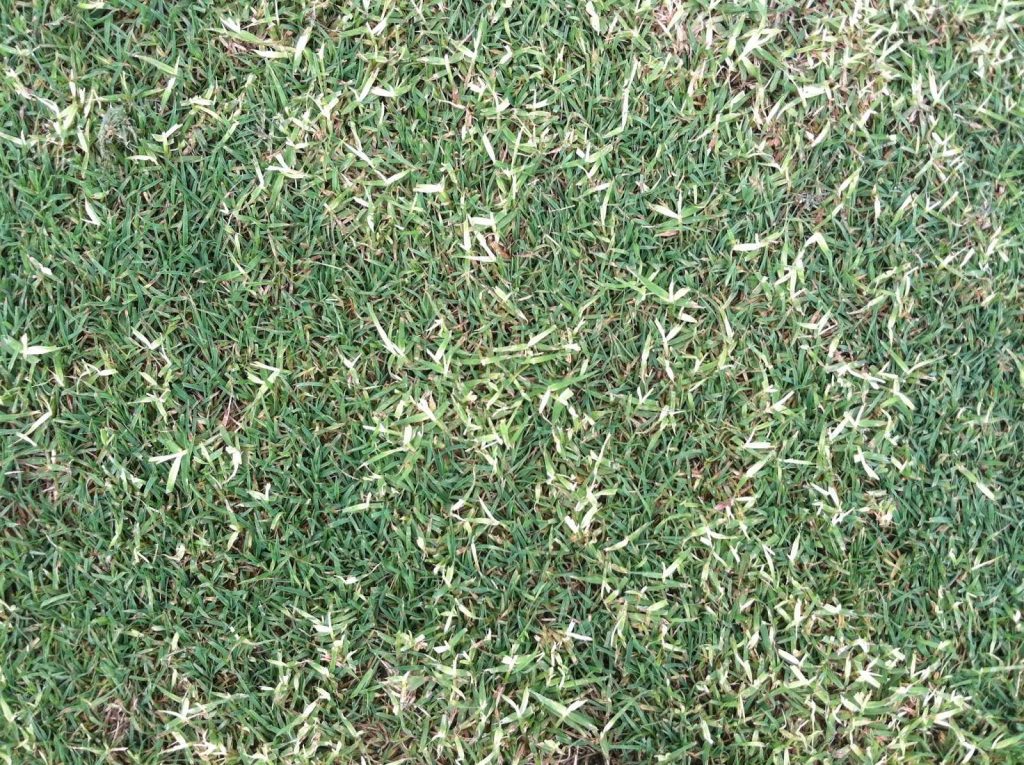
Yes, Bermuda grass is not a cool-season grass; it is a warm-season grass that thrives in hot climates. If you’re wondering whether Bermuda grass can withstand cooler temperatures, the answer is no—it’s best suited for summer growth.
Bermuda grass is a popular choice for lawns and sports fields in warmer regions, but many gardeners wonder if it can survive cooler seasons. The truth is, Bermuda grass prefers hot temperatures and goes dormant when the weather turns chilly, turning brown and slowing its growth. This makes it unsuitable as a cool-season grass, which remains green and active during cooler months. Understanding its climate preferences can help you decide if Bermuda grass is right for your lawn, depending on your location and climate. So, if you’re looking for a resilient lawn option that flourishes in heat, Bermuda grass might be just what you need—but if you need year-round greenery in cooler weather, you might want to consider other grass types.

Is Bermuda Grass a Cool Season Grass?
Understanding Bermuda Grass and Its Growing Habits
Bermuda grass is a popular choice for lawns, sports fields, and golf courses in warmer regions. It is known for its dense, lush appearance and ability to recover quickly from heavy use. Bermuda grass thrives in hot weather, making it a favorite in southern climates.
Because it prefers warmer temperatures, many wonder whether Bermuda grass can be classified as a cool season grass. To answer this, we need to understand what defines cool season grasses and how Bermuda fits into this category.
What Are Cool Season Grasses?
Cool season grasses grow best during the cooler months of the year. They typically thrive in climates with mild to cold winters and warm summers. Examples include Kentucky bluegrass, tall fescue, and perennial ryegrass.
These grasses tend to stay green in the fall and spring but may go dormant during the hottest summer months in warmer regions. Their growth cycle is aligned with cooler temperatures, which helps them flourish during those seasons.
How Does Bermuda Grass Differ from Cool Season Grasses?
Bermuda grass is classified as a warm season grass. It is adapted to grow best in temperatures ranging from 75°F to 95°F (24°C to 35°C). When temperatures drop below 60°F (15°C), Bermuda grass slows its growth significantly.
In contrast, cool season grasses remain active and green at these lower temperatures. Bermuda grass tends to go dormant when it gets too cold, turning brown and becoming less resilient in winter months.
Does Bermuda Grass Grow in Cooler Climates?
Bermuda grass struggles in cooler climates. It is less effective in areas where winter temperatures regularly fall below 50°F (10°C).
In these regions, Bermuda grass may die back during winter, requiring reseeding or replacing with more suitable grasses. Therefore, Bermuda is generally not used in northern climates where the soil remains cold for extended periods.
Can Bermuda Grass Survive Winter in Mild Climates?
In areas with mild winters, Bermuda grass can survive and stay green longer. Some regions with winter temperatures rarely dip below 50°F (10°C) see Bermuda maintaining its color and growth during most of the year.
However, even in these climates, the grass enters dormancy when temperatures fall too low, and its overall growth pattern remains aligned with warm-season characteristics.
Impacts of Climate on Bermuda Grass Growth
Climate plays a significant role in whether Bermuda grass can be considered a cool season grass. In warm regions with long, hot summers and mild winters, Bermuda remains active for most of the year.
In contrast, in cooler regions with cold winters, Bermuda becomes dormant and unproductive during winter months. This dormancy period disrupts its growth cycle and prevents it from acting as a cool season grass.
Can Bermuda Grass Be Used in Transition Zones?
Transition zones are areas where both cool and warm season grasses can be grown. In these zones, Bermuda grass is often combined with cool season grasses to create a lush, year-round lawn.
However, Bermuda still remains a warm season grass in these regions and will go dormant during cold winter months. Its adaptability allows it to provide coverage during the summer but not to serve as a true cool season grass.
Summary Table: Bermuda Grass vs. Cool Season Grasses
| Feature | Bermuda Grass | Cool Season Grasses |
|---|---|---|
| Optimal Temperature Range | 75°F to 95°F (24°C to 35°C) | 60°F to 75°F (15°C to 24°C) |
| Growth Pattern | Active in summer, dormant in winter | Active in fall and spring, dormant in summer |
| Winter Hardiness | Low, goes dormant or turns brown | High, remains green in cooler months |
| Best Climates | Warm to hot areas, USDA zones 7-10 | Temperate, USDA zones 3-7 |
Practical Implications for Lawn Care
Understanding whether Bermuda grass is a cool season grass affects planting choices and maintenance routines. In colder regions, it is best to avoid Bermuda if year-round greenery is desired.
For warm regions, Bermuda grass requires minimal winter maintenance, but in cooler climates, overseeding with cool season grasses like ryegrass might be necessary to maintain a green lawn during winter.
Bermuda grass is not a cool season grass. It belongs to the warm-season category and performs best during hot summer months. Its growth pattern, dormancy period, and temperature preferences clearly distinguish it from cool season grasses.
While Bermuda can tolerate mild winters in some climates, it does not remain green or actively grow during the colder months, which is a key characteristic of cool season grasses. This understanding helps homeowners and landscapers select the best grass type based on their local climate and gardening goals.
Fertilizer Rate Demonstration of Overseeded Cool-Season Grasses on Bermudagrass Lawn
Frequently Asked Questions
Does Bermuda grass thrive in cool weather conditions?
Typically, Bermuda grass prefers warm temperatures and grows best during the hot summer months. It struggles to establish or stay healthy when temperatures drop significantly, making it unsuitable for cooler weather conditions. During cooler seasons, Bermuda grass often goes dormant, turning brown and stopping active growth.
Can Bermuda grass be used for lawns in regions with mild winters?
Yes, in regions where winters are mild, Bermuda grass can maintain its green appearance for longer periods. However, if temperatures dip below 50°F (10°C), the grass may slow down growth or go dormant. Proper lawn management and selecting the right Bermuda grass variety can help optimize its performance in such climates.
What signs indicate that Bermuda grass is not adapted to cold seasons?
Signs include browning or dying patches during cooler months, slow or halted growth, and difficulty recovering after winter. If Bermuda grass fails to green up in spring or shows persistent dormancy, it suggests the grass is not well-suited for cold season conditions and may need alternative turfgrass options.
How does Bermuda grass respond to temperature fluctuations throughout the year?
Bermuda grass responds actively to warm temperatures, thriving during summer and early fall. When temperatures fall below its optimal range, the grass enters dormancy. It can recover quickly once warmer weather returns, but prolonged cold spells can weaken its overall health and appearance.
Final Thoughts
Bermuda grass thrives in warm climates and is known for its耐性 and dense turf. It requires full sun and performs best during hotter months.
In contrast, cool season grasses flourish in cooler temperatures and tend to go dormant during summer.
is bermuda grass a cool season grass? No, it is classified as a warm-season grass, making it unsuitable for cooler climates.
Overall, Bermuda grass is not a cool season grass. It is ideal for warm regions and provides a lush, durable lawn during the summer months.