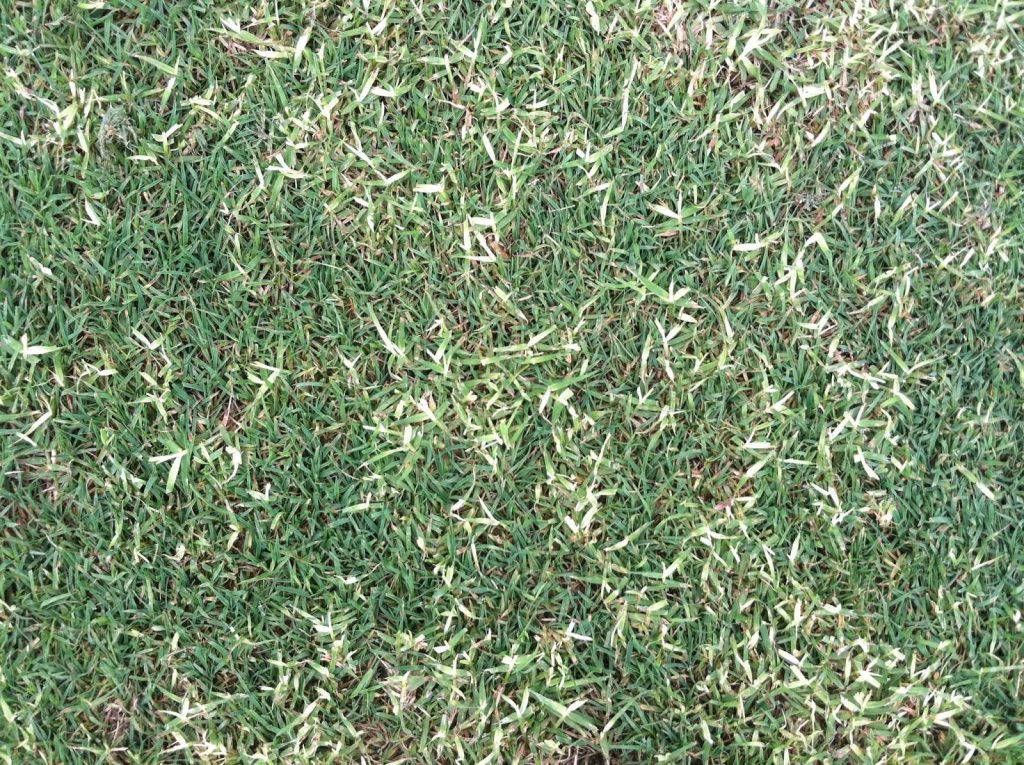
Yes, Bermuda grass is not a cool season grass; it thrives in warm, sunny climates and is popular for lawns in southern regions. If you’re wondering whether Bermuda is suitable for cooler seasons, the answer is no—it prefers hot weather and goes dormant when temperatures drop.
Bermuda grass is a warm-season grass that’s excellent for hot climates, providing a lush, durable lawn during summer months. However, it struggles in cooler temperatures and tends to go dormant in winter, turning brown and entering a period of dormancy until warmth returns. If you’re living in a region with mild winters, Bermuda can sometimes stay green longer, but generally, it’s not the best choice for cool season lawns. Understanding these seasonal preferences helps in selecting the right grass for your climate and maintaining a healthy, vibrant yard year-round.

Is Bermuda a Cool Season Grass?
Bermuda grass is often admired for its lush, green appearance and resilience in warm climates. Many homeowners and landscapers wonder whether Bermuda is suitable for cooler seasons. To answer this question, we need to explore the grass’s growth patterns, environmental needs, and how it performs throughout different times of the year.
Understanding Bermuda Grass and Its Climate Preferences
Bermuda grass is classified as a warm-season grass. It thrives in hot, sunny conditions and is common in regions with mild winters. Its growth peaks during the warm months, especially from late spring through early fall.
This grass type prefers temperatures between 75°F and 95°F. When temperatures drop below 60°F, Bermuda begins to slow down or become dormant, turning brown and going into a resting phase. This dormancy is a key point that helps us understand why Bermuda is typically not considered a cool season grass.
How Bermuda Grass Reacts to Cooler Temperatures
Growth Cycle and Dormancy
During the colder months, Bermuda grass usually enters dormancy. When the temperature falls below 60°F, Bermuda stops growing actively. In winter, it turns brown, which can lead to concerns about its appearance during cooler seasons.
This dormancy period varies based on climate. In milder winter regions, Bermuda may stay semi-dormant with some green patches. In colder regions, it becomes completely dormant and brown until warmer weather returns.
Impact on Lawn Aesthetics
Many lawn owners notice that Bermuda’s green color diminishes in winter. However, this is natural behavior and does not indicate poor health. It simply means the grass is conserving energy during colder months.
This dormancy means Bermuda is not a “green all year” grass in cooler climates. For those seeking year-round green lawns, Bermuda might not be the best choice unless overseeding with cool-season grasses.
Comparing Bermuda with Cool Season Grasses
What Are Cool Season Grasses?
Cool season grasses, including fescue, Kentucky bluegrass, and perennial ryegrass, grow best in regions with cold winters. They remain green and active during the fall and winter, providing a lush lawn throughout the year.
Unlike Bermuda, which goes dormant in cold weather, cool-season grasses stay green year-round in suitable climates. They are preferable if maintaining a green lawn in cool or cold environments is a priority.
Key Differences Between Bermuda and Cool Season Grasses
| Feature | Bermuda Grass | Cool Season Grasses |
|---|---|---|
| Growth Season | Warm months (late spring to early fall) | Fall through early spring |
| Color in Winter | Browns during dormancy | Green year-round in suitable climates |
| Climate Preference | Hot, sunny, mild winters | Cool to cold winters, moderate summers |
| Maintenance | High heat tolerance, drought resistant | Requires more watering in dry seasons, less drought resistant |
Can Bermuda Be Used in Transition Zones?
Understanding Transition Zones
Transition zones have a mix of warm and cool climate characteristics, making it challenging to select the right grass. Bermuda may struggle in these areas during colder months, as it tends to go dormant.
In some cases, hybrid grasses bred for transition zones can maintain a balance but are often more suitable than pure Bermuda or cool-season grasses.
Hybrid or Blended Lawns
To have year-round green coverage, many people opt for blends that include Bermuda and cool-season grasses. Overseeding Bermuda with annual ryegrass is a common practice during winter to maintain a green appearance.
This method allows lawn owners to enjoy the benefits of Bermuda’s drought resistance and heat tolerance during summer, while keeping the lawn green in colder months with overseeding.
Managing Bermuda in Cool Seasons
Overseeding with Cool-Season Grass
Overseeding Bermuda with cool-season grasses like ryegrass can keep the lawn attractive year-round. This process involves planting cool-season grass seeds over Bermuda during late fall.
This approach is popular in regions where winter brown patches would be undesirable, especially for sports fields or high-visibility lawns.
Adjusting Maintenance Practices
During dormancy, Bermuda requires less mowing, fertilizing, and watering. Reducing maintenance during colder months saves resources and helps the grass recover faster in spring.
Practices like aeration and dethatching can also be scheduled during dormancy periods to promote healthy growth when the grass becomes active again.
Environmental and Soil Considerations for Bermuda’s Performance in Cooler Climates
Soil Type and Drainage
Bermuda prefers well-draining soils and can tolerate a range of soil types. However, in cooler climates, poor drainage can lead to root diseases, especially when the grass is dormant.
Adjusting soil pH and adding organic matter can improve Bermuda’s resilience, but temperature remains the primary limiting factor in cooler seasons.
Sunlight Exposure
Full sunlight is critical for Bermuda’s growth. In areas with shorter days during winter, Bermuda’s growth slows down significantly. Limited sunlight can exacerbate dormancy periods and affect recovery after dormancy.
Summary of Key Points
- Bermuda is classified as a warm-season grass, thriving in hot climates.
- It enters dormancy and turns brown in colder temperatures below 60°F.
- In temperate and colder regions, Bermuda is not a year-round green grass without overseeding.
- Using overseeding techniques with cool-season grasses can maintain green lawns during winter.
- Proper soil management and sunlight exposure are important for Bermuda’s health in cooler climates.
Related Topics to Explore
- Best Cool Season Grasses for Year-Round Green Lawns
- How to Overseed Bermuda in Winter
- Maintaining Warm Season Lawns in Transition Zones
- Tips for Preventing Dormancy Issues in Bermuda
- Soil Preparation for Bermuda in Cooler Climates
In summary, Bermuda grass is not considered a cool season grass because its growth pattern and dormancy behavior are tied to warm weather. However, with the right practices like overseeding and proper lawn management, it can be adapted for regions with cooler seasons, providing a beautiful, resilient lawn during the warmer months.
Brief Comparison of Warm Season Grass Types | Bermudagrass | St. Augustine | Zoysia
Frequently Asked Questions
Is Bermuda grass suitable for planting during cooler months?
Bermuda grass thrives best in warm weather and is generally not suitable for planting during cooler months. It enters dormancy in low temperatures, which can cause it to turn brown and become less resilient. To maintain a healthy lawn during cooler seasons, consider alternative grasses better adapted to lower temperatures.
Can Bermuda grass withstand frost and cold temperatures?
Bermuda grass has only limited tolerance to frost and cold temperatures. When exposed to freezing conditions, it often suffers damage, and the grass goes dormant until warmer weather returns. In regions with harsh winters, Bermuda may require additional protection or should be replaced with cold-tolerant grass varieties.
Does Bermuda grass stay green throughout the year in cooler climates?
In cooler climates, Bermuda grass typically does not stay green year-round. It goes dormant during the cold months, turning brown and losing its lush appearance. This seasonal dormancy is natural for Bermuda grass, and it resumes growth when temperatures rise again in spring and summer.
Could overseeding be a viable option for Bermuda lawns in winter?
Overseeding Bermuda lawns with a cool-season grass can provide a green appearance during winter. This practice allows the lawn to remain vibrant while Bermuda goes dormant. However, overseeding requires proper preparation and maintenance to ensure good establishment and avoid competition between species.
What are some alternative grasses for cooler regions instead of Bermuda?
For cooler regions, grasses like fescue, Kentucky bluegrass, or perennial ryegrass offer better performance. These cool-season grasses stay green throughout the cooler months and are more tolerant of lower temperatures, making them suitable choices for areas with harsh winters.
Final Thoughts
Bermuda grass thrives in warm climates, making it a popular choice for lawns in southern regions. It prefers full sun and grows best during hot summer months.
During cooler seasons, Bermuda grass enters dormancy, turning brown and slowing growth. It is not suited for regions with long, cold winters.
In conclusion, ‘is bermuda a cool season grass’ is clearly no; it is primarily a warm-season grass. While it performs well in summer, it struggles in cooler weather.