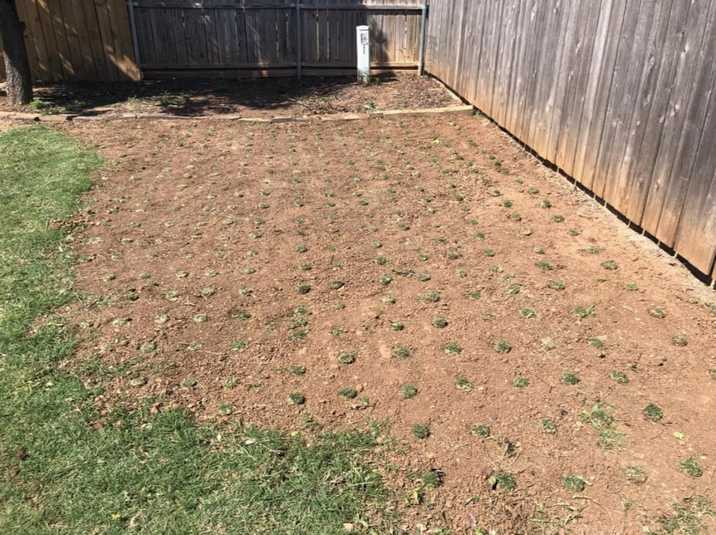
Bermuda grass is known for its vigorous growth and ability to quickly cover large areas, making it a popular choice for lawns and sports fields. If you’re wondering just how fast this grass can spread, you’re in the right place! Generally, Bermuda grass can spread about 1 to 2 feet per month under optimal conditions, creating lush, dense turf in just a few growing seasons. Its rapid growth rate means you’ll enjoy a thick, green lawn in no time, but it also requires regular maintenance to keep it looking its best. In this article, we’ll explore what influences Bermuda grass’s spreading speed and how you can manage its growth effectively to achieve the perfect lawn. Whether you’re new to gardening or a seasoned homeowner, understanding Bermuda grass’s growth pattern helps you care for your lawn best.

How Fast Does Bermuda Grass Spread?
Bermuda grass is known for its quick growth and ability to cover large areas fast. If you’re thinking about planting it or managing an existing lawn, understanding how quickly it spreads can help you plan better. This section will explore the factors that influence Bermuda grass growth and how fast you can expect it to spread in different conditions.
Understanding Bermuda Grass Growth Rate
Bermuda grass can spread at varying speeds depending on several factors. Under ideal conditions, it can cover an area of about one to two feet per month. This means that a small patch can turn into a lush lawn within a season.
Generally, Bermuda grass is classified as a fast-spreading warm-season grass. It uses both above-ground runners called stolons and below-ground runners called rhizomes to expand. These features allow it to quickly fill in bare spots and outcompete weeds.
Factors Affecting Spreading Speed
Climate and Temperature
Bermuda grass thrives in warm, sunny environments. It grows fastest when daytime temperatures are between 75°F and 95°F. In these conditions, it can spread more rapidly, sometimes up to two inches per week.
If temperatures are cooler or if there is less sunlight, growth slows significantly. In cooler climates or during winter in warmer regions, Bermuda grass may become dormant, halting its spread entirely.
Soil Quality and Moisture
Good soil that drains well and is rich in nutrients fosters faster growth. Adequate watering keeps the grass healthy and encourages spreading. On average, Bermuda grass needs about 1 to 1.5 inches of water weekly to grow optimally.
Overly dry or poorly maintained soil can impede growth. Conversely, consistent moisture supports rapid spreading through stolons and rhizomes.
Grass Maintenance and Lawn Care
Regular mowing at the proper height, fertilization, and aeration stimulate healthy growth. Bermuda grass grown under such conditions can spread up to 1.5 feet in a single growing season.
On the other hand, overcrowding, lack of nutrients, or neglect can slow down its expansion and make the lawn less dense.
Growth Rate of Bermuda Grass in Different Seasons
Spring and Summer
During warm months, Bermuda grass actively grows and spreads quickly. Spring is an ideal time to reseed or overseed because the grass is recovering from winter dormancy.
In summer, growth accelerates due to increased temperatures and sunlight, allowing the grass to spread up to 2 inches per week under ideal conditions.
Fall and Winter
As temperatures drop, Bermuda grass enters dormancy, and growth slows or stops completely. In colder regions, it may die back or go dormant for several months.
This slowdown means that spread during fall and winter is minimal or nonexistent, emphasizing the importance of planting during the proper season for quick coverage.
Typical Spreading Timeline for Bermuda Grass
| Time Frame | Expected Coverage | Notes |
|---|---|---|
| First Month | Approximately 6 inches to 1 foot | Growth starts slowly but accelerates as roots establish |
| First Six Months | 3 to 6 feet | Significant expansion under optimal conditions |
| One Year | Up to 12 feet or more | Complete coverage possible in ideal environments |
How to Promote Faster Spread of Bermuda Grass
Proper Soil Preparation
Prepare the soil by removing weeds and debris. Loosen the soil and add compost or fertilizers to provide nutrients needed for rapid growth.
Effective Seeding and Planting
Use high-quality Bermuda grass seed or sod for faster establishment. Plant during the warmest months for maximum growth potential.
Optimal Watering and Fertilization
Water consistently to keep the soil moist but not waterlogged. Fertilize regularly with a balanced fertilizer high in nitrogen to encourage lush, fast growth.
Regular Lawn Maintenance
Mow at the right height, typically around 1 to 2 inches. This encourages dense growth and prevents the grass from becoming too tall or thin.
Common Challenges and How They Affect Spread
Pest and Disease Issues
Pests such as armyworms or disease outbreaks can stunt growth. Healthy, pest-free grass spreads more quickly and evenly.
Soil Compaction
Compacted soil restricts root growth, slowing spread. Aeration helps improve soil structure, promoting faster expansion.
Overcrowding and Thatch Buildup
Thatch prevents proper water and nutrient absorption, hindering growth. Regular dethatching and aeration can maintain optimal spreading conditions.
Summary of Bermuda Grass Spreading Speed
- Under ideal conditions, Bermuda grass can spread up to 2 inches weekly during peak growth seasons.
- In a full year, a healthy Bermuda lawn can expand 3 to 6 feet or more, covering a substantial area.
- Growth rates vary significantly with climate, soil quality, and lawn care practices.
Understanding these factors helps you manage and encourage the spreading of Bermuda grass in your yard better. With proper care, Bermuda grass can quickly transform your lawn into a lush, green space. Patience combined with consistent maintenance is key to achieving the best coverage in the shortest time possible.
How Fast Does Bermuda Grass Spread?
Frequently Asked Questions
What factors influence the speed at which Bermuda grass spreads?
The rate of Bermuda grass expansion depends on factors such as soil fertility, watering frequency, sunlight exposure, and temperature. Well-maintained lawns with adequate moisture and nutrients promote quicker spreading, while stressful conditions like drought or poor soil can slow down its growth.
How long does it typically take for Bermuda grass to cover a new area?
Bermuda grass usually begins to spread within a few weeks after planting and can fully establish and cover a new area in about 3 to 4 months under optimal conditions. Consistent care and proper mowing can help accelerate this process.
Does the season affect how fast Bermuda grass spreads?
Yes, Bermuda grass spreads most rapidly during warm months when temperatures stay between 75°F and 95°F. During cooler seasons, growth slows considerably, and the grass may enter dormancy, hindering its expansion until warmer weather resumes.
What methods can I use to encourage Bermuda grass to spread faster?
To promote quicker spreading, ensure the soil is well-prepared, water consistently, and fertilize appropriately. Overseeding or dividing existing patches can also help fill in gaps more rapidly, resulting in a denser, more evenly distributed lawn.
Final Thoughts
Bermuda grass spreads quickly through runners that root easily in the soil. Under ideal conditions, it can cover a new area within a few weeks. Its rapid growth makes it a popular choice for lawns and sports fields.
The speed of Bermuda grass spread depends on temperature, sunlight, and water availability. Warm, sunny weather encourages faster expansion. Proper maintenance can help control its growth if needed.
How fast does Bermuda grass spread? Typically, it can stretch several inches in a week, quickly filling gaps. This fast spreading nature ensures a dense, uniform turf in a short period.