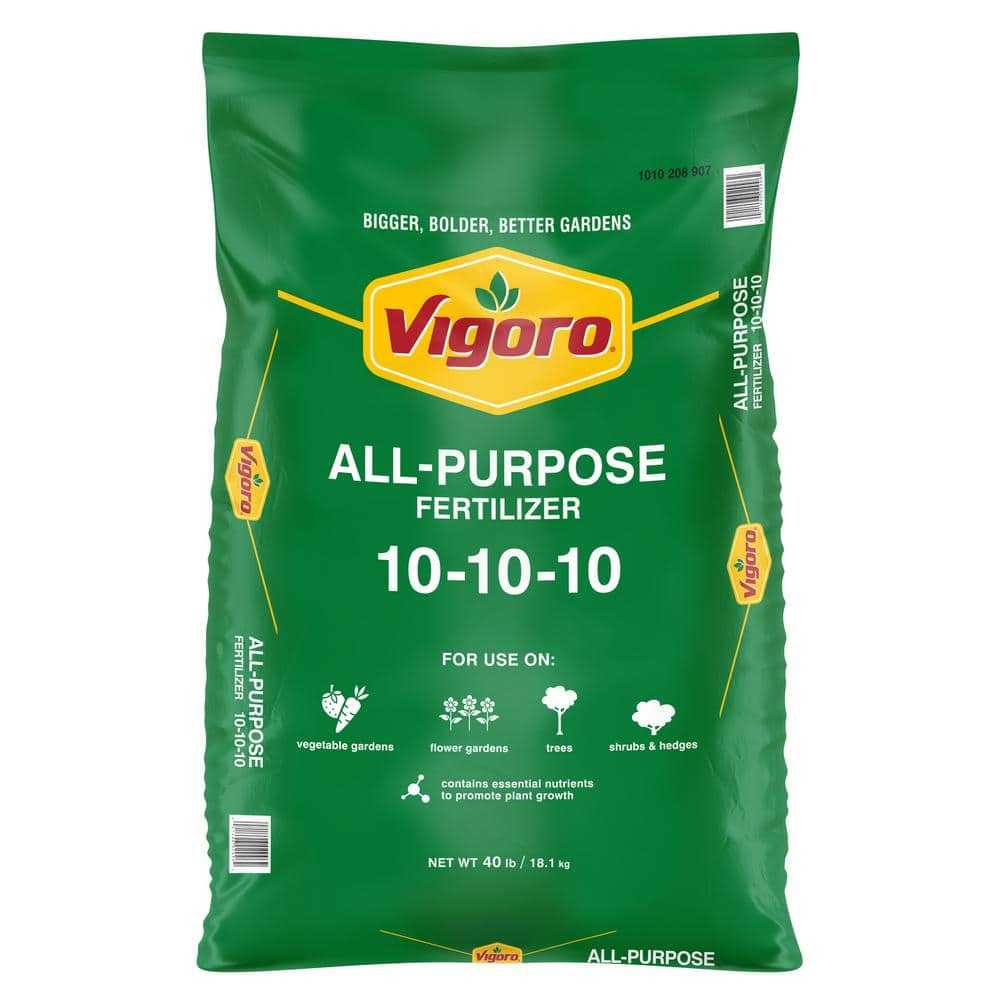
Yes, 10-10-10 fertilizer can be beneficial for Bermuda grass when used appropriately, but it’s not always the perfect choice. This balanced fertilizer provides essential nutrients equally, helping to promote healthy growth and vibrant color. However, over-fertilizing or using it at the wrong time might lead to excessive thatch buildup or disease susceptibility.
In summary, 10-10-10 fertilizer can be good for Bermuda grass if applied correctly, especially during the growing season. It’s important to consider your lawn’s specific needs and avoid overdoing it to maintain lush, healthy turf.
Starting with a lush, green Bermuda lawn is a top priority for many homeowners during warm months. Choosing the right fertilizer is key to ensuring your grass stays healthy and beautiful. The 10-10-10 formulation, which contains equal parts nitrogen, phosphorus, and potassium, offers a balanced nutrient profile that can support vigorous growth and improve overall lawn vigor. But is it the best choice for Bermuda grass, or are there better options? In this article, we’ll explore how 10-10-10 fertilizer affects Bermuda grass, when to apply it, and tips for optimizing your fertilization routine to achieve that perfect, emerald-green lawn.

Is 10-10-10 Fertilizer Good for Bermuda Grass?
Understanding the Composition of 10-10-10 Fertilizer
10-10-10 fertilizer contains equal parts of nitrogen, phosphorus, and potassium, making it a balanced nutrient source. Nitrogen helps Bermuda grass grow lush and green, while phosphorus supports healthy root development. Potassium boosts the grass’s ability to resist pests and withstand drought conditions. This balanced formulation is often used to promote overall turf health.
How Does 10-10-10 Fertilizer Affect Bermuda Grass?
When applied properly, 10-10-10 fertilizer encourages vigorous growth and a vibrant green color in Bermuda grass. It provides essential nutrients that support both leaf and root development. However, overuse can lead to problems like excessive growth, thatch buildup, or nutrient runoff, which can harm the environment.
Optimal Timing for Applying 10-10-10 Fertilizer
Timing is critical to get the best results from 10-10-10 fertilizer on Bermuda grass. The ideal periods are during active growth phases in spring and summer. Avoid applying fertilizer during dormancy or very late in the season to prevent unnecessary growth and potential damage.
How Often Should You Fertilize with 10-10-10?
Most lawn experts recommend fertilizing Bermuda grass with 10-10-10 every six to eight weeks during the growing season. This schedule helps maintain healthy growth without overfeeding the grass. Always follow the manufacturer’s instructions and consider soil testing for personalized recommendations.
Pros and Cons of Using 10-10-10 Fertilizer on Bermuda Grass
- Pros: Promotes even growth, enhances color, supports root development, easy to apply, suitable for general turf maintenance.
- Cons: Risk of over-fertilization, potential for thatch buildup, environmental runoff if overused, possible nutrient imbalance if soil is already nutrient-rich.
Is 10-10-10 Fertilizer Better Than Other Types?
Compared to nitrogen-heavy fertilizers, 10-10-10 offers a balanced approach ideal for turf that requires overall nutrient support. For Bermuda grass that needs a quick lush appearance, a higher nitrogen mix might be better. Conversely, soil conditions and specific lawn needs might make other formulations more suitable.
How to Properly Apply 10-10-10 Fertilizer for Bermuda Grass
Applying fertilizer evenly is essential for healthy turf growth. Use a broadcast spreader for uniform coverage, adjusting the setting based on the fertilizer’s weight. Water the lawn afterward to help nutrients penetrate the soil and prevent runoff.
Potential Risks of Using 10-10-10 Fertilizer Incorrectly
Applying too much fertilizer can cause excessive growth, making the grass more susceptible to diseases. It can also lead to nutrient runoff, polluting local waterways. Incorrect timing or application methods may damage Bermuda grass or reduce its overall health.
Soil Testing and Adjustments for Optimal Fertilization
Before applying fertilizer, conduct a soil test to determine existing nutrient levels. This helps avoid over-fertilization and ensures Bermuda grass receives only what it needs. Based on results, you might need to supplement or reduce fertilizer application or adjust other lawn care practices.
Complementary Lawn Care Practices
Maintaining Bermuda grass health with 10-10-10 fertilizer works best when combined with proper watering, mowing, and aeration. Regular mowing at the appropriate height keeps the grass dense and healthy. Deep watering encourages root growth, especially after fertilization.
Environmental Considerations and Sustainable Lawn Care
Using 10-10-10 fertilizer responsibly minimizes environmental impact. Follow recommended application rates and avoid fertilizing before heavy rain. Consider organic or slow-release options for more sustainable lawn management.
Related Topics to Consider
- Choosing the Right Fertilizer for Bermuda Grass
- Benefits of Organic Lawn Fertilizers
- Best Practices for Lawn Maintenance in Different Seasons
- How Soil Type Affects Fertilizer Effectiveness
- Understanding the Role of pH in Bermuda Grass Health
Summary
Using 10-10-10 fertilizer on Bermuda grass can be effective if applied correctly and at appropriate times. It provides a balanced supply of nutrients that support lush growth and vibrant color. To maximize benefits, combine fertilizer application with good lawn care practices and soil testing. Proper management ensures healthy Bermuda grass while protecting the environment.
Top 5 Fertilizers For Bermuda Grass In Under 60 Seconds
Frequently Asked Questions
How does the ratio of nutrients in 10-10-10 fertilizer benefit Bermuda grass?
The balanced nutrients in 10-10-10 fertilizer provide equal amounts of nitrogen, phosphorus, and potassium, supporting overall health. For Bermuda grass, this means strong root development, vibrant green color, and improved drought resistance. The uniform distribution of nutrients helps maintain a lush and healthy turf throughout the growing season.
What is the recommended application rate of 10-10-10 fertilizer for Bermuda grass?
Applying 10-10-10 fertilizer at a rate of about 1 to 2 pounds per 1,000 square feet every 4 to 6 weeks works well for Bermuda grass during the growing season. Always follow the manufacturer’s instructions and consider soil tests to determine specific nutrient needs. Proper application encourages steady growth without risking over-fertilization.
Can using 10-10-10 fertilizer cause any issues for Bermuda grass if over-applied?
Yes, applying too much 10-10-10 fertilizer can lead to fertilizer burn, excessive growth, or nutrient runoff. Over-fertilization stresses the grass and may create conditions prone to pests or diseases. To prevent these problems, measure your fertilizer carefully and adhere to recommended application schedules.
Is 10-10-10 fertilizer suitable for Bermuda grass during the dormant season?
During dormancy, Bermuda grass doesn’t require additional nutrients, especially fertilizer that promotes active growth. Applying 10-10-10 during this period might encourage unwanted growth or stress the grass. It’s best to apply fertilizer when the grass begins actively growing again in spring.
Should I consider soil testing before using 10-10-10 fertilizer on Bermuda grass?
Conducting a soil test helps determine the current nutrient levels and pH. If your soil already contains sufficient nitrogen, phosphorus, and potassium, applying 10-10-10 may be unnecessary. Soil testing ensures you provide only what your Bermuda grass needs, promoting healthy growth and preventing waste.
Final Thoughts
Using 10-10-10 fertilizer for bermuda grass provides a balanced supply of nitrogen, phosphorus, and potassium, promoting healthy growth. It quickly supplies essential nutrients, especially during the active growing season.
However, overapplication can lead to excessive growth and increased thatch.
In summary, is 10-10-10 fertilizer good for bermuda grass? Yes, if used correctly and in moderation, it can support lush, green lawns.