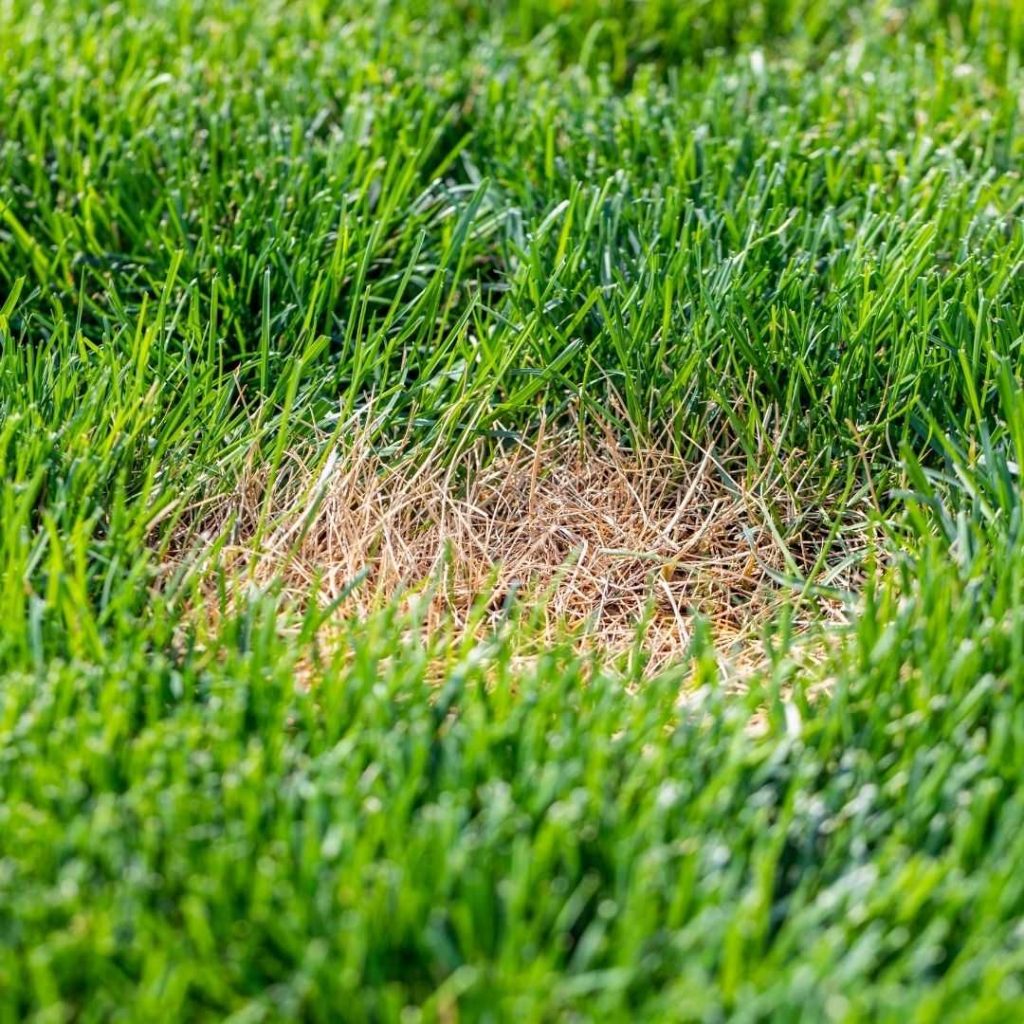
To quickly determine if your lawn is getting enough water, check its color and texture—healthy grass should be vibrant green and firm to the touch. Look for signs of drought stress like wilting or browning, which mean your lawn might need more water. Also, do a simple test by watering deeply and then observing how long it takes for the soil to dry out; if it dries too quickly, your lawn may not be receiving enough moisture.
Most lawns need about an inch of water per week, including rainfall, to stay lush and healthy. The best way to tell if your grass is well-watered is to pay attention to how it looks and feels—bright green and resilient grass indicates proper hydration, while dull, brown patches or easily pulled-up grass suggest it’s not getting enough. Regularly monitoring these signs helps keep your lawn vibrant and thriving without overwatering.

How to tell if lawn is getting enough water
Understanding Your Lawn’s Water Needs
Every lawn has specific water requirements based on its grass type, climate, and soil type. Most lawns need about 1 to 1.5 inches of water per week, including rainfall. Knowing your lawn’s needs helps you avoid overwatering or underwatering, both of which can cause problems.

Signs Your Lawn Isn’t Getting Enough Water
When your lawn lacks enough water, it often shows certain signs. The grass may look dull, turn a bluish-gray color, or develop brown patches. These signs indicate your lawn needs more hydration to stay vibrant and healthy.
Color and Texture Changes
A lawn that lacks water often appears dull or bluish. The grass blades may become brittle and feel coarse to the touch. Dry patches may develop, especially in areas exposed to full sun.
Wilting Grass
Wilting is a clear sign your lawn isn’t receiving enough water. Grass blades bend or fold over and become limp. If you notice these symptoms, it’s time to water more.
Deep Root Signs
Check the roots by gently pulling a small section of grass. If roots are shallow or get pulled out easily, it indicates insufficient watering or poor soil health.
Understanding Proper Watering Techniques
Using the right watering method ensures your lawn gets enough moisture without causing damage. The goal is to water deeply and infrequently rather than shallow and often.
Watering Schedule
Most lawns benefit from watering deeply twice a week. Adjust frequency based on weather conditions and soil type. During hot, dry spells, increase watering to keep the grass healthy.
Best Time to Water
Water early in the morning for optimal absorption. Morning watering reduces evaporation loss and helps prevent disease. Avoid watering late in the evening to prevent fungal growth.
Amount of Water Needed
Apply about 1 to 1.5 inches of water per session. Use a rain gauge or a flat container to measure how much water is applied during each watering session.
Methods to Check if Your Lawn is Getting Enough Water
There are simple ways to check if your lawn is receiving proper hydration. These methods help you monitor and adjust your watering routines.
Soil Moisture Test
Insert a screwdriver or metal rod into the soil to a depth of 6 inches. If it goes in easily, the soil is moist enough. If it’s hard to push or feels dry, your lawn needs more water.
Finger Test
Stick your finger about 1 to 2 inches into the soil. If it feels dry, it’s time to water. If it feels damp or wet, hold off on watering.
Burnishing or Footprints
Walk across your lawn and observe footprints. If they remain visible for a long time, the grass may be too dry and needs watering.
Using a Rain Gauge or Soil Moisture Meter
A rain gauge measures rainfall and helps you determine if additional watering is needed. A soil moisture meter provides an accurate reading of moisture levels underground.
Common Mistakes That Lead to Overwatering or Underwatering
Understanding what to avoid can help you maintain the perfect watering balance for your lawn.
Overwatering
Applying too much water can lead to shallow roots, fungal diseases, and water runoff. Signs include soggy soil, puddles after watering, and moss growth.
Underwatering
Too little water results in dry patches, brown grass, and weak root systems. This can make your lawn more vulnerable to pests and diseases.
Inconsistent Watering Schedule
Changing watering frequency without considering weather can harm your lawn. Consistency helps grass develop deep roots and stay healthy.
Watering at the Wrong Time
Watering late in the day or during rainstorms can be ineffective or wasteful. Morning is the best time, while watering before rain is redundant.
Additional Tips for Maintaining a Healthy Lawn
Besides watering, other practices help ensure your lawn receives enough moisture and remains lush.
Improve Soil Quality
Adding organic matter like compost enhances soil’s water retention capacity. Healthy soil promotes better water absorption and root growth.
Mulching and Aeration
Mulch around your lawn can retain soil moisture. Aeration reduces soil compaction and allows water to penetrate deeper.
Use of Drip or Soaker Hoses
These provide gentle, consistent watering that promotes deep root development. They are especially useful for irregularly shaped lawns.
Monitoring and Adjusting
Regularly check moisture levels to adapt your watering schedule as needed. Climate changes and seasonal shifts require adjustments.
Related Topics
Watering Lawn in Different Seasons
Adjust your watering habits for spring, summer, fall, and winter to meet your lawn’s changing needs.
Soil Types and Water Retention
Understanding whether you have sandy, clay, or loamy soil helps you tailor your watering techniques.
Eco-friendly Lawn Care Practices
Use efficient watering methods, rain barrels, and drought-tolerant grass to conserve water and promote sustainability.
Tools and Devices for Lawn Watering
Invest in timers, rain sensors, and moisture meters to streamline watering and prevent waste.
Maintaining the right moisture level is key to a healthy, green lawn. Follow these guidelines to effectively gauge if your lawn gets enough water and adjust your routine accordingly. Proper watering fosters strong roots, vibrant grass, and a beautiful yard you can enjoy year-round.
Frequently Asked Questions
How can I identify if my lawn is getting enough water based on its appearance?
If your lawn has a vibrant green color and feels soft and flexible, it likely receives sufficient water. Conversely, if the grass looks dull, brown, or shows signs of wilt, it may be under-watered. Regularly observing the color and texture helps you determine if watering meets your lawn’s needs.
What signs indicate that my lawn is over-watered rather than under-watered?
Over-watered lawns often develop a spongy feel, with areas that stay soggy or have standing water. You might notice fungal growth or patches of thinning grass. If the soil remains constantly wet and the grass appears unhealthy despite frequent watering, you may be overdoing it.
How does the soil moisture level inform me about proper watering?
You can check soil moisture by inserting a screwdriver or a moisture meter into the ground. If it penetrates easily and the soil feels moist but not soggy within the top few inches, your lawn is likely getting enough water. Dry soil indicates the need for more watering, while overly wet soil suggests overwatering.
What is the best way to test if my lawn is receiving adequate water during different seasons?
During warmer months, check the soil moisture regularly using a moisture meter or by hand, ensuring the top inch is moist. In cooler months, reduce watering and monitor grass health and soil condition accordingly. Adjust your watering schedule based on these observations to meet seasonal needs.
How can watering frequency and duration affect my lawn’s water intake?
Watering too frequently or for too long can lead to shallow root growth and waterlogged soil. Instead, watering deeply and less often encourages roots to grow deeper and promotes healthier turf. Aim for thorough soaking that wets the soil to a depth of 6-8 inches, then allow it to dry between watering sessions.
Final Thoughts
Knowing if your lawn gets enough water is essential for its health. Check the soil moisture by sticking a screwdriver or a similar tool into the ground; it should go in easily. Observe the grass; if it turns a dull blue-green or starts to wilt, it likely needs more water.
Inconsistent watering can lead to patchy growth or brown spots. Consistently monitor and adjust your watering schedule based on weather and soil conditions. Understanding how to tell if your lawn is getting enough water helps you maintain a beautiful, healthy yard.