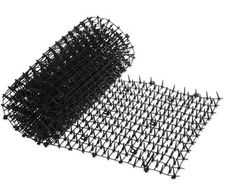
Keeping cats out of your yard can be a bit of a challenge, but with the right strategies, you can create a space that is less inviting to our feline friends. One quick solution is to use scents that cats dislike, such as citrus or vinegar, around the perimeter of your yard. You can also consider installing physical barriers like fences or using motion-activated sprinklers to deter them. Additionally, planting certain herbs like lavender or rosemary can naturally repel cats. Understanding their behavior and motivations will help tailor your approach, ensuring your yard remains a cat-free zone. Let’s explore some effective ways to keep those curious kitties at bay while still maintaining a welcoming garden atmosphere.

How To Keep Cats Out Of Yard
Keeping cats out of your yard can be quite a challenge, especially if there are friendly neighborhood felines that love to roam. Fortunately, there are effective strategies that can help you maintain a cat-free space while still being considerate of the animals. Below, we will explore a variety of methods to keep these curious creatures at bay.
Understanding Why Cats Enter Your Yard
Before diving into the methods, it’s helpful to understand why cats may be drawn to your yard. Cats are naturally curious animals and are often looking for places to explore, hunt, or simply catch some sun.
Here are a few reasons why cats visit yards:
- Seeking food or hunting small animals
- Finding a cozy spot to relax
- Exploring new territory
- Avoiding aggressive animals or other threats
By understanding their motivations, you can implement better strategies to deter them.
Creating Physical Barriers
One of the most effective ways to keep cats out of your yard is by creating physical barriers. Fences can be a good start, but they need to be designed correctly to be effective.
Types of Fences
Not all fences are created equal when it comes to keeping cats out. Here are some options to consider:
- Solid Fences: A tall, solid fence with no footholds makes it difficult for cats to climb over.
- Cat-Proof Fencing: Special fencing designed with angled tops can prevent cats from jumping over.
- Electric Fencing: Low-voltage options can deter cats without harming them.
Adding a fence may require some investment, but it is often worth it if you want a cat-free yard.
Utilizing Natural Deterrents
Another effective way to keep cats away is by using natural deterrents. There are various plants and scents that cats dislike.
Plants to Deter Cats
Certain plants can naturally repel cats. Here are some options:
- Lavender: Cats tend to avoid the scent of lavender.
- Rosemary: This aromatic herb is also unappealing to felines.
- Citrus Plants: The smell of citrus is often a natural repellent.
Planting these varieties around the perimeter can help keep unwanted visitors at bay.
Using Scent Deterrents
Cats have a strong sense of smell, and you can leverage this to your advantage.
Types of Scent Deterrents
Consider using scents that repel cats, such as:
- Citrus peels (like oranges or lemons)
- Ground coffee
- Vinegar
Sprinkling these around your yard can create an unwelcoming environment for cats.
Sound Deterrents
Sound is another tool you can use. Cats are easily startled by loud noises.
Devices That Make Noise
You can invest in devices that emit high-frequency sounds which are unpleasant for cats but inaudible to humans. Additionally, simple solutions like wind chimes or motion-activated alarms can help keep cats away.
Water as a Deterrent
Cats generally dislike getting wet. Utilizing water can be an effective deterrent.
Water Sprinklers
Install motion-activated sprinklers that spray water when they detect movement. This sudden burst can scare cats and encourage them to stay away.
Keeping Your Yard Clean and Uninviting
A messy yard can attract unwanted animals, including cats. Keeping your space clean is an essential strategy.
Tips for a Cat-Unfriendly Yard
Here are some tips to maintain cleanliness in your yard:
- Remove food sources, including pet food and birdseed
- Keep garbage secured and covered
- Fill in any holes or hiding spots
Fewer hiding spots and food sources will make your yard less appealing to cats.
Training Your Pets
If you have pets, training them can also play a role in keeping cats away.
Strategies for Training
Teach your dog to bark or patrol your yard. This can be an effective way to scare away wandering cats.
Additionally, keep cats on a leash when outdoors or train them to stay away from certain areas.
Community Involvement
If neighborhood cats are a persistent problem, consider reaching out to your community.
Engaging with Neighbors
Talk with your neighbors about the issue. Some may be willing to keep their cats indoors or take measures to minimize their outdoor time.
Additionally, working together can create a more effective strategy for managing the cat population in your area.
Encouraging Responsible Cat Ownership
Encouraging responsible pet ownership can also help reduce the number of cats wandering into your yard.
How to Promote Responsibility
Here are some ideas to promote responsible cat ownership:
- Encourage microchipping and spaying/neutering
- Discuss keeping cats indoors or supervised outside
- Share information about local cat shelters or adoption centers
Responsible pet ownership not only benefits your yard but also the entire community.
Alternative Solutions for Cat Lovers
If you love cats but still want to keep them out of your yard, consider creating a space for them.
Creating a Cat-Friendly Area
You can designate a specific area away from your main yard. Here are some ideas:
- Install a cat house or shelter
- Add food and water stations
- Create a small garden with catnip or other enticing plants
This way, you can provide a haven for neighborhood cats without allowing them into your main yard.
Keeping cats out of your yard is possible with the right approach. Whether you choose physical barriers, natural repellents, sound deterrents, or community engagement, the key is patience and consistency. Implementing a combination of these strategies can create a cat-free environment while being respectful of the little creatures. Remember, it’s essential to coexist harmoniously with nature and the animals around us.
By taking these steps, you can create a yard that you enjoy without unwanted feline visitors.
How to Keep Cats Away From a Yard
Frequently Asked Questions
What natural deterrents can I use to keep cats away from my yard?
You can use several natural deterrents to keep cats out of your yard. Citrus scents, such as orange or lemon peels, often repel cats due to their strong odor. Additionally, plants like rue, lavender, and rosemary can act as natural barriers. Sprinkling coffee grounds or using vinegar in certain areas of your yard can also help deter cats from wandering in.
How can I create a physical barrier to prevent cats from entering my garden?
Installing a fence around your garden can effectively keep cats out. Make sure the fence is at least six feet tall and consider adding an inward slope at the top to prevent cats from climbing over. You can also use chicken wire or lattice along the bottom of the fence to deter digging. Additionally, adding thorny plants or shrubs along the perimeter can act as a natural barrier.
What role does sound play in keeping cats out of my yard?
Sound can be an effective deterrent for cats. Consider using motion-activated devices that emit noises, such as alarms or ultrasonic sounds, when they detect movement. Alternatively, wind chimes or certain types of music can create an environment that discourages cats from lingering in your yard.
Are there any specific products I can buy to deter cats from my yard?
Yes, various commercial cat repellents are available that can help keep cats away. Look for sprays that contain natural ingredients like citronella or lemongrass. Additionally, you can find motion-activated sprinklers that release water when they detect movement, startling cats and encouraging them to leave.
What should I do if a stray cat keeps visiting my yard?
If a stray cat keeps visiting, consider contacting local animal control or a rescue organization for assistance. They can provide information on how to safely trap and relocate the cat. Alternatively, you can provide resources for the cat, such as food and shelter, but ensure it doesn’t become a permanent fixture in your yard.
Final Thoughts
To keep cats out of your yard, implement a combination of physical barriers and deterrents. Installing fences can effectively restrict access, while using motion-activated devices can startle wandering cats.
Planting cat-repellent plants such as lavender and rosemary also helps. Additionally, sprinkling citrus peels or using commercial cat repellents can discourage cats from entering your space.
In summary, these strategies make it possible to successfully maintain your yard cat-free. Remember, knowing “How To Keep Cats Out Of Yard” can protect your garden and provide you with peace of mind.