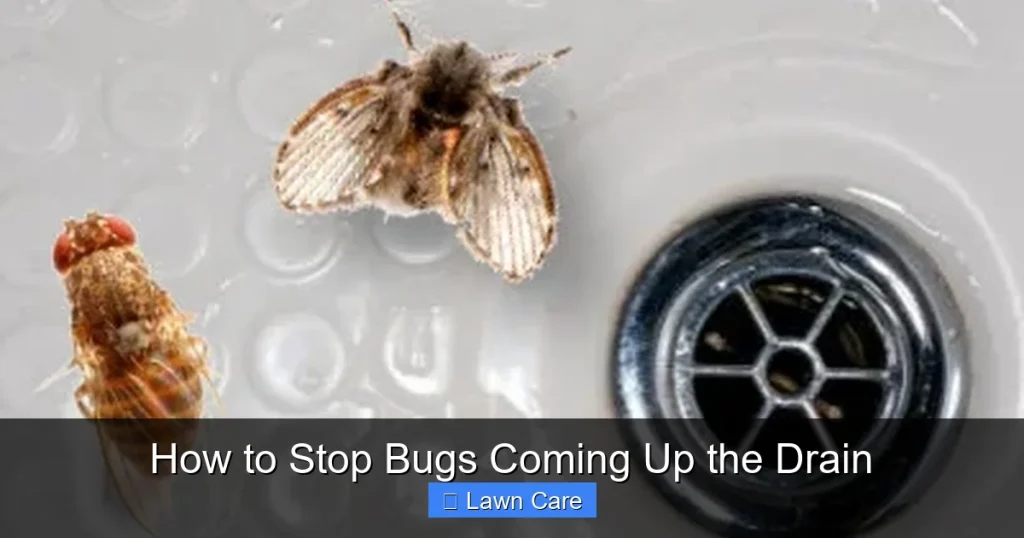
Bugs coming up the drain can be a frustrating and unhygienic problem in your home. This guide walks you through simple, effective steps to identify the source, clean your drains, and prevent future infestations. You’ll learn natural remedies, when to call a professional, and how to keep your plumbing system bug-free.
Key Takeaways
- Identify the bug type and entry point: Knowing whether it’s drain flies, fruit flies, or gnats helps target the right solution.
- Clean your drains thoroughly: Use boiling water, vinegar, baking soda, or enzymatic cleaners to remove organic buildup that attracts bugs.
- Install drain covers or screens: Prevent bugs from entering by using mesh or rubber stoppers over drains.
- Eliminate standing water: Fix leaks, dry damp areas, and ensure proper drainage to remove breeding grounds.
- Use natural repellents: Essential oils like tea tree, eucalyptus, or peppermint can deter bugs without harsh chemicals.
- Maintain regular drain care: Monthly cleaning and inspections help prevent future infestations.
- Call a professional if needed: For persistent issues, a plumber or pest control expert can inspect for structural or sewage problems.
How to Stop Bugs Coming Up the Drain: A Complete How-To Guide
Have you ever opened your bathroom or kitchen sink only to find tiny flying bugs buzzing around? Or noticed small insects crawling up from your shower drain at night? If so, you’re not alone. Bugs coming up the drain are a common household issue, often caused by organic buildup, moisture, and poor drainage. While they may seem harmless, these pests can indicate deeper plumbing or sanitation problems.
In this guide, you’ll learn exactly how to stop bugs coming up the drain using safe, effective methods. Whether you’re dealing with drain flies, fruit flies, or gnats, we’ll walk you through identification, cleaning, prevention, and long-term maintenance. By the end, your drains will be clean, clear, and bug-free.
Why Are Bugs Coming Up My Drain?
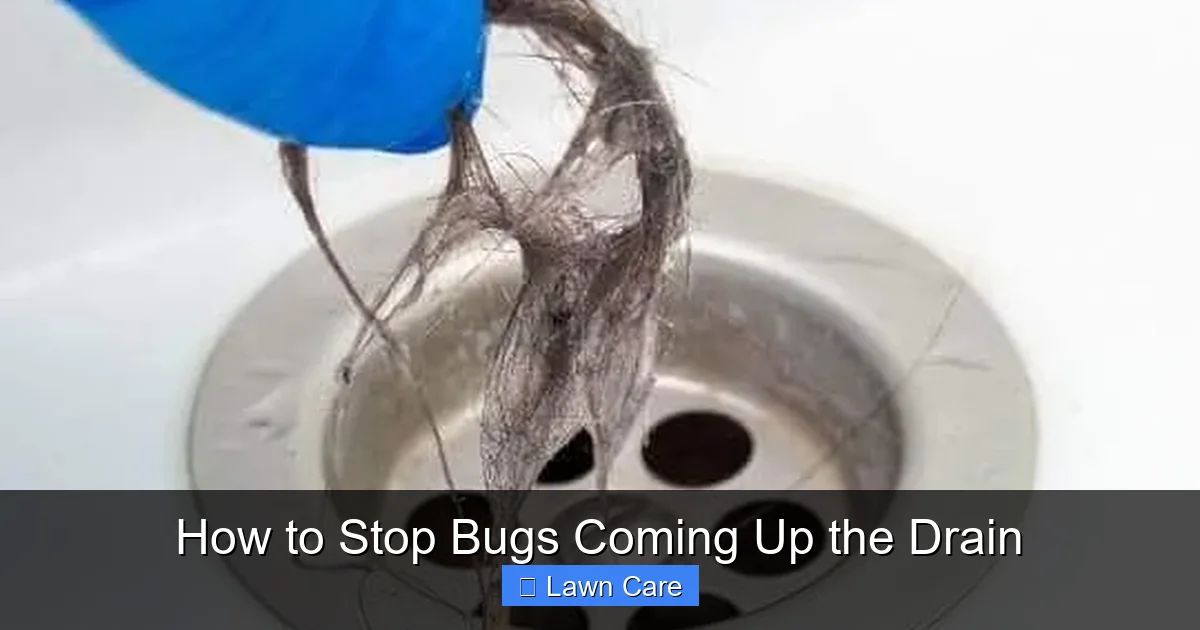
Before treating the problem, it’s important to understand why bugs are appearing. Most drain pests are attracted to organic matter like hair, soap scum, food particles, and grease that accumulate in pipes. These materials create a perfect breeding ground for tiny insects that thrive in dark, moist environments.
Visual guide about How to Stop Bugs Coming Up the Drain
Image source: plumbertip.com
Common culprits include:
- Drain flies (pavement ants of the drain world): These small, moth-like insects lay eggs in sludge inside pipes. Their larvae feed on organic waste and emerge as adults through drain openings.
- Fruit flies: Often drawn to overripe fruit or garbage disposals, they can enter through kitchen sinks.
- Phorid flies or “humpbacked flies”: These are often found in bathrooms and can indicate deeper moisture issues.
If you notice bugs regularly, especially at night, it’s a sign that your drain isn’t just dirty—it’s actively breeding. The good news? With the right steps, you can eliminate the problem and keep it from returning.
Step 1: Identify the Type of Bug
Not all drain bugs are the same. Accurate identification helps you choose the best treatment. Here’s how to tell them apart:
Visual guide about How to Stop Bugs Coming Up the Drain
Image source: denresidence.com
Drain Flies
These are tiny, fuzzy flies (about 1/8 inch long) with bent antennae. They hover near drains and often appear in large numbers. You’ll usually find them in bathrooms and laundry rooms.
Fruit Flies
Larger than drain flies, fruit flies are about 1/4 inch long with red eyes. They’re attracted to fermenting fruit, coffee grounds, and garbage disposals. Common in kitchens.
Phorid Flies
These have a humped back and very long legs. They move in a jerky, hopping motion. Often found in bathrooms and around shower drains.
Once you’ve identified the bug, you can target your cleaning efforts more effectively.
Step 2: Clean Your Drains Thoroughly
The most effective way to stop bugs coming up the drain is to remove the food source they depend on. Start with a deep clean using natural or chemical-safe methods.
Boiling Water Flush
Begin with this simple method: pour 2–4 cups of boiling water down the drain. This helps dissolve grease and dislodge debris. Repeat daily for a few days if needed.
Baking Soda and Vinegar
Mix 1/2 cup of baking soda with 1/2 cup of white vinegar in the drain. Cover the drain with a plug or cloth to trap the fizzing action. Let it sit for 30–60 minutes, then flush with hot water. This combination breaks down organic matter and leaves a fresh scent.
Enzymatic Drain Cleaners
These are safe for pipes and effective at breaking down organic buildup. Look for products containing protease and amylase enzymes. Follow the label instructions and use monthly for maintenance.
Commercial Drain Cleaners (Use Sparingly)
Chemical cleaners can kill bugs and dissolve blockages, but they may damage pipes over time. Use them only if natural methods fail, and always wear gloves and ventilate the area.
Step 3: Use Natural Repellents
After cleaning, prevent bugs from returning by using natural deterrents. These are safe for your family and pets.
Essential Oils
Add 5–10 drops of tea tree, eucalyptus, or peppermint oil to a spray bottle with water. Shake well and spray around the drain area. The strong scent repels most flying insects. Reapply weekly.
Citrus Peels
Boil lemon, orange, or grapefruit peels in water, then let the steam rise into the drain. The citrus scent masks odors that attract bugs and has mild antifungal properties.
Herbs and Dried Plants
Place dried lavender, rosemary, or mint near drains. These not only smell fresh but also deter insects naturally.
Step 4: Install Drain Covers or Screens
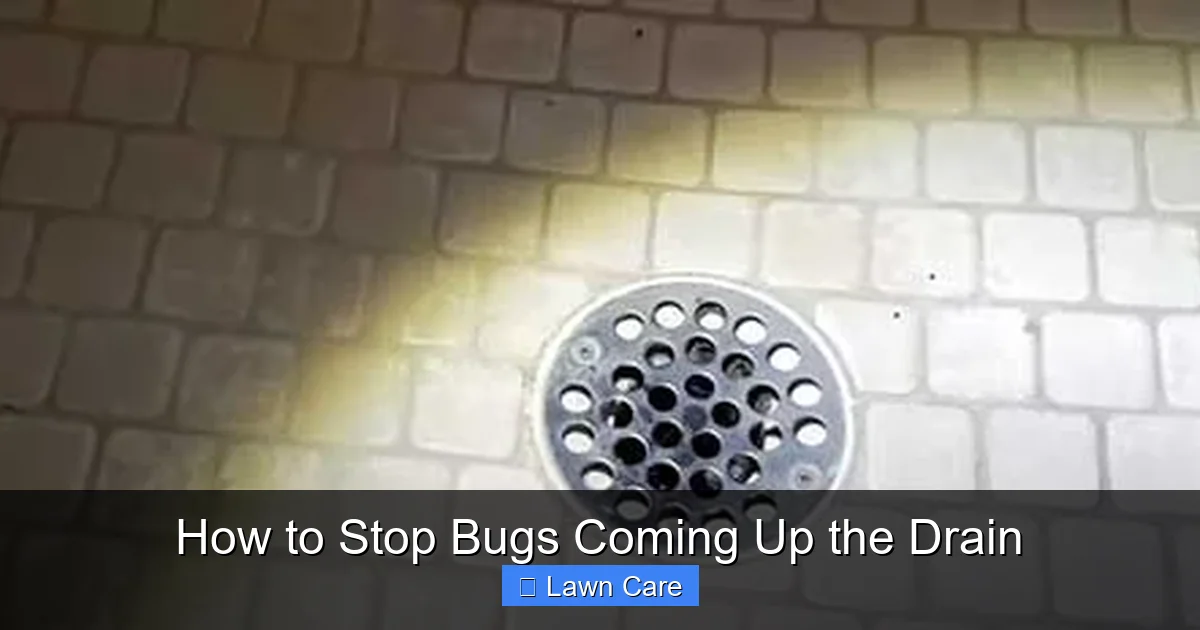
Prevention is key. Install mesh drain covers or rubber sink stoppers to block bugs from entering. These are affordable, easy to install, and available at any hardware store.
For showers and tubs, use anti-microbial drain covers that trap hair and debris while allowing water to flow. Replace them monthly to maintain effectiveness.
For kitchen sinks, consider a garbage disposal strainer to catch food particles before they enter the pipes.
Step 5: Eliminate Standing Water and Moisture
Bugs thrive in damp environments. Fix any leaks in faucets, pipes, or fixtures. After showers or washing dishes, wipe down surfaces and ensure proper ventilation.
Use a dehumidifier in basements or laundry rooms to reduce moisture. Ensure your downspouts and gutters are directing water away from your home’s foundation.
Also, avoid overwatering houseplants near drains—standing water in saucers can attract gnats.
Step 6: Maintain Your Drains Regularly
Consistency is the secret to long-term success. Make drain care part of your monthly routine:
- Flush with hot water weekly.
- Use baking soda and vinegar once a month.
- Inspect for leaks or clogs.
- Replace drain screens.
Think of it like lawn care—regular maintenance prevents bigger problems. Just as you’d mow the lawn to keep it healthy, you’re cleaning drains to keep them pest-free.
Troubleshooting: When to Call a Professional
Sometimes, bugs keep coming back despite your best efforts. This could mean:
- A sewer line issue allowing pests to enter from outside.
- A cracked pipe creating an entry point.
- An infested drain trap (the U-shaped pipe under the sink) that can’t be reached.
If you’ve tried all home remedies and bugs persist, it’s time to call a licensed plumber or pest control expert. They can inspect your plumbing, clean hard-to-reach areas, and recommend repairs.
Prevention Tips for a Bug-Free Home
To keep bugs from returning, follow these best practices:
- Never pour grease down the drain. Collect it in a container and throw it in the trash.
- Use a garbage disposal sparingly. Scrape food into the trash instead.
- Run cold water before and after using the disposal. This helps flush particles through.
- Clean garbage cans regularly. Rinse them weekly to remove residue.
- Check for cracks in walls or floors near drains—these can let pests in.
By combining cleaning, prevention, and maintenance, you can stop bugs coming up the drain for good.
Conclusion
Bugs coming up the drain are more than just annoying—they’re a sign that something in your plumbing system needs attention. But with the right approach, you can eliminate them quickly and prevent future infestations. From deep cleaning with natural solutions to installing drain covers and reducing moisture, every step brings you closer to a clean, pest-free home.
Remember: regular care is your best defense. Just like tending to your lawn—whether it’s mowing, aerating, or managing weeds—keeping your drains clean takes consistent effort. And the payoff? Peace of mind and a home that’s truly bug-free.
For more tips on maintaining a healthy, beautiful lawn and home, explore our guides on how to stop Bermuda grass from spreading, how to prevent crabgrass in the spring, or how to fix muddy spots in the lawn.