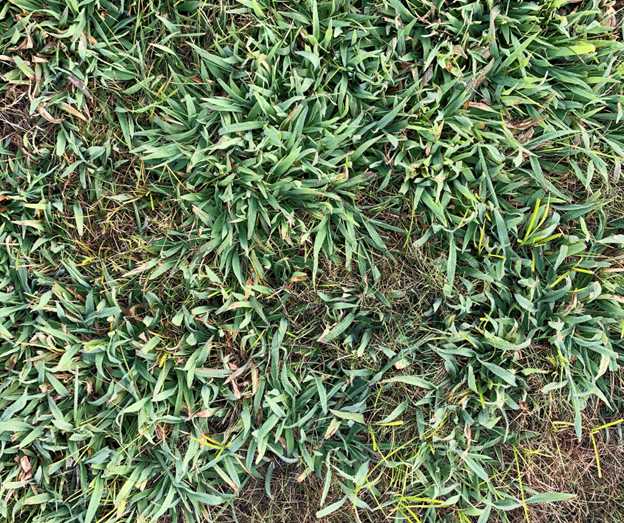
To keep crabgrass from taking over your lawn this spring, start early with a pre-emergent herbicide and maintain a healthy, dense turf. Regular mowing and watering practices also play a crucial role in preventing its growth. Applying these simple steps before crabgrass germinates can save you time and effort later on.
The key to preventing crabgrass in the spring is to stop it before it starts. Using pre-emergent herbicides early, combined with proper lawn care techniques, creates a barrier that inhibits crabgrass seeds from sprouting. Keeping your grass thick and healthy makes it harder for crabgrass to establish. Starting these preventative measures early ensures a lush, crabgrass-free lawn throughout the season.
Spring is the perfect time to tackle crabgrass before it takes hold of your lawn. Its quick germination and aggressive growth make it a formidable enemy for homeowners who want a pristine yard. Fortunately, with some proactive steps—like applying pre-emergent herbicides and nurturing a strong, healthy lawn—you can effectively prevent crabgrass from emerging. The earlier you act, the easier it is to keep your yard looking vibrant and weed-free all season long.

How to Prevent Crabgrass in the Spring
Crabgrass is a common weed that can quickly take over your lawn if not controlled early. Spring is the ideal time to start prevention because it stops crabgrass from establishing itself before it spreads. Taking proactive steps can save you time and effort later in the growing season.
Understanding Crabgrass and Why It Appears in Spring
Crabgrass is a warm-season annual weed that thrives in hot, sunny weather. It typically germinates when soil temperatures reach around 55°F to 60°F, usually in late spring. Knowing its growth cycle helps you plan effective control measures.
Crabgrass seeds often lie dormant in the soil during winter. As temperatures rise, these seeds sprout rapidly, producing the sprawling patches you see in lawns. Once established, crabgrass competes with your grass for nutrients, water, and sunlight, making your lawn look uneven.
Prevention Starts in the Fall and Winter
Effective crabgrass prevention begins even before spring. Applying a pre-emergent herbicide in late winter or early spring is key to stopping seeds from germinating.
The best time to apply pre-emergent products is when soil temperatures consistently reach around 55°F. This usually occurs about 2 to 3 weeks before crabgrass seeds start to sprout. You can track soil temperature with a simple soil thermometer to time your application perfectly.
- Choose a pre-emergent herbicide labeled for crabgrass control
- Follow label instructions carefully for application and safety
- Apply evenly across the entire lawn for best coverage
Choosing the Right Pre-Emergent Herbicide
Not all pre-emergent products are created equal. Look for products containing active ingredients like prodiamine, pendimethalin, or prometryn. These chemicals effectively prevent crabgrass seed germination without harming desirable grass.
Always check if your lawn type is suitable for the chosen herbicide. Some products are safe for cool-season grasses like Kentucky bluegrass or fescue, while others are better for warm-season grasses like Bermuda or zoysia.
Proper Lawn Preparation Before Application
Before applying pre-emergent herbicides, make sure your lawn is healthy and well-maintained. Raking to remove debris and aerating the soil can improve herbicide penetration.
Water your lawn lightly a day before application, as moist soil helps the herbicide work more effectively. Avoid heavy watering immediately after applying herbicide unless the product instructions specify.
Maintaining a Thick, Healthy Lawn to Prevent Crabgrass
A dense lawn naturally suppresses crabgrass growth. Proper fertilization helps grass grow thicker and more resilient.
Use a fertilizer high in nitrogen in early spring to promote lush, green growth. Regular watering, about 1 to 1.5 inches per week, encourages deep roots and crowding out weeds.
| Practice | Benefit |
|---|---|
| Proper mowing height | Prevents stress and encourages dense grass coverage |
| Consistent watering | Supports healthy root growth and weeds resistance |
| Regular fertilization | Promotes vigorous, thick turf |
Post-Emergent Controls for Established Crabgrass
If crabgrass has already sprouted, pre-emergents won’t help; you need a post-emergent herbicide. Select a product labeled for crabgrass and follow application instructions carefully.
Apply the post-emergent weed killer when the crabgrass is young and actively growing. This ensures better control and minimizes damage to your desirable grass.
For organic options, hand-pulling or spot treating with vinegar-based solutions can be effective, especially in small patches.
Proper Mowing Techniques for Crabgrass Prevention
Mowing at the correct height is crucial for preventing crabgrass. Set your mower to a height that promotes deep grass roots, generally around 2.5 to 3 inches for most grass types.
A higher mowing height shades the soil, making it less hospitable for crabgrass seeds to germinate. Avoid cutting more than one-third of the grass height at a time to keep your turf healthy.
Watering Strategies to Reduce Crabgrass
Water deeply and infrequently to develop a strong root system, which makes your lawn more competitive against weeds. Overwatering creates a thin, weak lawn that crabgrass can easily invade.
Early morning watering is ideal, as it allows grass to dry before evening and reduces disease risks. Adjust your watering schedule based on rainfall and your local climate.
Soil Testing and Amendments
Healthy soil is a foundation for weed-free lawns. Conduct a soil test to determine pH and nutrient levels. Amendments like lime or compost can improve soil health and promote robust grass growth.
Healthy soil fosters strong grass roots, creating thick turf that naturally crowds out crabgrass and other weeds.
Landscape and Lawn Maintenance Tips
Removing thatch buildup and aerating the soil once a year promotes better nutrient and water absorption. Reseeding bare patches ensures uniform grass coverage.
Minimize areas of compacted soil and avoid overuse of chemicals that may weaken your grass. Creating a uniform, dense lawn is the best defense against crabgrass invasion.
Related Topics for Better Lawn Management
- Choosing the Best Grass Types for Your Climate
- Seasonal Lawn Care Tips
- Organic Weed Control Methods
- How to Identify and Remove Other Common Lawn Weeds
Applying these measures early in the spring can help you enjoy a healthy, weed-free lawn throughout the growing season. Regular maintenance, proper lawn care practices, and timely herbicide applications are the keys to preventing crabgrass from taking over your yard.
How To Prevent Crabgrass
Frequently Asked Questions
What steps can I take in early spring to prevent crabgrass from emerging?
Applying a pre-emergent herbicide early in the spring before crabgrass seeds germinate is highly effective. Ensure you water the area well after application to activate the product. Keep your lawn healthy by mowing at the proper height, fertilizing appropriately, and watering deeply to promote dense grass growth, which can naturally outcompete crabgrass. Regularly rake and remove debris to prevent creating conditions favorable for crabgrass seeds to settle.
How does maintaining proper lawn health help in preventing crabgrass?
Keeping your grass dense and vigorous reduces open spaces that crabgrass seeds can invade. Mow at the recommended height for your grass type, typically around 2.5 to 3 inches, to promote stronger roots and shade the soil. Fertilize regularly using the right amount of nitrogen to encourage healthy growth. Proper watering practices, such as deep and infrequent watering, help develop deep roots, making it harder for crabgrass to establish itself.
When is the best time to apply pre-emergent herbicide for crabgrass control?
Apply pre-emergent herbicide in early spring, just before the soil temperature reaches around 55°F (13°C) consistently for a few days. This timing ensures the product forms a barrier that stops crabgrass seeds from germinating. Monitoring local weather and soil temperatures can help determine the optimal moment. Avoid applying herbicides too early or too late, as this reduces their effectiveness.
Can soil preparation techniques help prevent crabgrass in spring?
Yes, proper soil preparation can significantly reduce crabgrass growth. Aerate your lawn to improve soil aeration and water penetration, encouraging healthy turf development. Incorporate organic matter or topdress with compost to enhance soil fertility. Removing weeds and debris before the growing season starts also minimizes seed sources and creates a healthier environment for desired grass to thrive, leaving less room for crabgrass to take hold.
Final Thoughts
Prévenir la vergerette au printemps commence par une tonte régulière, qui empêche la croissance des graines. Appliquer un herbicide préventif avant que les mauvaises herbes n’apparaissent est efficace. Assurez-vous aussi de fertiliser votre pelouse pour la rendre plus résistante. En suivant ces conseils, vous pouvez réduire considérablement la présence de crabgrass. En résumé, pour savoir comment prévenir crabgrass en printemps, adoptez des pratiques de tonte, d’herbicide et de fertilisation adaptées.