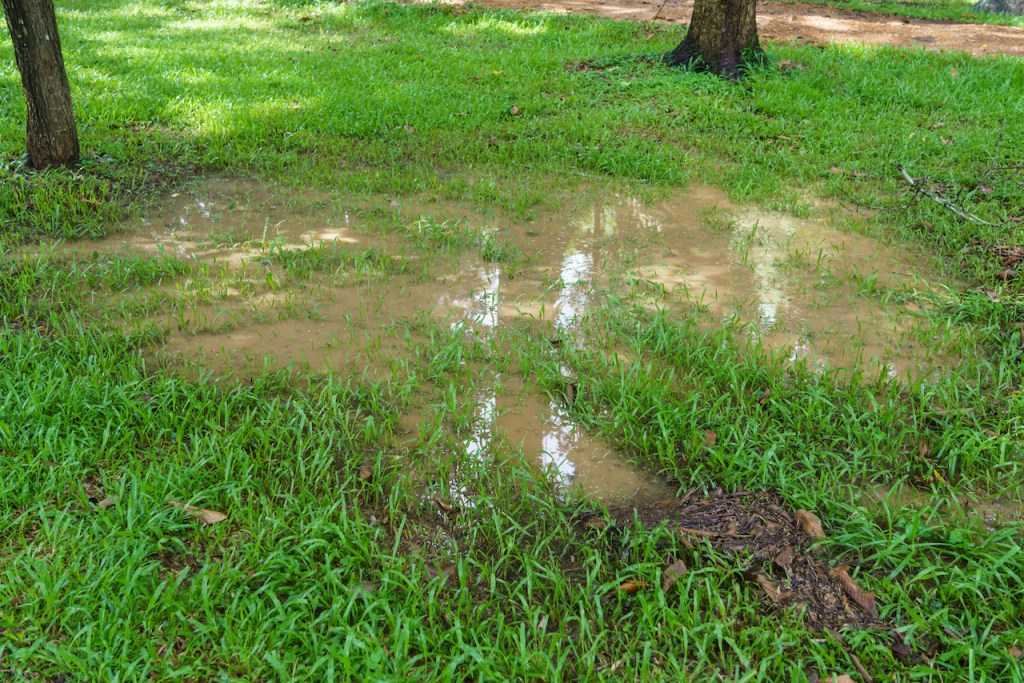
To fix muddy spots in your lawn quickly, simply improve drainage by aerating the soil and filling in low areas with quality topsoil. Over time, establishing a sturdy grass root system and adding organic matter can prevent future muddy patches.
If your lawn is riddled with muddy spots, don’t worry—there are straightforward steps to restore its beauty. The key is addressing the underlying drainage issues and giving your grass a healthy start. Proper aeration, leveling uneven areas, and enriching the soil with compost can turn soggy, muddy patches into lush, green spots. Regular maintenance and overseeding can also strengthen the grass, making it more resilient against future mud problems. This approach not only fixes current issues but helps maintain a beautiful, mud-free lawn year-round. So, roll up your sleeves and follow these simple tips to enjoy a tidy, mud-free yard.

How to Fix Muddy Spots in the Lawn
Understanding Why Muddy Spots Occur
Muddy patches in the lawn often happen because the ground can’t drain water properly. Heavy rainfall or overwatering can make the soil soggy and soft. Compacted soil is another common cause, as it prevents water from soaking in. Recognizing these causes helps you choose the right fix.
Assessing Your Lawn’s Drainage System
Before fixing muddy spots, check how water moves on your lawn. Walk around after a rain to see where water pools. Use a spade to dig into the muddy area and see how deep the water remains. If water sits for a long time, your lawn may need better drainage.
Improving Drainage to Prevent Future Muddy Areas
Proper drainage keeps your lawn firm and healthy. You can improve drainage with several simple steps:
- Install Drainage Pipes: Lay perforated pipes underground to guide water away.
- Spread Gravel or Drainage Stones: Place these in low areas to help water flow through quickly.
- Build a Rain Garden: Create a depression filled with plants that absorb excess water.
- Ensure Proper Grading: Slightly slope your lawn so water moves away from muddy spots.
Dealing with Soil Compactness
Compacted soil makes it hard for water to seep in. Aeration is a simple way to loosen soil and improve drainage. Use a garden fork or aerator tool to poke holes throughout the muddy area. This creates space for air and water to enter.
Choosing the Right Soil for Better Drainage
Soil type impacts how well your lawn drains. Sandy soil drains faster, while clay soil holds water longer. Improving clay soil can involve mixing in organic matter like compost or coarse sand. These amendments increase porosity and prevent mud from forming.
Reseeding and Repairing the Lawn
After fixing drainage and soil issues, reseeding can help restore patches. Prepare the area by removing excess mud and debris. Spread grass seed evenly, then cover lightly with soil or compost. Keep the area moist until new grass takes root.
Applying Topdressing to Level and Protect the Soil
Topdressing involves spreading a thin layer of soil, compost, or sand over the grass. This helps balance uneven surfaces and improves soil quality. It also enhances drainage and prevents muddy spots from reappearing.
Using Grass Types Suitable for Wet Areas
Some grass varieties tolerate moisture better than others. Consider planting drought-resistant species or those that thrive in damp conditions, such as:
- Fescue
- Perennial Ryegrass
- Kentucky Bluegrass
Choosing the right grass ensures your lawn stays firm even during heavy rains.
Maintaining Your Lawn to Keep Mud at Bay
Regular lawn care prevents muddy patches from forming again. Mow at the proper height, usually around 2 to 3 inches, to promote healthy root growth. Remove thatch build-up and use lawn aerators annually to keep soil loose.
Controlling Foot Traffic and Pets
Heavy foot traffic and pet activity can compact soil and create muddy areas. Limit walking in wet conditions and train pets to avoid muddy spots. Installing pathways or stepping stones can redirect traffic and protect the lawn.
Addressing Soil Erosion and Slopes
Slope areas are prone to erosion, causing muddy patches. Use retaining walls or planting ground cover plants like ivy or creeping thyme to hold soil in place. Maintaining adequate vegetation stabilizes the soil and prevents mud.
Implementing Other Helpful Tips
Additional methods can further reduce muddy patches:
- Mulching: Use mulch around garden beds to absorb excess water.
- Reducing Watering: Only water your lawn when necessary to avoid over-saturation.
- Installing a Swale: Create a shallow ditch to direct water away from problem areas.
Addressing Persistent Muddy Spots
If muddy patches keep returning, consider consulting a lawn professional. Persistent issues may indicate underground problems like broken pipes or severe soil imbalance. A professional can assess and recommend specialized solutions.
Using Organic Amendments for Long-term Health
Adding compost or organic matter regularly improves soil structure over time. Healthy soil supports resilient grass and reduces mud formation. Incorporate these amendments during lawn aeration or reseeding.
Adjusting Lawn Maintenance Schedule
A well-planned maintenance routine keeps your lawn healthy. Avoid overwatering, mow appropriately, and aerate annually. Consistent care creates a firm surface less prone to developing muddy patches.
Summary of Key Strategies to Fix Muddy Spots
Addressing muddy areas requires a combination of approaches:
- Improve drainage with pipes and proper grading
- Loosen compacted soil through aeration
- Improve soil quality with organic amendments
- Reseed and replant with suitable grass types
- Maintain regular lawn care practices
Taking these steps will help your lawn stay firm and green, even after heavy rain. Consistent care and proactive measures allow muddy spots to disappear and prevent new ones from forming.
Frequently Asked Questions
What are effective ways to prevent muddy patches from forming in my lawn?
To prevent muddy spots, ensure your lawn has proper drainage by aerating the soil regularly and adding organic matter like compost. Avoid overwatering, and consider installing drainage solutions if you notice persistent issues. Keep foot traffic off vulnerable areas, especially after heavy rain, to minimize soil compaction and damage to the grass.
How can I improve drainage to reduce muddy areas in my yard?
Improve drainage by grading your lawn to slope away from problem spots, installing French drains, or using gravel-filled trenches to direct excess water away. aerate compacted soil to create better airflow and water absorption. Incorporate organic amendments that enhance soil structure, helping water drain more efficiently.
What grass types or lawn care practices help minimize muddy spots?
Select grass varieties with strong root systems that tolerate moisture and foot traffic well, such as tall fescue or Kentucky bluegrass. Mow at appropriate heights to promote healthy growth and reduce soil exposure. Regular fertilization and overseeding can reinforce your lawn’s resilience against muddy patches.
Are there quick repairs I can do to fix existing muddy areas?
For immediate relief, reseed bare or muddy patches with fast-growing grass seed, and lightly compact the soil to ensure good seed-to-soil contact. Applying a thin layer of topsoil or mulch can help stabilize the area while new grass establishes. Keep the area moist and avoid heavy traffic during the recovery period.
Can adding organic materials help stabilize muddy spots over time?
Yes, adding organic materials like compost or peat moss improves soil drainage and structure, reducing the likelihood of mud formation. These amendments increase pore space in the soil, allowing water to drain more effectively and creating a healthier environment for grass roots to grow stronger and resist becoming muddy.
Final Thoughts
To fix muddy spots in the lawn, start by reducing foot traffic to prevent further compaction. Aerate the soil to improve drainage and allow roots to breathe. Fill in the area with a mix of soil and grass seed, then keep it moist until new grass establishes. Regularly check drainage systems and adjust watering practices to avoid oversaturation.
In conclusion, addressing muddy spots in the lawn involves proper aeration, soil adjustment, and consistent care. These steps help improve drainage and promote healthy grass growth. Following this approach, how to fix muddy spots in the lawn becomes a manageable task that restores your lawn’s appearance and health.