The best time to overseed your lawn in Michigan is during the fall season. As the colder temperatures start to set in, it provides the perfect conditions for the grass seeds to germinate and establish strong roots before the harsh winter arrives. Fall overseeding allows the new grass to mature and become more resilient, leading to a lusher and healthier lawn in the following spring.
Michigan’s climate experiences cool-season grasses, such as Kentucky bluegrass and perennial ryegrass, which thrive in the cooler temperatures of fall. By overseeding during this time, you can take advantage of the natural rainfall and cooler temperatures to promote optimal seed growth.
It is essential to prepare your lawn before overseeding by removing any debris, mowing the existing grass to a shorter length, and loosening the soil to provide better seed-to-soil contact. After overseeding, keep the soil consistently moist to encourage germination and growth.
In this article, we will delve deeper into the best practices for overseeding your lawn in Michigan, including the ideal timing, preparation steps, and maintenance tips to ensure a successful overseeding process. So, let’s get started and give your lawn the revitalization it deserves!

Best Time to Overseed Lawn in Michigan
Understanding the Importance of Overseeding
Having a lush and vibrant lawn is the dream of every homeowner. However, over time, lawns can become thin and patchy due to various factors such as foot traffic, drought, pests, and diseases. This is where overseeding comes in. Overseeding is the process of planting grass seeds into an existing lawn to rejuvenate its appearance and fill in bare spots.
By overseeding your lawn, you can introduce new grass varieties that are more resistant to pests and diseases, improve the overall density of the lawn, and enhance its ability to withstand unfavorable conditions. Timing is crucial when it comes to overseeding, and understanding the best time to overseed your lawn in Michigan is vital for ensuring successful results.
Factors Influencing the Best Time to Overseed
The best time to overseed your lawn in Michigan depends on several factors, including the climate, grass type, and the condition of your lawn. Michigan experiences a humid continental climate with cold winters and warm summers, which greatly influences the ideal overseeding window.
Here are the key factors to consider:
1. Temperature
For successful overseeding, the soil temperature should be consistently between 50°F and 65°F. This temperature range allows the grass seeds to germinate effectively. In Michigan, the early fall season (late August to early September) provides optimal soil temperatures for seed germination.
2. Rainfall
Adequate moisture is vital for seed germination and establishment. Fall in Michigan typically brings more rainfall, providing the necessary moisture to support the growth of newly seeded grass. However, it’s important to monitor the weather conditions and ensure that your lawn receives sufficient water during the establishment period.
3. Weed Competition
Weeds can compete with new grass seedlings for resources, making it essential to control them before overseeding. Performing a pre-emergent herbicide application in the late spring or early summer can help prevent weeds from germinating and interfering with the new grass growth during overseeding.
The Optimal Time for Overseeding in Michigan
Considering the factors mentioned above, the optimal time to overseed your lawn in Michigan is during the early fall season, specifically from late August to early September. This timeframe allows the grass seeds to take advantage of warm soil temperatures while avoiding the scorching heat of summer.
By overseeding in early fall, you can take advantage of Michigan’s natural rainfall patterns, reducing the need for constant irrigation. Additionally, the cooler temperatures prevent the grass from extreme stress, ensuring successful establishment. However, it’s important to keep a close eye on the weather conditions and adjust your watering schedule accordingly.
Tips for Successful Overseeding in Michigan
To maximize the success of your overseeding efforts, follow these tips:
1. Prepare the Lawn
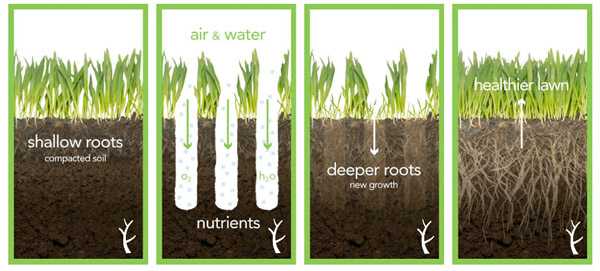
Proper preparation is crucial for successful overseeding. Begin by mowing the existing grass to a shorter height and removing any debris or thatch. Consider aerating the soil to alleviate compaction and improve seed-to-soil contact.
2. Choose the Right Grass Varieties
Select grass varieties that are well-suited to Michigan’s climate and soil conditions. Kentucky bluegrass, fine fescues, and turf-type tall fescue are popular choices due to their ability to thrive in the region.
3. Seed at the Recommended Rate
Refer to the seed manufacturer’s instructions for the recommended seeding rate. Applying too little seed will result in patchy coverage, while excessive seed can lead to overcrowding and poor growth.
4. Water Adequately
Ensure that the newly seeded areas receive sufficient moisture. Water lightly but frequently to keep the soil consistently moist without causing waterlogging. Avoid heavy irrigation, as it can displace the seeds or encourage fungal diseases.
5. Limit Foot Traffic
Minimize foot traffic on newly overseeded areas to prevent disturbance and damage to the grass seedlings. Consider placing temporary barriers or signs to remind family members and visitors to stay off the freshly seeded areas.
6. Regular Maintenance
Once the new grass starts to grow, establish a regular lawn maintenance routine that includes proper mowing, watering, and fertilizing. Regular maintenance promotes healthy growth and helps the new grass blend seamlessly with the existing lawn.
By following these tips and overseeding during the optimal time in Michigan, you can revitalize your lawn and enjoy a thicker, greener turf.
Overall, the best time to overseed your lawn in Michigan is during the early fall season, which provides favorable conditions for seed germination and establishment. By understanding the factors influencing overseeding success and implementing proper techniques, you can achieve a beautiful and resilient lawn that will be the envy of the neighborhood.
What is the best grass seed for overseeding in Michigan?
Frequently Asked Questions
When is the best time to overseed a lawn in Michigan?
The best time to overseed a lawn in Michigan is in the late summer or early fall, preferably between late August and early September. This timing allows the seeds to establish before winter without the competition of weeds or extreme summer heat.
Is it possible to overseed a lawn in Michigan in the spring?
While overseeding can be done in the spring, it is generally not the ideal time for Michigan lawns. Spring overseeding may be less successful due to the increased competition with weeds and the potential for hot, dry weather that can hinder seed germination and establishment.
Can I overseed my lawn in Michigan during the winter?
Overseeding during the winter is not recommended for Michigan lawns. The cold temperatures and frozen ground make it difficult for the seeds to germinate and establish properly. It is best to wait until late summer or early fall for optimal results.
What are the benefits of overseeding a lawn in Michigan?
Overseeding a lawn in Michigan can help improve the overall health and appearance of the grass. It helps fill in bare patches, thickens the turf, and enhances its ability to resist diseases, weeds, and environmental stresses. Additionally, overseeding can introduce new grass varieties that are better adapted to Michigan’s climate.
How often should I overseed my lawn in Michigan?
The frequency of overseeding depends on the condition of your lawn. In Michigan, it is generally recommended to overseed every one to three years, targeting areas with thinning grass or bare patches. Regular overseeding helps maintain a healthy and vibrant lawn over time.
What steps should I follow to overseed my lawn in Michigan?
To overseed your lawn in Michigan, start by mowing the existing grass to a shorter height and raking away any debris. Loosen the soil surface with a rake or aerator to create a better seedbed. Spread the grass seed evenly, following the recommended seeding rates for your specific grass type. Lightly rake the seed into the soil and water thoroughly. Keep the seeded area consistently moist until the new grass becomes established.
Final Thoughts
The best time to overseed your lawn in Michigan is in the early fall, between late August and early October. This is when the soil is still warm but the air temperature is cooler, creating optimal conditions for seed germination. Overseeding during this time helps to fill in thin or bare spots in your lawn, promoting a thicker and healthier turf. By choosing the right time to overseed, you can maximize the chances of success and achieve a lush, green lawn. Remember to prepare the soil properly, choose the right grass seed, and provide proper care and maintenance for the best results.