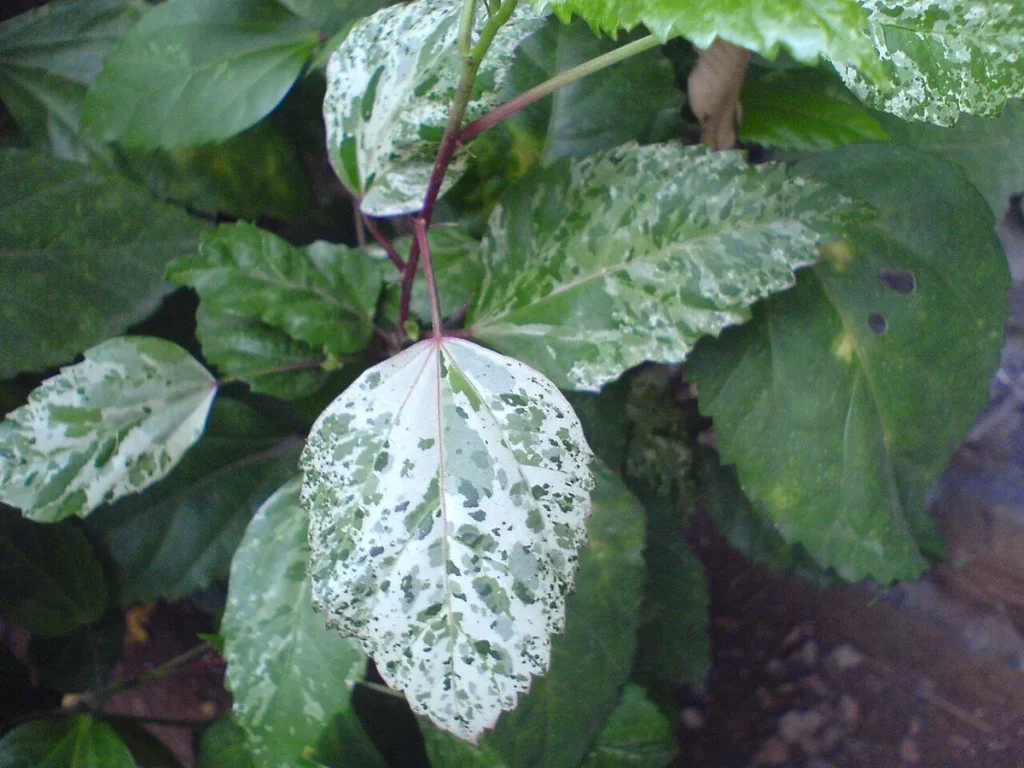
If you've ever tried to remove a rose of Sharon (Hibiscus syriacus) only to watch it come back thicker than before, you're not alone. Learning how to kill rose of Sharon permanently is one of the most common frustrations homeowners face, and the reason most attempts fail is simple: people cut it down and stop there. That's basically fertilizer for this plant.
Rose of Sharon is a tough, resilient shrub that can grow 8 to 12 feet tall and spread aggressively through seed dispersal. It's even listed as invasive in states like Kentucky and Pennsylvania as of 2026. But with the right method and timing, you can eliminate it for good.
Let's walk through what actually works.
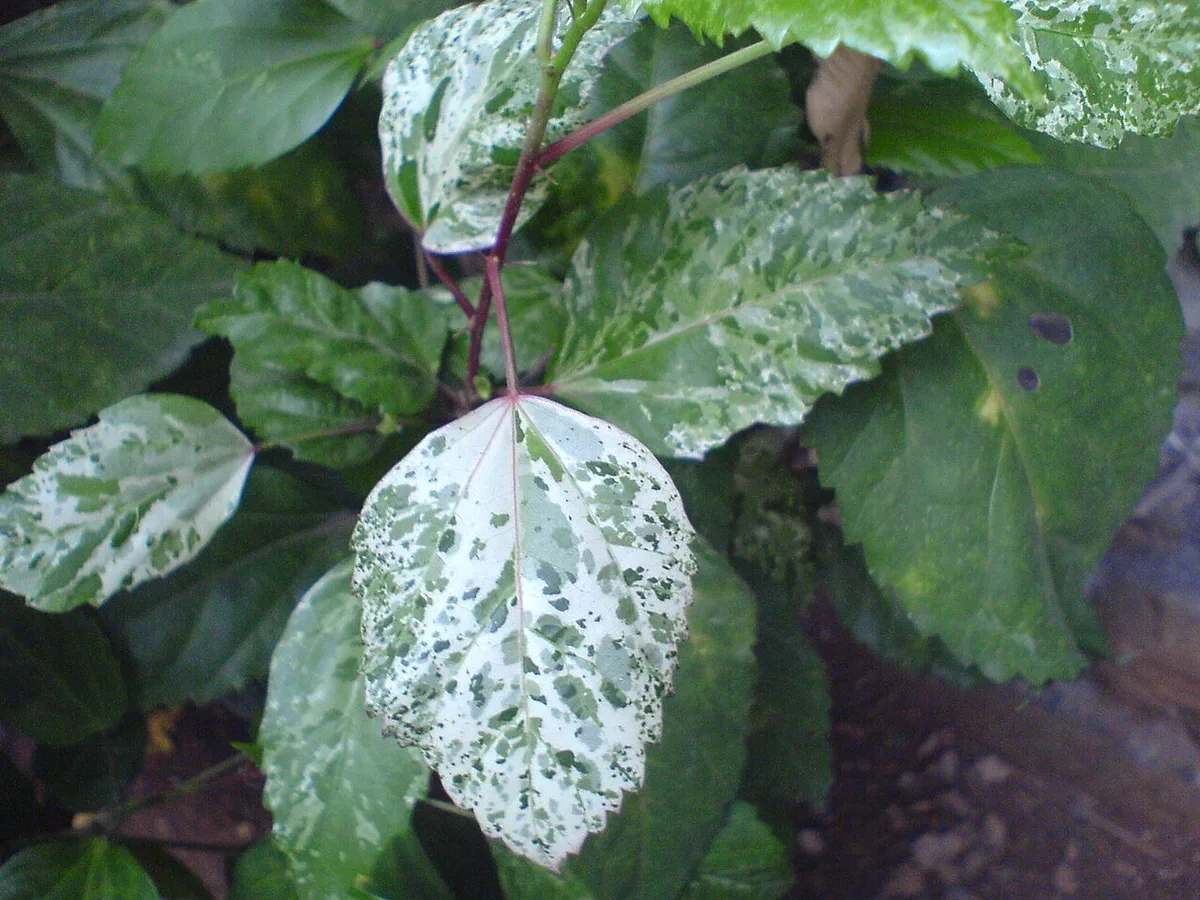
Image source: Wikimedia Commons / Dinesh Valke from Thane, India (CC BY-SA)
Quick Answer
The most effective way to kill rose of Sharon is the cut-stump herbicide method. Cut the shrub close to the ground, then immediately apply a concentrated triclopyr or glyphosate product to the fresh cut surface. Timing matters: late summer through early fall gives the best results because the plant is actively moving nutrients (and herbicide) down to the roots.
Without herbicide treatment, cutting alone will almost certainly lead to aggressive resprouting.
Why Rose of Sharon Is So Hard to Kill (And Why Most People Fail)
Here's the thing about rose of Sharon: it's built to survive disturbance. When you cut it to the ground without follow-up treatment, the root system sends up multiple new shoots from the stump and surrounding roots. You end up with a thicker, bushier plant than you started with.
The root system on a mature plant can extend 12 to 24 inches deep and spread well beyond the drip line of the canopy. Even small root fragments left in the ground can generate new plants. And that's before you factor in the seed bank.
A single mature rose of Sharon produces thousands of seeds each year, and those seeds can remain viable in the soil for several years.
Most people fail because they either cut and walk away, or they use a method that doesn't translocate to the roots. Foliar spray on a large, established bush often burns the leaves but leaves the root system intact. The plant just pushes out new growth the following season.
How Rose of Sharon Survives Your Best Efforts
Understanding why this plant is so persistent helps you choose the right approach. Rose of Sharon has three main survival mechanisms you need to overcome.
Resprouting from the stump and roots. The root system stores significant energy reserves. When the top growth is removed, those reserves fuel rapid new shoot production. A cut stump without herbicide treatment can produce 5 to 10 new shoots within weeks.
Seed bank persistence. Seeds fall around the parent plant and can accumulate in the soil over years. Even after you kill the mature shrub, seedlings can continue appearing for 2 to 5 years if the seed bank isn't addressed.
Wide seed dispersal. Mature seed pods open in fall and release seeds that are spread by wind, water, and animals. This is why rose of Sharon shows up as "volunteer" seedlings all over yards, along fence lines, and in garden beds far from the original plant.
The method you choose needs to address the root system first, then deal with follow-up seedling control.
Method 1: Cut-Stump Herbicide Treatment (Most Effective)
This is the gold standard for killing established rose of Sharon bushes. It works because you're delivering concentrated herbicide directly into the plant's vascular system through the fresh cut, and the chemical translocates down to the roots before the plant can seal off the wound.
What you'll need:
- Loppers or a pruning saw (for stems up to 3 inches) or a chainsaw (for larger trunks)
- Concentrated triclopyr product (such as Garlon 4 or a brush killer containing 8% or more triclopyr) OR concentrated glyphosate (20, 50% concentration)
- A small paintbrush, sponge applicator, or squeeze bottle
- Personal protective equipment: chemical-resistant gloves, eye protection, long sleeves
Step-by-step process:
Cut the shrub stem(s) as close to the ground level as possible. A flat, clean cut gives the best surface for herbicide absorption.
Apply herbicide to the outer ring of the cut stump within 5 to 10 minutes of cutting. This is critical. The cambium layer (just inside the bark edge) is where absorption happens, and it begins to seal quickly. Don't wait.
Coat the entire outer rim of the stump thoroughly. You don't need to drench the center; the living tissue that transports the chemical is at the edges.
For multi-stemmed bushes, treat every stem individually. Missed stems will survive and regrow.
Wait 2 to 4 weeks and check for signs of dieback. The leaves may wilt and brown within days, but full root death takes longer.
Once the plant is clearly dead, dig out the root ball if you want to replant the area. This step is optional but recommended, as it removes the bulk of the root mass and reduces the chance of any late regrowth.
Why triclopyr is usually the better choice: Triclopyr is a broadleaf-specific herbicide, meaning it targets woody plants like rose of Sharon without harming most grasses nearby. Glyphosate is non-selective and will kill any green plant it contacts, which can be a problem in a garden setting.
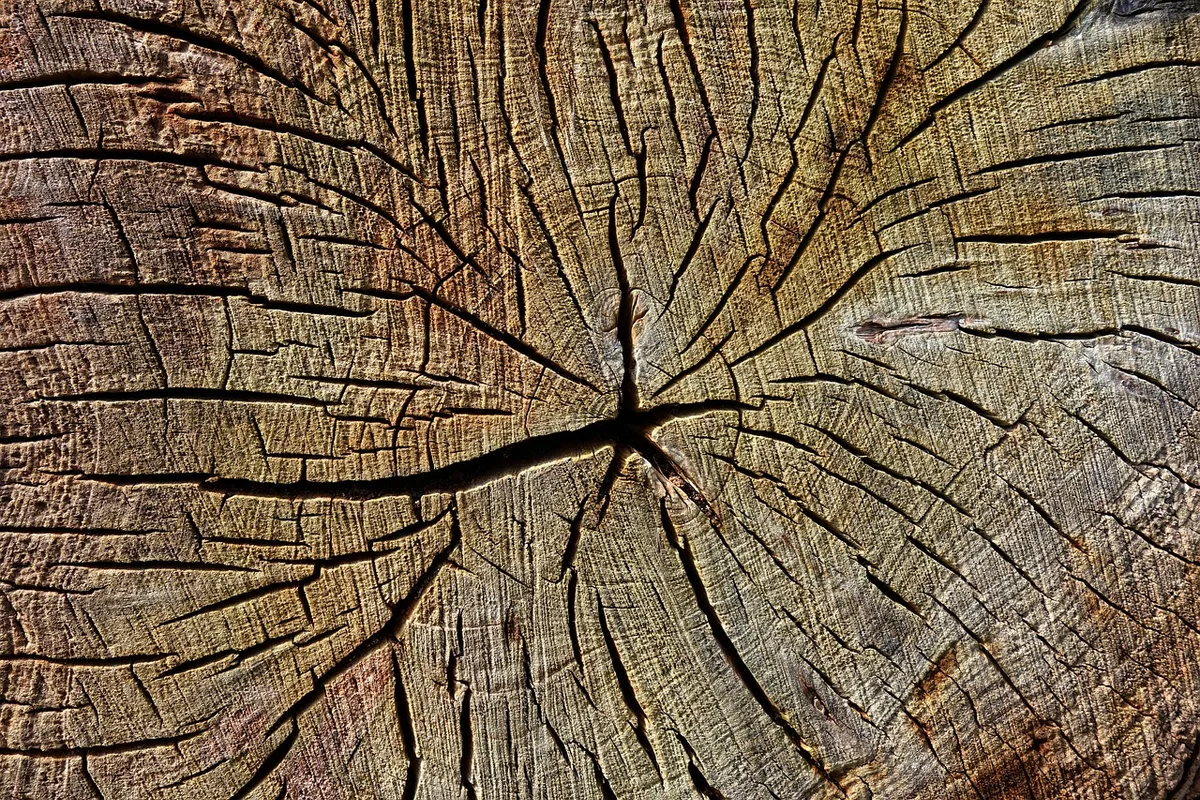
Image source: Pixabay / MabelAmber (Pixabay Content License)
Method 2: Foliar Spray for Smaller or Dense Growth
Foliar spraying works best on younger rose of Sharon plants, dense stands of seedlings, or regrowth from a previously cut stump. It's less effective on large, mature bushes because the thick, waxy leaves don't absorb herbicide well, and the spray often can't reach enough leaf surface to deliver a lethal dose to the roots.
When to use this method:
- Seedlings and plants under 3 feet tall
- Dense patches of new growth
- Regrowth from a stump that wasn't treated previously
- Situations where you can't or don't want to cut the plant first
How to do it:
Choose a calm, dry day with no rain expected for at least 24 hours. Wind drift is a real risk with foliar spray, especially near desirable plants.
Mix your herbicide according to the product label. For glyphosate, a 1, 2% solution is typical for foliar application on young growth. For triclopyr, follow the woody plant rate on the label.
Spray the leaves thoroughly until they are wet but not dripping. Coverage matters more than concentration here.
Avoid spraying on hot, dry days when the plant is stressed. The best results come when the plant is actively growing and translocating nutrients, which means late summer through early fall.
Expect to reapply. Foliar spray on anything larger than a seedling often requires two or more applications spaced 2 to 4 weeks apart.
The main limitation: Foliar spray on a mature, multi-stemmed rose of Sharon bush rarely kills the root system completely. You'll see top dieback, but the roots often survive and send back new growth. That's why the cut-stump method is preferred for anything more than a year or two old.
Method 3: Basal Bark Treatment for Medium-Sized Stems
Basal bark treatment is a good middle ground for rose of Sharon plants with stems between 1 and 6 inches in diameter. Instead of cutting the plant first, you apply herbicide mixed with an oil carrier directly to the lower 12 to 18 inches of the bark. The oil helps the chemical penetrate the bark and move into the root system.
What makes this method useful:
- No cutting required, so it's less labor-intensive on multi-stemmed plants
- Works on stems too large for foliar spray but too small to justify chainsaw work
- Effective during dormancy (late fall through early spring) when cut-stump methods are less reliable
How to apply:
Use a triclopyr product formulated for basal bark application, or mix triclopyr ester (like Garlon 4) with a basal oil or diesel fuel at the ratio specified on the label, typically 20, 25% herbicide to 75, 80% oil carrier.
Spray or paint the mixture on the lower 12 to 18 inches of each stem, completely encircling the stem. The bark should be saturated but not running.
Apply anytime the bark is dry. This method works even in winter when the plant is dormant, because the oil carrier keeps the herbicide in contact with the bark long enough for absorption.
Results take longer than cut-stump treatment. Expect 4 to 8 weeks to see full dieback.
One caveat: Basal bark treatment uses an oil carrier, which means there's a higher risk of off-target damage if the mixture contacts the soil or nearby plants. Use it carefully in garden settings.
Method 4: Manual Removal (When You Want to Avoid Chemicals)
If you'd rather not use herbicide, manual removal is possible, but it requires more physical effort and more follow-up. This method works best on younger plants with smaller root systems.
For small plants and seedlings:
- Hand-pull when the soil is moist. The entire root needs to come out.
- Use a shovel or mattock to dig around the root ball and lever it out.
- Shake off excess soil and dispose of the entire plant, including roots.
For established bushes:
- Cut the shrub to the ground first, then dig out the stump and as much of the root system as you can reach.
- A mattock, pry bar, and sharp shovel are your best tools here.
- Expect to dig a hole 2 to 3 feet across and 12 to 18 inches deep for a mature plant.
The honest truth about manual removal: You will almost certainly miss some root fragments. Those fragments will produce new sprouts. Plan to monitor the area for at least a full growing season and pull or treat any regrowth immediately.
For many people, the follow-up effort ends up being more work than just using herbicide the first time.

Image source: Pixabay / cotrim (Pixabay Content License)
Timing Matters More Than You Think
When you apply herbicide is almost as important as how you apply it. Rose of Sharon, like most woody plants, moves sugars and nutrients downward to the roots in late summer and early fall. That's when herbicide translocation to the root system is most efficient.
Best timing for cut-stump and foliar treatments:
Late August through October. The plant is actively storing energy in the roots for winter, and it pulls the herbicide down with it.
Acceptable timing:
Spring through early summer. The plant is growing actively, so it will absorb and move the herbicide. Results may be slightly less reliable than fall applications.
Worst timing:
Late fall after leaf drop and during deep winter dormancy. The plant isn't actively translocating, so the herbicide sits in the treated tissue and doesn't reach the roots effectively. The exception is basal bark treatment, which works during dormancy because the oil carrier maintains contact with the bark.
One more timing note: avoid treating right before heavy rain. Most herbicides need 6 to 24 hours of dry weather after application to absorb properly. Check the forecast before you start.
What to Do After the Plant Is Dead
Once the herbicide has done its job and the rose of Sharon is clearly dead, you've got a few decisions to make. The stump and root system are still in the ground, and how you handle them affects what you can do with that space going forward.
Dig out the root ball if you're replanting. For most garden or landscape use, removing the dead root mass is worth the effort. A mature root ball can be 2 to 3 feet across. Use a mattock and shovel to work around the edges, then lever it out.
This also removes a good portion of the nearby seed bank.
Grind the stump if digging isn't practical. Stump grinding is faster and less disruptive to the surrounding area. Rent a grinder or hire a local service. Grind at least 6 inches below grade so you can cover it with soil and plant over it.
Leave it to decompose naturally. If the location isn't critical, you can let the dead stump rot in place. This takes 2 to 5 years depending on the size. Speed it up by drilling holes into the stump and filling them with a high-nitrogen fertilizer.
Keep the area moist.
Dispose of cut material carefully. If the plant had mature seed pods when you cut it, those seeds can still mature on cut branches. Bag the material and dispose of it with yard waste. Don't compost it unless your compost pile reaches temperatures high enough to kill seeds, which most home setups don't.
How to Deal With the Seed Bank and Volunteer Seedlings
Killing the mature plant is only half the battle. Rose of Sharon seeds can sit in the soil for years, and they'll germinate whenever conditions are right. Expect to manage seedlings for at least 2 to 3 seasons after the parent plant is gone.
Pull seedlings when the soil is moist. Young seedlings come out easily by hand if the ground is damp. Get the entire root, and try to do this before they develop a woody stem. Once they're more than a year old, they start getting harder to pull cleanly.
Spot-treat with foliar spray. For larger patches of seedlings, a glyphosate or triclopyr foliar spray works well. Use a shielded sprayer or a sponge applicator to avoid hitting nearby plants.
Mulch heavily to suppress germination. A 3 to 4 inch layer of wood chip mulch over the area blocks light and significantly reduces seedling emergence. This won't eliminate the seed bank, but it cuts down on the number of volunteers you'll need to deal with.
Monitor the area regularly. Walk the site every few weeks during the growing season. Catching seedlings when they're small is far easier than dealing with established plants. A quick pass with a hoe or a spot of herbicide takes seconds per plant.
Image source: Pixabay / manfredrichter (Pixabay Content License)
Common Mistakes That Make the Problem Worse
These are the errors we see most often, and they all have the same result: a bigger problem than you started with.
Cutting without herbicide treatment. This is the number one mistake. Cutting stimulates the root system to produce multiple new shoots. You go from one stem to a dozen within a month.
Waiting too long to treat the cut stump. The cambium layer begins sealing within minutes. If you cut the plant and then go find your herbicide, you've missed the window. Have everything ready before you make the first cut.
Using too dilute a solution. Weed killer straight from the ready-to-spray bottle is formulated for lawn weeds, not woody shrubs. For cut-stump treatment, you need concentrated product, typically 20 to 50% herbicide. Check the label for brush or stump treatment rates.
Ignoring nearby seedlings. You kill the mature bush and feel good about it, then six months later you've got 50 new plants popping up from the seed bank. Plan for follow-up from the start.
Applying herbicide at the wrong time. Treating in late fall or winter when the plant is dormant gives poor results because there's little to no downward translocation. Late summer and early fall are your best windows.
Not wearing protective gear. Triclopyr and glyphosate are serious chemicals. Gloves, eye protection, and long sleeves aren't optional. Read the product label for full PPE requirements.
Which Method Is Right for Your Situation
Not every method fits every scenario. Here's a quick breakdown to help you decide.
| Situation | Best Method | Why |
|---|---|---|
| Single mature bush, 6+ ft tall | Cut-stump with triclopyr | Most reliable kill on large plants |
| Multi-stemmed bush, stems 1–6 in | Basal bark treatment | No cutting needed, works on each stem |
| Dense patch of seedlings under 3 ft | Foliar spray | Covers large area efficiently |
| Small plant, under 2 ft, few roots | Manual removal | No chemicals needed for small jobs |
| Near a vegetable garden or waterway | Manual removal or careful basal bark | Minimizes chemical drift risk |
| Winter application needed | Basal bark treatment | Only method that works in dormancy |
If you're dealing with a single large bush and want the highest success rate, go with the cut-stump method using triclopyr. It's the most researched and reliable approach for woody invasive shrubs.
If you've got a thicket of medium-sized stems, basal bark treatment saves you from cutting each one individually. It takes longer to see results, but it gets the job done.
If chemicals aren't an option, commit to manual removal plus aggressive follow-up. Pull every seedling you see for at least two full growing seasons. Mulch the area heavily to reduce germination.
Safety, Legal, and Environmental Considerations
Herbicide use comes with responsibilities. A few things to keep in mind before you start.
Read the full product label. In the United States, the herbicide label is a legal document. You are required by law to follow the application rates, timing, and safety precautions listed on it. "The label is the law" isn't just a saying.
Check your state's regulations. Some states restrict certain herbicides or require certification for application. Rose of Sharon is listed as invasive in Kentucky, Pennsylvania, and several other states, which may affect how you're allowed to manage it. Your state's department of natural resources or extension service can clarify local rules.
Protect water sources. Don't apply herbicide near streams, ponds, or storm drains. Glyphosate and triclopyr can be toxic to aquatic organisms. Maintain a buffer zone of at least 10 to 15 feet from any water body.
Avoid drift. On windy days, skip foliar spraying entirely. Even a light breeze can carry droplets to nearby garden plants, and glyphosate doesn't discriminate between a rose of Sharon and your tomato plants.
Wear proper PPE. At minimum: chemical-resistant gloves, safety glasses or goggles, long sleeves, long pants, and closed-toe shoes. Some products require a respirator for mixing concentrated solutions. Check the label.
Keep kids and pets away. Follow the re-entry interval on the product label. Most herbicides need several hours to dry before it's safe for children or animals to be in the treated area.
Dispose of leftover product properly. Don't pour unused herbicide down the drain. Many communities have household hazardous waste collection programs. Contact your local waste management authority for guidance.
Expert Tips From the Field
A few things that make the difference between a clean kill and a frustrating do-over.
Mix a dye into your herbicide. Products like Mark-It-Blue or even a few drops of food coloring help you see exactly which stumps you've treated. On a multi-stemmed bush, it's easy to miss one, and that one missed stem will survive.
Treat the whole root zone if you can. After a cut-stump application, some professionals also apply a soil-active herbicide like imazapyr to the area immediately around the base. This catches any root suckers that try to sprout from lateral roots. Use this approach carefully and only where you won't be planting anything soon, since imazapyr has long soil persistence.
Don't mow regrowth. Spray it. If you see new shoots coming from the base after treatment, resist the urge to mow them down. Let them grow to 12 to 18 inches, then hit them with a foliar spray.
The leaves need to be big enough to absorb a lethal dose.
Keep a "seedling calendar." Mark your calendar for early spring and mid-summer. Walk the area and pull or spot-spray anything that's come up. Two minutes of attention every few weeks beats hours of work later.
Frequently Asked Questions
Will cutting rose of Sharon kill it?
No. Cutting alone almost always makes it worse. The root system responds by sending up multiple new shoots, and you end up with a denser plant than you started with.
You need to follow up with herbicide on the fresh cut stump within minutes.
What is the best herbicide for rose of Sharon?
Triclopyr is generally the top choice for cut-stump and basal bark treatments on woody shrubs. It targets broadleaf plants and is less likely to harm nearby grasses. Glyphosate also works well for cut-stump applications but is non-selective, so it will kill any plant it contacts.
How long does it take for rose of Sharon to die after herbicide treatment?
You'll usually see wilting and browning within 1 to 2 weeks. Full root death takes 4 to 6 weeks. Don't assume the plant is dead just because the top looks brown.
Wait at least a month before deciding whether you need a follow-up treatment.
Can I use vinegar to kill rose of Sharon?
Horticultural vinegar (20% acetic acid) can burn the foliage of young seedlings, but it won't kill the root system of an established plant. It's not a reliable standalone method for anything more than a first-year seedling.
Is rose of Sharon invasive?
It's listed as invasive in several states, including Kentucky and Pennsylvania. It spreads aggressively through seed dispersal and can colonize disturbed areas, roadsides, and forest edges. Even in states where it's not officially listed, many extension services recommend controlling unwanted plants.
Do I need a license to apply herbicide to rose of Sharon?
For most residential applications of over-the-counter herbicides, no license is required. However, some states restrict certain products or concentrations. Check with your state's department of agriculture or extension service if you're unsure.
Final Recommendation: Your Action Plan
Here's the straightforward version. If you've got a mature rose of Sharon you want gone, here's what to do.
Step 1: Wait for late summer or early fall if you can. That's your window for the most effective treatment.
Step 2: Cut the shrub as close to the ground as possible. Have your concentrated triclopyr or glyphosate ready before you cut.
Step 3: Apply herbicide to the outer ring of each cut stump within 5 minutes. Don't skip stems.
Step 4: Wait 4 to 6 weeks. Check for dieback. Dig out the root ball or grind the stump once the plant is clearly dead.
Step 5: Monitor the area for seedlings over the next 2 to 3 growing seasons. Pull or spot-treat them as they appear. Mulch heavily to suppress germination.
That's it. The method isn't complicated, but the details matter. Treat the stump quickly, use the right concentration, and stay on top of the follow-up.
Do those three things and you'll be done with rose of Sharon for good.