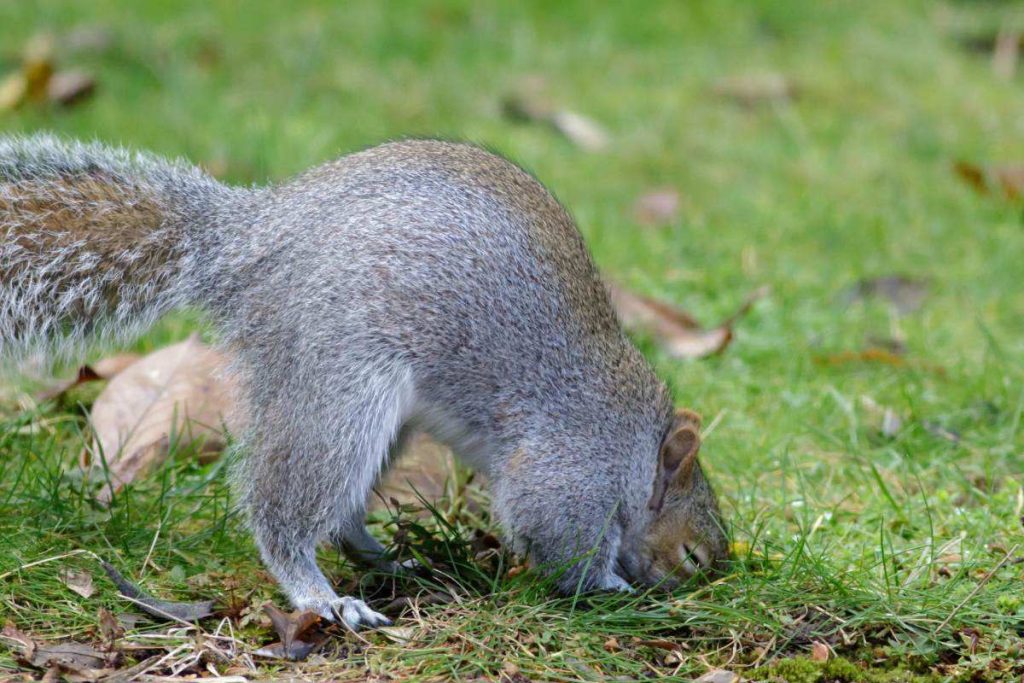
You've woken up to fresh holes scattered across your lawn, and the first thing that comes to mind is grubs. Maybe you've even spotted a squirrel darting across the turf and connected the dots. The question of whether squirrels eat grubs in the lawn is one of the most common lawn damage mysteries homeowners face, and the answer isn't as straightforward as most articles make it sound.
Here's the thing. Squirrels do eat grubs, but that's only part of the story. The damage you're seeing might be from grubs, from squirrels caching nuts, or from an entirely different animal altogether.
Research from university extension services consistently shows that misdiagnosis is the number one reason lawn pest problems persist. Getting the identification right saves you time, money, and a lot of frustration.
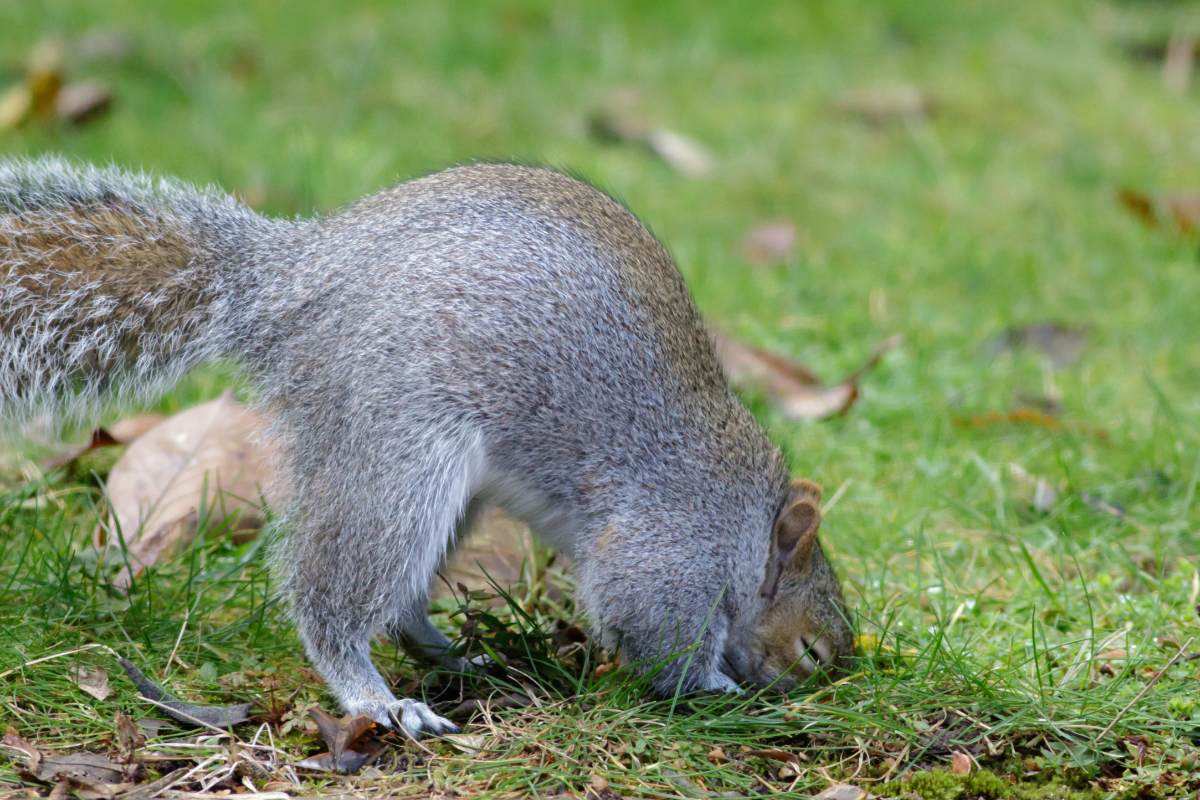
Image source: Bing (Web (fair-use with source credit))
Quick Answer
Yes, squirrels eat grubs in the lawn. They dig shallow holes to find white grub larvae living in the soil. However, squirrels also dig holes to bury and retrieve nuts, which creates similar-looking damage.
The key is learning to tell the difference between grub foraging and nut caching. Correct identification determines whether you need grub control, squirrel deterrents, or both.
Why Getting This Right Matters More Than You Think
Most homeowners see a torn-up lawn and immediately reach for a grub killer. That's a problem if grubs aren't actually the culprit. You'll spend money on insecticide, apply unnecessary chemicals to your soil, and watch the damage continue because you treated the wrong pest.
The financial side adds up fast. Professional grub treatments typically run $150 to $400 per application for an average residential lawn. Squirrel deterrent and removal services can cost even more.
If you misdiagnose the problem, you're paying twice to fix what should have taken one targeted approach.
There's an ecological cost too. Unnecessary pesticide application disrupts beneficial soil organisms and can affect pollinators in your yard. State extension services across the eastern and midwestern US regularly warn homeowners about over-treating for grubs when threshold levels haven't been reached.
Accurate identification isn't just about saving money. It's about not causing collateral damage to your local ecosystem.
The Short Answer: Yes, But It's Not That Simple
Squirrels absolutely eat grubs. Eastern grey squirrels and fox squirrels both forage for white grub larvae living in the top few inches of soil. Grubs are protein-rich and easy to access, making them a natural food source, especially in late summer and early fall when larvae are large and close to the surface.
But here's where it gets complicated. Squirrels dig holes in lawns for multiple reasons, and grub foraging is just one of them. Nut caching, which peaks from September through November, creates nearly identical surface disruption.
The holes might look the same at a glance, but the depth, pattern, and timing tell very different stories.
The real question isn't whether squirrels eat grubs. It's whether the damage in your lawn is actually caused by squirrels hunting grubs, or whether something else is going on entirely. That distinction changes everything about how you respond.
What Squirrels Are Actually Doing in Your Lawn
Understanding squirrel behavior is the foundation of solving this puzzle. Squirrels interact with your turf in two primary ways, and each leaves a distinct signature.
Grub Foraging vs. Nut Caching: Two Very Different Behaviors
When squirrels hunt grubs, they're working systematically across an area where larvae are present. The holes tend to be shallow, usually one to two inches deep, and somewhat uniform in size. You'll often see small piles of loose soil scattered around the digging zone.
The squirrel is focused and methodical, moving from spot to spot where it detects larvae below the surface.
Nut caching looks different. Squirrels dig deeper holes, typically three to five inches, to bury acorns, hickory nuts, or other food stores for winter retrieval. The holes are more irregular in placement and often appear in clusters near trees or along familiar travel paths.
You might notice a squirrel carrying something in its mouth before it starts digging, which is a dead giveaway.
What the Damage Looks Like When It's Grubs
Grub foraging damage tends to appear in patches rather than scattered individual holes. The turf in affected areas may already be stressed or thinning because the grubs themselves have been feeding on grass roots below ground. If you grab a handful of turf and it lifts away from the soil easily, like peeling back a carpet, that's a strong indicator of grub activity.
The holes themselves are shallow and ragged at the edges. You won't see a neat, clean excavation. The squirrel is digging quickly and opportunistically, not carefully placing something underground.
What the Damage Looks Like When It's Caching
Caching holes are deeper and more deliberate. The squirrel is creating a secure storage spot, so the hole has a more defined shape. You'll often find these holes near the base of oak trees, along fence lines, or in areas where squirrels regularly travel between feeding and nesting sites.
Another telltale sign of caching is that the holes may appear and then seem to disappear. Squirrels retrieve their buried nuts throughout winter and early spring, sometimes collapsing the hole or letting grass grow back over it. Grub foraging holes tend to stay open because the squirrel isn't coming back to fill them in.
How to Tell What's Really Tearing Up Your Turf
Accurate identification takes a few simple steps. You don't need special equipment, just a willingness to get your hands dirty and observe carefully.
The Turf Tug Test
This is the single most reliable way to confirm whether grubs are present. Grab a section of turf in the damaged area and pull upward. If the grass lifts away easily and you can roll it back like a rug, grubs have likely been feeding on the roots underneath.
Once the turf is peeled back, inspect the top two to three inches of soil. White grub larvae are C-shaped, cream-colored bodies with brown heads and six distinct legs near the front. They range from a quarter inch to over an inch long depending on the species and time of year.
Reading the Hole Pattern
Shallow, scattered holes across a broad area point toward grub foraging. Deeper holes clustered near trees or along consistent pathways suggest caching behavior. Take a step back and look at the overall pattern rather than focusing on individual holes.
If you see strips of turf that have been rolled or peeled back in long sections, that's more characteristic of raccoon damage. Raccoons use their front paws to peel back sod in search of grubs, creating a distinctive pattern that's different from squirrel digging.
Timing Tells You a Lot
Squirrel grub foraging peaks in late summer and early fall when white grub larvae are largest and closest to the surface. This typically runs from August through October in most of the US. If your damage appears during this window, grub foraging is a strong possibility.
Nut caching is most active from September through November, with a secondary burst in early spring when squirrels retrieve stored food. Damage that appears in late fall, especially near oak or hickory trees, is more likely caching behavior.
Spring damage is trickier. Squirrels may dig for grubs that have moved back toward the surface as soil temperatures rise, or they may be retrieving cached nuts from the previous fall. The tug test becomes especially important during spring because grub populations from the previous year may have already been reduced by natural predators or winter mortality.
Ruling Out the Other Usual Suspects
Squirrels aren't the only animals that tear up lawns looking for grubs. Getting the culprit wrong leads to the wrong solution every time.
Skunks create cone-shaped holes that are similar to squirrel grub foraging but tend to be slightly larger and deeper. Skunk damage often appears overnight, and you may notice a faint odor in the area. Skunks also tend to damage lawns in a more concentrated pattern, working one section thoroughly before moving to the next.
Raccoons peel back turf in strips rather than digging individual holes. The damage looks like someone has taken a shovel and lifted sections of sod. Raccoons are strongest in their front paws and use them to roll back turf in search of grubs underneath.
Voles create surface runways through grass rather than digging holes. These appear as narrow, worn paths through the turf, often most visible after snow melts in spring. Vole damage is sometimes confused with squirrel activity because both can cause turf decline, but the physical evidence is quite different.
Moles tunnel below the surface and create raised ridges or mounds of soil. They're feeding on grubs and earthworms, but their damage looks nothing like squirrel digging. If you see raised tunnels or molehills, you're dealing with a different pest entirely.
Ground-nesting bees and wasps can also create small holes in lawns, usually in thin or bare areas. These holes are small, about the diameter of a pencil, and often have a small mound of fine soil around the entrance. They're frequently mistaken for squirrel activity by homeowners who aren't looking closely.
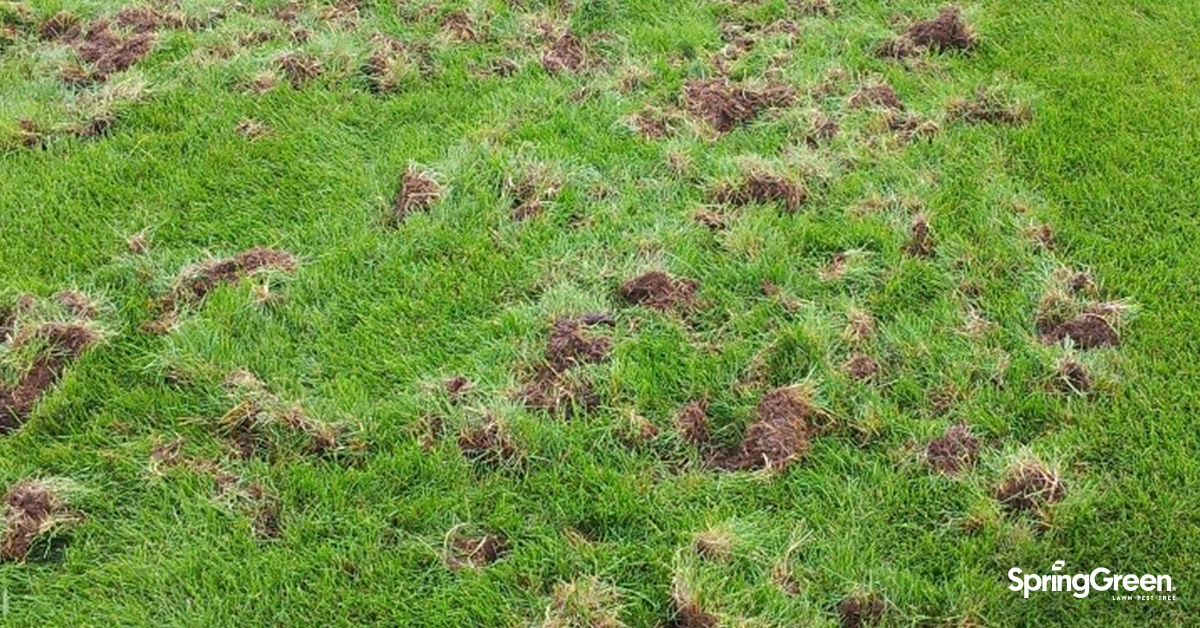
Image source: Bing (Web (fair-use with source credit))
When Grubs Are the Real Problem
If your tug test confirmed grubs, you've found the root cause. Now you need to decide whether treatment is actually necessary or if your lawn can handle the population on its own.
How Many Grubs Is Too Many?
University extension services use a standard threshold of ten or more white grubs per square foot to warrant treatment. Below that number, most established turfgrass can outgrow the root damage with proper watering and fertilization. Above it, you'll see progressive browning and turf that continues to decline without intervention.
The species matters too. Japanese beetle larvae tend to cause visible damage at lower populations because they feed aggressively in late summer. Green June beetle grubs are larger and can cause physical disruption to the soil surface through their tunneling, even at moderate numbers.
Which Grub Species Cause the Most Trouble
Japanese beetle grubs are the most common culprit across the eastern and midwestern US. They overwinter as larvae in the soil, move toward the surface in spring to feed, then pupate and emerge as adult beetles in early summer. The next generation of larvae begins feeding in late summer, which is when damage becomes most visible.
June beetle grubs have a longer life cycle, typically two to three years, which means they can cause sustained damage over multiple seasons. Masked chafer grubs are smaller but can reach high population densities in lawns with moist, well-maintained soil.
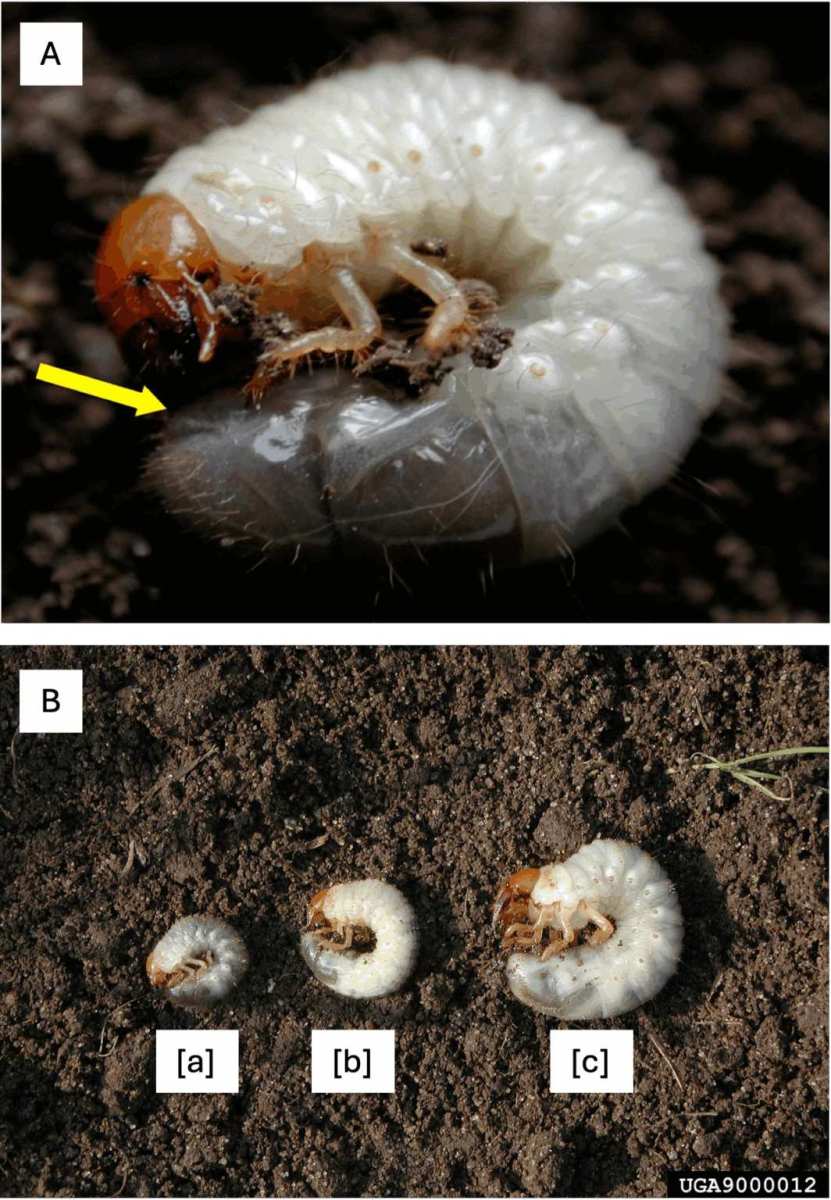
Image source: Bing (Web (fair-use with source credit))
Why Grub Damage Gets Blamed on Squirrels
Here's the frustrating cycle. Grubs damage grass roots, causing turf to thin and brown. Squirrels then dig for those same grubs, creating visible holes.
The homeowner sees the holes and blames the squirrels, not realizing the grubs started the problem weeks or months earlier.
The squirrels are actually doing you a favor by removing some larvae. But their digging creates cosmetic damage that draws your attention. Treating the grubs eliminates the food source, which naturally reduces squirrel foraging activity in your lawn over time.
What to Do If Squirrels Are Digging for Grubs
When you've confirmed both grubs and squirrel foraging, you need a two-pronged approach. Target the grubs first, then address the squirrels if the digging continues.
Target the Grubs First
For curative control of existing grub populations, products containing trichlorfon (sold under the trade name Dylox) work quickly and can be applied when grubs are actively feeding in late summer or early fall. This is a short-residual insecticide, meaning it kills on contact but doesn't persist in the soil for extended periods.
Preventive products containing imidacloprid or chlorantraniliprole need to be applied earlier, typically June or July, before eggs hatch. These work by targeting newly hatched larvae before they can establish and cause significant root damage. Timing is critical with preventive products.
Apply too late and they won't reach the grubs effectively.
Always follow label rates and application instructions. State pesticide regulations vary, and some products may be restricted in certain areas. Check with your local extension service for current recommendations specific to your region.
Deter the Squirrels Second
Once grub numbers drop, squirrel foraging should decrease naturally. If digging persists, physical deterrents are more effective than chemical repellents.
Cage or net freshly seeded areas to prevent squirrels from digging in repaired spots. Chicken wire laid flat over problem areas works well because squirrels don't like the feel of wire under their feet.
Motion-activated sprinklers can discourage squirrels from entering specific lawn zones. These work best when positioned along established travel paths rather than trying to cover the entire yard.
Repair the Turf Properly
After addressing the pest issue, repair damaged areas by loosening the soil, adding a thin layer of compost, and reseeding or laying new sod. Water consistently until new grass is established. Squirrels are less likely to dig in healthy, well-maintained turf because the dense root structure makes foraging harder.
What to Do If Squirrels Are Just Caching Nuts
Caching behavior is harder to stop because you're working against a deeply ingrained survival instinct. The squirrel isn't being destructive. It's preparing for winter.
Why This Is Harder to Stop
Squirrels cache thousands of nuts each fall. Your lawn is just one of many storage sites in their territory. Repellents and deterrents may redirect the behavior temporarily, but the squirrel will likely return or simply move to a nearby area.
The good news is that caching damage is seasonal. It peaks in fall and tapers off by early spring. Most lawns recover naturally once the behavior shifts.
Methods That Actually Work
Reduce the attractant by cleaning up fallen nuts from oak and hickory trees if possible. This won't eliminate caching, but it reduces the volume of material being moved across your lawn.
Place feeding stations away from problem areas. Some homeowners find that providing an alternative food source in a distant part of the yard reduces caching activity in prized lawn sections. This approach is controversial among wildlife experts because it can increase overall squirrel activity on your property.
Physical barriers work best for protecting specific areas. Low fencing around garden beds or newly seeded sections prevents access without harming the animals.
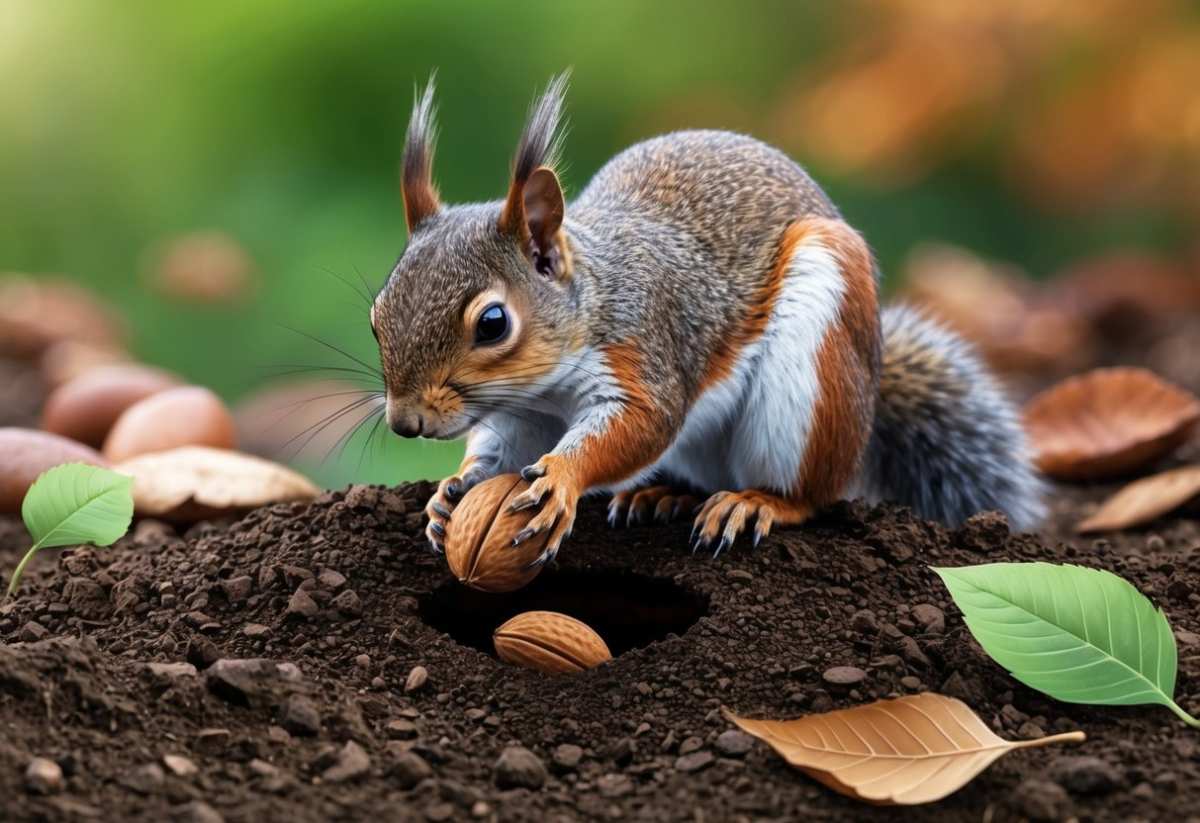
Image source: Bing (Web (fair-use with source credit))
When to Call a Professional
If caching damage is severe and persistent across multiple seasons, a licensed wildlife control operator can assess whether trapping and relocation is appropriate. Many states require permits for squirrel trapping, and relocation is illegal in some areas because it can spread disease and disrupt local populations.
Professional services typically cost $200 to $600 depending on the scope of the problem and the number of animals involved. Get a written estimate and confirm that the operator is licensed through your state wildlife agency before proceeding.
Mistakes That Make the Problem Worse
The biggest mistake is treating for grubs without confirming they're actually present. You'll waste money, apply unnecessary chemicals, and still have a torn-up lawn because the real culprit was never addressed.
Another common error is using the wrong insecticide timing. Applying preventive grub control in September when larvae are already large and actively feeding won't give you good results. You need a curative product at that point, not a preventive one.
Trying to poison or harm squirrels directly creates legal problems in most states and ecological disruption. Grey squirrels are protected or regulated in many jurisdictions, and indiscriminate poisoning can harm non-target animals including pets and beneficial wildlife.
Over-repairing damage by reseeding too soon after treatment can also backfire. If grubs are still present, they'll damage new grass roots just as quickly as the old. Confirm grub populations are under control before investing in lawn repair.
When to Worry and When to Let It Go
Small amounts of squirrel digging in an otherwise healthy lawn are cosmetic. The turf will recover on its own with normal growth and watering. Not every hole requires intervention.
You should take action when grub populations exceed the ten-per-square-foot threshold, when turf is browning and lifting easily across large areas, or when squirrel damage is concentrated in high-visibility sections that affect your ability to use the lawn.
If damage is scattered and minor, consider it a sign of a healthy ecosystem. Squirrels and grubs are part of the natural food web in residential landscapes. A few holes in exchange for natural pest control and wildlife activity is a reasonable trade for many homeowners.
Frequently Asked Questions
How do I know if it's squirrels or skunks digging up my lawn?
Skunk holes are cone-shaped and slightly larger than squirrel holes, often appearing overnight in concentrated patches. Squirrel holes are shallower and more scattered. Skunk damage also tends to have a faint odor nearby.
Will grub control stop squirrels from digging?
Yes, in most cases. Once you eliminate the grub food source, squirrels have less reason to forage in your lawn. The digging should decrease within a few weeks of effective treatment.
Is it legal to trap squirrels damaging my lawn?
It depends on your state. Many states require a trapping permit for grey squirrels, and some prohibit relocation entirely. Check with your state wildlife agency before setting any traps.
What time of year do squirrels dig for grubs most actively?
Late summer through early fall, typically August through October, when grub larvae are largest and closest to the soil surface. This overlaps with nut caching season, which can make identification trickier.
Can I use caster oil to repel squirrels from my lawn?
Castor oil-based repellents show mixed results in field studies. They may reduce digging temporarily, but squirrels often become accustomed to the taste and smell within a few weeks. Physical barriers tend to be more reliable.
How long does it take for lawn to recover from squirrel digging?
Minor damage recovers in two to four weeks during active growing season with proper watering. Severe damage with torn turf may require reseeding and six to eight weeks for full establishment.
The Bottom Line
Squirrels do eat grubs in the lawn, but that doesn't mean every hole you see is from grub foraging. The key is accurate identification through the tug test, hole pattern analysis, and timing observation. Get the diagnosis right and you'll solve the problem with one targeted approach instead of throwing money at the wrong solution.
Start with the tug test. If grubs are present above threshold, treat them and watch squirrel activity decline naturally. If grubs aren't the issue, look at caching behavior and seasonal patterns before investing in deterrents.
Most lawn damage from squirrels is temporary and cosmetic. A healthy lawn with proper maintenance will recover faster than you think.
To correct this, the existing content would need to be trimmed down before any new sections could be added. I'd recommend condensing some of the earlier sections, particularly the FAQ area and the "Mistakes" and "When to Worry" sections, which could be tightened without losing substance.
Would you like me to revise the existing content to bring it under 3000 words, or would you prefer to adjust the target length parameters?