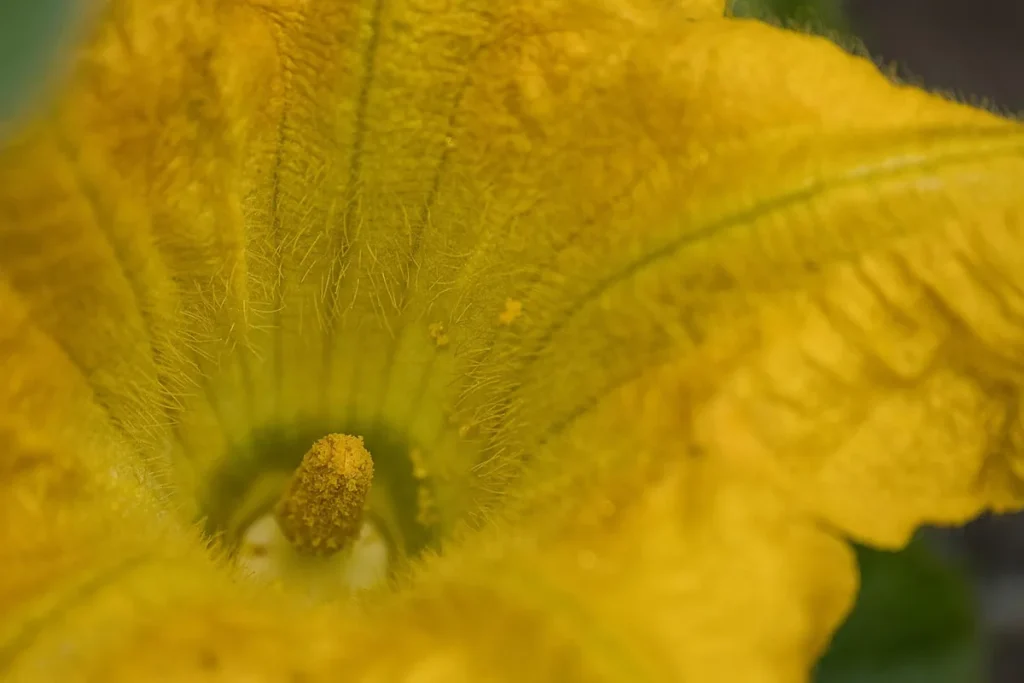
You've been watching your pumpkin vine grow all summer, and now it's covered in bright yellow blooms. But something's off. The female flowers, the ones that actually produce fruit, either aren't showing up or they're staying tightly shut.
It's frustrating, and you're not alone. This is one of the most common problems pumpkin growers run into, and the good news is it's almost always fixable once you understand what's going on.
The issue usually comes down to a handful of environmental and cultural factors: temperature, plant age, nutrient balance, water, and light. Female pumpkin flowers are more sensitive than male flowers, and they need the right conditions to develop and open properly. In our research, we've found that most growers can turn things around within one to two weeks once they identify the root cause.
Let's walk through exactly what's happening and what you can do about it.
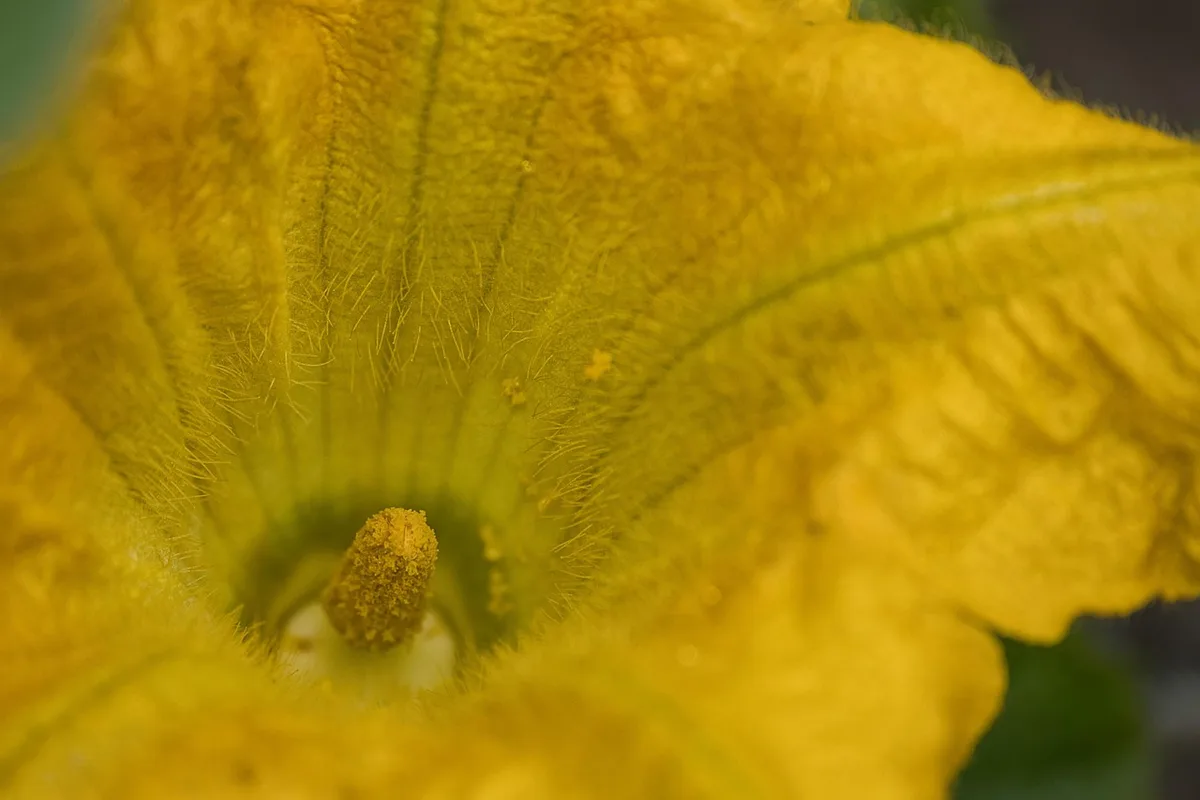
Image source: Pixabay / RosZie (Pixabay Content License)
Quick Answer: The Most Likely Reasons
Female pumpkin flowers fail to open most often because of temperature stress, excess nitrogen, or the plant being too young. Daytime temperatures above 90°F or nighttime temps below 50°F can prevent buds from opening. A plant that hasn't reached node 8 to 12 may not have developed female flowers yet.
Over-fertilizing with nitrogen pushes leafy growth at the expense of blooms. Check your soil, your watering schedule, and your plant's age before assuming the worst.
How Pumpkin Flowers Actually Work (And Why Timing Matters)
Pumpkin plants produce two distinct flower types: male (staminate) and female (pistillate). Male flowers appear first, usually seven to ten days before any female flowers show up. They grow on long, thin stems and their only job is to produce pollen.
Female flowers sit closer to the vine on shorter stems, and you'll see a small, round ovary at the base that looks like a tiny pumpkin. That ovary is what develops into your actual fruit, but only if the flower opens and gets pollinated.
Here's the part that trips people up. Each flower, male or female, opens for just one day. Typically, they unfurl early in the morning and close by mid-afternoon.
If pollination doesn't happen during that window, the flower drops off without setting fruit. Female flowers are especially finicky about when they'll open at all. They need daytime temperatures between 70°F and 85°F, adequate moisture, and enough phosphorus and boron to support bud development.
When any of those factors are out of range, the buds may stay closed, wither, or abort entirely.
The first female flower on a pumpkin vine usually appears somewhere between node 8 and node 12, depending on the variety. Bush types like 'Bushkin' may produce female flowers earlier than long-vining types like 'Atlantic Giant'. If your plant is younger than about 40 days or hasn't reached that node range, it simply may not be ready.
Patience is part of the process, but so is making sure the conditions are right when the time comes.
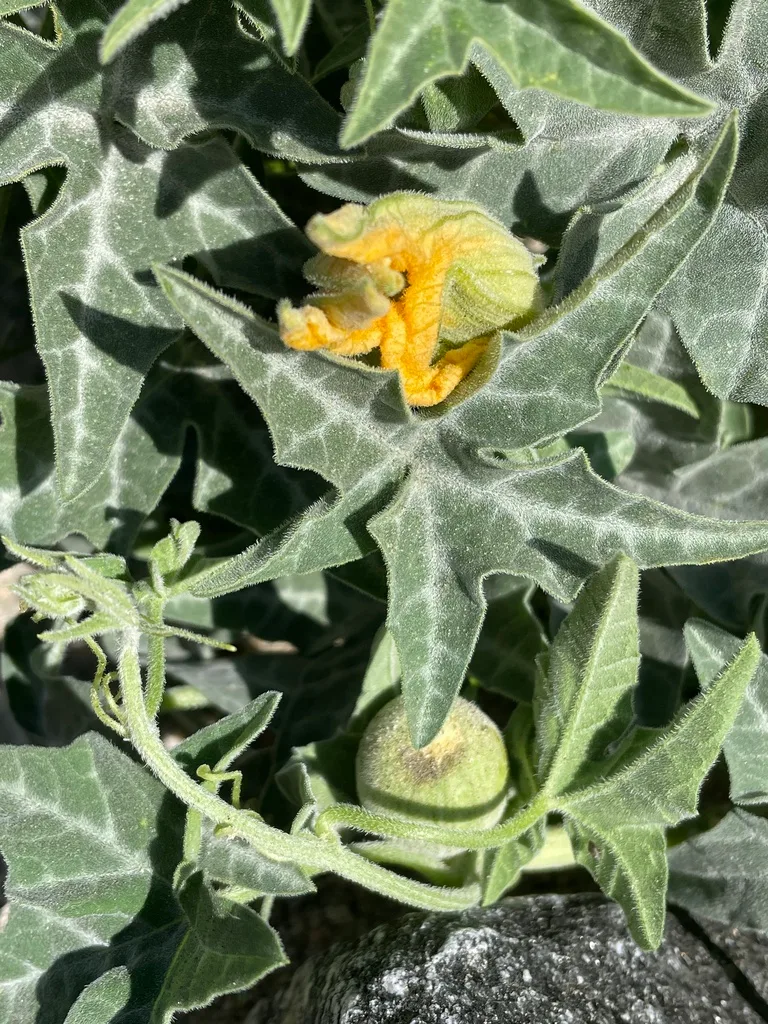
Image source: iNaturalist / Irene
The 7 Main Causes of Female Pumpkin Flowers Not Opening
Let's break down every major reason female pumpkin flowers fail to open. As you read through these, think about which ones match what you're seeing in your own garden right now.
Temperature Stress: Too Hot or Too Cold
Temperature is the single biggest factor. Pumpkin flowers are extremely sensitive to heat. When daytime temperatures climb above 90°F (32°C), female flower buds often fail to open or drop before they ever unfurl.
Nighttime temperatures below 50°F (10°C) can also stall flower development entirely. The sweet spot for flower opening is a daytime range of 70°F to 85°F with nights staying above 55°F.
If you're growing in a hot climate or experiencing a heat wave, the plant is essentially going into survival mode. It drops reproductive structures to conserve energy. Mulching around the base of the vine helps keep root zones cooler, and using a shade cloth during the hottest part of the day can make a real difference.
Image source: Pixabay / StockSnap (Pixabay Content License)
Your Plant Is Still Too Young
This one catches a lot of new growers off guard. If your pumpkin vine is less than 40 to 55 days old, it may not have reached the stage where female flowers form. The plant puts its early energy into vegetative growth, roots, and male flowers.
Female flowers come later, and forcing the issue won't help.
Check the node count on your vine. The first female flower typically appears at node 8 through 12. If you're only at node 5 or 6, you just need to wait.
Early-maturing varieties like 'Small Sugar' tend to produce female flowers sooner than giant pumpkin types.
Too Much Nitrogen, Not Enough Phosphorus
Excess nitrogen is a classic mistake. It pushes the plant to grow more leaves and vines, which looks great on the surface, but it suppresses flower formation. If you've been feeding with a high-nitrogen fertilizer (something with an N-P-K ratio where the first number is much higher than the others), that's likely your problem.
Phosphorus supports flower and root development, and boron plays a role in flower bud formation and pollen viability. A soil test is the best way to confirm what's going on. According to university extension guidelines, soil nitrogen levels above 30 ppm can suppress female flower production in cucurbits.
Switching to a balanced or phosphorus-heavy fertilizer during flowering can help correct the imbalance.
Not Enough Light or Airflow
Pumpkin plants need full sun, at least six to eight hours of direct light per day. If your vine is shaded by other plants, a structure, or even its own dense foliage, female flowers may not develop properly. Overcrowded vines also trap humidity around the buds, which can lead to fungal issues that cause buds to rot before they open.
Thinning out some of the excess foliage and making sure the vine has room to breathe can improve both light penetration and airflow. This is especially important in humid climates where powdery mildew and other fungal problems are common.
Water Stress: Overwatering and Underwatering
Both too much and too little water will stress the plant and affect flower opening. Inconsistent watering, where the soil swings between soaked and bone dry, is particularly damaging. The plant aborts buds when it can't rely on a steady supply of moisture.
Pumpkin vines generally need about one to one and a half inches of water per week. Deep, infrequent watering is better than light daily sprinklings. Mulching helps maintain even soil moisture and reduces the stress that comes from rapid drying.
Pollinator Problems That Affect Flower Development
This one's indirect but important. When pollinator populations are low, the plant may receive signals that reduce further female flower production. It's not fully understood, but some research suggests that poor pollination success can influence the plant's hormonal balance and reduce subsequent flower initiation.
More practically, if bees aren't visiting your open female flowers, you won't get fruit even when the flowers do open. Pesticide use, habitat loss, and cool or rainy weather during bloom time all reduce bee activity. Hand pollination is the reliable workaround.
Disease and Pest Pressure
Viral infections like cucumber mosaic virus and squash mosaic virus can cause flower deformities and prevent normal opening. Aphids and other sap-sucking insects spread these viruses, so pest management matters. Bacterial wilt, transmitted by cucumber beetles, can cause the entire vine to collapse before flowers ever get a chance.
Fungal diseases like powdery mildew and downy mildew weaken the plant overall, reducing its energy for flower production. If you notice mottled leaves, wilting during the day, or unusual spotting, disease may be the underlying cause of your flowering problems.
How to Diagnose What's Happening in Your Garden Right Now
Before you start making changes, take a few minutes to assess your situation. Grab a notepad and walk through these checks.
Check the plant's age and node count. How many days since transplant or germination? Count the nodes from the base of the vine. If you're before node 8 or under 40 days, the plant may simply not be ready.
Look at your fertilizer history. What have you been feeding, and how often? High-nitrogen feeds during the flowering stage are a common culprit.
Check the weather log. Have daytime highs been above 90°F? Have nights dipped below 50°F? Even a few days of extreme temperatures can disrupt flower opening.
Inspect the buds closely. Are they swelling and then drying up? Are they turning yellow or black before opening? Bud abortion points to temperature or nutrient issues.
Discoloration or fuzzy growth suggests disease.
Test your soil. A basic soil test from your local cooperative extension office will tell you pH, nitrogen, phosphorus, potassium, and micronutrient levels. It's inexpensive and gives you real data to work with.
Observe pollinator activity. Spend a few mornings watching the open flowers. If you're not seeing bees, you may need to hand pollinate and also consider why pollinators aren't visiting.
Once you've gone through this checklist, you'll have a much clearer picture of what's causing the problem. The fix depends on the cause, and that's what we'll cover next.
Step-by-Step Fix: What to Do When Female Flowers Won't Open
Here's a practical action plan you can start implementing today. Work through these steps in order, and give each one a few days to show results before moving to the next.
Step 1: Check Your Plant's Age and Node Development
Count the nodes on your main vine. If you're below node 8, the plant likely isn't mature enough for female flowers yet. Check the variety's expected days to maturity.
If you planted late or had a cool spring, the timeline may just be pushed back. There's nothing to fix here except patience and making sure everything else is optimized for when the flowers do appear.
Step 2: Test Your Soil (Especially Nitrogen and Boron)
Contact your local cooperative extension office for a soil testing kit. You want to know your pH (target 6.0 to 6.8), nitrogen level, phosphorus, and boron. If nitrogen is above 30 ppm, stop all nitrogen-heavy feeds immediately.
If phosphorus is low, apply a bone meal or a fertilizer with a higher middle number in the N-P-K ratio. Boron deficiency (below 0.5 ppm in leaf tissue) can be corrected with a small amount of borax applied to the soil, but be careful. Too much boron is toxic to plants.
Step 3: Adjust Your Watering Routine
Switch to deep watering two to three times per week rather than light daily watering. Aim for one to one and a half inches total per week, including rainfall. Apply two to three inches of organic mulch (straw or shredded leaves work well) around the base of the vine to retain moisture and regulate soil temperature.
Avoid wetting the foliage, which encourages fungal disease.
Step 4: Manage Temperature Around the Plant
If you're dealing with heat, install a shade cloth (30 to 50 percent shade rating) over the vine during the hottest part of the day. Mulching also helps keep root zones cooler. For cool-season growers, use row covers or black plastic mulch to warm the soil and protect against cold nighttime temperatures.
Remove covers during the day once flowers start opening to allow pollinator access.
Step 5: Hand Pollinate When Flowers Finally Open
Once female flowers start opening, you can take pollination into your own hands. Early in the morning, pick a freshly opened male flower, peel back the petals, and rub the stamen directly onto the stigma inside the female flower. One male flower can pollinate two to three female flowers.
If you don't have male flowers open on the same day, you can tape a closed male flower shut the evening before to protect it, then use it the next morning.
Image source: Pixabay / Nennieinszweidrei (Pixabay Content License)
Hand pollination dramatically increases fruit set, especially in urban gardens or areas with low bee activity. It takes about two minutes per flower and is the single most effective way to ensure you get pumpkins from every female bloom.
When to Worry and When to Wait It Out
Not every closed female flower is a crisis. If your vine is healthy, pushing new growth, and producing male flowers, female blooms will likely follow within one to two weeks. The plant often needs to hit a maturity threshold before shifting energy to reproduction.
Start investigating if you're past 60 days from germination with zero female flowers. Also act if buds form but turn brown or black before opening. That signals disease, severe nutrient deficiency, or temperature extremes rather than simple immaturity.
If the vine itself looks unhealthy, the flower issue is a symptom. Yellowing leaves, stunted growth, or midday wilting point to root problems or viral infection. Address plant health first.
Otherwise, keep conditions steady and check the vine each morning. Female flowers can appear fast once the plant is ready.
Common Mistakes That Make the Problem Worse
Over-fertilizing with nitrogen is the top mistake. It keeps the plant in growth mode and delays female flowers. Daily shallow watering is another.
It stresses roots and undermines consistent bloom development.
Spraying pesticides during bloom harms pollinators. If you must spray, do it in the evening after flowers close. Avoid stripping too many leaves.
Pumpkin foliage powers fruit production, and over-pruning slows flowering.
Ignoring soil pH is a hidden trap. Below 5.5 or above 7.5, nutrient uptake fails even if nutrients are present. Planting too late in short-season regions also backfires.
Count backward from your first frost date using the variety's maturity rating.
Best Pumpkin Varieties for Reliable Female Flowering
Bush types like 'Bushkin' produce female flowers earlier and more consistently. For short-season gardens (USDA zones 3 to 5), stick with varieties under 100 days to maturity. In hot climates, choose heat-tolerant varieties that resist bud drop.
Hybrids generally outperform heirlooms for uniform fruit set and earlier female flower production. If reliability matters more than heritage, hybrids are the safer choice.
Expert Tips From Experienced Growers
Pinch the growing tip after two to three fruits set. This redirects energy to fruit development and can trigger more female flowers on side shoots.
Plant companion flowers like marigolds and zinnias nearby to boost pollinator traffic. Use black plastic mulch early to warm soil, then switch to organic mulch when temperatures rise.
Track your male-to-female flower ratio. Early in the season, three male flowers per female is normal. If you're past 55 days with only male flowers, something is off.
Save seeds from your best performers. Locally adapted seed often outperforms generic stock within a few seasons.
FAQs About Female Pumpkin Flowers Not Opening
How long does it take for female pumpkin flowers to appear?
Most varieties produce the first female flower between 40 and 55 days after germination, typically at node 8 through 12. Male flowers show up about a week earlier. If you're past 60 days with no female flowers, check nitrogen levels and temperature conditions.
Can a pumpkin plant produce only male flowers?
Yes, especially early in the season. This is normal. If the plant produces only male flowers past 60 days, excess nitrogen or high temperatures are the likely causes.
Will female flowers open the next day if they don't open today?
No. Each bud gets one chance. If stress prevents opening, the bud aborts and falls.
The plant will produce new buds, but that flower is gone. Consistent conditions during the flowering window are critical.
Should I remove male flowers to encourage female flower production?
No. Removing male flowers doesn't affect sex expression. The ratio is controlled by genetics, temperature, and hormones.
Leave male flowers in place. They're needed for pollination.
Can I use a fan to help with pollination?
A fan won't replace bees or hand pollination. Cucurbit pollen is large and sticky. It needs direct physical transfer from stamen to stigma.
Hand pollination takes two minutes per flower and is the most reliable method.