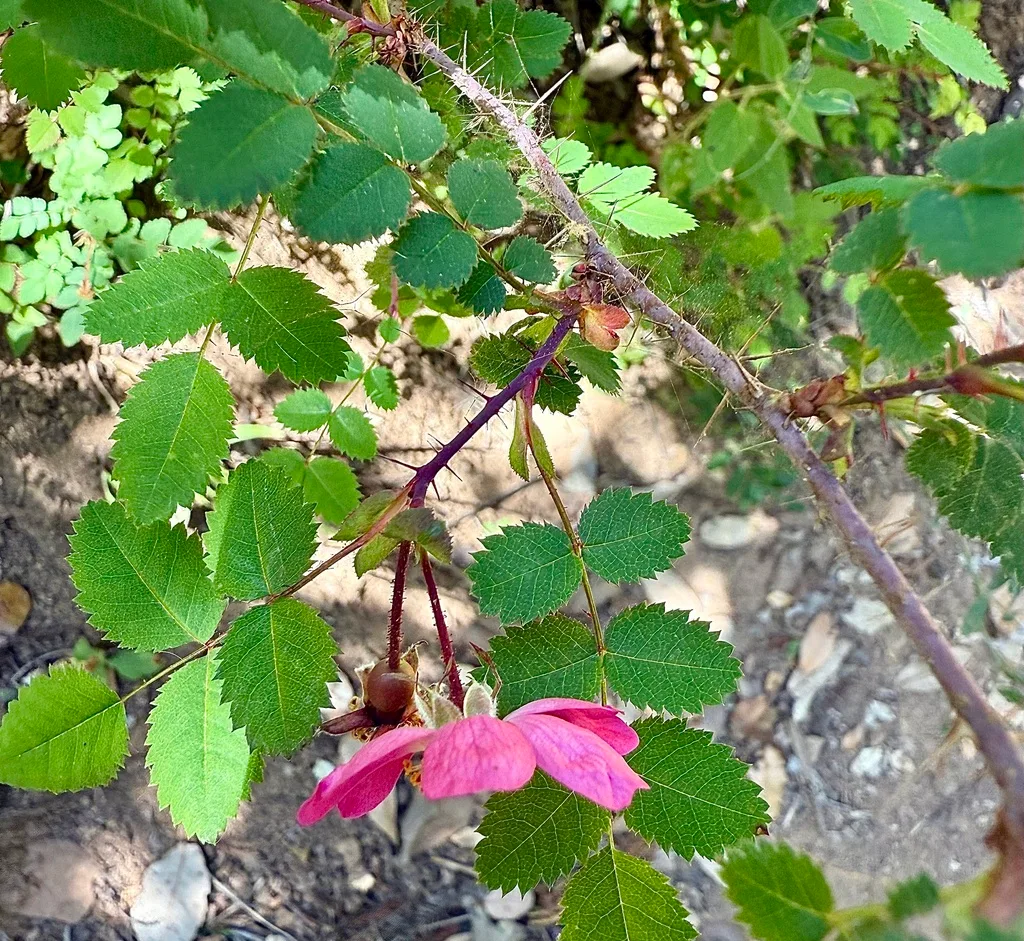
Image source: iNaturalist / Irene
You walk out to your strawberry patch in the morning and find the leaves riddled with holes, chewed at the edges, or stripped down to the veins. Nothing looked obviously wrong the day before. That's because the culprits behind "what is eating my strawberry leaves at night" are almost always nocturnal, hiding during the day and feeding under cover of darkness.
The good news is that once you know what to look for, identifying the pest is straightforward. Most nighttime strawberry leaf damage comes from a handful of common garden pests, each leaving a distinct pattern. Match the damage to the pest, apply the right treatment, and you can stop the problem within days.
Quick Answer
The most common nighttime pests eating strawberry leaves are slugs, snails, earwigs, strawberry root weevils, cutworms, and pill bugs. Slugs and snails leave irregular holes with silvery slime trails. Earwigs create ragged, torn edges.
Weevils notch the leaf margins in a characteristic half-moon shape. Identifying which pest is responsible depends on the damage pattern, time of year, and your local climate.
The Usual Suspects: Which Pests Feed on Strawberry Leaves After Dark
Not every garden pest works the night shift. The ones that target strawberry leaves after dark tend to share a few traits. They avoid daylight, they thrive in moist conditions, and they're often hiding in mulch, soil, or plant debris right near your plants during the day.
Here are the six most likely offenders:
- Slugs and snails. The number one nighttime leaf eater in most climates. They chew irregularly shaped holes in the center of leaves and leave behind a telltale silvery slime trail.
- Earwigs. These reddish-brown insects with pincer-like tails feed on leaf edges and soft tissue, leaving ragged, torn-looking damage. They're especially active in late spring through early fall.
- Strawberry root weevils. Small, dark beetles whose adults notch the edges of leaves in a distinctive half-moon pattern. The larvae attack the roots, which can weaken or kill the plant over time.
- Cutworms. These caterpillars hide in the soil during the day and come out at night to chew through stems and leaves at ground level. They're most destructive in newly planted beds.
- Pill bugs and sow bugs. Technically crustaceans, not insects. They prefer decaying plant matter but will chew on tender strawberry leaves, especially in heavily mulched beds.
- Japanese beetles. Primarily daytime feeders, but in heavy infestations they can continue into the evening. They skeletonize leaves, eating the tissue between the veins and leaving a lacy pattern.
If you're in the Pacific Northwest or the UK, slugs and snails are almost certainly your problem. In the Southeastern US, earwigs and beetles tend to dominate. Knowing your region's common pests narrows the list fast.
How to Identify the Pest by the Damage Pattern
The fastest way to figure out what's eating your strawberry leaves is to look at the type of damage. Each pest leaves a signature pattern that's surprisingly consistent once you know what to check for.
Grab a flashlight and inspect your plants after dark if you can. But even a daytime examination of the leaves, soil surface, and mulch layer will give you strong clues.
Slime trails and irregular holes, slugs and snails
This is the easiest one to diagnose. If you see silvery, dried slime trails on the leaves, stems, or soil surface, slugs or snails are feeding on your plants. The holes they leave are irregular, often in the center of the leaf rather than the edges.
Damage is worst after rain or heavy dew, and during cool, humid nights.
Slugs and snails are most active when temperatures are between 50 and 70°F (10 to 21°C) with high moisture. In dry, hot conditions, they're far less of a problem.
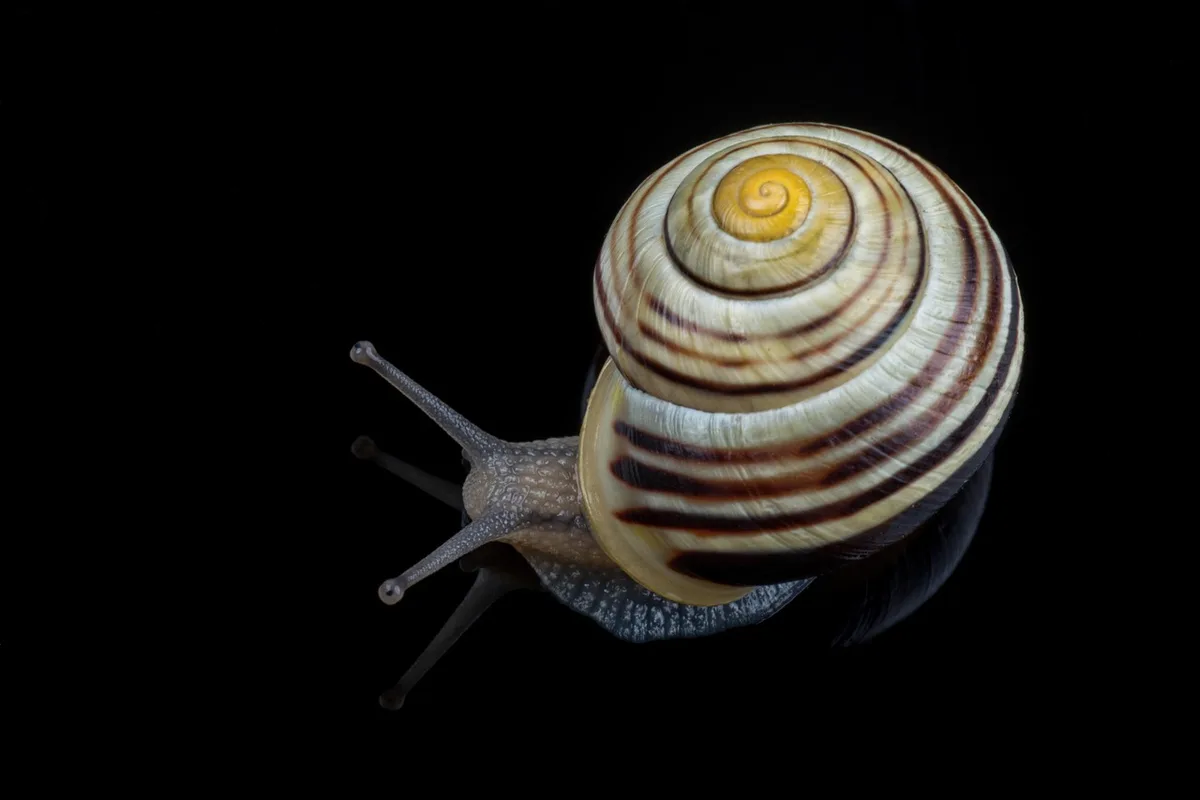
Image source: Pixabay / neryx (Pixabay Content License)
Notched leaf edges, strawberry root weevils
Strawberry root weevils (Otiorhynchus ovatus) leave a very specific mark: small, uniform notches along the leaf margins that look like someone took tiny half-moon bites out of the edge. The adult weevils are about a quarter-inch long, dark brown or black, and flightless. They crawl up the plant at night to feed.
The real danger is underground. The larvae feed on the roots, which can cause wilting, stunted growth, and plant death that's often mistaken for drought stress or disease. If you're seeing notched leaves and your plants are declining despite adequate water, check the roots for small, white, C-shaped grubs.
Ragged, torn leaves, earwigs
Earwig damage looks messy. Instead of clean holes or neat notches, you'll see irregular tears and ragged edges on the leaves. Earwigs also feed on fruit that touches the ground, so you might notice damage on low-hanging strawberries too.
Earwigs are nocturnal and love tight, dark spaces. During the day, check under mulch, inside curled leaves, and in the gaps between strawberry plant crowns. They're about half an inch long, reddish-brown, with distinctive pincers (cerci) on their rear end.
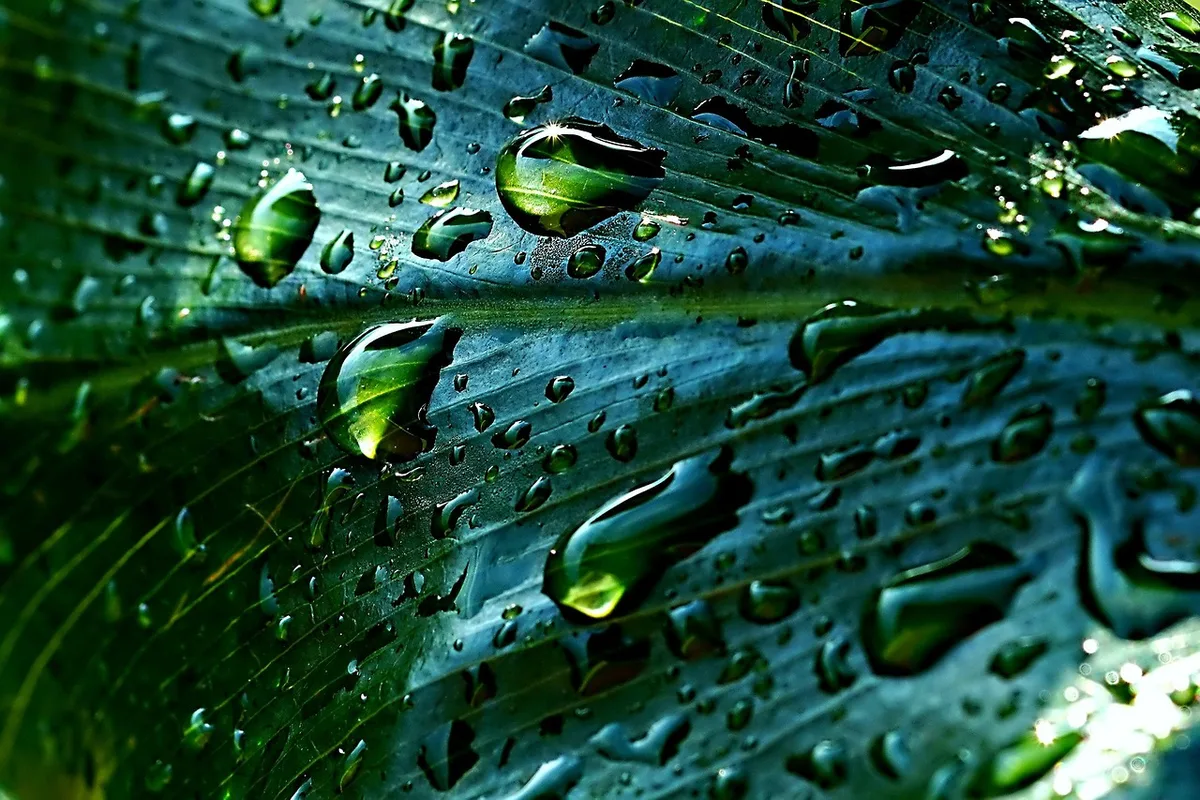
Image source: Pixabay / ignartonosbg (Pixabay Content License)
Skeletonized leaves, Japanese beetles
If your strawberry leaves look like lace, with only the veins remaining, Japanese beetles are likely the cause. These metallic green and copper beetles feed on the soft tissue between veins, creating a skeletonized appearance. They're most active from June through August in the Northern Hemisphere.
While they primarily feed during the day, heavy populations can extend into early evening hours. They also tend to feed in groups, so if you find skeletonized leaves, there are probably several beetles on or near the plant.
Clean cuts at the base, cutworms
Cutworm damage is dramatic. You'll find young strawberry plants chewed through at the soil line, sometimes toppled entirely. On established plants, leaves may appear severed at the stem.
Cutworms are the larvae of various moth species, typically gray, brown, or green, and about one to two inches long.
They curl into a C-shape when disturbed and hide in the top inch of soil during the day. Cutworm damage is most common in spring when new plants are going in, and in gardens with lots of plant debris or weedy areas nearby.
Chewed leaf margins, pill bugs and sow bugs
Pill bugs (Armadillidium vulgare) and sow bugs (Porcellio scaber) are usually decomposers, feeding on dead plant material. But in large populations, especially in heavily mulched beds, they'll start chewing on living strawberry leaves. The damage is typically light, appearing as shallow scrapes along leaf edges.
If you lift the mulch around your strawberry plants and see dozens of these gray, segmented creatures scurrying around, they're probably contributing to the problem. Reducing mulch depth and improving air circulation usually keeps their numbers in check.
Step-by-Step: How to Confirm Which Pest You're Dealing With
Identifying the pest correctly saves you time, money, and frustration. Here's a practical process you can follow over two to three nights.
Nighttime flashlight inspection
Go out to your strawberry patch one to two hours after full dark with a flashlight. Move slowly and check the undersides of leaves, the plant crowns, and the soil surface. Slugs, snails, earwigs, and cutworms will all be active and visible at this time.
Bring a container if you want to collect a specimen for closer identification.
This single step solves the mystery in most cases. If you see the pest in the act, you're done diagnosing and can move straight to treatment.
Daytime hiding spot checks
If the nighttime inspection comes up empty, search where the pests hide during the day. Lift mulch, check under boards or stones near the bed, and look inside curled or dead leaves at the base of the plants. Earwigs and cutworms tuck themselves into tight spaces.
Slugs and snails shelter under debris, in soil cracks, or beneath the edges of raised beds.
Setting simple monitoring traps
Traps help confirm the pest when visual inspection isn't enough. Here are three easy options:
- Beer traps for slugs and snails. Bury a shallow container (like a tuna can) so the rim is level with the soil surface. Fill it with about an inch of beer. Slugs and snails are attracted to the yeast, fall in, and drown. Check the trap each morning.
- Rolled newspaper or cardboard for earwigs. Dampen a section of newspaper or a piece of corrugated cardboard and lay it flat near your strawberry plants in the evening. Earwigs will crawl into it overnight. Collect and dispose of the trap each morning.
- Board traps for cutworms and pill bugs. Place a flat board or piece of cardboard on the soil surface near the plants. Cutworms, pill bugs, and other soil-dwelling pests will gather underneath during the day. Lift the board and check.
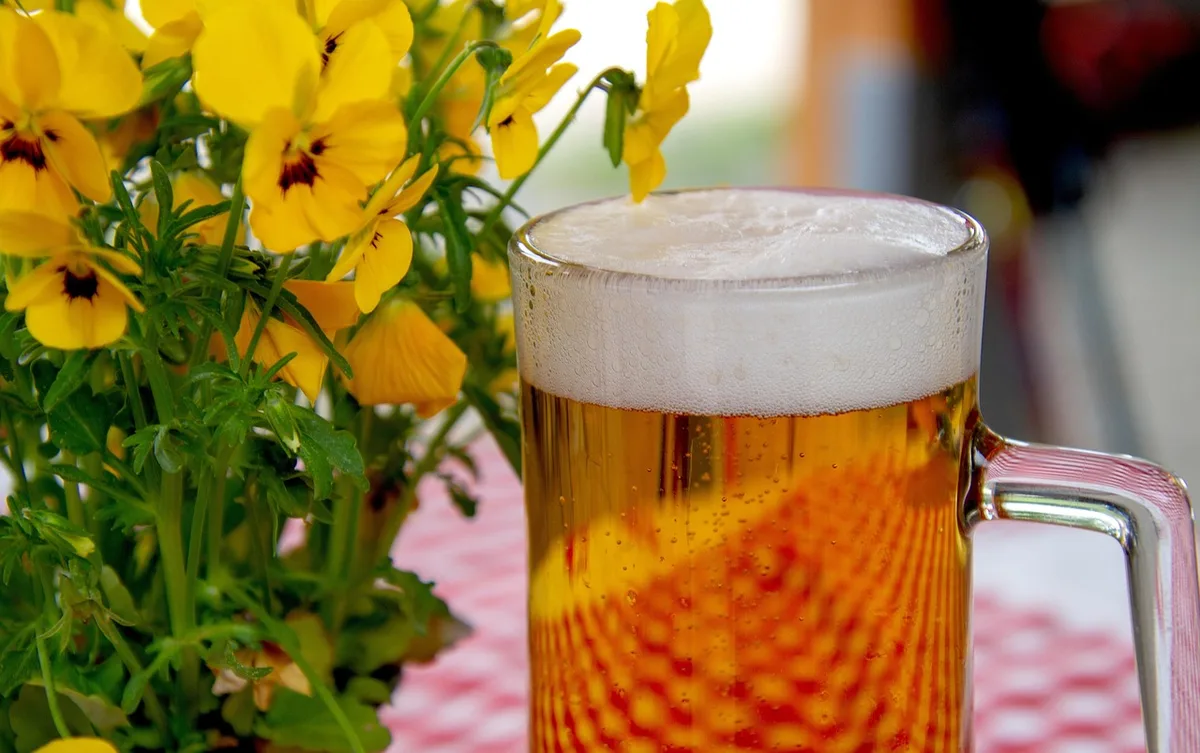
Image source: Pixabay / 5598375 (Pixabay Content License)
Matching what you find to the damage
Once you've identified the pest, cross-reference it with the damage pattern described in the previous section. If you found slugs in your beer trap and your leaves have irregular holes with slime trails, you've confirmed the diagnosis. If you're finding earwigs in your newspaper traps and the leaves are ragged, that's your answer.
If you're still unsure after a few nights of trapping, take clear photos of both the damage and any specimens you've collected and contact your local university extension service. They can help with identification and region-specific treatment advice.
How to Treat Each Pest, Targeted Solutions That Actually Work
Once you know what you're dealing with, treatment is about matching the right method to the pest. Broad-spectrum pesticides often do more harm than good, killing beneficial insects along with the problem species. Targeted approaches work better and are safer for a food crop like strawberries.
Slug and snail control
Iron phosphate bait is the gold standard for slug and snail control in home gardens. It's approved for organic use, safe for pets and wildlife when used as directed, and effective within three to six days of application. Scatter the bait pellets around the base of plants in the evening, reapplying after rain.
Physical barriers also work well. Copper tape around raised beds or containers gives slugs a mild electric shock on contact. A band at least two inches wide is needed for reliable deterrence.
Diatomaceous earth sprinkled around plants creates a sharp, abrasive surface that damages slugs' soft bodies, though it loses effectiveness when wet.
Beer traps are useful for monitoring and light infestations but won't control a heavy population on their own. For severe problems, combine bait with habitat reduction. Remove boards, debris, and dense ground cover near the bed.
Earwig management
Earwigs are tricky because they're also beneficial in some contexts, feeding on aphids and other small pests. If the damage is light, you may not need to do anything beyond reducing their habitat.
For heavier infestations, the rolled newspaper trap method described above is effective for reducing numbers. You can also apply diatomaceous earth around the base of plants. Insecticidal soap sprayed directly on earwigs will kill them on contact but has no residual effect, so thorough coverage is important.
Reducing mulch depth around strawberry plants and keeping the area clean of plant debris removes the dark, tight spaces earwigs need during the day.
Japanese beetle treatment
Hand-picking is surprisingly effective for Japanese beetles, especially in smaller gardens. Go out in the early morning when they're sluggish and knock them into a bucket of soapy water. They release aggregation pheromones when disturbed, so removing them quickly prevents more from gathering.
Neem oil spray can deter feeding and disrupt the beetles' life cycle. Apply it to the foliage in the evening to avoid harming pollinators. For severe infestations, milky spore disease (Paenibacillus popilliae) applied to the soil targets Japanese beetle grubs and can reduce populations over two to three years.
Avoid Japanese beetle bag traps. Research from the University of Kentucky and other extension services has shown these traps attract more beetles to the area than they catch, often making the problem worse.
Strawberry root weevil control
Adult weevils can be managed with sticky barriers. Wrap the stems or the rim of containers with a sticky material like Tanglefoot to trap the adults as they climb up at night. This won't eliminate the population but will reduce leaf damage.
For larval control, beneficial nematodes (Heterorhabditis bacteriophora) applied to the soil in spring or fall can significantly reduce grub populations. Water the soil before and after application, and keep it moist for at least a week.
Removing leaf litter and debris in the fall reduces overwintering sites for adults. If a plant is severely infested and declining, remove and destroy it to prevent larvae from spreading to neighboring plants.
Cutworm prevention
Cardboard or plastic collars placed around the base of young plants at planting time are the most reliable cutworm prevention. Push the collar about one inch into the soil and leave two inches above the surface. This physical barrier prevents cutworms from reaching the stem.
If cutworms are already active, dig around the base of affected plants during the day. You'll usually find the caterpillars within the top inch of soil. Remove and destroy them by hand.
Bacillus thuringiensis var. kurstaki (Bt) is an organic option that targets caterpillars. Apply it to the foliage and soil surface in the evening. It's safe for humans, pets, and beneficial insects, but it needs to be ingested by the cutworm to work, so thorough coverage matters.
Pill bug and sow bug reduction
Since pill bugs and sow bugs thrive in moist, decaying organic matter, the best control is habitat management. Reduce mulch depth to no more than one to two inches around strawberry plants. Pull mulch back from plant crowns to improve air circulation and let the soil surface dry out.
Remove any decaying plant material, fallen fruit, and dead leaves promptly. If the problem is severe, diatomaceous earth around the base of plants can deter them, though it needs to be reapplied after rain or watering.
In most cases, pill bug damage is minor and doesn't warrant aggressive treatment. Focus on the other pests first if you're seeing multiple types of damage.
Prevention: How to Stop Night Feeders Before They Start
Once you've dealt with the current infestation, the goal is to make your strawberry patch less inviting to nocturnal pests going forward. Prevention is always easier and more effective than treatment.
Garden cleanup and debris removal
Clear out dead leaves, fallen fruit, and plant debris at the end of each growing season and regularly throughout the year. This removes the hiding spots and breeding grounds that slugs, earwigs, cutworms, and weevils depend on. A clean garden bed is a hostile environment for most nocturnal pests.
Mulch management
Mulch is great for moisture retention and weed suppression, but too much of it creates a pest paradise. Keep mulch depth to one to two inches around strawberry plants, and pull it back at least two inches from the plant crowns. This keeps the crown area dry and exposed, which discourages slugs, earwigs, and pill bugs.
If slug pressure is high in your area, consider using a coarse, dry mulch like straw rather than dense, moisture-retentive options like wood chips.
Watering schedule adjustments
Water your strawberry plants in the morning rather than the evening. This gives the soil surface and foliage time to dry before nightfall, reducing the humid conditions that slugs, snails, and earwigs need to thrive. Drip irrigation or soaker hoses are better than overhead watering because they keep the foliage dry.
Physical barriers and row covers
Floating row covers (lightweight garden fabric) draped over strawberry plants at night can physically block many nocturnal pests. Secure the edges with soil, stones, or staples so pests can't crawl underneath. Remove the covers during the day to allow pollination and air circulation.
Copper tape around raised beds, containers, or individual plant crowns provides an additional barrier against slugs and snails.
Encouraging natural predators
A healthy garden ecosystem keeps pest populations in check. Ground beetles, toads, frogs, birds, and predatory wasps all feed on common strawberry pests. Avoid broad-spectrum pesticides that kill these beneficial species.
Provide habitat for predators by leaving a small area of the garden a little wild, adding a toad house, or installing a bird bath near the strawberry bed. According to the University of California Statewide IPM Program, encouraging natural enemies is one of the most sustainable long-term pest management strategies for home gardens.
Common Mistakes That Make the Problem Worse
Even well-intentioned gardeners can accidentally make a pest problem worse. Here are the most common missteps:
- Using metaldehyde slug bait. This older chemical is effective against slugs but is toxic to dogs, cats, wildlife, and children. It's restricted or banned in several countries. Iron phosphate is just as effective and far safer.
- Over-mulching. A thick layer of mulch right up against plant crowns creates the perfect hiding environment for slugs, earwigs, and cutworms. Keep mulch pulled back and at a moderate depth.
- Watering in the evening. Wet foliage and soil at night is an open invitation for moisture-loving pests. Switch to morning watering.
- Ignoring the problem. A few holes in the leaves might not seem like a big deal, but pest populations can explode quickly. Early intervention prevents widespread damage and protects your fruit yield.
- Spraying broad-spectrum pesticides. These kill beneficial insects along with the pests, often leading to worse infestations later. Targeted treatments are almost always the better choice.
- Using Japanese beetle bag traps. As mentioned earlier, these attract more beetles to your garden than they capture. Skip them entirely.
When to Worry, And When It's Not a Big Deal
Not every chewed leaf is a crisis. A few holes in the foliage won't significantly impact your strawberry plants' ability to produce fruit. Plants can tolerate a surprising amount of leaf damage before yield is affected.
You should take action when more than 25% of the leaf area on multiple plants is damaged. Act if you're seeing notched leaf edges combined with plant wilting, which could mean root weevil larvae attacking roots. Act if young plants are being cut off at the soil line.
Act if fruit is being eaten or scarred along with the leaves. And act if the damage is getting noticeably worse over a week or two.
If the damage is minor and the plants are otherwise healthy, you can often just monitor the situation and let natural predators keep the pest population in check. Strawberry plants are resilient, and a little leaf damage is a normal part of gardening.
Your Action Plan: What to Do Tonight
Don't overthink this. Here's a simple three-step plan you can start right now.
Step 1: Inspect. Go out after dark with a flashlight. Check the leaves, crowns, and soil surface. Look for slime trails, active pests, or hiding spots under mulch and debris.
Step 2: Match the damage. Compare what you're seeing to the patterns described above. Irregular holes with slime means slugs. Notched edges mean weevils.
Ragged tears mean earwigs. Clean diagnosis leads to the right fix.
Step 3: Treat and prevent. Apply the targeted treatment for your specific pest. Then clean up the bed, pull mulch back from crowns, and switch to morning watering. These three cultural changes alone cut nighttime pest pressure dramatically.
Most strawberry leaf damage is manageable once you know what you're dealing with. The pests aren't going away entirely, and that's fine. The goal is keeping their numbers low enough that your plants thrive and you still get a good harvest.
If you've worked through the identification steps and still can't figure out the culprit, your local university extension service is the best next step. They deal with these questions every day and can help with region-specific advice you won't find in any general guide.
Frequently Asked Questions
How do I know if slugs are eating my strawberry leaves?
Look for two things: irregular holes in the center of the leaves and silvery slime trails on the foliage, stems, or soil surface. Go out with a flashlight one to two hours after dark. If slugs are the problem, you'll see them actively feeding on the plants.
What is the safest way to get rid of slugs on strawberries?
Iron phosphate bait is the safest and most effective option. It's approved for organic gardening, safe for pets and wildlife, and works within three to six days. You can also use copper tape barriers and beer traps for additional control.
Can earwigs actually kill strawberry plants?
Earwigs rarely kill established plants. They cause cosmetic damage to leaves and may scar fruit that touches the ground. However, heavy infestations on young or newly transplanted plants can set them back significantly.
Reducing habitat and using traps is usually enough to keep them in check.
What time of year are strawberry leaf pests most active?
It depends on the pest. Slugs and snails are most active in spring and fall when conditions are cool and moist. Earwigs peak from late spring through early fall.
Japanese beetles are worst in June through August. Cutworms are most destructive in spring during planting season.
Will neem oil stop pests from eating my strawberry leaves?
Neem oil can deter feeding by some pests, particularly Japanese beetles and soft-bodied insects. It works best as a preventive measure applied before damage becomes severe. It's less effective against slugs and snails, which have a protective mucus layer.
Neem oil should be applied in the evening to avoid harming pollinators.
Should I remove damaged leaves from my strawberry plants?
Lightly damaged leaves can stay on the plant, as they still contribute to photosynthesis. If a leaf is heavily damaged, more than half gone, or showing signs of disease, remove it and dispose of it away from the garden. Don't compost heavily infested or diseased plant material.