Cats often mark lawn furniture as their territory, leaving behind unpleasant messes and damaging materials. This guide shows you effective, safe methods to keep cats off lawn furniture using repellents, physical barriers, and behavioral techniques. You’ll learn how to protect your outdoor seating while keeping your furry neighbors safe and happy.
Cats love sunny spots—and your lawn furniture is often prime real estate. Whether it’s a cozy bench by the garden or a lounge chair under the patio umbrella, these perches quickly become feline hotspots. But those little accidents aren’t just smelly; they can stain fabric, damage wood, and ruin your relaxing time outdoors. The good news? You don’t need harsh chemicals or expensive gadgets to solve this problem.
This guide walks you through practical, humane steps to keep cats off lawn furniture—so your outdoor space stays clean, safe, and welcoming for you (and not your furry visitors). From simple household items to smart landscape changes, we’ve got you covered with easy-to-follow solutions that work fast and last long.
Key Takeaways
- Use scent deterrents: Cats hate certain smells like citrus, vinegar, or commercial cat repellents. Apply these around furniture to discourage return visits.
- Install physical barriers: Plastic mesh, aluminum foil, or commercial pet fences can block access without harming cats.
- Provide an alternative space: Set up a designated outdoor area with sand and privacy for cats to do their business elsewhere.
- Trim nearby plants: Dense shrubs or tall grass give cats cover—pruning reduces hiding spots near your furniture.
- Apply texture deterrents: Cats dislike sticky or rough surfaces. Try double-sided tape or non-toxic glue traps on legs or cushions.
- Consistency is key: Rotate deterrents regularly and clean furniture after each use to maintain effectiveness.
- Consider motion-activated devices: Sprinklers or ultrasonic repellers startle cats without causing harm when they approach.
Why Cats Target Lawn Furniture
Before choosing a solution, it helps to understand why cats are drawn to your outdoor seating in the first place. Most of the time, it comes down to instinct and comfort:
– **Warmth**: Sun-baked wood or metal heats up quickly, making it a perfect nap spot.
– **Privacy**: Overhangs, umbrellas, and tall plants create secluded corners where cats feel secure.
– **Territorial marking**: Male unneutered cats especially mark areas with urine to claim territory.
– **Accessibility**: Easy entry points mean cats can come and go freely.
Once a cat discovers a comfortable spot, they’re likely to return—even if you try to shoo them away once. That’s why prevention and consistent deterrence are more effective than one-time fixes.
Step-by-Step: How To Keep Cats Off Lawn Furniture
Visual guide about How to Keep Cats Off Lawn Furniture
Image source: fveap.org
Follow these steps to reclaim your outdoor space without hurting any animals.
1. Clean the Area Thoroughly
Start by removing all traces of cat presence. Use a pet-safe cleaner to wash down wooden benches, wipe cushions, and vacuum crevices in upholstered chairs. Any lingering smell will encourage repeat visits. Consider using enzymatic cleaners designed to break down organic residues—they’re tough on odors but gentle on surfaces.
2. Choose a Repellent Strategy
There are several types of repellents that work well for most cats:
– **Scent-based**: Citrus peels, coffee grounds, or white vinegar sprayed around furniture legs usually send cats packing.
– **Commercial products**: Look for sprays containing capsaicin (not actual chili!) or pheromone-blockers at garden centers.
– **Natural oils**: A mix of water and essential oils like citronella or lavender in a spray bottle can be surprisingly effective.
Test any new product on a small area first to avoid damaging finishes or fabrics.
3. Add Physical Barriers
Sometimes scents aren’t enough. Try placing chicken wire or plastic mesh over seat surfaces—cats don’t like crawling on sharp edges. For legs, wrap them in aluminum foil or hang strips of foil from the underside. These textures are harmless but uncomfortable for curious paws.
For permanent setups, consider installing low-height fencing made of lattice panels or decorative trellises around seating areas. Just make sure gaps are too narrow for cats to squeeze through.
4. Create a Cat-Friendly Alternative
Redirect their behavior by giving cats a better option right next to your furniture. Dig a shallow sandbox filled with clean sand and place it near a wall or fence where they can dig and mark without bothering you. Adding a small shelter nearby encourages them to stay put instead of roaming.
This method works especially well if you have multiple cats or live near other felines who might wander in.
5. Modify Your Landscape
Trim back bushes, remove piles of leaves, and flatten uneven ground near your patio. Cats prefer hidden, quiet spots—so reducing cover makes your furniture less appealing. You might also plant cat-repelling herbs like rue or lemongrass near entrances. While not 100% reliable, they add another layer of discouragement.
6. Use Motion-Activated Devices
These gadgets detect movement and respond instantly. Ultrasonic units emit high-frequency sounds only cats can hear; misting systems spray a harmless mist when triggered. Place them within 10–15 feet of frequently used seating areas. Many models run on solar power and blend into landscaping.
7. Stay Consistent
Repellents lose potency over time, and cats adapt quickly. Rotate methods every few days—try a new scent one week, then switch to a different texture the next. Also, reapply sprays after rain or heavy use. Consistency builds lasting results.
Troubleshooting Common Issues
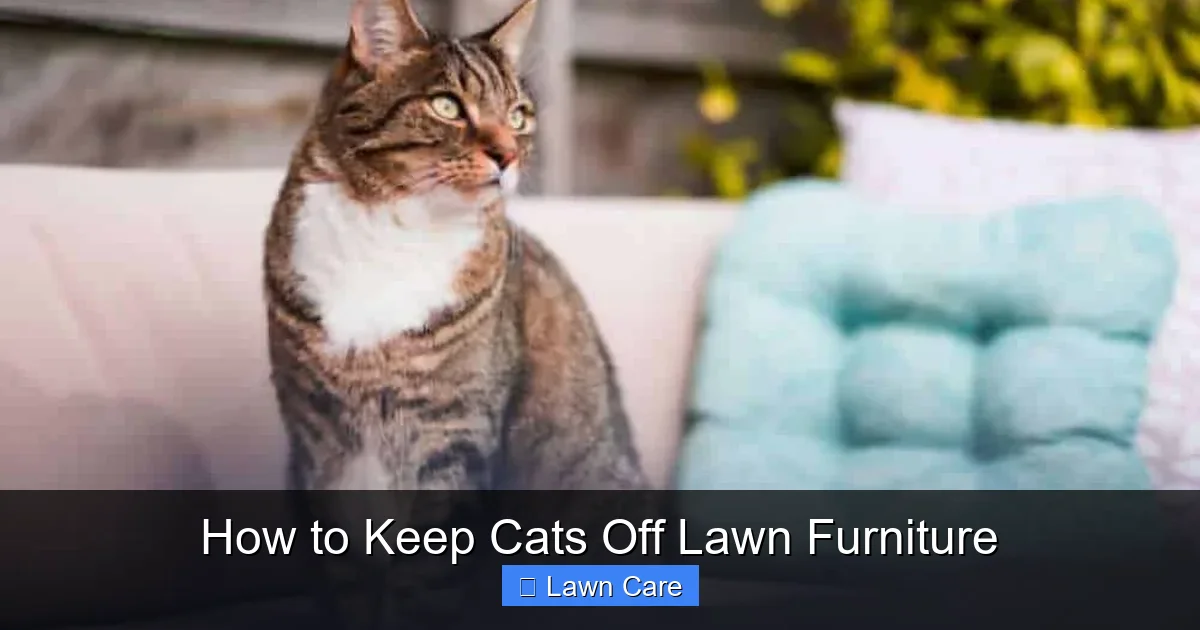
Visual guide about How to Keep Cats Off Lawn Furniture
Image source: housebrighten.com
Even the best plans face hiccups. Here’s how to handle common setbacks:
– **Cats still climb on despite barriers**: Double-check that barriers are secure and cover all entry points. Reinforce with extra layers like netting or weighted covers.
– **Repellents stop working**: Cats get used to smells. Switch formulas or combine two methods (e.g., scent + motion sensor).
– **Neighbors complain about redirected digging**: Explain your plan politely. Offer to help them set up similar sandboxes if needed.
– **Damage already occurred**: Treat stains immediately with baking soda paste for fabrics or hydrogen peroxide solution for hard surfaces. Avoid ammonia-based cleaners—they mimic cat urine!
Final Thoughts
Visual guide about How to Keep Cats Off Lawn Furniture
Image source: i.pinimg.com
Keeping cats off lawn furniture doesn’t require extreme measures. With patience, creativity, and a mix of deterrents, you can enjoy your outdoor space again—without sacrificing compassion. Remember, the goal isn’t punishment; it’s redirection. By offering cats a better alternative and making your furniture less inviting, you create harmony between humans and house pets.
And while you’re protecting your patio, don’t forget to care for your lawn! Healthy grass grows faster, resists weeds better, and even deters pests naturally. For tips on maintaining a lush, green yard, check out our guide on How To Keep Lawn Green In Summer Heat. Plus, regular mowing keeps your whole property looking tidy—learn the ideal frequency with our article on How Often Are You Supposed To Mow Your Lawn.
By combining smart landscaping with gentle deterrence, you’ll have both a beautiful lawn and a peaceful outdoor retreat—cat-free and full of life.