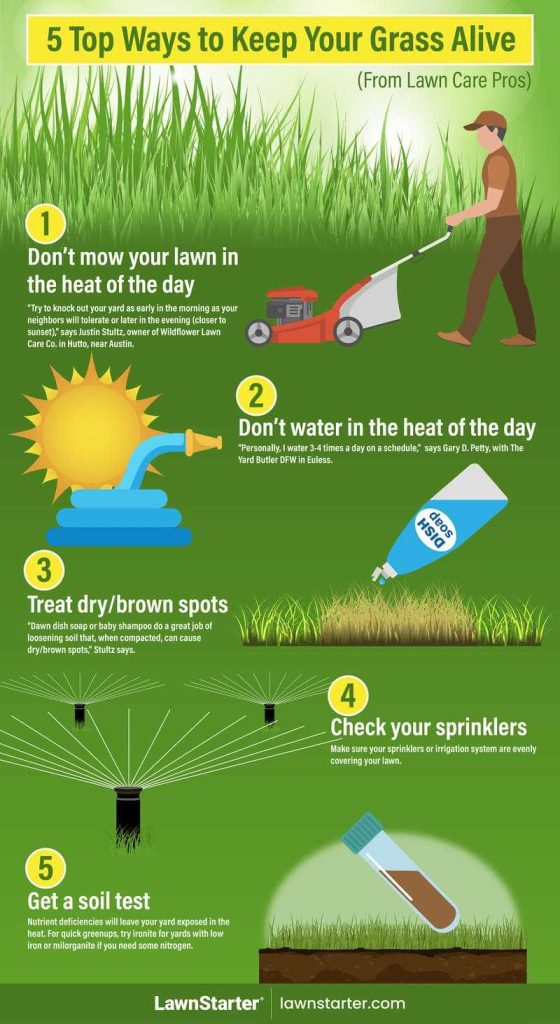
To keep your lawn lush and green during scorching summer days, water deeply early in the morning, mow at the right height, and provide proper fertilization. These simple steps help your grass withstand the heat and stay vibrant.
**Summary:** To maintain a green lawn in summer heat, water deeply and infrequently, mow at the recommended height, and use suitable fertilizers. These practices promote healthy, resilient grass that endures high temperatures.
Keeping a lawn green in the summer heat can feel like a challenge, but with the right care, your yard can stay vibrant all season long. Hot sun and dry spells can quickly turn lush grass brown, but consistent watering, mowing at the correct height, and feeding your lawn with proper nutrients are key. By watering deeply in the early morning, you encourage roots to grow deeper and boost drought resistance. Mowing at a higher setting shades the soil and keeps grass blades strong. Applying the right fertilizers supplies essential nutrients to help your lawn withstand the stress of summer. Staying proactive with these strategies ensures your outdoor space remains green and inviting, no matter how hot it gets outside.

How to Keep Lawn Green in Summer Heat
Understanding Lawn Stress During Hot Weather
Summer heat can put a lot of stress on your lawn, causing the grass to turn brown and become patchy. High temperatures, combined with strong sunlight, can lead to rapid water loss and dehydration. Recognizing these signs early helps in taking effective steps to maintain a lush, green lawn.
The Importance of Proper Watering
Water is vital for keeping your grass healthy during the summer months. Deep, infrequent watering encourages roots to grow deeper into the soil, making your lawn more resistant to drought. Aim to provide around 1 to 1.5 inches of water per week, including rainfall.
Optimal Watering Schedule
Water early in the morning, ideally between 6 a.m. and 10 a.m. This allows the grass to absorb moisture before the heat of the day. Avoid midday watering, which leads to evaporation, or evening watering that can promote disease.
Techniques for Effective Watering
Use sprinklers or drip irrigation systems to ensure even coverage. Check the soil moisture regularly by inserting a screwdriver into the ground; if it goes in easily, watering is sufficient. Overwatering can cause fungal growth, so find a balance.
Smart Mowing Practices
Mowing correctly plays a crucial role in protecting your lawn from summer heat damage. Cutting your grass too short exposes roots and diminishes the plant’s ability to retain moisture.
Best Mowing Height
Set your mower blades to keep the grass at a height of 3 to 4 inches. Taller grass shades the soil and reduces evaporation, providing a cooler environment for roots.
Frequency of Mowing
Mow regularly to remove only one-third of the grass blade at a time. During hot weather, this helps maintain healthy turf and prevents stress caused by excessive cutting.
Enhancing Soil Health
Healthy soil supports strong grass roots and improves drought resistance. Regularly aerating and fertilizing your lawn enhances nutrient uptake and airflow.
Aeration Benefits
Use a core aerator to remove small plugs of soil, reducing compaction. Aeration allows better water penetration and oxygen flow, which are essential during heatwaves.
Fertilizing Tips
Apply a balanced, slow-release fertilizer in early summer. Look for formulas rich in nitrogen to promote lush, green growth, but avoid over-fertilizing as it can stress the grass.
Using Mulch and Ground Cover
Applying mulch or ground cover around your lawn helps retain soil moisture and keeps roots cooler. Organic mulches like wood chips or straw are effective options.
Advantages of Mulching
Mulch acts as a barrier against evaporation, reducing watering needs. It also adds organic matter to soil, improving fertility and structure.
Choosing the Right Grass Type
Some grass varieties are better suited for hot climates and summer heat. Selecting the right type can make maintaining a green lawn easier.
Ideal Grass Types
Consider warm-season grasses like Bermuda, Zoysia, or buffalo grass. These species thrive in high temperatures and are drought-tolerant.
Grass Selection Tips
Consult local lawn care experts or extension services to determine the best grass for your region. Mix grass types if your yard has different sun and shade areas.
Controlling Pests and Diseases
Summer heat can create ideal conditions for pests and fungal diseases that harm your lawn. Regular monitoring and prompt action protect your turf.
Common Problems
Watch for brown patches, mold, or insect activity. Treat infestations immediately using appropriate, environmentally friendly products.
Preventative Measures
Maintain proper watering, mowing, and fertilization routines. Aerate regularly and clear debris to foster a healthy, resistant lawn.
Reducing Foot Traffic and Stress
Limit the amount of foot traffic on your lawn during extreme heat. Excessive walking can compact soil and weaken grass roots.
Creating Designated Pathways
Use stepping stones or gravel paths to direct traffic and prevent damage to grass in high-traffic zones. This helps keep your lawn lush and vibrant.
Additional Tips for a Green Summer Lawn
Implementing a few extra strategies can further improve your lawn’s resilience during summer heat. These include maintaining proper lawn edges, avoiding chemical burn, and scheduling regular inspections.
Maintaining Edges
Trim edges regularly to prevent overgrowth, which can trap heat and reduce airflow. Clean edges also look neat and inviting.
Avoiding Chemical Burn
Use fertilizers and chemicals carefully, following manufacturer instructions to prevent burning the grass. Choose formulations designed for summer use.
Regular Lawn Inspections
Check your yard frequently for signs of stress, damage, or pests. Early detection allows for quick treatment and minimizes long-term damage.
Related Topics to Consider
Explore additional methods like applying watering timers, installing shade structures, or using drought-resistant lawn alternatives. These strategies can further enhance your lawn’s summer resilience.
Watering Timers
Automate irrigation to ensure consistent watering at optimal times. Timers also conserve water and reduce manual effort.
Shade Solutions
Plant trees or install shade sails to protect your lawn from direct sunlight, helping keep soil temperatures lower.
Alternative Lawn Options
Consider replacing traditional grass with ground covers like clover or sedum, which require less water and maintenance.
Maintaining a green, healthy lawn during summer heat requires a combination of proper watering, mowing, soil care, and smart planning. By understanding your lawn’s needs and implementing these strategies, you can enjoy vibrant green grass all season long.
4 EASY STEPS To A GREEN LAWN During Summer
Frequently Asked Questions
What watering schedule helps maintain a green lawn during hot weather?
Water your lawn deeply early in the morning to ensure moisture reaches the roots. Aim to water at least once or twice a week, depending on rainfall and soil type. Avoid watering during the heat of the day to reduce evaporation, and ensure even coverage to prevent dry patches.
How can mowing habits impact the health of my summer lawn?
Set your mower blades to a higher setting during summer to keep grass blades taller. Taller grass shades the soil, reduces moisture loss, and helps prevent weed growth. Regular mowing prevents the grass from becoming stressed and keeps it looking lush and green.
Which lawn care practices promote resilience against summer heat?
Apply a balanced fertilizer in early summer to support healthy growth, and aerate your lawn to improve water and nutrient absorption. Removing thatch and keeping the soil moist with mulch or organic matter also protect the lawn from heat stress and encourage vigorous growth.
Are there natural or organic methods to keep my lawn green during hot months?
Yes, use compost or organic fertilizers to enhance soil health. Mulching around the grass helps retain moisture and keeps roots cool. Planting drought-tolerant grass varieties offers a sustainable way to maintain greenery despite high temperatures.
What signs indicate my lawn needs extra care during hot weather?
Look for signs like yellowing, wilting, or patches of dry grass. These symptoms suggest the lawn is stressed or lacking water. Respond by adjusting watering practices, reducing foot traffic, and providing necessary nutrients to revive your grass and restore its color.
Final Thoughts
To keep lawn green in summer heat, water early in the morning to minimize evaporation. Adjust your watering schedule based on weather conditions, providing deep soakings rather than frequent shallow watering. Mowing at the proper height helps grass stay healthy and resistant to drought.
Apply fertilizer thoughtfully to promote lush growth without stressing the grass. Use mulch around plants and avoid overusing chemicals that can harm the soil. Following these simple tips ensures your lawn remains vibrant even during the hottest months.