
This guide explores the fascinating question of how tall grass can get, revealing that while typical lawns are kept short, some grass species can reach astonishing heights. We’ll delve into the factors that influence grass growth, from species and environment to nutrient availability, and provide practical tips for managing your lawn’s height.
Have you ever looked at a vast, open field and wondered about the maximum height of the grass? Or perhaps you’ve let your lawn get a little long and marveled at how quickly it shoots up? The question of “how tall can grass get” is more complex and fascinating than it might initially seem. While your everyday lawn might be meticulously trimmed to a few inches, the world of grass is far more diverse, with species capable of reaching truly remarkable heights.
This guide is here to answer that very question. We’ll explore the incredible potential of grass growth, from the varieties you might see in your neighborhood to the giants of the grass family found in nature. You’ll learn what factors influence how tall grass can grow, and importantly, how you can manage that growth to achieve the lawn you desire. Whether you’re a seasoned gardener or just curious about the green carpet beneath your feet, get ready to discover the surprising world of grass heights.
Key Takeaways
- Grass height varies enormously: While most lawn grasses are kept short, some species can grow to be several feet tall, and a few can reach truly colossal heights.
- Species is the primary factor: Different types of grass have inherently different growth potentials, with some naturally growing much taller than others.
- Environmental conditions play a crucial role: Factors like sunlight, water, soil fertility, and temperature significantly impact how tall any grass can grow.
- Nutrients are essential for height: Adequate nitrogen and other essential nutrients fuel robust growth, allowing grass to reach its maximum potential height.
- Growth regulation is key for lawns: For most homeowners, the goal is to maintain a specific, manageable grass height through regular mowing and proper care.
- Understanding “tall grass” depends on context: What is considered “tall” for a lawn is very different from the natural height of wild grasses in meadows or grasslands.
Understanding the Basics: What is Grass?
Before we dive into the towering heights, it’s important to remember what grass is. Grasses are a type of plant belonging to the family Poaceae. They are monocotyledonous, meaning they have a single cotyledon (seed leaf), and typically have long, narrow leaves and fibrous root systems. This family includes everything from the finely manicured blades in your garden to the towering bamboo forests and the grains we rely on for food, like wheat and rice.
The key to understanding grass height lies in recognizing this vast diversity. What we consider “lawn grass” is often a specific selection of species bred for certain characteristics, including a relatively short growth habit and resilience to frequent mowing. However, many other grass species exist with entirely different natural growth patterns.
The Astonishing Range of Grass Heights

Visual guide about How Tall Can Grass Get
Image source: nutrilawn.com
So, how tall can grass get? The answer is a resounding “it depends,” but let’s look at the extremes.
Typical Lawn Grasses
Most of the grasses you see in residential lawns are cool-season or warm-season turf grasses. These are generally bred to grow to moderate heights and respond well to regular mowing.
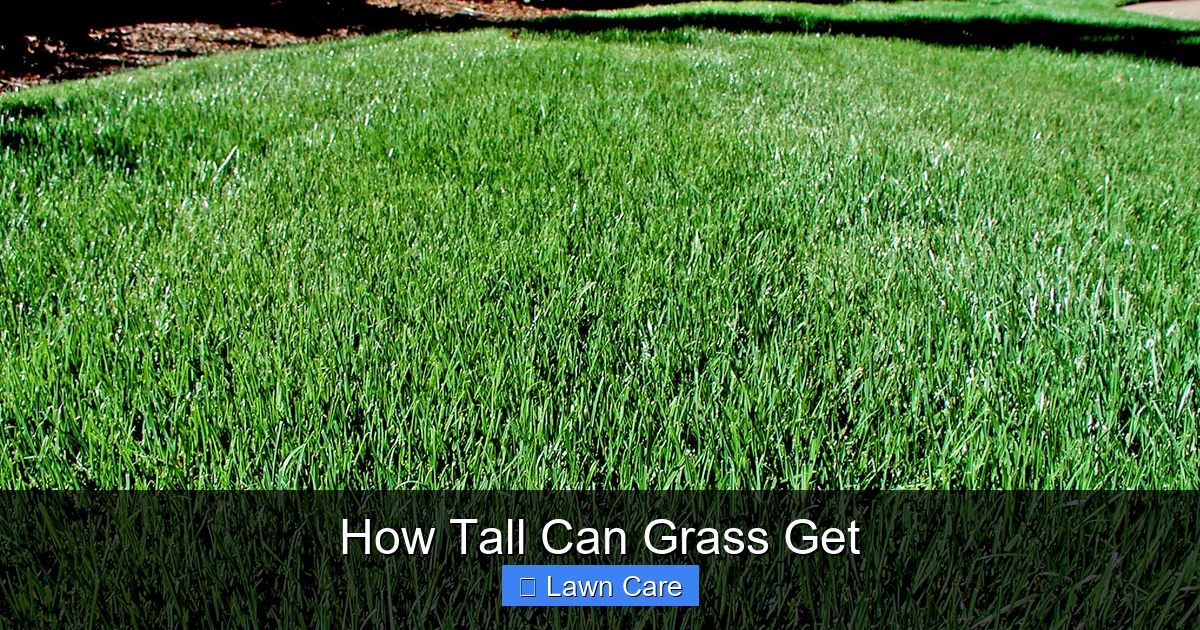
* Cool-Season Grasses: Examples include Kentucky Bluegrass, Perennial Ryegrass, and various Fescues (like Fine Fescue and Tall Fescue). In their natural growth cycle, before being cut, these grasses might reach heights of 3 to 6 inches. However, some, like Tall Fescue, can get taller if left unmown for an extended period, potentially reaching 1 to 3 feet before setting seed. If you’re looking to manage tall fescue, understanding its growth habits is key.
* Warm-Season Grasses: These include Bermuda Grass, Zoysia Grass, St. Augustine Grass, and Bahia Grass. They tend to grow more aggressively in warmer months. When allowed to grow without mowing, they can also reach heights of 6 to 18 inches. Bermuda grass, for example, is known for its rapid spread and can get quite dense and tall if not managed. For those interested in a lush Bermuda lawn, understanding how to encourage its spread and fill in bare spots is crucial.
Wild and Ornamental Grasses
Beyond the manicured lawn, the grass family contains species that grow much, much taller.
* Meadow Grasses: Many native grasses found in prairies and meadows are designed to grow tall. Species like Big Bluestem can reach heights of 4 to 8 feet, sometimes even more under ideal conditions. These grasses play a vital role in their ecosystems.
* Ornamental Grasses: Gardeners often use ornamental grasses for their beauty and texture. Many of these are cultivated varieties of naturally tall grasses. For instance, species like Fountain Grass (Pennisetum) can reach 3 to 5 feet, while Switchgrass (Panicum virgatum) can grow 4 to 6 feet tall.
* Giant Grasses: The undisputed king of the grass world is bamboo. While technically a grass, bamboo can grow to extraordinary heights. Some species of bamboo can reach over 100 feet tall, making them more like trees than what we typically imagine as grass.
Factors Influencing Grass Height

Visual guide about How Tall Can Grass Get
Image source: i.ytimg.com
Several key factors determine how tall a grass can grow:
1. Genetic Predisposition (Species and Variety)
This is the most significant factor. Each species of grass has a genetically determined maximum height. Just as a golden retriever will never be as tall as a Great Dane, a Kentucky Bluegrass will never reach the height of a giant bamboo. Within a species, different varieties may also have slightly different growth habits.
2. Environmental Conditions
The environment in which grass grows has a profound impact on its height.
* Sunlight: Grass needs sunlight for photosynthesis, the process that provides energy for growth. Sufficient sunlight allows grass to reach its potential height. Shady areas often result in weaker, less vigorous growth.
* Water: Water is essential for all plant life, including grass. Adequate hydration ensures that the plant’s cells can expand and that nutrients are transported efficiently. Drought stress will significantly stunt grass growth.
* **Temperature:** Different grass species thrive in specific temperature ranges. Cool-season grasses grow best in moderate temperatures, while warm-season grasses need heat. Extreme temperatures, whether too hot or too cold, can inhibit growth.
* Soil Quality and Nutrients:** The soil provides the foundation for grass growth, supplying water, air, and essential nutrients.
* Fertility: This is arguably the most controllable factor after mowing. Grass requires nutrients like nitrogen, phosphorus, and potassium to grow. Nitrogen, in particular, is a key component of chlorophyll and proteins, driving leafy green growth and contributing to height. If you’re aiming for a lush, healthy lawn, understanding proper fertilization is crucial.
* Soil Structure:** Well-aerated soil with good drainage allows roots to spread and access water and nutrients. Compacted soil can restrict root growth and, consequently, above-ground growth.
3. Mowing Practices
For most homeowners, mowing is the primary method of controlling grass height. The height at which you cut your grass, and how frequently you do it, directly dictates its visible height.
* **Mowing Height:** Cutting grass too short can stress the plant, making it more susceptible to disease and drought. Conversely, letting it grow too long between mows means it will reach a greater height before being cut back.
* Mowing Frequency: Frequent mowing keeps grass at a desired, short height. Infrequent mowing allows it to grow taller.
4. Seasonal Growth Cycles
Grass growth is not constant throughout the year. Many grasses have peak growing seasons.
* **Cool-Season Grasses:** These typically have a significant growth spurt in the spring and fall when temperatures are cooler. Summer heat can cause them to go dormant or grow much slower.
* **Warm-Season Grasses:** These thrive in the heat of summer and will grow vigorously during this period. They go dormant and turn brown in cooler temperatures.
How to Manage Grass Height
Visual guide about How Tall Can Grass Get
Image source: oregontallfescue.org
For those managing a lawn, the goal is usually to maintain a specific, desirable height, not to let it reach its maximum potential. Here’s how:
1. Know Your Grass Type
Identifying the type of grass you have is the first step. This will inform your mowing height recommendations and overall care strategy. For instance, Bermuda grass can often be mowed much lower than Tall Fescue. Knowing whether you have a cool-season or warm-season grass will also help you understand its growth patterns and when it will be most active.
2. Set the Correct Mowing Height
Each grass type has an optimal mowing height range.
* General Rule: For most common lawn grasses, mowing between 2.5 to 3.5 inches is a good starting point. However, some, like certain Bermuda grass varieties, can be mowed as low as 0.5 to 1 inch for a very manicured look (though this requires frequent mowing and diligent care). St. Augustine grass, on the other hand, prefers a slightly higher cut, around 2.5 to 4 inches.
* The 1/3 Rule: Never remove more than one-third of the grass blade in a single mowing. This helps prevent stressing the plant. If your grass has grown too tall, you’ll need to mow it more frequently, gradually bringing it down to the desired height. Trying to cut off too much at once can damage the lawn.
3. Mow Regularly
The frequency of mowing depends on the grass type, the season, and how high you are cutting it.
* **Active Growth:** During peak growing seasons (spring and fall for cool-season grasses, summer for warm-season grasses), you might need to mow once or twice a week.
* **Slower Growth:** In slower periods, mowing once every 10-14 days might suffice.
* Consistency is Key: Regular mowing prevents grass from getting excessively tall and helps maintain a uniform look. If you’re wondering how to get thick Bermuda grass, consistent mowing, along with other care practices, is a big part of it.
4. Water Wisely
Proper watering supports healthy growth, allowing your grass to recover from mowing and maintain its desired height without becoming weak. Deep, infrequent watering is generally better than shallow, frequent watering, as it encourages deeper root growth.
5. Fertilize Appropriately
A balanced fertilization program provides the nutrients grass needs to grow strong and healthy. Avoid over-fertilizing, which can lead to excessively rapid growth that becomes difficult to manage. Follow the recommendations for your specific grass type and soil conditions.
6. Dealing with Unwanted Tall Grass
Sometimes, you might encounter grass you don’t want, such as invasive species or weeds that have grown tall.
* **Invasive Grasses:** If you have an invasive grass species that is growing too tall and becoming a nuisance, you may need to take specific measures to control it. For example, learning how to get rid of Tall Fescue grass might involve specific herbicides or cultural practices. Similarly, if you have Bermuda grass encroaching where it’s not wanted, you’ll need strategies on how to get rid of Bermuda grass in your lawn or garden.
* Weeds: Tall weeds can also detract from your lawn’s appearance and compete for resources. Identifying and managing common lawn weeds is an ongoing part of lawn care.
When “Tall Grass” Becomes a Problem
While some grasses can grow incredibly tall, there are situations where this becomes undesirable or even problematic.
* **Homeowner Association (HOA) Rules:** Many HOAs have rules about lawn height to maintain neighborhood aesthetics. Letting your grass grow too tall can result in fines.
* **Pest Infestation:** Tall, unkempt grass can provide hiding places for pests like mosquitoes, ticks, and rodents.
* **Disease Susceptibility:** Grass left too long can lead to poor air circulation, increasing the risk of fungal diseases.
* **Root Health:** While grass needs sufficient leaf surface for photosynthesis, excessively tall grass can sometimes indicate an imbalance, especially if the roots aren’t equally robust.
Conclusion
The question of “how tall can grass get” opens a window into the incredible diversity of the plant kingdom. From the humble lawn grass that rarely exceeds a few inches to the towering bamboo that rivals trees, grass possesses an astonishing range of growth potentials. For homeowners, understanding this potential is key to managing their lawns effectively. By knowing your grass type, mowing at the correct height and frequency, and providing proper care, you can ensure your lawn is healthy, attractive, and at the height you desire. Remember, a well-maintained lawn is a testament to understanding and working with nature’s design, not against it.