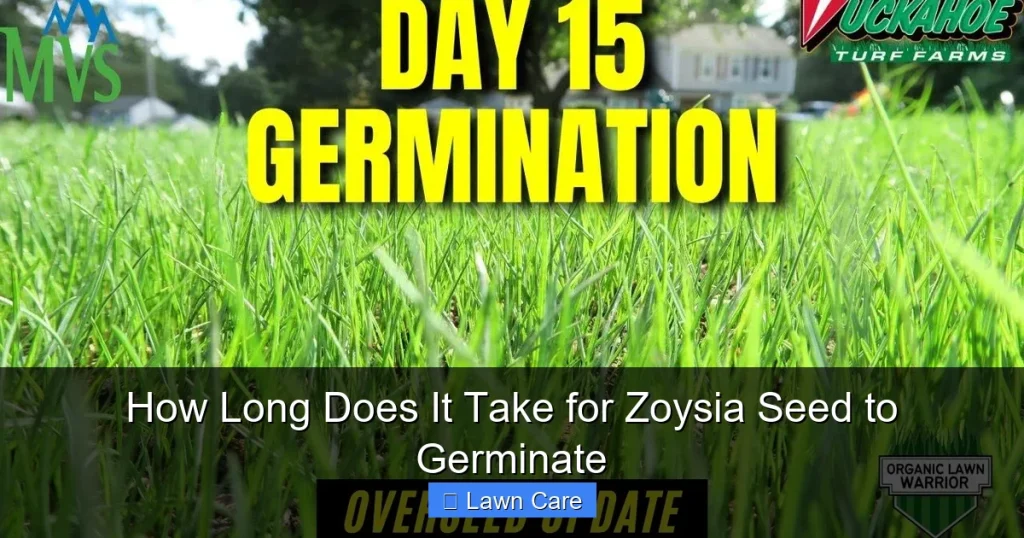
Zoysia seed germination is a patient process. Expect to see sprouts in 14 to 30 days, but the exact time can vary significantly. Factors like soil temperature, moisture, and seed quality play a huge role in how long it takes for Zoysia seed to germinate.
So, you’ve decided on Zoysia grass for your lawn! That’s a fantastic choice for a dense, beautiful, and relatively low-maintenance turf. But now comes the waiting game: how long does it actually take for Zoysia seed to germinate? It’s a question many eager lawn enthusiasts ask, and the answer isn’t always a simple one-size-fits-all. Getting a new lawn started from seed is like nurturing a new life; it requires the right conditions and a good dose of patience.
We all want that lush, green carpet as quickly as possible, right? You might have visions of barefoot summers and envy-inducing curb appeal. But understanding the germination timeline for Zoysia seed is the first step to managing expectations and ensuring you provide the best possible environment for those tiny sprouts to emerge. Let’s dive into what influences this timeline and what you can do to encourage a speedy and successful start.
## Understanding Zoysia Seed Germination
Zoysia grass is a popular choice because it’s a warm-season grass. This means it loves the heat and thrives in warmer climates. Unlike cool-season grasses, which can be sown in the spring or fall, Zoysia has a very specific window for optimal germination and growth. When we talk about how long it takes for Zoysia seed to germinate, we’re looking at a range that’s influenced by a few key players.
Generally speaking, you can expect to see Zoysia grass seedlings emerge anywhere from 14 to 30 days after sowing the seed. However, this is a broad estimate. Some might pop up a little sooner, and others might take the full month, or even a bit longer under less-than-ideal circumstances. It’s crucial to remember that germination is just the very first step. Once the seeds sprout, it will take even more time for them to grow into a playable, established lawn.
### The Importance of Patience and Realistic Expectations
It’s easy to get discouraged when you sow grass seed and don’t see immediate results. You might find yourself peering at the soil daily, searching for any sign of green. With Zoysia seed, this level of intense anticipation is often necessary. Compared to some faster-germinating grasses, Zoysia is definitely on the slower side. For instance, if you’ve ever wondered how long does it take for perennial ryegrass to germinate, you’ll find it’s often much quicker. Zoysia’s deliberate growth pattern is part of what makes it so resilient once established.
### Factors Affecting Germination Time
Several factors can influence how long it takes for Zoysia seed to germinate. Understanding these will help you create the perfect environment and troubleshoot if things seem to be taking longer than expected.
* **Soil Temperature:** This is arguably the most significant factor. Zoysia seeds need warmth to break dormancy and begin the germination process. They have a narrow temperature range where they are most viable.
* **Moisture Levels:** Consistent moisture is absolutely vital. The soil needs to be kept uniformly damp, much like a wrung-out sponge, from the moment the seed is sown until it has established a good root system.
* **Seed Quality and Viability:** The age and storage conditions of your Zoysia seed play a massive role. Older or improperly stored seeds may have reduced germination rates or take much longer to sprout.
* **Sunlight Exposure:** While not directly impacting germination speed, adequate sunlight is crucial for the young seedlings’ survival and growth once they emerge.
* **Soil Preparation:** The condition of your soil – its texture, drainage, and aeration – can also affect how well the seed makes contact with the soil and its ability to absorb moisture and nutrients.
## The Magic Number: Soil Temperature for Zoysia
As a warm-season grass, Zoysia has a specific temperature sweet spot for germination. Think of it as its preferred climate for getting started.
### Ideal Temperature Range
Zoysia seeds germinate best when the soil temperature is consistently between 70°F and 85°F (21°C to 29°C). This is the range where the biological processes within the seed are most active, allowing it to sprout and develop roots efficiently.
### What Happens if it’s Too Cold or Too Hot?
If soil temperatures are consistently below 65°F (18°C), germination will be significantly delayed, or it might not happen at all. The seeds can remain dormant, waiting for warmer conditions. If temperatures consistently exceed 90°F (32°C), it can also be detrimental, potentially damaging the delicate seeds or drying out the soil surface too quickly, which is equally harmful to germinating seeds. This is why the best time to plant Zoysia seed is typically in late spring or early summer when these temperatures are reliably achieved.
### How to Measure Soil Temperature
You don’t need to be a meteorologist to gauge your soil temperature. A simple soil thermometer, available at most garden centers, is your best friend. Stick it a few inches into the soil in a few different spots where you plan to seed. Check it daily, especially during the critical planting window, to ensure you’re hitting that optimal temperature range.
## The Crucial Role of Moisture
Water is life for germinating seeds, and for Zoysia, consistent hydration is non-negotiable. If you’re wondering how long does it take for Zoysia seed to germinate, remember that a consistently moist seedbed is your best bet for getting it done within that 14-30 day window.
### Keeping it Consistently Damp
This doesn’t mean flooding your lawn. It means keeping the top inch of soil consistently moist. Imagine the soil looking like a dark, wet chocolate cake. When you touch it, your finger should feel damp, but no standing water should be present.
### Watering Techniques
* **Light and Frequent Watering:** After sowing, water very gently. A fine mist from a hose or a sprinkler on a light setting is ideal. You’ll likely need to water multiple times a day (2-3 times, or even more if it’s hot and dry) to keep that surface layer moist.
* **Avoid Runoff:** If water starts pooling or running off, you’re watering too heavily. Let the soil surface dry slightly before watering again.
* **Protect from Wind:** Strong winds can dry out the soil surface very quickly. Consider using a windbreak or watering more frequently on windy days.
### The Danger of Drying Out
If the soil surface dries out even for a short period, any seeds that have started to swell or even sprout can die. This is a common reason for poor germination or patches of no growth. It’s far better to water lightly and frequently than to water heavily once a day.
## Seed Quality: The Foundation of Your Lawn
Just like any other living thing, the quality of the seed you start with has a massive impact on its ability to germinate and grow. Using the best possible Zoysia seed is a crucial step in achieving that beautiful lawn in a reasonable timeframe.
### What to Look For in Zoysia Seed
* **Freshness:** Look for the “seed pack date” or “germination test date” on the packaging. Ideally, you want seed that was tested within the last 9-12 months. The germination rate decreases significantly over time.
* **Reputable Brands:** Purchase your seed from well-known garden centers or reputable online suppliers. These sources are more likely to sell high-quality, well-processed seed.
* **Seed Type:** Ensure you are buying Zoysia seed, not sod or plugs, if your goal is to grow from seed. There are different varieties of Zoysia (e.g., Zenith, Zeon, Cavalier), and while they all have similar germination characteristics, some might be better suited to your climate.
### What Happens with Old or Poor-Quality Seed
Old seed often has a much lower germination rate. This means fewer seeds will sprout, resulting in a thinner lawn that takes longer to fill in. In some cases, very old or poorly stored seed may have a germination rate so low that you’ll barely see any results, regardless of how well you prepare the soil or water. This can lead to a lot of frustration and wasted effort.
## The Planting Process: Setting the Stage for Success
How you plant your Zoysia seed also plays a vital role in how long it takes for Zoysia seed to germinate and how successfully it does so. A good planting process ensures optimal seed-to-soil contact and provides the best start for those nascent roots.
### Soil Preparation is Key
Before you even think about sowing seeds, proper soil preparation is essential. This involves several steps:
1. **Clearing the Area:** Remove any existing weeds, rocks, or debris from the area you plan to seed.
2. **Aeration:** If your soil is compacted, aerating it will improve drainage and allow air and water to reach the roots more effectively.
3. **Tilling or Loosening:** Loosen the top 2-3 inches of soil. This creates a good seedbed and helps the seed settle in. You can use a rake or a tiller for this.
4. **Leveling:** Rake the soil smooth, removing any large clumps or unevenness. A smooth surface helps ensure even seed distribution and moisture.
5. **Fertilizing (Optional but Recommended):** Applying a starter fertilizer that is low in nitrogen but high in phosphorus can help promote root development. Follow the product’s instructions carefully.
### Sowing the Seed
* **Even Distribution:** Use a broadcast spreader for large areas or a handheld spreader for smaller patches to ensure the seed is spread evenly. Follow the recommended seeding rate on the seed bag.
* **Seed-to-Soil Contact:** This is critical. After spreading the seed, you need to gently rake it into the top ¼ to ½ inch of soil. You want the seed to be covered by a thin layer of soil, but not buried too deeply. The goal is for the seed to make good contact with the moist soil.
* **Light Rolling:** For larger areas, a light rolling with a lawn roller can help ensure excellent seed-to-soil contact and prevent the seeds from washing away.
## Post-Germination Care: Nurturing New Life
Once you see those first tiny green shoots emerging, you might think the hard work is over. But that’s when the real nurturing begins. How long does it take for Zoysia seed to germinate is one question, but how long until it’s a lawn is another!
### Watering After Germination
Continue to keep the soil consistently moist, especially for the first few weeks after germination. As the seedlings grow stronger, you can gradually reduce the frequency of watering but increase the duration, encouraging deeper root growth. Avoid mowing until the new grass is at least 1 inch tall.
### Mowing the New Lawn
When it’s time to mow for the first time, use a sharp mower blade and set it to a higher cutting height. Avoid removing more than one-third of the grass blade in any single mowing. This helps the young grass blades recover and continue to grow.
### Fertilizing New Growth
Wait until the new Zoysia grass has been mowed a few times (typically 4-6 weeks after germination) before applying any significant fertilizer. A light application of a balanced lawn fertilizer designed for established lawns can then be beneficial.
## Troubleshooting Common Germination Issues
If you’ve followed all the steps and are still not seeing the expected results, don’t despair. Here are a few common issues and how to address them:
### Slow or Uneven Germination
* **Problem:** Soil temperature too low, inconsistent watering, or poor seed quality.
* **Solution:** Ensure soil temperatures are within the optimal range. Double-check your watering schedule to maintain consistent moisture. If you suspect poor seed quality, you might need to reseed with fresh, high-quality seed.
### No Germination at All
* **Problem:** Seeds were too old, soil was too dry, seeds were planted too deep, or there was a severe pest issue.
* **Solution:** Invest in new, viable seed. Re-evaluate your watering strategy and ensure the soil surface never dries out. Ensure seeds are lightly raked into the soil, not buried. Check for signs of insects or grubs that might be eating the seeds.
### Weeds Outcompeting Zoysia
* **Problem:** Weeds often germinate faster than Zoysia.
* **Solution:** Proper soil preparation that removes existing weed seeds can help. Once the Zoysia is established, a regular mowing schedule and proper fertilization will help it become dense enough to choke out most weeds. For severe weed problems, you may need to consider a pre-emergent herbicide applied at the correct time (before weeds sprout), but be very careful as these can also affect grass seed germination.
Patience is truly a virtue when it comes to growing Zoysia from seed. By understanding the factors that influence germination – particularly soil temperature and moisture – and by using high-quality seed and following a meticulous planting process, you can significantly improve your chances of success. Remember, a beautiful, resilient Zoysia lawn is a marathon, not a sprint, and the germination period is just the exciting first chapter.
- The average germination time for Zoysia seed is between 14 and 30 days. This means you’ll need to be patient as you wait for your new lawn to appear.
- Soil temperature is a critical factor. Zoysia seeds germinate best when soil temperatures are consistently between 70-85°F (21-29°C).
- Consistent moisture is essential. The soil needs to be kept evenly moist, but not waterlogged, throughout the entire germination period.
- Seed quality matters. Using fresh, high-quality Zoysia seed will significantly increase your chances of successful and timely germination.
- Zoysia grass is a warm-season grass. This means it thrives and germinates best in warmer weather, typically late spring through early summer.
- Patience is key. While some seeds might sprout sooner, many will take the full 30 days, so don’t get discouraged if you don’t see results immediately.
- Proper soil preparation and care after seeding can influence how long it takes for Zoysia seed to germinate and establish.
Quick Answers to Common Questions
How long does it take for Zoysia seed to germinate in ideal conditions?
In ideal conditions, with proper soil temperature (70-85°F), consistent moisture, and high-quality seed, Zoysia seed typically germinates between 14 and 30 days.
What is the most important factor for Zoysia seed germination?
The most critical factor for Zoysia seed germination is soil temperature. It needs to be consistently warm, ideally between 70°F and 85°F (21-29°C).
Can I speed up Zoysia seed germination?
While you can’t force Zoysia seed to germinate faster than its natural rate, you can create optimal conditions (warm temperatures, consistent moisture, good seed-to-soil contact) to encourage it to germinate as quickly as possible within its typical 14-30 day window.
What should I do if my Zoysia seed hasn’t germinated after 30 days?
If your Zoysia seed hasn’t germinated after 30 days, check soil temperature and moisture levels. If they were adequate, it could be due to old seed, poor seed-to-soil contact, or planting too deep. You may need to reseed with fresh, high-quality seed after addressing the potential issues.
Is Zoysia seed harder to germinate than other grass types?
Yes, Zoysia seed is generally considered to have a slower and more challenging germination process compared to many other grass types, particularly cool-season grasses. It requires specific warm conditions and patience.
Frequently Asked Questions
What is the average germination time for Zoysia seed?
The average germination time for Zoysia seed is typically between 14 and 30 days. This means you should start to see seedlings emerge within two to four weeks after sowing under the right conditions.
What soil temperature is best for Zoysia seed germination?
Zoysia seeds require warm soil temperatures to germinate effectively. The ideal range is between 70°F and 85°F (21°C to 29°C). Temperatures outside this range can significantly delay or prevent germination.
How important is consistent moisture for Zoysia seed germination?
Consistent moisture is absolutely critical. The soil surface must be kept evenly moist, but not waterlogged, from the time of sowing until the seedlings are established. Allowing the soil to dry out can kill the seeds or emerging sprouts.
What are the signs of successful Zoysia seed germination?
The primary sign of successful Zoysia seed germination is the appearance of small, green shoots emerging from the soil. Initially, these will be very fine and sparse.
Can I plant Zoysia seed in the fall?
Generally, no. Zoysia is a warm-season grass, and planting it in the fall means the soil temperatures will likely be too cool for successful germination and establishment before the colder weather arrives.
What should I do if I see weeds before Zoysia sprouts?
Weeds often germinate faster than Zoysia. If weeds appear, try to remove them by hand very carefully to avoid disturbing the Zoysia seed. Once the Zoysia is established, its dense growth will help compete with weeds.