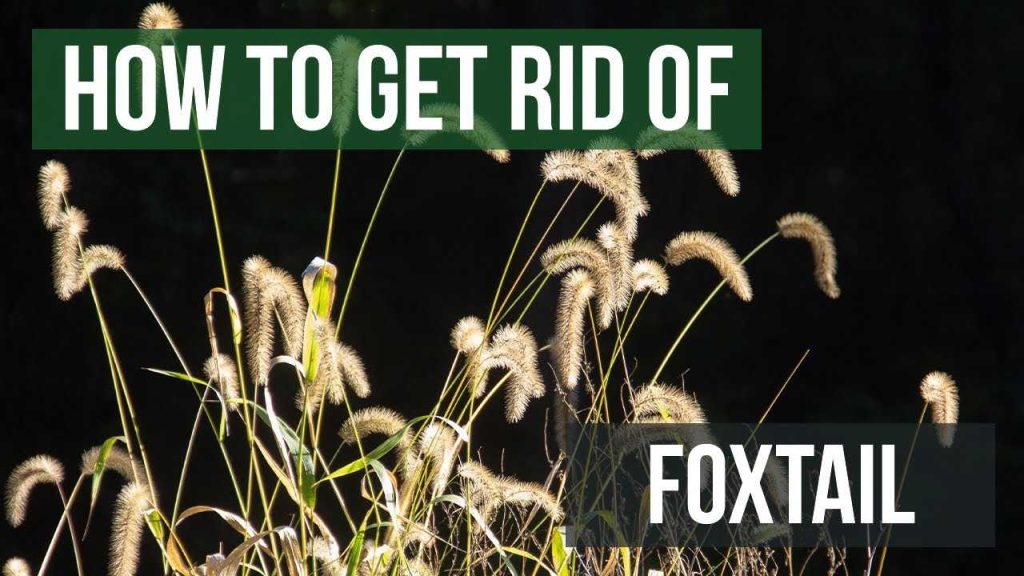
To effectively get rid of foxtail grass, the quickest solution is to use a combination of manual removal and targeted herbicides. Pulling the grass out by the roots, especially before it seeds, can significantly reduce its presence. If the infestation is severe, applying a selective herbicide designed for grassy weeds can help control the problem. Remember, consistent monitoring and maintenance of your lawn will also prevent foxtail grass from making a comeback.
Foxtail grass can quickly become a nuisance for any gardener or homeowner, dominating lawns and gardens with its fast-growing nature and sharp seed heads. It thrives in disturbed soils and can easily spread if not managed promptly. Fortunately, there are effective strategies to tackle this resilient weed. By understanding its growth cycles and implementing the right control measures, you can reclaim your outdoor space. In this article, we’ll explore practical steps and tips to help you permanently remove foxtail grass from your landscape.

How to Get Rid of Foxtail Grass
Foxtail grass can be a thorn in the side of any gardener or homeowner. This troublesome weed grows quickly and can outcompete valuable plants for nutrients, water, and sunlight. So, how do you tackle this persistent grass? Let’s dive into several effective methods to help you get rid of foxtail grass once and for all.
What is Foxtail Grass?
Foxtail grass is a common weed in many areas, known for its bushy appearance and tall seed heads. It typically thrives in lawns, gardens, and agricultural land. Foxtail can grow up to 3 feet tall and has distinctive, feathery seed heads resembling a fox’s tail.
Understanding foxtail grass is key to eliminating it. The plant has a wide growth range and typically flourishes in areas with disturbed soil. Not only is it invasive, but it can also pose a risk to pets and livestock due to its sharp seed heads.
Identifying Foxtail Grass
Before you can effectively remove foxtail grass, you need to identify it correctly. Here are some key characteristics:
- Height: Grows up to three feet tall.
- Leaves: Long, narrow, and pointed leaves with a rough texture.
- Seed heads: Bushy and feathery, resembling a fox’s tail.
- Color: Bright green in spring and summer, turning brown in fall.
Knowing what to look for helps you spot foxtail grass early, making removal easier.
Preventing Foxtail Grass Growth
Prevention is often more effective than removal. Here are some steps to prevent foxtail grass from invading your space:
- Maintain Healthy Lawns: Regularly mow your lawn to keep grass at an optimal height.
- Regular Watering: Keep your lawn adequately watered to promote healthy grass growth.
- Fertilize: Apply fertilizer to encourage robust grass growth, making it harder for foxtail to establish.
- Mulch: Use mulch in garden beds to suppress weed growth.
Implementing these preventive measures can go a long way in controlling foxtail grass before it becomes a problem.
Manual Removal Techniques
Sometimes, the best way to eliminate foxtail grass is to pull it out by hand. Here are some tips for manual removal:
- Wear Gloves: Protect your hands from sharp seed heads.
- Remove Before Seed Set: Pull foxtail grass before it produces seeds.
- Use a Weeding Tool: A weeding tool can help remove deeper roots.
Manual removal works best for small areas. However, remember to check regularly for any regrowth.
Using Herbicides Effectively
If you’re dealing with larger patches of foxtail grass, herbicides can be an effective option. Here’s how to use them correctly:
- Select the Right Herbicide: Choose a product labeled for foxtail grass control.
- Follow Instructions: Always follow the manufacturer’s instructions for application.
- Timing: Apply herbicides in late spring or early summer when foxtail is actively growing.
Herbicides can be powerful tools, but they should be used cautiously to protect desirable plants and the environment.
Encouraging Native Plants
One effective way to combat foxtail grass is to promote native plants. Here’s how:
- Choose Native Grasses: Plant native grass species to compete with foxtail.
- Establish Ground Cover: Ground cover plants can suppress weeds effectively.
- Plant Dense Vegetation: Thicker plantings reduce open space where weeds can grow.
Encouraging native plants not only combats foxtail grass but also supports local ecosystems.
Soil Health Improvement
Improving soil health can deter foxtail grass from taking root. Focus on these soil enhancement techniques:
- Compost: Add organic matter to enrich the soil.
- pH Testing: Test your soil to ensure optimal acidity levels for desired plants.
- Crop Rotation: Rotate crops to prevent weeds from establishing.
Healthy soil supports robust plant growth while discouraging foxtail grass.
Water Management Practices
Proper water management can also help fight off foxtail grass. Here’s what to keep in mind:
- Water Deeply: Encourage deep root growth by watering less frequently but more thoroughly.
- Avoid Overwatering: Excess moisture promotes foxtail growth.
- Observe Drainage: Ensure your garden has good drainage to prevent standing water.
Good water management practices are vital for maintaining a healthy landscape.
Regular Lawn Maintenance
Keeping up with lawn maintenance supports the health of your grass while reducing weeds. Here are some strategies:
- Mow Regularly: Keeping grass at a proper height helps prevent weeds.
- Edge Gardens and Walkways: Clean edges can help prevent seeds from spreading.
- Remove Debris: Clear dead leaves and plant material to avoid creating a conducive environment for weeds.
Regular lawn maintenance is essential in keeping your yard healthy and weed-free.
Monitoring and Combating Foxtail Grass
Keep an eye on your garden for any new foxtail grass growth. Here’s how to stay vigilant:
- Regularly Inspect: Walk through your garden often to catch weeds early.
- Act Quickly: If you see any foxtail grass, remove it immediately to prevent spreading.
- Document Growth: Keeping a garden journal can help track any infestations.
Monitoring your yard ensures that you stay ahead of any foxtail grass issues.
Tackling foxtail grass requires a combination of prevention, manual removal, and proper lawn care practices. By understanding its characteristics and implementing diversifying strategies, you can keep your garden healthy and thriving! Adopting the approaches discussed above will ensure that foxtail grass becomes a thing of the past in your landscape.
How to Get Rid of Foxtails (4 Easy Steps!)
Frequently Asked Questions
“`html
What are the best methods for preventing foxtail grass from spreading?
To prevent foxtail grass from spreading, maintain a healthy lawn by mowing regularly and keeping the grass at a proper height. Cease over-watering and ensure adequate drainage to avoid creating a suitable environment for foxtail. Additionally, apply mulch around garden beds and use landscape fabric to block its growth in flower and vegetable gardens.
How can I effectively control foxtail grass without chemicals?
Manual removal is an effective method for controlling foxtail grass without chemicals. Pull the plants out by the roots, ensuring you remove the entire root system to prevent regrowth. Regularly cultivate and hoe the area to disrupt its growth, and consider using boiling water or vinegar as a natural herbicide on small patches.
When is the best time to tackle foxtail grass?
The optimal time to tackle foxtail grass is during its early growth stages, typically in the spring when the plants are still young. This timing allows for easier removal and reduces the chance of seed production. Continually monitor and address any new growth throughout the growing season to keep the area clear.
What are the signs that foxtail grass is taking over my lawn?
Look for patches of taller grass that resembles a bushy tuft, especially during summer. Foxtail grass often grows more rapidly than desirable grasses and can form dense clusters. Pay attention to its seed heads, which appear in late summer and can easily spread if not controlled.
Can foxtail grass be controlled in an established lawn?
Yes, you can control foxtail grass in an established lawn by using selective herbicides designed for grassy weeds. Follow the manufacturer’s instructions to prevent harm to desirable grass species. Additionally, increase lawn density and health through proper fertilization and watering to outcompete foxtail grass.
“`
Final Thoughts
To effectively get rid of foxtail grass, start by maintaining a healthy lawn. Regular mowing at the right height helps prevent flowering and seeding. Apply pre-emergent herbicides in early spring to stop foxtail seeds from germinating.
Additionally, hand-pulling or spot-treating with post-emergent herbicides can manage existing plants. Make sure to follow up with proper watering and fertilization to ensure your grass thrives, outcompeting foxtail. Implementing these strategies consistently will significantly reduce foxtail grass in your garden. Remember, knowing how to get rid of foxtail grass requires diligence and care.