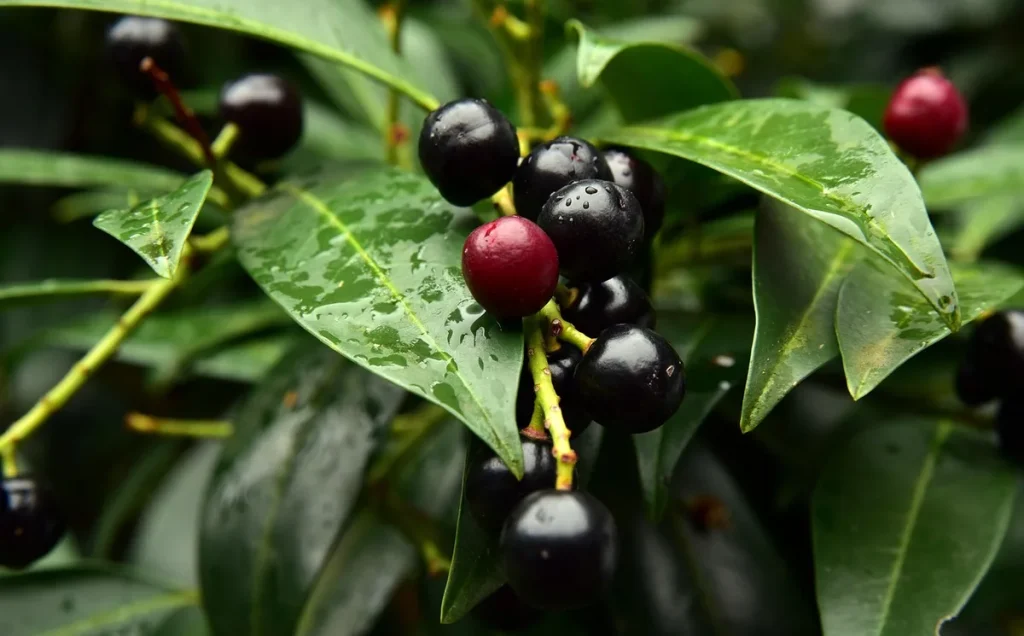
You've noticed yellow leaves on your skip laurel, and it's probably stressing you out. Especially if you planted it as a privacy hedge and now it's looking rough right when you need it most.
The good news is that skip laurel yellow leaves almost always have a fixable cause. The bad news is that the wrong fix can make things worse fast. In this guide, we'll walk through exactly how to figure out what's going on with your plant and what to do about it, step by step.
Skip laurel (Prunus laurocerasus 'Schipkaensis') is one of the most popular broadleaf evergreen hedges in the US, hardy from USDA zones 5 to 9. As of 2026, it remains a top choice for screening and foundation plantings precisely because it's tough and fast-growing. But yellowing is the number one complaint growers report, and the cause changes everything about how you respond.
Quick Answer
Skip laurel yellow leaves are most often caused by overwatering, poor drainage, or alkaline soil that blocks iron uptake. Start by checking soil moisture and pH. If the soil stays wet or tests above 7.5, that's likely your problem.
Nutrient deficiencies, root rot, and winter burn are less common causes but worth ruling out. Fix the underlying condition and the plant usually recovers within a few weeks.
The Most Common Causes, Ranked by Likelihood
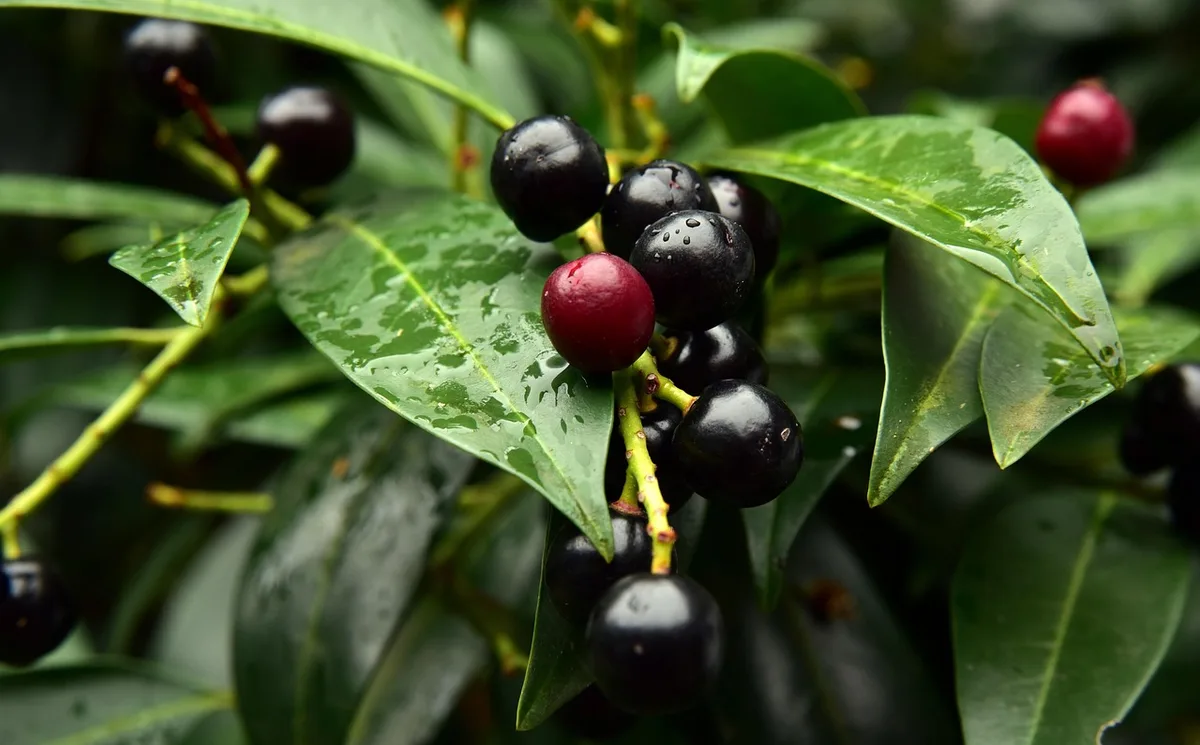
Not every yellow leaf means the same thing. The cause determines the cure, so getting the diagnosis right matters more than acting fast.
| Rank | Cause | How Common | How Serious |
|---|---|---|---|
| 1 | Overwatering or poor drainage | Very common | Moderate to severe |
| 2 | Iron chlorosis from alkaline soil | Common in certain regions | Moderate |
| 3 | Nutrient deficiency (N, Mg, Mn) | Moderate | Mild to moderate |
| 4 | Root rot (Phytophthora or Armillaria) | Less common | Severe |
| 5 | Transplant shock | Common in new plantings | Usually temporary |
| 6 | Winter burn or environmental stress | Seasonal | Mild to moderate |
| 7 | Herbicide drift or chemical injury | Situational | Varies |
Drainage problems top the list for a reason. Skip laurel roots don't tolerate sitting in water. When soil stays saturated, roots can't breathe, nutrient uptake collapses, and foliage turns yellow from the inside out.
If you're watering on a timer or your laurel sits in a low spot, this is the first thing to suspect.
Iron chlorosis runs a close second, especially in the Midwest, Great Plains, or anywhere with limestone-heavy soil. Even if iron is physically present in the ground, a pH above 7.5 locks it out. The plant literally can't absorb it.
How to Diagnose the Exact Problem
Here's where we move from guessing to knowing. Work through these steps in order. They'll take about 15 minutes and will save you from wasting time on the wrong treatment.
Step 1: Look at where the yellowing is happening.
Yellow lower or older leaves point to nitrogen deficiency or chronic overwatering. Yellow new growth with green veins points to iron chlorosis. Scattered yellowing throughout the canopy points to root rot, herbicide damage, or general stress.
Step 2: Check the soil moisture.
Stick your finger into the soil 2 to 3 inches deep near the root zone. If it feels soggy, you've got a drainage or watering problem. If it's bone dry, underwatering may be the issue, though this is less common with skip laurel.
Step 3: Test your soil pH.
Grab a basic soil test kit from a garden center or send a sample to your local university extension lab. If the pH reads above 7.5, iron and manganese are likely unavailable to the plant regardless of how much is in the soil.
Step 4: Inspect the roots.
Gently dig near the base of the plant. Healthy roots are firm and white to light tan. If they're brown, black, mushy, or smell sour, you're dealing with root rot.
Step 5: Review recent history.
Ask yourself: Was the plant recently transplanted? Did you apply any weed killer nearby? Was there a hard freeze or drought?
Any recent construction or soil compaction? Context matters.
Overwatering and Poor Drainage: The Number One Culprit
If your skip laurel sits in heavy clay, a low-lying area, or a spot where water pools after rain, this is almost certainly your problem. Overwatering is the most common mistake homeowners make, especially with automated irrigation systems that run on a fixed schedule regardless of actual soil conditions.
The symptoms are pretty telling. You'll see uniform yellowing across older leaves, sometimes with slight wilting despite the soil being wet. The plant looks thirsty but the soil is soaked.
That's because the roots are drowning, not starving.
Here's a quick drainage test. Dig a hole about 12 inches deep near your laurel and fill it with water. Time how long it takes to drain.
If it drains slower than 1 inch per hour, your soil has a drainage problem.
What to do about it:
- Cut back watering immediately. Let the top 2 to 3 inches of soil dry out between waterings.
- If the plant is in a low spot, consider relocating it or amending the soil with compost to improve structure.
- For container-grown skip laurel, make sure the pot has drainage holes and isn't sitting in a saucer of water.
- In severe cases, you may need to install a French drain or raised bed to redirect water away from the root zone.
Skip laurel is drought-tolerant once established. It's far better to underwater slightly than to keep the soil constantly wet.
Iron Chlorosis and Alkaline Soil: The Silent Killer
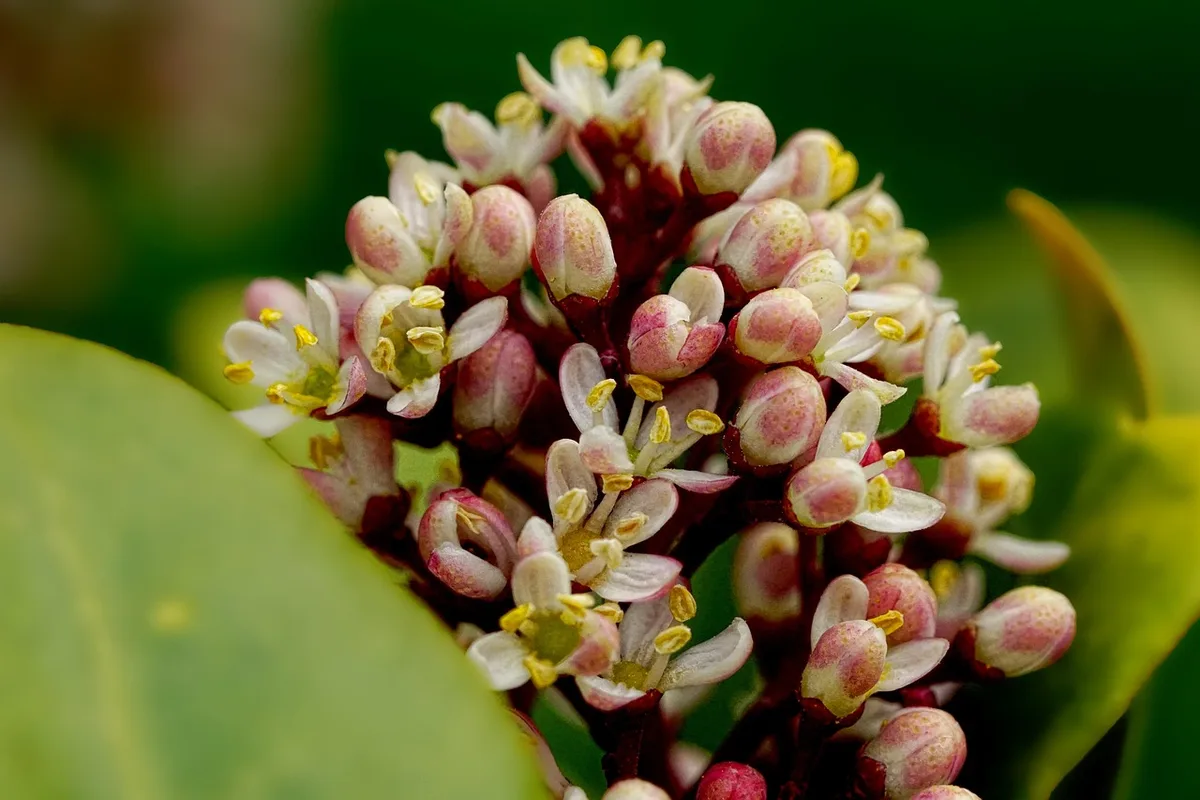
Iron chlorosis is sneaky because the plant looks like it needs fertilizer when it actually needs a pH adjustment. The telltale sign is interveinal chlorosis, where the tissue between the leaf veins turns yellow while the veins themselves stay green. It shows up on new growth first because iron doesn't move easily within the plant.
This is especially common near concrete foundations, which leach lime into surrounding soil, or where hard water is used for irrigation. According to the University of Minnesota Extension, iron chlorosis affects a wide range of landscape plants when soil pH exceeds 7.0 to 7.5, and skip laurel is particularly susceptible.
How to confirm it:
A soil pH test is the fastest way. If your pH is above 7.0 and you're seeing interveinal yellowing on new leaves, iron chlorosis is the diagnosis.
How to fix it:
- Apply chelated iron (Fe-DTPA or Fe-EDDHA) as a foliar spray or soil drench. Fe-EDDHA works best in alkaline soils and is effective up to pH 9.0.
- Lower soil pH over time by incorporating elemental sulfur or using an acidic mulch like pine bark or pine needles.
- Avoid planting skip laurel near fresh concrete, limestone driveways, or other sources of lime.
- For a quick fix, foliar iron sprays can green up leaves within 2 to 4 weeks, but the underlying pH issue still needs addressing for long-term health.
If you're in a region where alkaline soil is the norm, consider choosing a more tolerant species like privet or holly for future plantings.
Nutrient Deficiencies: Nitrogen, Magnesium, and Beyond
If you've ruled out drainage and pH problems, a nutrient deficiency might be the issue. Skip laurel is a fast grower, putting on 12 to 24 inches per year, and that kind of growth demands a steady supply of nutrients.
Nitrogen deficiency shows up as uniform yellowing of older, lower leaves. The plant pulls nitrogen from mature foliage to support new growth. This is the most common nutrient issue and the easiest to fix.
Magnesium deficiency causes yellowing between the veins on older leaves, similar to iron chlorosis but affecting the bottom of the plant rather than the top. It's common in sandy soils or after heavy rainfall that leaches magnesium from the root zone.
Manganese deficiency looks a lot like iron chlorosis but is less common. It also causes interveinal yellowing on new growth and is triggered by high pH.
What to do:
- For nitrogen deficiency, apply a balanced slow-release fertilizer (10-10-10) in early spring before new growth starts. One application per year is usually enough.
- For magnesium deficiency, dissolve 1 tablespoon of Epsom salt per gallon of water and apply as a soil drench or foliar spray. You should see improvement within a few weeks.
- For manganese, apply manganese sulfate to the soil or use a foliar spray containing manganese.
Don't over-fertilize. Adding nitrogen to a plant with root rot or drainage problems won't help and can actually stress the plant further. Always fix the underlying issue first.
Root Rot and Fungal Disease: When Yellow Means Serious Trouble
Root rot is the diagnosis nobody wants, but it's important to catch it early. The two main culprits for skip laurel are Phytophthora and Armillaria, both of which thrive in waterlogged soil.
Symptoms start with yellowing and wilting that doesn't improve with watering. As the disease progresses, you'll see branch dieback, dark streaks under the bark, and eventually the entire plant collapses. By the time you see above-ground symptoms, significant root damage has already occurred.
How to check:
Dig gently around the root zone and examine the roots. Healthy roots are firm and light-colored. Rotted roots are dark brown to black, soft, and may fall apart when you touch them.
A sour or rotten smell is another red flag.
What to do:
- Improve drainage immediately. This is non-negotiable. The plant won't recover if the soil stays wet.
- Remove and destroy severely affected plants. Do not compost them, as the pathogens can survive and spread.
- For mildly affected plants, reduce watering and apply a fungicide containing phosphorous acid as a soil drench, following label directions.
- Avoid replanting skip laurel or other susceptible species in the same spot. The pathogens can persist in the soil for years.
Verticillium wilt is another fungal disease that can cause yellowing and wilting, usually on one side of the plant first. There's no effective chemical treatment. Infected plants should be removed and destroyed.
Winter Burn, Herbicide Drift, and Environmental Stress
Not all yellowing is caused by soil or roots. Sometimes the environment itself is the problem.
Winter burn happens when cold, dry winds pull moisture from evergreen leaves faster than the frozen roots can replace it. Skip laurel is hardy to zone 5, but sudden temperature drops or extended periods of freezing wind can cause bronzing or yellowing, especially on the side facing prevailing winds. The damage shows up in late winter or early spring and is mostly cosmetic.
Prune out dead growth in spring and the plant usually fills back in.
Herbicide drift is more common than people realize. Glyphosate or broadleaf weed killers applied to a nearby lawn can drift onto skip laurel and cause yellowing, leaf distortion, and stunted growth. Symptoms often appear within a few days of application and may mimic nutrient deficiency.
If you suspect drift, rinse the foliage with water. Most plants recover from minor exposure.
Salt exposure affects skip laurels planted near roads or sidewalks where de-icing salt is used in winter. Salt damages roots and foliage alike, causing yellowing and browning of leaf margins. Flush the soil with fresh water in spring to leach out accumulated salt.
Compacted soil from foot traffic, construction, or heavy equipment can suffocate roots and mimic overwatering symptoms. If your laurel is in a high-traffic area or was recently installed on a construction site, aerate the soil or add compost to improve structure.
Transplant Shock: Why Newly Planted Skip Laurels Yellow
If you planted your skip laurel within the last 6 to 12 months and it's starting to yellow, transplant shock is a strong possibility. This is normal and usually temporary.
When a plant is moved from a container or nursery field to your landscape, it loses a significant portion of its root system. Until new roots establish in the surrounding soil, the plant can't take up water and nutrients efficiently. Yellowing, especially of older leaves, is the plant's way of conserving resources.
How to help it through:
- Water consistently but don't overdo it. The soil should be moist, not soggy. Once a week during dry weather is usually sufficient for new plantings.
- Mulch 2 to 3 inches deep around the base, keeping mulch a few inches away from the trunk. This conserves moisture and moderates soil temperature.
- Don't fertilize a newly planted skip laurel. Wait until the second growing season. Fertilizer on a stressed plant can burn tender new roots.
- Be patient. Most skip laurels bounce back fully by the second growing season if the planting site has decent drainage.
How to Fix Yellow Skip Laurel Leaves Based on Your Diagnosis
Now that you've worked through the diagnostic steps, here's a quick-reference action plan based on what you found.
| Diagnosis | Immediate Action | Follow-Up |
|---|---|---|
| Overwatering | Stop watering. Let soil dry. | Improve drainage. Amend soil or relocate plant. |
| Poor drainage | Reduce irrigation. | Install drainage or raise the planting bed. |
| Iron chlorosis (high pH) | Apply chelated iron foliar spray. | Lower soil pH with sulfur or acidic mulch. |
| Nitrogen deficiency | Apply balanced slow-release fertilizer in spring. | Fertilize annually. |
| Magnesium deficiency | Apply Epsom salt drench. | Reapply if symptoms return. |
| Root rot | Improve drainage. Remove dead plants. | Apply fungicide. Avoid replanting laurel in same spot. |
| Transplant shock | Water consistently. Mulch. | Wait. Do not fertilize until established. |
| Winter burn | Wait for spring. | Prune dead growth. Plant in sheltered location next time. |
| Herbicide drift | Rinse foliage. Water well. | Most plants recover on their own. |
| Salt exposure | Flush soil with fresh water. | Avoid salt application near the plant. |
The key takeaway: fix the cause, not just the symptom. Spraying iron on a plant with root rot won't help. Adding nitrogen to waterlogged soil will make things worse.
Always start with the diagnosis.
Prevention: Planting and Care That Keeps Skip Laurel Green
Once you've resolved the yellowing, you want it to stay resolved. Here's how to keep your skip laurel healthy long-term.
Plant at the right depth. The root flare, where the trunk widens at the base, should be at or slightly above soil level. Planting too deep suffocates roots and invites rot.
Choose the right site. Skip laurel does best in well-drained soil with a pH between 6.0 and 7.5. Full sun to part shade works. Avoid low spots where water collects.
Water deeply but infrequently. A good soaking once a week during dry weather is better than a light sprinkle every day. Deep watering encourages roots to grow down, not stay shallow.
Mulch properly. Two to 3 inches of organic mulch helps retain moisture, regulate temperature, and improve soil structure over time. Keep mulch away from the trunk to prevent rot.
Fertilize once a year. Early spring, before new growth starts, with a balanced slow-release formula. That's it. Skip laurel doesn't need heavy feeding.
Prune after flowering. If you need to shape your hedge, do it in late spring after the bloom period. Heavy pruning in fall or winter can stimulate tender growth that's vulnerable to frost damage.
Mistakes That Make Yellowing Worse
Even well-meaning gardeners can make things worse. Here are the most common missteps.
Overwatering in response to yellowing. Yellow leaves don't always mean the plant is thirsty. If the soil is already wet, adding more water accelerates root rot.
Fertilizing a stressed plant. If the roots are damaged from rot or waterlogging, fertilizer can't be absorbed and may burn what healthy roots remain. Fix the root cause first.
Ignoring soil pH. You can add all the iron you want, but if the pH is above 7.5, the plant still can't use it. Test before you treat.
Planting too deep. This is the most common planting error with container-grown shrubs. Always check the root flare before backfilling.
Piling mulch against the trunk. Mulch volcanoes trap moisture against the bark and create a perfect environment for rot and disease. Keep mulch 3 to 4 inches away from the stem.
Applying herbicide on a windy day. Even a light breeze can carry drift onto nearby ornamentals. Always apply on calm days and use a shield if possible.
When to Call a Professional
Most skip laurel problems are fixable on your own with a soil test kit and some patience. But there are situations where professional help makes sense.
If multiple shrubs in the same hedge row are yellowing simultaneously, that's a red flag for a soil-borne pathogen or a systemic drainage failure. An arborist or plant pathologist can take root and soil samples for lab analysis, which is the only way to confirm diseases like Phytophthora or Verticillium with certainty.
Large, established skip laurels that are declining may be worth the cost of a professional assessment. Removing and replacing a mature 6-foot hedge is expensive. A certified arborist can determine whether the plant is salvageable or if replacement is the smarter move.
Your local university extension service is another underused resource. Many will diagnose plant disease from photos or physical samples at no charge. They can also run a full soil analysis for pH, nutrients, and organic matter content.
Frequently Asked Questions
Can skip laurel recover from yellow leaves?
Yes, in most cases. If you catch the problem early and correct the underlying cause, skip laurel bounces back well. Nutrient deficiencies and mild overwatering can resolve in 2 to 6 weeks.
Root rot is harder to recover from and may require removing the plant entirely if more than half the root system is damaged.
Should I remove yellow leaves from my skip laurel?
You can prune them off for appearance, but it's not required. Yellow leaves will drop naturally. Just don't remove more than a third of the total foliage at once, since that puts additional stress on an already struggling plant.
What is the best fertilizer for skip laurel?
A balanced slow-release fertilizer like 10-10-10 applied once in early spring works for most situations. If a soil test confirms a specific deficiency, target that nutrient directly rather than using a general-purpose product. Avoid fertilizing stressed or newly planted laurels.
Is yellowing normal in fall?
Skip laurel is evergreen, but it does shed some older interior leaves in autumn. A few yellowing lower leaves during fall is completely normal. Widespread yellowing, leaf drop on new growth, or yellowing at other times of year signals a problem.
How often should I water skip laurel?
Once a week during dry weather for established plants. Newly planted skip laurels may need water twice a week during their first growing season. Always check the soil before watering.
If the top 2 inches are still moist, wait another day or two.
Can skip laurel grow in clay soil?
It can survive in clay, but only if the drainage is improved. Heavy clay holds too much water and is the leading cause of root rot. Amend the planting area with compost, plant on a raised mound, or choose a better-drained site.
For chronically wet clay, consider a more tolerant species like privet instead.