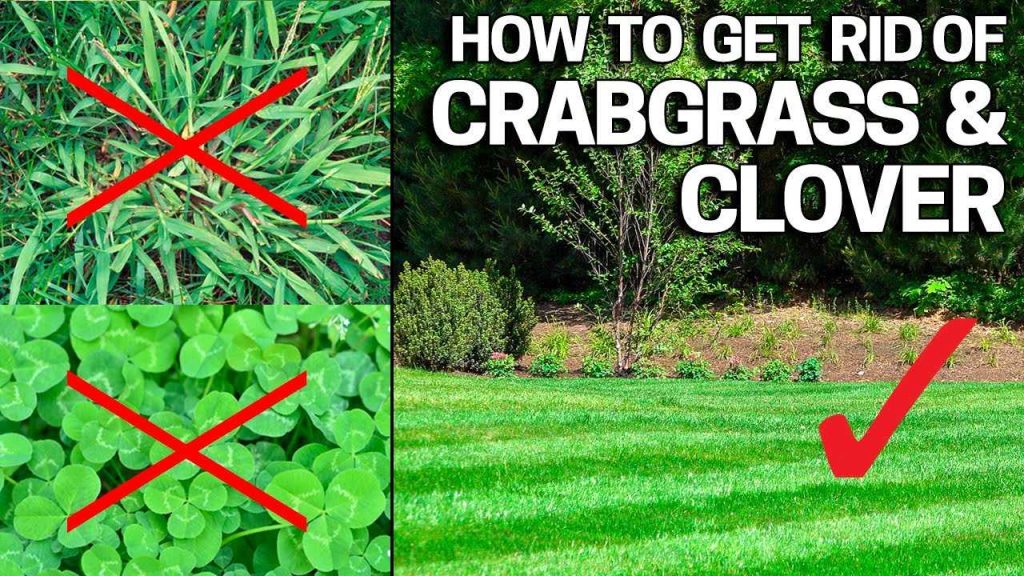
If you’re tired of clover taking over your lawn, you’re not alone. Many homeowners struggle with this pesky weed, but there are effective ways to reclaim your grass. One quick solution is to apply a selective herbicide specifically designed to target clover without harming your grass. However, if you prefer a more natural approach, regular mowing, proper lawn maintenance, and overseeding with grass can help outcompete clover over time. It’s all about understanding how to encourage healthy grass growth while keeping those invasive weeds at bay. In this article, we’ll explore various methods to get rid of clover in your grass and help you achieve that lush, green lawn you desire.

How to Get Rid of Clover in Grass
Clover is often seen as a nuisance in gardens and lawns. While some might appreciate its lush green appearance and benefits, many homeowners desire a uniform grass surface. This article will guide you through various methods for removing clover from your lawn effectively.
Understanding Clover
Before diving into removal methods, it’s essential to understand what clover is. Clover is a type of legume that thrives in sunny and moist environments. It can easily spread through seeds and runners.
Clover has a few characteristics that make it appealing yet frustrating:
- Attracts beneficial pollinators.
- Can fix nitrogen in the soil, benefiting nearby plants.
- Grows quickly and can spread rapidly.
Recognizing these traits will help you determine your approach to getting rid of clover without harming your grass.
Preventing Clover Growth
The best way to deal with clover is to prevent it from sprouting in the first place. Here are some prevention tips to keep your lawn clover-free:
1. Maintain Healthy Grass
One of the most effective strategies is to have a healthy lawn. When your grass is thick and healthy, it crowds out clover. Focus on:
- Regular watering.
- Fertilizing appropriately.
- Mowing at the right height.
2. Soil Testing
Conduct a soil test to determine the pH level and nutrient content. Clover prefers acidic soils, so adjusting the soil pH to a more neutral level can discourage clover growth.
3. Choose the Right Grass Seed
When planting or overseeding your lawn, select grass varieties that are suited for your region. Certain grasses can outcompete clover and thrive better in your specific climate.
Manual Removal Techniques
If clover has already invaded your lawn, manual removal might be your first line of defense. Here are some effective methods:
1. Hand Pulling
Hand pulling can be effective for small patches of clover. Ensure you pull the entire root system to prevent regrowth. Here’s how to do it:
- Water the area to soften the soil.
- Grab the base of the clover plant.
- Pull slowly to remove the entire root.
2. Corn Gluten Meal
Corn gluten meal is a natural herbicide that can prevent clover seeds from sprouting. Spread it on your lawn in early spring. Be sure to follow the recommended application rates to maximize effectiveness.
Chemical Removal Options
For more extensive clover infestations, chemical solutions may be necessary. Here are a few options to consider:
1. Selective Herbicides
Selective herbicides target clover while leaving grass unharmed. Look for products containing ingredients such as:
- 2,4-D
- Mecoprop
- Dicamba
Apply these herbicides according to the instructions provided, as improper use can harm your lawn.
2. Non-Selective Herbicides
If clover has taken over a significant area, a non-selective herbicide may be needed. Glyphosate is a common choice, but be cautious, as it can kill any plant it touches. Apply it on a calm day to prevent wind drift to other plants.
Natural Remedies
If you prefer to avoid chemicals, various natural remedies can help tackle clover:
1. Boiling Water
Pouring boiling water on clover patches can effectively kill the plants. This method is best for small areas or isolated clumps. Be careful not to splash nearby grass.
2. Vinegar
Household vinegar can be an effective natural herbicide. Spray it directly on the clover, preferably on a sunny day, for best results. The acetic acid in vinegar will kill the leaves, but it may take multiple applications.
Care Tips After Clover Removal
After you’ve worked hard to remove clover from your lawn, it’s essential to care for the grass to help it recover. Follow these steps for optimal lawn health:
1. Watering
Ensure your grass receives adequate water after removal. Water deeply but less frequently to encourage strong root growth.
2. Fertilizing
Fertilization can help your grass recover and fill in any bare spots left after clover removal. Use a balanced fertilizer to promote healthy growth.
Regular Maintenance Practices
To keep clover at bay in the future, implement regular maintenance practices:
1. Mowing
Mow your lawn regularly. Keeping the grass tall can shade out clover and other weeds, preventing their growth.
2. Aerating the Soil
Aerate your lawn to improve air circulation and nutrient absorption. Healthy, well-aerated soil promotes robust grass growth that can outcompete clover.
3. Overseeding
Consider overseeding with high-quality grass seed. This will thicken your lawn and help suppress weed growth, including clover.
Common Mistakes to Avoid
When dealing with clover, there are some common mistakes that homeowners should avoid:
1. Overwatering
Too much water can create an environment where clover thrives. Aim for a balanced watering routine.
2. Ignoring Clover Early
Addressing clover early prevents it from spreading. Regularly check your lawn for clover and take action as soon as you see it.
3. Using Too Many Chemicals
Using excessive herbicides can damage your grass. Always follow manufacturer instructions and choose the most targeted products.
When it comes to maintaining a beautiful lawn, understanding how to manage unwanted plants like clover is crucial. By following the tips and techniques discussed in this article, you can effectively remove clover and promote a lush, green lawn that everyone will admire. Remember, prevention is just as important as removal. By taking proactive steps, you’ll enjoy a healthier lawn for years to come.
How to KILL CLOVER in your LAWN
Frequently Asked Questions
“`html
What are the best natural methods to eliminate clover from my lawn?
To remove clover naturally, consider using vinegar or a solution of salt and water. Spray the affected areas with these solutions on a sunny day. Additionally, maintaining a healthy lawn by promoting dense grass growth can help choke out clover. Regular mowing at the right height also prevents clover from getting enough sunlight.
How can I prevent clover from returning after removal?
To prevent clover from coming back, focus on lawn health. Aerate your soil to improve drainage and reduce compaction. Fertilize your grass to promote thick growth, and ensure you maintain a balanced pH level in the soil. Regularly overseed with grass that suits your climate can also help crowd out clover.
Is there a specific time of year that is best for clover removal?
The best time to remove clover is during its active growing season, typically in the spring or early summer. This is when clover is most vulnerable to treatment methods. Look for a warm, dry day for optimal results when applying herbicides or natural solutions.
Can using herbicides harm my grass?
Using herbicides can potentially harm your grass if not applied correctly. Select a selective herbicide designed to target clover while being safe for your specific type of grass. Always follow the application instructions carefully to minimize damage.
What role does lawn care play in controlling clover growth?
Lawn care plays a vital role in controlling clover growth. Regular practices such as proper mowing, watering, and fertilizing strengthen grass, making it more competitive against clover. Healthy grass can effectively crowd out clover, reducing its chances of taking over your lawn.
“`
Final Thoughts
To effectively get rid of clover in grass, start by maintaining a healthy lawn through regular mowing and proper fertilization. Ensuring that the grass is thick and vigorous prevents clover from taking hold.
Consider using selective herbicides specifically designed for clover control. Apply these products carefully to minimize impact on your grass.
Lastly, promote a well-draining soil environment, as clover thrives in compact, moist conditions. By following these methods, you can successfully manage and eliminate clover in your lawn. Remember, knowing how to get rid of clover in grass is key to achieving a lush, green yard.