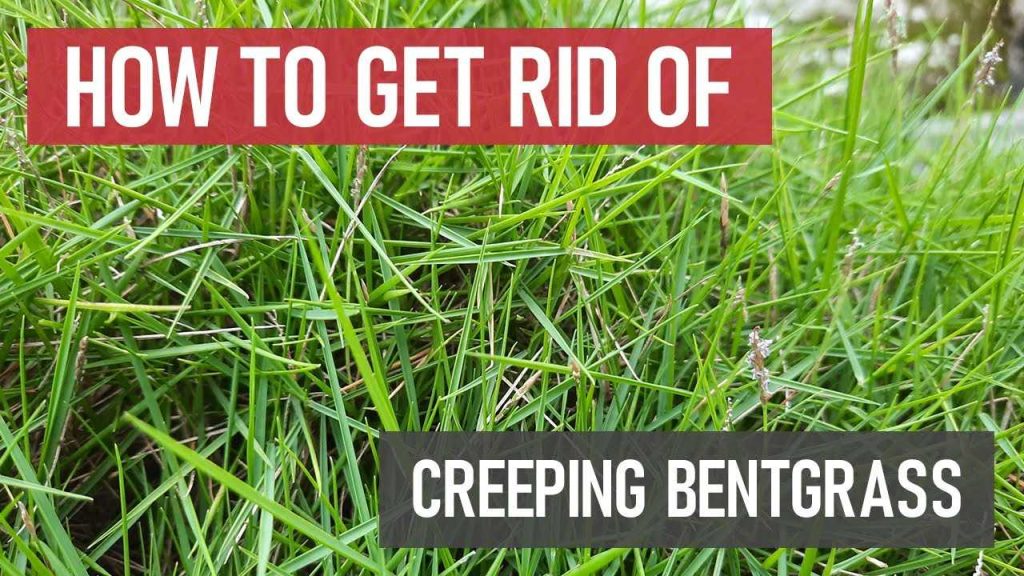
Creeping bentgrass can be a real challenge for anyone trying to maintain a healthy lawn or garden. To effectively control this invasive grass, it’s crucial to adopt a multi-faceted approach. Start by regularly mowing your lawn at the appropriate height to reduce its spread. Applying pre-emergent herbicides can help prevent new growth from taking root. Additionally, consider using targeted post-emergent herbicides to tackle existing patches. Another effective strategy is hand-pulling smaller infestations, ensuring you get the entire root system. Combining these methods can significantly reduce the presence of creeping bentgrass and promote a more desirable lawn. Now, let’s delve deeper into the strategies and tips to manage this stubborn grass.

How to Control Creeping Bentgrass
Creeping bentgrass (Agrostis stolonifera) is a popular turfgrass choice for golf courses and lawns due to its lush appearance. However, this grass can become invasive and difficult to manage, especially when it spreads into unwanted areas like flower beds or other turf types. In this article, we will explore effective methods to control creeping bentgrass without harming your landscape.
Understanding Creeping Bentgrass
Creeping bentgrass is well-known for its fine texture and vibrant green color. Yet, it can rapidly spread through stolons, which are horizontal above-ground stems. This grass thrives in warm, moist environments, making it a popular choice in many regions.
– It can grow in various soil types.
– It often establishes deep root systems.
– Its growth habit can lead to dense patches if left uncontrolled.
Recognizing how this grass spreads is the first step to effectively managing it.
Identifying Creeping Bentgrass Invasion
Before you can control creeping bentgrass, it’s crucial to identify it in your lawn. The following characteristics can help you determine if it has taken over your desired landscape:
– **Appearance**: Look for fine, densely packed blades that create a lush, green carpet.
– **Growth Patterns**: Notice if it is spreading into areas where you prefer other plants or grass types, like fescue or ryegrass.
– **Stolon Formation**: Check for horizontal stems that root at the nodes; this indicates reproduction.
By assessing your lawn, you can make informed decisions on control strategies.
Manual Removal Techniques
One of the most straightforward ways to control creeping bentgrass is through manual removal. This method is labor-intensive but can be effective, especially in smaller areas.
- Hand Pulling: Gently pull the grass by the roots to avoid leaving behind any stolons.
- Digging: Use a shovel or spade to remove the grass, making sure to dig deep enough to remove the entire root system.
- Regular Maintenance: Regular mowing at the correct height can prevent bentgrass from spreading further.
Manual techniques work best when you spot the grass early.
Cultural Control Methods
Cultural control methods can prevent creeping bentgrass from taking over your landscape while promoting the health of desired plants. These methods are typically low-cost and environmentally friendly.
Soil Health
Maintaining soil health is vital. Healthy soil promotes strong root systems in your desired plants, which can outcompete creeping bentgrass.
- Test Soil: Regular soil testing can help determine pH and nutrient levels.
- Amendments: Use compost or other organic materials to improve soil quality.
- Aeration: Aerate the soil to allow water and nutrients to reach plant roots more effectively.
Mowing Practices
Adopting proper mowing techniques can also help control creeping bentgrass.
- Right Height: Mow at the appropriate height for your desired grass type to encourage its growth over bentgrass.
- Frequent Mowing: More frequent mowing can prevent bentgrass from going to seed.
- Sharp Blades: Keep mower blades sharp to make clean cuts, reducing stress on your desired grass.
These cultural practices can make your lawn less hospitable for creeping bentgrass.
Chemical Control Options
When manual and cultural methods are insufficient, chemical control options may be necessary. Herbicides can effectively target creeping bentgrass without harming other plants.
Selective Herbicides
Selective herbicides are designed to target specific grasses.
- Glyphosate: A non-selective herbicide that will kill most vegetation. Use carefully in controlled areas.
- Fenoxaprop-P-ethyl: This selective herbicide targets bentgrass while sparing other species.
- Quinclorac: Effective for controlling bentgrass but requires careful application to avoid collateral damage.
Always follow the manufacturer’s instructions for application rates and safety measures.
Timing of Application
The timing of applying herbicides is crucial for effectiveness.
- Early Spring: Apply herbicides when temperatures start to rise, and bentgrass is actively growing.
- Late Fall: A second treatment in late fall can help prevent regrowth.
- Weather Conditions: Choose dry days for application to avoid runoff and improve absorption.
Proper timing can enhance the effectiveness of your chemical control strategy.
Suppressing Creeping Bentgrass with Competing Vegetation
Another approach is to encourage the growth of competitive vegetation that can shade and outcompete creeping bentgrass.
By Selecting Native Plants
Using native plants can help restore balance to your landscape, making it harder for bentgrass to thrive.
- Diversity: Incorporate a variety of plant species to create a dense cover.
- Deep-Rooted Plants: Choose deep-rooted species to help improve soil structure as well.
- Bulky Ground Covers: Ground covers can suppress bentgrass by outcompeting it for sunlight and nutrients.
Competing vegetation not only controls creeping bentgrass but also adds beauty to your landscape.
Preventing New Invasions
After you have taken measures to control creeping bentgrass, it’s essential to prevent new invasions.
- Regular Monitoring: Check your lawn frequently for new patches of bentgrass.
- Clean Equipment: Make sure your lawnmower and gardening tools are clean to avoid spreading seeds or roots.
- Mulching: Use mulch in garden beds to suppress new weed growth and prevent bentgrass from establishing.
Taking proactive steps can keep your lawn thriving and under control.
Managing creeping bentgrass requires a combination of observation, manual control, cultural practices, chemical control, and preventive measures. By integrating these techniques, you can successfully reduce its spread and maintain a healthy, vibrant lawn. Remember, patience and persistence are essential—control may take time, but your efforts will pay off in a well-maintained landscape.
HOW TO GET RID OF BENTGRASS IN YOUR LAWN FOR BEGINNERS
Frequently Asked Questions
What are effective cultural practices for managing creeping bentgrass?
Implementing cultural practices such as proper mowing, irrigation, and fertilization can significantly help manage creeping bentgrass. Mow at the recommended height to prevent it from spreading aggressively. Ensure you water deeply but infrequently to encourage strong root growth. Additionally, applying fertilizers appropriately based on soil tests supports healthier grass without promoting excessive growth.
How can herbicides aid in controlling creeping bentgrass?
Herbicides serve as a valuable tool in managing creeping bentgrass. Selective herbicides target specific grass types, allowing you to control bentgrass without harming desirable species. Always read and follow the application guidelines to ensure effectiveness while minimizing harm to surrounding plants.
What is the role of overseeding in managing creeping bentgrass?
Overseeding can effectively crowd out creeping bentgrass by introducing desirable grass species. Choose a grass type that competes well with bentgrass and overseed during the appropriate season. This process enhances turf density and reduces bentgrass’s ability to spread.
How does soil preparation influence creeping bentgrass control?
Soil preparation plays a crucial role in controlling creeping bentgrass. Start by testing your soil to determine pH and nutrient levels. Amend the soil as needed to create conditions favorable for your desired grass species while discouraging bentgrass. Good drainage and proper aeration also contribute to a healthier turf that can outcompete unwanted grasses.
Can turf management practices help prevent the spread of creeping bentgrass?
Implementing good turf management practices can help prevent the spread of creeping bentgrass. Regularly monitor your lawn for signs of bentgrass invasion and act quickly. Maintain appropriate mowing heights, monitor water levels, and control foot traffic to minimize stress on desirable grass types, which can help suppress bentgrass growth.
Final Thoughts
To control creeping bentgrass effectively, start by regularly mowing your lawn at the recommended height. This practice helps prevent bentgrass from spreading too aggressively.
Incorporate a suitable herbicide to target creeping bentgrass specifically, applying it in early spring or fall when the grass is actively growing.
Lastly, consider improving your lawn’s overall grass health by introducing competitive species that can outcompete bentgrass. By following these strategies, you can control creeping bentgrass and maintain a healthy lawn.