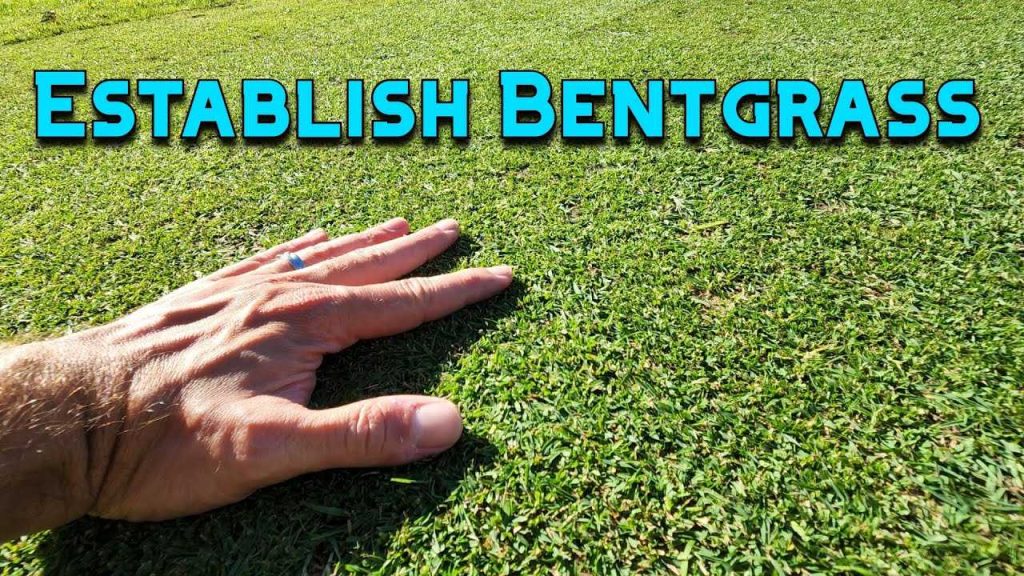
If you’re looking to create a professional-quality putting green at home, building a bentgrass putting green is a fantastic choice. With its fine texture and ability to withstand close mowing, bentgrass offers an excellent surface for practice. To start, you’ll need to select a suitable location with good sunlight and proper drainage. Then, you can prepare the soil, install a drainage system if necessary, and choose high-quality bentgrass seeds or sod. Remember to maintain regular watering, fertilization, and mowing to achieve that perfect golf course finish. With a little dedication and effort, you can enjoy your personal putting green and improve your game right in your backyard!

How to Build a Bentgrass Putting Green
Creating a bentgrass putting green can be an exciting project for golf enthusiasts and homeowners who crave a touch of the golf course right in their backyard. Bentgrass is a popular choice because it offers a smooth, consistent putting surface that many golfers appreciate. In this guide, we will thoroughly explore the essential steps and tips for building a successful bentgrass putting green.
Understanding Bentgrass
Before we dive into the construction process, it’s vital to understand what bentgrass is. This type of grass is fine-textured and grows well in cooler climates.
- Bentgrass thrives best in full sun and well-drained soil.
- It requires regular maintenance to keep it healthy and vibrant.
Bentgrass can also withstand low mowing heights, making it ideal for putting greens. Knowing these characteristics will help you create a suitable environment for your green.
Choosing the Right Location
The placement of your putting green is crucial. You want to pick an area that receives ample sunlight and is free from heavy foot traffic.
- Avoid shaded spots from trees or buildings.
- Ensure the ground is level or can be easily graded.
Having an open space will help prevent any hindrances in the future, promoting a healthy growth environment.
Planning the Size and Shape
Next, determine how large and what shape your putting green will take. Typical putting greens range from about 500 to 1000 square feet in size.
- Common shapes include circular, oval, or kidney-shaped designs.
- Consider incorporating undulations or contours for added challenge.
Mapping out your design on paper can make the process smoother.
Preparing the Site
Preparation is key when building your putting green. Start by removing any existing grass, weeds, or debris from the area.
Clearing the Area
Use a sod cutter or shovel to remove the top layer of grass. This will give you a clean slate to work on.
Soil Testing
Next, testing your soil can provide valuable insights.
- Check the pH level; bentgrass prefers a pH between 6.0 and 7.0.
- Add lime or sulfur to adjust the pH if necessary.
A suitable soil texture is also crucial. Bentgrass flourishes in sandy loam to loamy soil.
Installing Drainage
Proper drainage is essential for a functional putting green. Standing water can damage your grass and lead to disease.
Creating Drainage Channels
You can dig shallow trenches around the perimeter of the green.
- Install perforated drain tile to help with water management.
- Ensure the channels slope away from the green.
Good drainage will keep your green healthy and playable.
Choosing Your Base Material
The base material is important for a solid foundation.
- Use a mix of sand and topsoil for the best results.
- A depth of 4 to 6 inches is typically recommended.
This mix ensures good drainage while also providing the nutrients bentgrass needs to flourish.
Leveling the Surface
After laying down your base material, you need to level it.
Leveling Techniques
Use a rake to spread the mixture evenly.
- Check for high or low spots by using a straight board.
- Fill any low areas and rake until smooth.
A smooth surface is essential for a consistent putting experience.
Seeding the Bentgrass
Now comes the fun part: seeding your green.
- Choose high-quality bentgrass seed for optimal growth.
- Spread the seed evenly across the surface at a rate of 1 to 2 pounds per 1000 square feet.
You can use a seed spreader for an even application.
Covering the Seed
After seeding, lightly rake the surface to cover the seeds with a thin layer of soil.
- This helps protect the seeds from birds and ensures good soil contact.
- A light rolling may help to firm the soil without compacting it.
Watering and Germination
Watering is essential for seed germination.
- Keep the soil evenly moist, but avoid waterlogging.
- It may take 7 to 14 days for the seeds to germinate.
During this time, it’s crucial to remain patient and maintain consistent watering.
Initial Care and Maintenance
Once your grass starts to grow, proper care is vital.
- Mow the grass when it reaches about 3 inches in height.
- Set the mower to a height of 1 to 1.5 inches for the best putting surface.
Monitoring the moisture level will keep your bentgrass healthy.
Fertilizing
Apply a balanced fertilizer after the grass reaches a height of 2 inches.
- Use a slow-release fertilizer for sustained growth.
- Fertilize every 4 to 6 weeks during the growing season.
Proper nutrition will aid in developing a lush green surface.
Weed Management
Weed control is vital for maintaining a healthy putting green.
- Regularly monitor for weeds and remove them manually.
- Use pre-emergent herbicides in early spring to prevent weed growth.
Healthy grass can also out-compete many weeds, so maintaining thickness is crucial.
Pest and Disease Control
Bentgrass can face challenges from pests and diseases.
- Look for signs of pests, such as discolored grass or patches.
- Using organic pesticides can help control these issues.
Regular inspections can help catch problems early.
Final Touches and Enjoying Your Green
Once your bentgrass putting green is fully established, you can enjoy practicing your putting.
- Regular maintenance will keep your green in top shape.
- Consider using a practice hole or flags to enhance the experience.
Having your own putting green can provide endless hours of enjoyment and practice.
Building a bentgrass putting green can require effort, but the rewards are well worth it. Enjoy the process, and soon you’ll have a stunning green to practice on, right in the comfort of your backyard. Happy putting!
Backyard putting green build (start to finish)!
Frequently Asked Questions
“`html
What materials do I need for building a bentgrass putting green?
To build a bentgrass putting green, gather the following materials: high-quality bentgrass seed, sand, topsoil, a roller, landscape fabric, drainage pipes, and edging materials. You may also need tools such as shovels, rakes, and a hose for watering.
How long does it take for bentgrass to establish after seeding?
Bentgrass typically takes about 14 to 28 days to germinate, depending on environmental conditions such as temperature and moisture. After germination, it may take several weeks to a few months for the grass to fully establish, allowing for regular maintenance and use.
What maintenance practices are essential for a bentgrass putting green?
Essential maintenance practices include regular mowing at a height of about 1/8 to 1/4 inch, consistent watering to keep the soil moist, and applying fertilizers according to soil testing results. Additionally, aerating the soil and managing pests and diseases are crucial for maintaining a healthy putting green.
How can I ensure proper drainage for my putting green?
To ensure proper drainage, install drainage pipes beneath the green to redirect excess water away from the area. Create a slight slope in the design of your green, allowing water to flow off the surface. Choosing a sandy soil mix for the growing medium can also improve drainage and aeration.
What is the ideal climate for growing bentgrass?
Bentgrass thrives in cool-season areas, making it best suited for regions with cooler temperatures. It prefers temperatures between 60°F and 75°F (15°C to 24°C) during the day and can tolerate colder winter conditions. However, it struggles in extreme heat, so some shade may be beneficial in warmer climates.
“`
Final Thoughts
Building a bentgrass putting green requires careful planning and execution. Start by selecting a suitable location that offers proper sunlight and drainage. Prepare the soil by removing debris and testing its pH level to ensure optimal growth.
Next, install a drainage system to prevent water accumulation and ensure healthy grass. After that, lay down quality bentgrass seed, and maintain consistent watering and maintenance routines to encourage strong growth.
In summary, understanding how to build a bentgrass putting green involves selecting the right site, preparing the soil, and ensuring proper maintenance for a successful result.