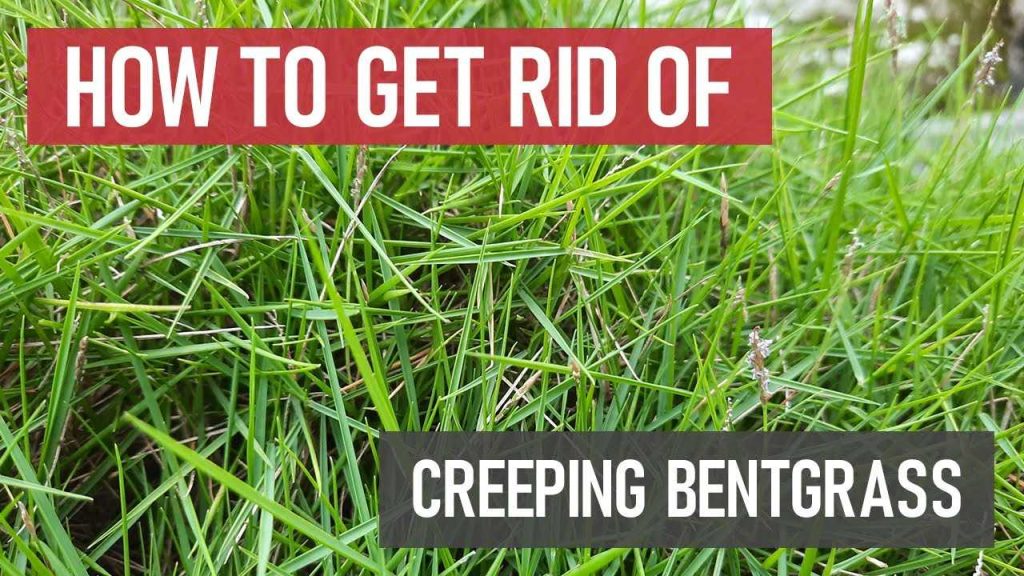
If you’re struggling with creeping bentgrass taking over your lawn or garden, you’re not alone. This resilient grass can be quite invasive, making it a challenge to maintain your desired landscape. The good news is that there are effective ways to get rid of it. You can manage creeping bentgrass by using a combination of manual removal, targeted herbicides, and proper lawn care practices to encourage the growth of your desired grass type. The key is to be persistent and consistent in your approach. In this article, we’ll explore various methods to help you reclaim your outdoor space and ensure that your lawn thrives without the unwanted presence of creeping bentgrass.

“`html
How to Remove Creeping Bentgrass
Creeping bentgrass can be a lovely addition to lawns, but when it begins to invade other areas, it can become a real headache. **Removing creeping bentgrass** is essential for maintaining the health and aesthetics of your garden. In this article, we will take a thorough look at some methods and strategies that can help you remove this invasive grass effectively.
Understanding Creeping Bentgrass
Creeping bentgrass (Agrostis stolonifera) is a perennial grass that spreads quickly, making it a popular choice for golf courses and well-manicured lawns. However, its aggressive growth habit means that it can easily take over flower beds and other desirable turf.
**Characteristics of Creeping Bentgrass:**
– **Growth Pattern**: It spreads through underground rhizomes and above-ground stolons.
– **Root System**: It has shallow roots, which can lead to poor drought resistance.
– **Seasonal Growth**: This grass thrives in cooler temperatures but can become problematic in warmer climates.
Understanding how creeping bentgrass grows is crucial for effective removal.
Identifying the Problem Areas
Before you start removing creeping bentgrass, identify where it is invading other areas. Look for patches that are dense and lush, often differing in texture and color from your desired grass.
**Steps for Identification:**
– Examine your lawn thoroughly.
– Check flower beds and garden edges.
– Look for signs of spreading, such as stolons.
These observations will help you target your removal efforts.
Manual Removal Techniques
One of the most straightforward methods to remove creeping bentgrass is through **manual removal**. This method is labor-intensive but can be effective if the area is small.
**Steps for Manual Removal:**
1. **Gather Tools**: You’ll need a shovel, hoe, or spade.
2. **Loosen the Soil**: Use your tool to loosen the soil around the grass.
3. **Pull it Out**: Grasp the base of the grass and pull it out. Make sure to remove all roots and rhizomes.
This method can be effective but requires persistence.
Using Herbicides for Control
When manual removal seems daunting, herbicides can be a useful option. It’s crucial to choose the right product that specifically targets creeping bentgrass to avoid harming desirable plants.
**Types of Herbicides:**
– **Selective Herbicides**: These target bentgrass without damaging other grass types.
– **Non-Selective Herbicides**: These kill all plants and should be used carefully.
**Application Tips:**
– Follow the manufacturer’s instructions carefully.
– Apply on a day with no wind to prevent drift.
– Be mindful of nearby plants that may be affected.
Using herbicides can be an effective way to manage widespread infestations.
Preventing Creeping Bentgrass from Spreading
To prevent further invasion of creeping bentgrass, it’s essential to adopt preventative measures in your garden.
**Helpful Strategies:**
– **Regular Mowing**: Keep your lawn mowed to a height suitable for your grass type.
– **Soil Health**: Ensure your soil is healthy to promote the growth of desired grasses.
– **Mulching**: Apply mulch in garden beds to suppress bentgrass.
These strategies can help keep creeping bentgrass at bay.
Consideration of Cultural Practices
Cultural practices can play a significant role in controlling creeping bentgrass. Improving your lawn care routine can hinder bentgrass growth.
**Effective Practices to Enhance Growth:**
– **Proper Watering**: Ensure that your lawn is properly watered. Over-watering can encourage bentgrass.
– **Fertilization**: Use fertilizers in moderation. Too much nitrogen can enhance the growth of bentgrass.
– **Aeration**: Aerate your lawn to improve soil health and drainage.
Adopting these cultural practices can support a healthier lawn.
Reseeding and Replanting
Once you’ve dealt with creeping bentgrass, consider reseeding or replanting your lawn with preferred grass types. This step is crucial for restoring your lawn’s aesthetics.
**Steps to Reseed:**
1. **Choose Suitable Grass**: Select a grass type that thrives in your climate zone.
2. **Prepare the Soil**: Till the soil and mix in compost.
3. **Seed Evenly**: Spread the seeds evenly across the prepared area.
This will encourage the growth of your desired lawn while minimizing the chances of bentgrass returning.
Monitoring Progress
After removing creeping bentgrass, regular monitoring of the area is vital. It ensures early detection of any regrowth.
**What to Look For:**
– Check for green patches that appear different from your desired grass.
– Observe the overall health of your lawn.
If you spot new growth, take immediate action to prevent it from spreading again.
Alternative Removal Methods
If conventional methods are not working, consider alternative removal techniques. Some gardeners find success with more innovative approaches.
**Alternative Methods Include:**
– **Solarization**: Cover the area with clear plastic to trap heat and kill the grass beneath.
– **Flame Weeding**: Use a flame weeder to scorch the bentgrass. This method requires caution to prevent wildfires.
Experimenting with these methods can bring success in tough situations.
Environmental Considerations
When removing creeping bentgrass, consider environmental impacts. Using less harmful methods is better for the ecosystem.
**Environmentally-Friendly Practices:**
– Opt for organic herbicides when possible.
– Use manual methods to avoid chemical runoff.
Being mindful of the environment can lead to a healthier garden overall.
Removing creeping bentgrass takes patience and determination. By using a combination of methods and being proactive in lawn care, you can regain control over your garden. With the right approach, you can enjoy a lush and beautiful lawn without the encroachment of this invasive grass.
“`
HOW TO GET RID OF BENTGRASS IN YOUR LAWN FOR BEGINNERS
Frequently Asked Questions
“`html
What are effective methods to control creeping bentgrass in lawns?
To control creeping bentgrass, you can use a combination of manual removal and herbicides. Hand-pulling works well for small areas. For larger infestations, apply a selective herbicide specifically designed to target creeping bentgrass without harming desirable grasses. Always follow the manufacturer’s instructions and consider timing your application for optimal results.
How can I prevent creeping bentgrass from invading my garden?
Preventing creeping bentgrass requires maintaining a healthy lawn and garden. Regularly aerate your soil, keep grass at an appropriate height, and ensure good drainage to promote healthy growth of desirable plants. Additionally, monitor for invasive species and address any signs of creeping bentgrass early to prevent its spread.
What is the best time of year to remove creeping bentgrass?
The best time to remove creeping bentgrass is during its active growth period, typically in the late spring or early fall. At this time, the grass is more susceptible to herbicides, and manual removal is easier. Aim to treat when temperatures are mild to minimize stress on your desirable plants.
Can I use natural methods to eliminate creeping bentgrass?
Yes, natural methods can help eliminate creeping bentgrass, though they may require persistence. Organic solutions like vinegar or boiling water can damage the grass when applied directly. Additionally, smothering the grass with cardboard or mulch can restrict sunlight and hinder its growth. However, be cautious, as these methods might also affect surrounding plants.
Are there any long-term solutions for managing creeping bentgrass?
Long-term management of creeping bentgrass involves a combination of cultural practices and regular monitoring. Establish a dense, healthy lawn with competitive grasses that can outgrow bentgrass. Regularly check for new growth and take action promptly if you notice any signs of resurgence. Consistent maintenance and oversight will help you keep creeping bentgrass at bay.
“`
Final Thoughts
Removing creeping bentgrass requires a strategic approach. Start by identifying affected areas and using selective herbicides specifically designed for bentgrass control.
Regular mowing can help manage its spread, but it’s essential to maintain a low cutting height for effectiveness. Additionally, consider reseeding with desirable grass species to discourage bentgrass growth in the future.
By following these steps, you can effectively tackle how to remove creeping bentgrass and restore the health of your lawn. Consistency and vigilance will lead to a thriving outdoor space.