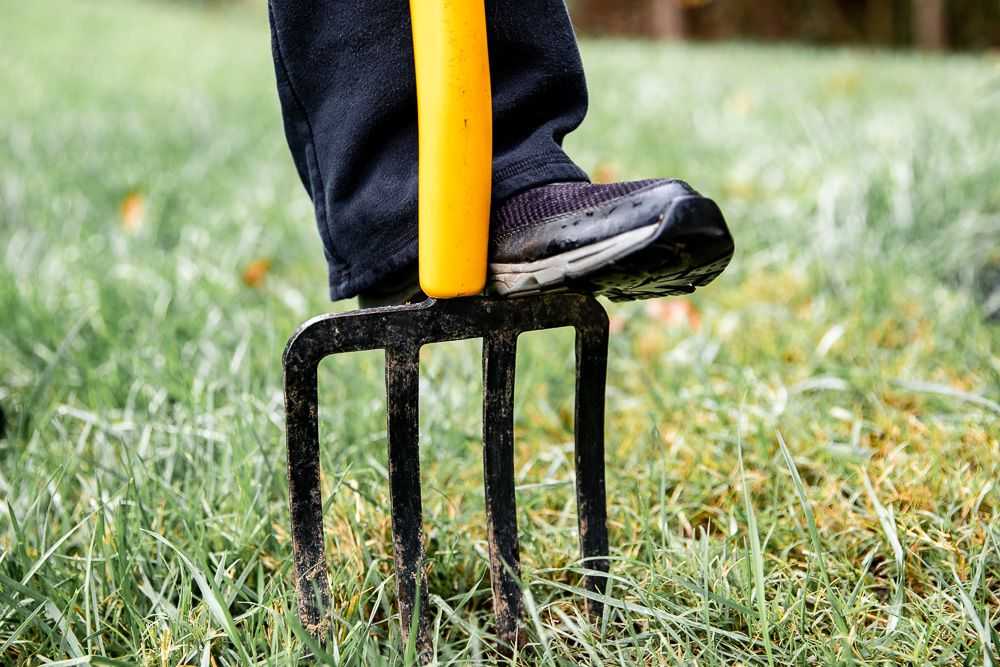
Aerating your lawn by hand is a simple yet effective way to improve its health and appearance. To do this, all you need is a basic garden fork or a specialized hand aerator. Start by moistening the soil slightly to make the process easier, then use the fork or aerator to poke holes in the ground, creating openings about 3-4 inches apart. This will allow air, water, and nutrients to reach the roots more effectively. Aerating your lawn in the spring or early fall is ideal, as it helps alleviate soil compaction and promotes robust growth. With just a bit of effort, you can give your lawn the breathing room it needs to thrive!
Aerating your lawn by hand is a simple yet effective way to improve its health and appearance. To do this, all you need is a basic garden fork or a specialized hand aerator. Start by moistening the soil slightly to make the process easier, then use the fork or aerator to poke holes in the ground, creating openings about 3-4 inches apart. This will allow air, water, and nutrients to reach the roots more effectively. Aerating your lawn in the spring or early fall is ideal, as it helps alleviate soil compaction and promotes robust growth. With just a bit of effort, you can give your lawn the breathing room it needs to thrive!

How To Aerate A Lawn By Hand
Aerating your lawn is an essential step to ensure a lush, green yard. It helps your grass breathe by allowing air, water, and nutrients to penetrate deep into the soil. If you’re looking to aerate your lawn without heavy machinery, hand aeration is a simple and effective method.
What Is Lawn Aeration?
Lawn aeration involves perforating the soil with holes to improve air exchange and soil drainage. This process alleviates soil compaction and encourages root development. Aerating can lead to healthier grass that is more resilient to drought and disease.
Why Aerate Your Lawn?
There are several compelling reasons to aerate your lawn:
- Improved Nutrient Absorption: Aeration allows fertilizers and organic matter to reach the roots more effectively.
- Enhanced Water Retention: Aerated soil retains moisture better, supporting grass health.
- Reduction of Soil Compaction: Aeration breaks up compacted soil, promoting healthier root growth.
- Better Soil Structure: Creating holes improves soil structure and supports microbial activity.
Each of these benefits contributes to a greener and healthier lawn.
When Is the Best Time to Aerate?
Timing is significant when it comes to lawn aeration. The best periods generally depend on the type of grass you have.
- Cool-Season Grasses: Early spring or early fall is ideal.
- Warm-Season Grasses: Late spring to early summer is recommended.
Aerating at the right time helps the grass recover quickly.
Tools You Will Need
Aerating by hand requires a few essential tools. Here’s a list of what you will need:
- Aerator Tool: You can buy a hand-held aerator or make your own using a garden fork.
- Garden Gloves: Protects your hands while working.
- Rake: For smoothing the soil afterward.
- Watering Can or Hose: Useful for watering post-aeration.
Having these tools ready will streamline your aeration process.
Preparing Your Lawn for Aeration
Before you start aerating, proper preparation is key:
1. **Mow the Lawn:** Trim your grass to about 2-3 inches high. This makes it easier to access the soil.
2. **Water Your Lawn:** Water the area thoroughly one or two days before aeration. Moist soil is easier to penetrate.
3. **Clear Debris:** Remove any leaves, sticks, or stones from the lawn to avoid obstruction during aeration.
Preparing your lawn will facilitate effective aeration.
How to Aerate Your Lawn by Hand
Aerating by hand is straightforward. Follow these steps for best results:
1. **Use the Aerator Tool:**
– Start by pressing the aerator into the soil, aiming for a depth of about 2-4 inches.
– Pull the aerator out to create a hole and move it over a few inches.
2. **Create a Pattern:**
– Work in a systematic manner—such as rows or a checkerboard pattern—across your lawn.
– Ensure there are holes about 2-4 inches apart for even coverage.
3. **Focus on Compacted Areas:**
– Pay special attention to areas with heavy foot traffic. These spots often need extra holes due to compaction.
4. **Aerate Twice in Different Directions:**
– Consider aerating your lawn twice, once in a north-south direction and then in an east-west direction for maximum effectiveness.
5. **Finish Up:**
– Once done, use a rake to spread any soil plugs or clumps evenly across the lawn.
By following these steps, you’ll ensure a thorough aeration process.
Post-Aeration Care
Taking care of your lawn after aeration is just as important. Here’s what to do:
- Water Immediately: Give your lawn a deep watering right after aeration to help the grass recover.
- Apply Fertilizer: Now is the perfect time to add fertilizer, as it will penetrate the soil more effectively.
- Overseed if Necessary: If your lawn has bare spots, consider overseeding to promote thick grass growth.
Post-aeration care will help your lawn bounce back quickly.
How Often Should You Aerate?
The frequency of aeration depends on your lawn’s condition:
- Highly Compacted Lawns: Aerate once a year.
- Moderate Use Lawns: Aerate every 1-2 years.
- Well-Maintained Lawns: You can aerate every 2-3 years.
Assess your lawn regularly to determine the best aeration schedule.
Common Mistakes to Avoid
When aerating, be mindful of common mistakes that can hinder your results:
- Not Watering Beforehand: Dry soil is harder to aerate.
- Aerating in Poor Weather: Avoid aerating during extreme heat or wet conditions.
- Ignoring Lawn Health: Aerate only if your lawn is healthy enough to recover.
Avoiding these mistakes will lead to more effective aeration.
Signs Your Lawn Needs Aeration
Knowing the signs that your lawn needs aeration can help maintain its health:
- Thinning Grass: If your grass appears sparse, it may need aeration.
- Pooling Water: If you notice puddles, your soil might be compacted.
- Difficulty Growing New Grass: New seeds not germinating can be a sign of soil issues.
Identifying these signs can guide your lawn care routine.
Aerating your lawn by hand is a manageable task that yields significant benefits. By following the steps outlined above, you can help your grass thrive. Regular aeration leads to a healthier lawn, promoting growth and resilience. If you’re diligent about aeration, your lawn will not only look great, but it will also be more robust against environmental stresses. Your efforts will pay off with a vibrant, green yard that you’ll proudly showcase.
Core Aerating Your Lawn | Manual Core Aerator
Frequently Asked Questions
What tools do I need to aerate my lawn by hand?
To aerate your lawn by hand, you will need a manual aerator, which comes in two main types: spike or plug aerators. Spike aerators create holes in the soil by pushing spikes into the ground, while plug aerators remove small plugs of soil. Additionally, a garden fork can also serve as a basic tool for aerating if you don’t have a specific aerator. Make sure you have a pair of gloves for protection and wear sturdy shoes, as you will be walking on soft ground.
When is the best time to aerate my lawn?
The ideal time to aerate your lawn depends on the type of grass you have. For cool-season grasses, early spring or early fall is the best time. For warm-season grasses, late spring through early summer is preferred. Aerating during these times allows the grass to recover quickly and promotes healthy growth.
How often should I aerate my lawn by hand?
The frequency of aeration depends on your lawn’s condition and usage. Generally, aerating once a year suffices for lawns that experience light foot traffic. However, if your lawn endures heavy traffic or has compacted soil, consider aerating twice a year. Monitor your lawn’s health and adjust the frequency as needed.
How do I prepare my lawn for aeration?
To prepare your lawn for aeration, first mow the grass to a shorter height, ensuring you clear any debris such as leaves or sticks. Watering your lawn one to two days before aeration helps soften the soil, making it easier to aerate. Avoid aerating during dry conditions, as hard soil can make the process more challenging.
What should I do after aerating my lawn?
After aerating your lawn, it’s important to care for it properly. Leave the plugs of soil on the surface, as they will break down and return nutrients to the soil. Water your lawn thoroughly to help the grass recover. You may also choose to apply fertilizer and overseed to fill in any bare spots, promoting a lusher lawn.
Final Thoughts
Aerating a lawn by hand improves soil health and boosts grass growth. It involves creating small holes in the soil to allow air, water, and nutrients to penetrate more effectively.
To aerate a lawn by hand, use a garden fork or a specialized aerator tool, ensuring you space the holes appropriately for maximum benefit. Regular aeration can prevent soil compaction and promote a lush, green lawn.
In conclusion, understanding how to aerate a lawn by hand is essential for maintaining a healthy yard. Follow these steps, and your lawn will thrive year after year.