When do you apply grub killer is the single most important question in lawn pest control, because getting the timing wrong turns a $25 bag of product into expensive confetti. Most homeowners wait until they see brown patches, or they throw down treatment in spring because the bag says "season-long control." Neither instinct lines up with how grub biology actually works.
Here's the real answer: there are two timing windows, and which one you use depends entirely on which product type you've chosen and what's happening underground right now. Get the window right and one application solves your problem for the entire season. Miss it and you've got torn-up turf, diggers in your yard, and grubs that will laugh at your attempts.
Quick Answer
When do you apply grub killer? Preventive grub killer goes down between May and peak July, right around adult beetle egg lay. The key signal is sustained soil temperatures at or above 60°F at a 2-inch depth at your local weather station. After egg hatch, you're in curative mode.
Curative products work best from hatch through October while grubs are still small and feeding aggressively near the soil surface. Dylox (trichlorfon) can knock back active grubs in 48-72 hours if you're already seeing damage signs.
Why Timing Is Everything With Grub Killer
Grubs aren't a static problem sitting in your lawn. They're in the middle of a life cycle that moves fast, and the product you buy is only effective against one specific stage of it. Understanding this changes everything about when and how you treat.
The grub life cycle in a nutshell
Adult beetles fly, mate, and lay eggs in your lawn roughly mid-June through late July (timing shifts with latitude). Those eggs hatch into tiny larvae within 2-3 weeks. The small grubs feed on grassroots from August through October, growing larger and burrowing deeper as soil cools in late fall.
They overwinter deep underground, then rise in spring to feed briefly before pupating into new adults.
Here's the critical piece: young, small grubs (first and second instar) are soft-bodied, feeding close to the surface, and vulnerable to almost any labeled insecticide. Large, mature grubs (third instar) are tougher, buried deep, and significantly harder to kill. That seasonal window from August through October is your curative sweet spot.
By the time next spring rolls around, those grubs are at maximum size and chemical control gets much harder.
Why spring treatment usually fails
Walk into any big box store in March and you'll find grub control stacked on pallets with bright tags suggesting it's the perfect time. That's mostly marketing. By spring, grubs are fully mature, often ¾ to 1 inch long, and they're preparing to pupate.
They've stopped feeding aggressively, so ingestion-based products (imidacloprid, clothianidin) have less effect. The window for effective curative treatment has largely closed.
You can still treat in spring, but you're fighting the clock. Experienced turf managers know that fall treatment of the previous year almost always outperforms spring application for existing grub populations. The exception is a long-residual preventive product applied the prior summer, which is exactly how the preventive strategy works.
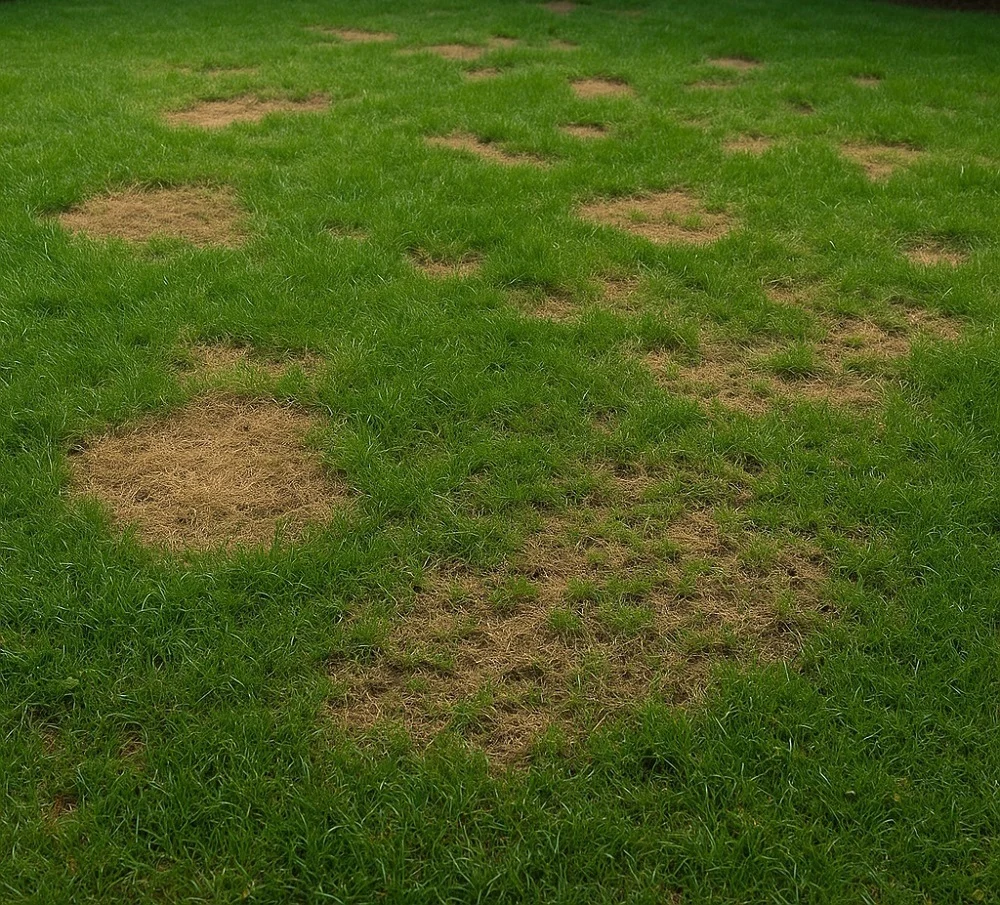
Image source: Bing (Web (fair-use with source credit))
The Two Windows: Preventive vs. Curative Treatment
This is the decision fork that determines everything else. You're either treating before eggs hatch to stop the next generation, or treating after hatch to kill active grubs. The products, timing, and expectations are completely different.
Preventive Grub Control
Best window: Late spring through early summer (May to early July in most of the US, adjusted for local beetle flight)
How it works: Products like GrubEx (active ingredient chlorantraniliprole), Merit (imidacloprid), or Dominion 2L create a treated zone in the top layers of soil. When eggs hatch and tiny grubs begin feeding, they ingest the active ingredient and die before causing visible damage. These products have long residual activity, typically 3-4 months depending on soil conditions.
Why this timing: You need the product in place just before or as egg hatch begins. Apply too early and the residual may degrade before peak hatch. Apply too late and the first wave of grubs gets a head start.
Soil temperatures consistently hitting the 55-60°F range at 2-inch depth is your environmental signal that adult beetle activity and egg laying are imminent.
Who should use this approach: Anyone with a history of grub damage, newly established lawns, high-value turf, or areas where beetle pressure is known to be high. If you've had one bad grub year, you probably have enough of an established population that preventive treatment is the smarter play.
Curative Grub Control
Best window: Mid-summer through fall (August through October in most regions)
How it works: Products like Dylox (trichlorfon) or Sevin (carbaryl) kill on contact or work quickly through ingestion. They target existing grubs that are actively feeding and causing damage. These products have short residual activity, sometimes just days, so timing aligns directly with grub activity.
Why this timing: You're hitting grubs when they're small, most vulnerable, and feeding closest to the soil surface where the product settles. August through September is prime time because grubs are young enough that even moderate application rates achieve good control. By October, some species start migrating deeper, making coverage less reliable.
Who should use this approach: Anyone who missed the preventive window, discovered damage too late, or is seeing sudden animal digging activity. It's also the right call for confirmed high grub counts (10+ per square foot) regardless of the calendar.
| Feature | Preventive Treatment | Curative Treatment | |—|—|—|—|—| | Timing | May–July | August–October | | Product examples | GrubEx, Merit, Dominion 2L | Dylox, Sevin/carbaryl | | Active ingredients | Imidacloprid, chlorantraniliprole, thiamethoxam | Trichlorfon, carbaryl | | Residual activity | 3–4 months | Days to 1–2 weeks | | Grub stage targeted | Newly hatched, 1st instar | Actively feeding, 2nd–3rd instar | | Prevents visible damage | Yes | Limits further damage | | Application frequency | Once per season | May need follow-up | | Cost per treatment | $25–$50 per 5,000–10,000 sq ft | $20–$40 per 5,000–10,000 sq ft |
How to Know If You Need Preventive or Curative — Right Now
Stuck on which approach to take right this moment? Walk through this decision logic based on what you can see and measure in your lawn right now.
Check what month it is and where your soil temperature sits:
- April through June: You're in prime preventive window. Apply a long-residual preventive product immediately if you haven't already. Hatching will begin within weeks once soil holds 60°F+ consistently at 2-4 inch depth.
- July: Still preventive territory, but the window is narrowing fast. If heavy adult beetle activity is visible (Japanese beetles skeletonizing leaves in your landscape), eggs likely laid and hatch imminent. Either preventive with long residual or switch to curative depending on local timing.
- August through October: Curative window. If you see damage signs, test grub counts immediately and apply a curative product if over threshold.
- November through March: Hold off on chemical treatment. Either the window has closed for preventive (too early) or grubs are too deep/mature for effective curative control. Plan your strategy for the coming season instead.
Do the "roll-back test" for active grub damage:
Cut a 1-foot square of sod in a damaged area and roll it back like a carpet. Grub-damaged turf loosens easily because roots have been severed. Count the grubs exposed in that square foot.
- 0-4 grubs per square foot: Below threshold for most lawns. Monitor but don't treat immediately. Natural predators and healthy turf can tolerate this.
- 5-9 grubs per square foot: Borderline. If the lawn is thin-stressed or if animal digging has started, apply curative treatment. Otherwise monitor closely.
- 10+ grubs per square foot: Treat now. Apply curative insecticide promptly, water it in thoroughly, and expect some secondary animal activity as grub movement changes.
Watch for the "digger signal":
Skunks, raccoons, and armadillos are incredibly efficient grub detectors. One skunk can tear up a surprising amount of lawn overnight targeting a concentrated grub population. If you see fresh digging damage, assume moderate-to-high grub activity and treat curatively.
Animal activity often appears 1-2 weeks before the turf itself shows browning, since the turf has residual reserves.
What Grub Species Are in Your Lawn (And Why It Changes the Timeline)
Not all grubs follow the same calendar. The species mix in your region shifts the timing of egg lay, hatch, and peak feeding by 2-4 weeks in some cases. Knowing what species you're dealing with refines the "when" significantly, which is why categorical answers like "always treat in August" fall apart in practice.
Japanese beetle (Popillia japonica): The most widespread turf pest in the eastern and midwestern US. Adults fly and feed heavily in July, lay eggs in late July through early August. Eggs hatch in August.
This species is the primary driver for the classic preventive window logic. Japanese beetle grubs are the reason most product labels say "apply before late July."
European chafer (Amphimallon majale): Another eastern and midwestern pest that may actually be MORE destructive than Japanese beetle in some areas. Adults fly earlier, typically late June in the peak Northeast and Midwest. Egg lay happens in late June through early July, with hatch beginning by mid-July in warm seasons.
If you have chafer pressure, your preventive window closes earlier than Japanese beetle timing suggests.
May/June beetles (Phyllophaga species): A large group of native species with a 2-3 year life cycle. Adult flight varies from May through August depending on species. Grubs that are 1-2 years into development may be actively feeding during a season when no new hatch is occurring.
This is more of a concern in the Midwest and Plains states (Kansas, Nebraska, Iowa, the Dakotas) where Phyllophaga species dominate.
Northern and southern masked chafers (Cyclocephala borealis and C. lurida): Common in the Southeast and mid-Atlantic, and moving northward. Adults fly at night in late June through July, often attracted to lights. Egg lay and hatch timing is similar to Japanese beetle, but their tolerance for heat means feeding damage can persist later into fall in southern states with mild autumns.
Black turfgrass ataenius (Ataenius spretulus): A smaller species often found in golf course turf and high-maintenance lawns. It has TWO generations per year, with adult flights in both spring and mid-summer. This species can cause damage earlier in summer than other grubs, which is why turf managers sometimes spot damage in June/July that looks like drought stress.

Image source: Bing (Web (fair-use with source credit))
How to identify your grub species:
If you're sending samples to your local extension office, collect 10-15 grubs from multiple areas and preserve them in alcohol. Most county extension services can identify species from the raster pattern (the arrangement of hairs and spines on the underside of the abdomen near the rear). This is genuinely useful if you've had recurring problems, because species identification lets you predict whether you're dealing with an annual cycle or multi-year cycle, and whether you need to focus on one window or stack both preventive and curative treatments.
For most homeowners, though, the practical approach is simpler: know your region's primary species and match timing to THAT calendar. Your county extension website (search "[your county] extension grub species") will typically have the specific local timing recommendations that account for the species mix in your area.
Soil Temperature: The Signal That Tells You Exactly When to Treat
Soil temperature is the single best environmental cue for timing grub treatment. More reliable than the calendar, more precise than "when the beetles show up," and something you can actually measure with a $10 probe from any garden center.
The 60°F threshold:
Sustained soil temperatures of 60°F at 2-inch depth correspond closely to adult beetle flight and egg-laying activity for most common species. You can track this using your local weather service's soil temperature readings (NOAA and state mesonets typically publish this) or stick a soil thermometer in the ground and take your own readings every few days starting in late April.
How to take the reading:
Push a soil thermometer or digital probe 2-3 inches into the soil in a representative, non-shaded area of lawn. Take the reading between 10 AM and 2 PM on a sunny day. Do this for 3-5 consecutive days.
When you see consistent readings at or above 60°F, the clock is ticking. Egg-laying typically ramps up within 1-2 weeks of sustained warm soil during the species-normal flight period.
Nuance for southern climates:
In USDA zones 7b and south, soil temperatures hit 60°F weeks earlier. Coastal South Carolina, northern Florida, the Gulf Coast, and lower elevations in Texas/Arizona soils may reach this threshold in March or April. In those regions, preventive application shifts to April-early May.
The beetles haven't read the label, and they fly when the soil is warm enough, regardless of what the northern-bias marketing says.
Nuance for northern high-elevation regions:
At elevation (above 3,000 feet in the Rockies, for example) or in northern tier states like the Dakotas, eastern Montana, and high-elevation Wyoming, sustained 60°F soil doesn't arrive until June or even early July. Your preventive window opens later, closes later, and you may need to extend curative treatment into November if warmth persists.
Image source: Bing (Web (fair-use with source credit))
Regional Timing Guide: When to Apply by Zone and Season
Your location shifts the calendar weeks earlier or later. University extension recommendations follow these bands that account for latitudinal soil warmth accumulation and local adult beetle flight patterns.
- Northeast (Maine to Pennsylvania): Preventive June 1, July 15. Curative August 1, September 30. European chafer pressure in this region makes early timing key.
- Midwest (Ohio to Kansas, North to Dakotas): Preventive May 15, July 1. Curative August 1, October 15. Phyllophaga species mean occasional deep-lingering feeding into fall.
- Southeast (Virginia to Florida): Preventive May 1, June 15. Curative August 1, November 15. Mild autumn means grubs stay close to the surface longer which extends curative effectiveness.
- Gulf Coast and deep South (Alabama, Mississippi, Louisiana, Texas coastal plain): Preventive April 15, June 1. Curative late July through December. Watch for green June beetle pressure that peaks earlier.
- Mid-Atlantic (Carolininas to mid-Delmarva): Preventive May 15, July 1. Curative August 1, October 31, with possible extension into November during warm autumns.
- Mountain West and High Plains (western Kansas, Nebraska, Colorado eastern plains): Preventive June 1, July 15. Curative spotty due to lower rainfall, but August, September works well if irrigation pushes grub activity.
- Pacific Northwest (Willamette Valley, Puget Sound lowlands): Preventive June 1, July 15. Curative August 15, October 31. European chafer is a major target here alongside Japanese beetle.
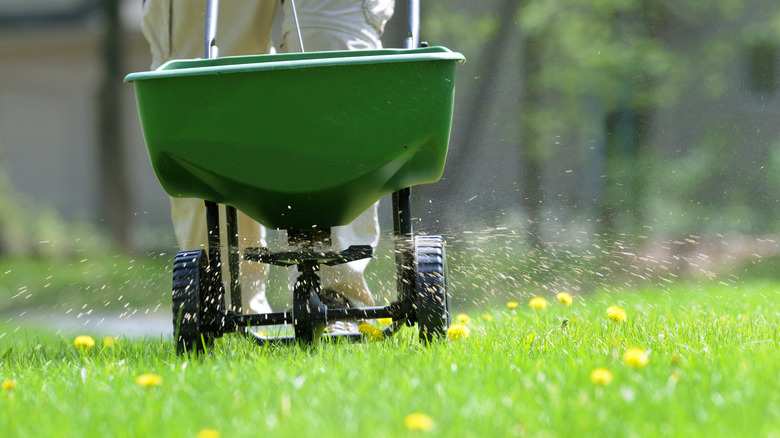
Image source: Bing (Web (fair-use with source credit))
Step-by-Step: How to Apply Grub Killer So It Actually Works
Timing matters, but execution matters almost as much. A perfectly timed application fails if the product never reaches the zone where grubs are feeding. Here's the process that gets reliable results.
Step 1: Mow first. Cut your lawn to normal height before applying granules. Clippings left on the surface intercept granules and prevent them from reaching the soil. Bag clippings or rake them lightly if you've let things go.
Step 2: Check irrigation or rainfall forecast. Granular grub killers MUST be watered in to activate and move the active ingredient into the root zone. Plan to apply only when you can irrigate afterward, or when rain is imminent (within 24 hours) and reliably at least ¼ inch. Do not apply granules right before a drought spell or before a downpour that will wash product off-target.
Step 3: Calibrate your spreader. This is where most homeowners trip up. Push-type spreader settings vary enormously between models, but GrubEx bags typically suggest a setting between 3 and 4 for common Scotts spreaders, depending on model. Check the bag label for spreader settings calibrated to YOUR spreader brand.
Uneven application creates untreated pockets where grubs happily thrive.
Step 4: Apply evenly using a cross-pattern. Make one pass north-south and a second pass east-west across your entire treatment area. Slight overlap prevents striping. Treat the full lawn including buffer areas, since grubs don't conveniently stay within property lines and untreated margins become recolonization sources.
Step 5: Water in immediately. Apply about ¼ to ½ inch of water after granular application. This moves the active ingredient off granule surfaces and into the top 1-2 inches of soil where young grubs are feeding. Set a rain gauge or tuna can to verify output.
Most residential sprinklers deliver roughly ½ inch in 15-25 minutes.
Step 6: Keep foot traffic (and pet traffic) off the treated area for 24-48 hours. Residual granules on leaf blades can transfer to paws and hands. Some labels specify "keep off until dry" which takes longer in humid climates. Read the label for your specific product.
Dylox, for example, has a short re-entry interval, but err on the side of caution with kids and pets.
The Most Common Mistakes That Make Grub Killer Fail
After looking at thousands of turf failures, the same issues come up over and over. Nearly all of them are dumbable with a bit more attention to detail.
- Applying too early in the spring. The product label is your friend here. Early spring preventive applications lose residual activity long before eggs hatch 10-12 weeks later.
- Waiting until damage is visible before treating curatively. By the time turf browns, damage is done and grugs have already severed roots. Use the roll-back test weekly from late July through September if you have a history of grub damage.
- Skipping the watering-in step. Granules sitting on thatch will break down without ever reaching the soil zone. Product activation requires moisture penetration.
- Applying preventive product after hatch has occurred. Imidacloprid and chlorantraniliprole kill tiny grubs, not mature ones. If you apply these to third-instar grubs in September, you'll get disappointing results because the grubs are too big and close to pupation.
- Using curative product for prevention. Dylox has almost no residual activity. Applying Dylox in June doesn't protect your lawn from August hatch, because the active ingredient has long since degraded.
- Ignoring spreader calibration. Clogged spreaders and uneven overlap create untreated gaps huge enough to sustain a surviving grub population that booms the following year.
- Applying the wrong product for your grub species. Most labeled products have efficacy data for common species. If you have an unusual species, your extension office can match the product to the specific target.
Curative vs. Preventive Products: How to Choose Between Them
Once you've locked in which window you're working from, choosing the product stays straightforward. Match the problem to the solution.
- If you missed the preventive window but haven't seen damage signs: Apply a curative product targeting actively feeding grubs in mid-summer.
- If you see damage but grubs are tiny and actively feeding: Apply a curative product immediately. Smaller grubs are much easier to control than mature ones.
- If animals are tearing up your lawn but turf still looks green: Expect to see browning within 1-2 weeks. Treat immediately with Dylox to knock back the population.
- If you're reading this in March with dead patches from last year: Skip chemical treatment on this population. Mark your calendar for May-June and apply preventive then.
- If you're establishing new sod or seed: Apply preventive product at installation time along the planted area. New roots are prime grub targets, and you'll save yourself from tearing up your new grass.
Frequently Asked Questions
Can I apply grub killer in the rain?"
You can apply granular grub killer right before a predicted rain event as long as rainfall is steady, not heavy. Downpours cause runoff and strip product from the target area. Plan for ¼ inch of gentle rain or equivalent irrigation within 24 hours after application even if skies are clear during the treatment itself.
Do I need to treat every year?"
Not necessarily. Professional recommendations suggest monitoring grub pressure annually and treating based on thresholds rather than on a fixed calendar. Homeowners with recurring pressure (10+ grubs/sq ft in any of the last 3 years) benefit most from annual preventive treatment.
Single-year events rarely warrant ongoing treatment.
What time of day should I apply grub killer?"
Mid-morning to early afternoon works best when soil is dry enough for even spreader distribution and you have time to water in or wait for predicted rain. Early morning dew causes granules to stick to grass blades instead of reaching the soil surface, and evening applications followed by overnight heat and humidity can reduce granule adhesion before watering.
Will grub killer harm earthworms?"
Some products can. Imidacloprid and other neonicotinoids are toxic to earthworms in laboratory conditions, though field studies at labeled application rates show minimal effects. Carbaryl (Sevin) shows somewhat higher toxicity to earthworms compared to chlorantraniliprole, which has lower earthworm toxicity.
Beneficial nematodes and milky spore are earthworm-safe alternatives if you want zero risk.
How soon after applying grub killer should I see results?"
Preventive treatments show no immediately visible result because they kill grubs before damage appears. You confirm success next spring when healthy green-up occurs. Curative products like Dylox begin killing within 48-72 hours, and you may see a reduction in animal digging within 3-5 days.
Dead grubs in the root zone become noticeable within 7-10 days.
Can I seed or overseed after grub killer?"
Most grub killer labels recommend waiting 2-4 weeks after application before reseeding, and some require 60 days for rates above the standard application level. Imidacloprid is systemic and can slow germination in newly planted seeds during the residual period. Seeding immediately after granular grub killer application is not recommended.
Grub Killer Options Compared: What Works When
Your product choice should match your timing window and grub pressure level. Here is a quick comparison of the most common options.
| Product | Type | Active Ingredient | Best Timing | Residual | Notes |
|---|---|---|---|---|---|
| GrubEx (Scotts) | Preventive | Chlorantraniliprole | May–July | 3–4 months | Low toxicity to bees once watered in |
| Merit / Dominion 2L | Preventive | Imidacloprid | May–July | 3–4 months | Systemic, longer soil residual |
| Dylox (Envu) | Curative | Trichlorfon | August–October | Days | Fast kill, short window |
| Sevin (carbaryl) | Curative | Carbaryl | August–October | 1–2 weeks | Broad-spectrum, higher non-target risk |
| Acelepryn | Preventive | Chlorantraniliprole | May–July | 3–4 months | Professional-grade, lower use rates |
| Milky spore | Biological preventive | Paenibacillus popilliae | Spring or fall | 10+ years | Species-specific, slow to establish |
| Beneficial nematodes | Biological curative | Heterorhabditis bacteriophora | August–September | Weeks | Requires moist soil, careful handling |
When to Call In a Pro vs. Handle It Yourself
DIY grub control works fine for most residential lawns under 10,000 square feet with moderate pressure. You should consider a licensed turf professional when:
- Grub counts exceed 15 per square foot across large areas
- You have mixed species requiring different product strategies
- Your property includes water features or sensitive environmental zones
- Previous DIY attempts have failed for two consecutive seasons
- You need commercial-grade products restricted to licensed applicators
Professional applicators also have access to products like Acelepryn GR and higher-concentration formulations that deliver more consistent results across variable soil types.
Planning Next Year: After You've Applied
Once you've treated this season, set yourself up for success next year. Mark your calendar with two dates based on your local extension recommendations: one preventive window opener (typically late May) and one curative check-in (mid-August). Keep records of what you applied, where grub pressure was highest, and whether animal digging recurred.
That data makes next year's decision obvious instead of guesswork.
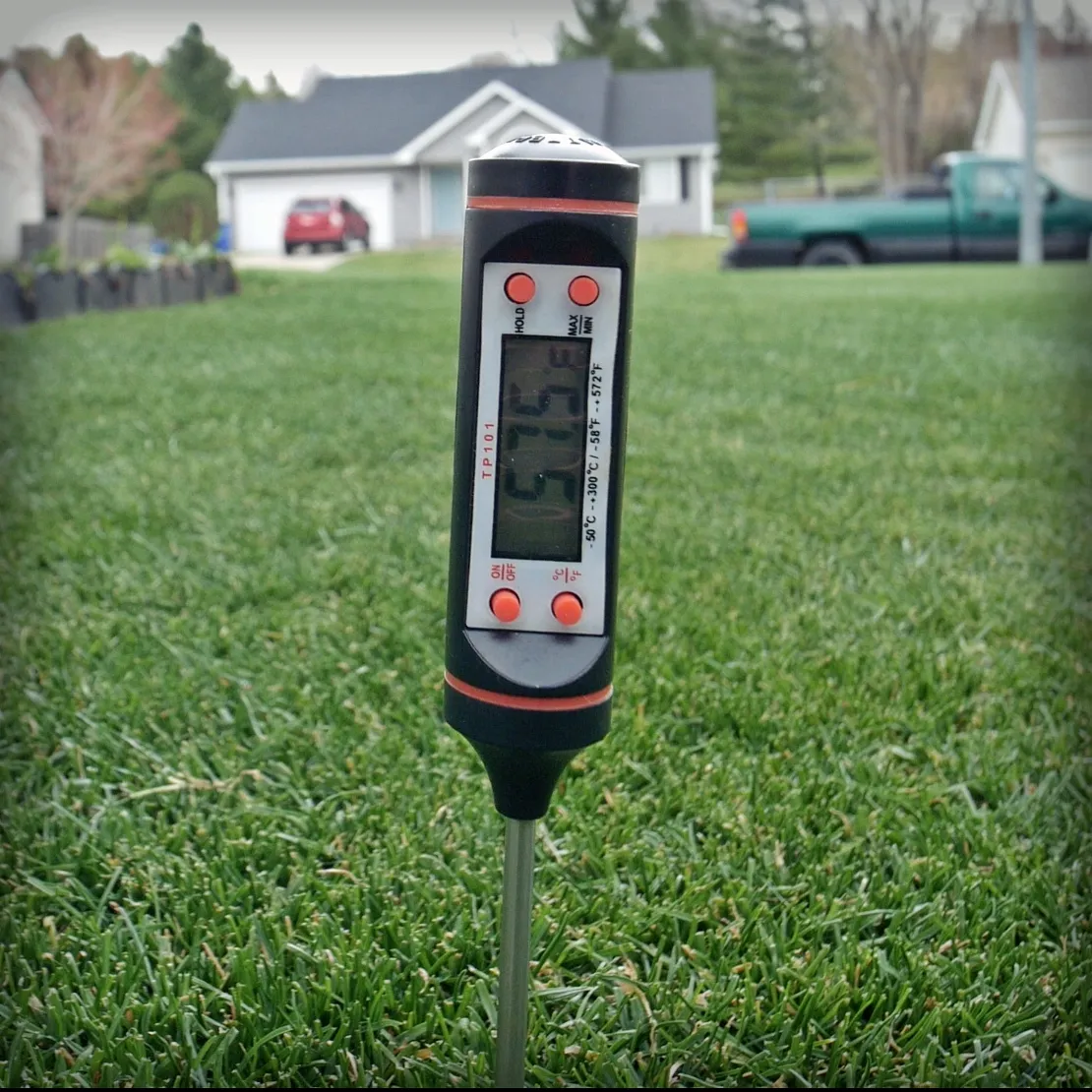
Image source: Bing (Web (fair-use with source credit))