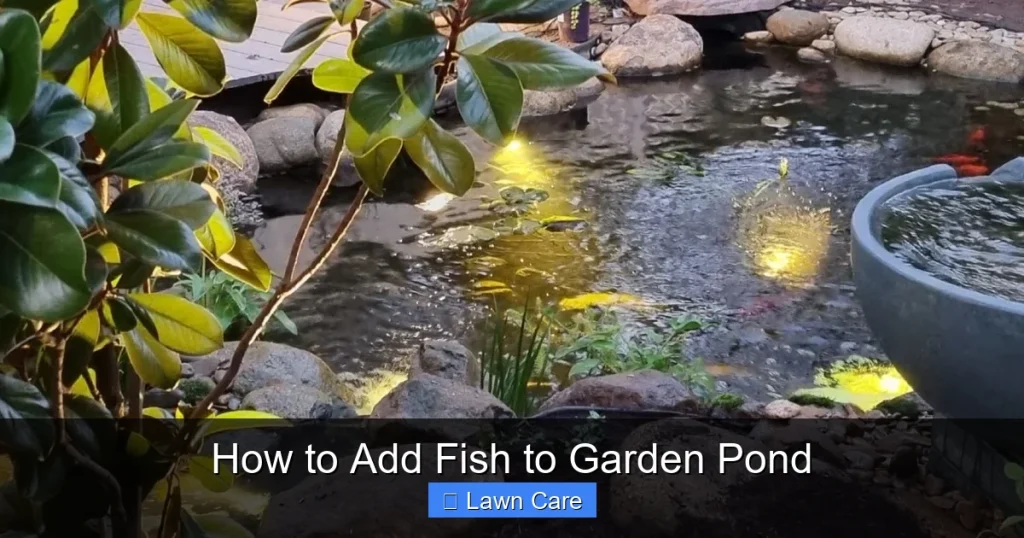
Adding fish to your garden pond can transform it into a dynamic, living ecosystem. This guide walks you through every step, from preparing your pond to selecting the right fish and ensuring their healthy transition. Follow these expert tips to create a beautiful and balanced aquatic habitat.
Adding fish to your garden pond can truly bring it to life. Imagine watching colorful koi glide through the water or seeing playful goldfish dart among the lily pads. It’s a wonderful way to enhance the beauty and ecological balance of your backyard oasis. But simply dropping a few fish into your pond isn’t the right approach. A successful introduction requires careful planning and execution.
This comprehensive guide will walk you through everything you need to know to add fish to your garden pond safely and effectively. We’ll cover preparing your pond, choosing the right fish, introducing them to their new home, and maintaining a healthy environment for them to thrive.
Key Takeaways
- Proper Pond Preparation is Crucial: Before introducing fish, ensure your pond has adequate filtration, oxygenation, and is free from toxins and excessive algae.
- Choose the Right Fish Species: Select fish suitable for your pond size, climate, and local regulations. Hardy, small-to-medium-sized fish are generally the best choice for beginners.
- Acclimate Fish Slowly and Safely: Gradually adjust new fish to your pond’s water temperature and chemistry to prevent shock and ensure their survival.
- Stocking Density Matters: Avoid overcrowding your pond, as this can lead to poor water quality, disease, and stress for the fish.
- Ongoing Maintenance is Key: Regular water testing, filtration checks, and appropriate feeding are essential for a healthy fish population and a balanced pond ecosystem.
- Observe Your Fish Regularly: Monitor your fish for signs of stress or illness so you can address problems promptly.
Step 1: Assess Your Pond’s Readiness
Before you even think about buying fish, you need to make sure your pond is a safe and suitable habitat. A healthy pond is the foundation for healthy fish.
Check Pond Size and Depth
Different fish species have different needs when it comes to space. A small pond might only be suitable for a few small goldfish, while a larger pond could accommodate more fish, or even larger species like koi. Generally, a pond should be at least 2 feet deep in its deepest section to provide a stable environment and a refuge for fish during extreme weather.
Evaluate Water Quality
This is perhaps the most critical step. Fish are very sensitive to changes in water chemistry.
- Filtration: Does your pond have a good filtration system? A robust filter removes waste and keeps the water clean. Without proper filtration, waste from fish can build up, leading to toxic conditions.
- Oxygenation: Fish need oxygen to breathe. Ensure your pond has adequate aeration. This can be achieved through a waterfall, fountain, or an air pump with an airstone. Plants also contribute to oxygenation, but mechanical aeration is usually necessary when fish are present.
- pH Levels: Test your pond’s pH. Most pond fish prefer a pH between 7.0 and 8.0. Fluctuations outside this range can be stressful or even deadly.
- Ammonia and Nitrite: These are toxic byproducts of fish waste. Your pond’s ecosystem should ideally process these. If you’re unsure, get a water testing kit. Ammonia and nitrite should be at 0 parts per million (ppm).
- Algae Control: While some algae are natural, excessive algae blooms can deplete oxygen at night and signal an imbalance. Address any major algae problems before adding fish.
Ensure Pond Safety
- Predator Protection: Is your pond protected from predators like herons, raccoons, or cats? Netting, fencing, or decorative deterrents can help.
- Chemicals: Have you recently used any pesticides or fertilizers near the pond? Even small amounts can be toxic to fish. Ensure the pond water is free from chemical contaminants.
- Plant Life: Healthy aquatic plants are beneficial for a pond ecosystem. They provide cover for fish, help with water quality, and add to the aesthetic appeal. Ensure you have a good mix of submerged, floating, and marginal plants.
Step 2: Choose Your Fish Wisely
Selecting the right type and number of fish is essential for a balanced pond.
Consider Your Pond Size
As mentioned, size matters.
- Small Ponds (under 250 gallons): Best suited for a few small goldfish or mosquito fish.
- Medium Ponds (250-1000 gallons): Can accommodate more goldfish, or a small number of koi.
- Large Ponds (1000+ gallons): Offer more flexibility for a variety of fish, including larger koi and more numerous goldfish.
Research Fish Species
Not all fish are created equal when it comes to pond life. Some popular and generally hardy choices include:
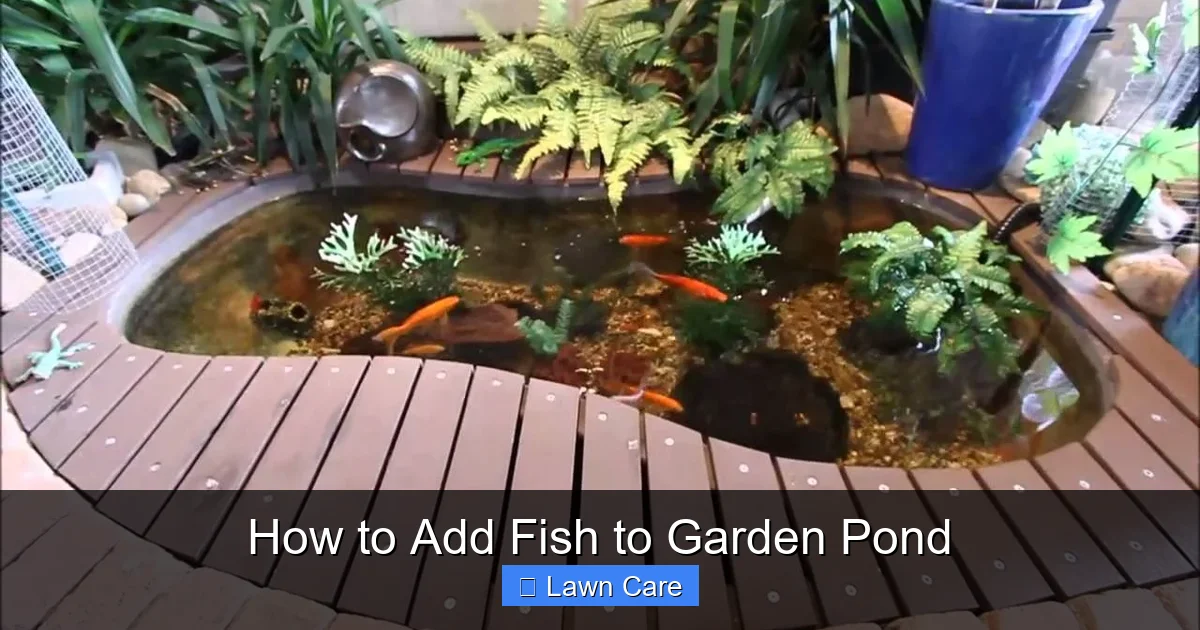
- Goldfish: These are classic pond fish, known for their hardiness and variety of colors and shapes. Common varieties include comets, shubunkins, and fantails. They are relatively easy to care for and reproduce readily in ideal conditions.
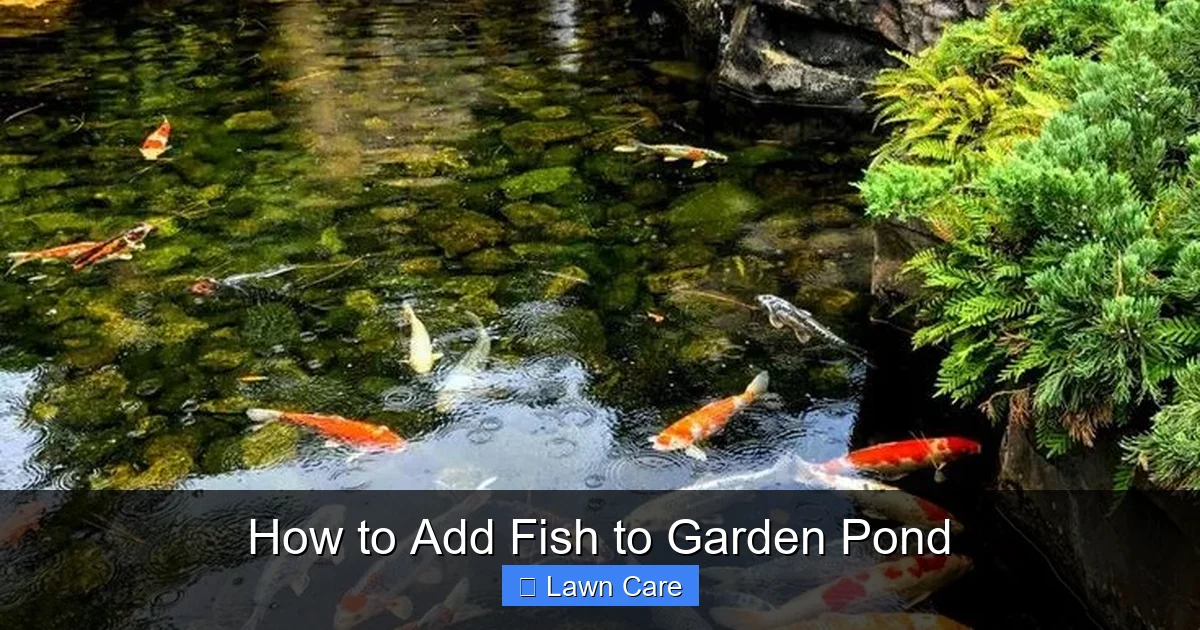
- Koi: These are ornamental carp and are larger than goldfish. They require more space and a well-established, well-filtered pond. Koi are a commitment, as they can live for many decades and grow quite large.
- Mosquito Fish (Gambusia): These small, live-bearing fish are excellent for controlling mosquito larvae in the pond. They are very hardy and reproduce quickly.
- Golden Orfe: These active, schooling fish are silver with a golden sheen. They prefer well-oxygenated water and can be quite striking when they swim near the surface.
Always check local regulations regarding the types of fish you can keep in your pond, as some species may be invasive.
Determine Stocking Density
This is a common pitfall for new pond owners. Overstocking your pond is detrimental to fish health and water quality. A general rule of thumb for goldfish is to have about one inch of fish per gallon of water, but this is a very basic guideline. For koi, you need significantly more space, often around 100-250 gallons per fish, depending on their size and the pond’s filtration capacity. It’s always better to understock than overstock. You can always add more fish later if your pond can handle it.
Step 3: Prepare for the Fish’s Arrival
Once you’ve chosen your fish, it’s time to get ready for their introduction.
Purchase Healthy Fish
Buy fish from a reputable source. Look for fish that are active, have clear eyes, no visible sores or parasites, and are swimming normally. Avoid fish that are lethargic, clamped fins, or have fuzzy patches on their bodies.
Transport Them Safely
Fish are usually transported in plastic bags filled with water and air. Keep the bags out of direct sunlight and extreme temperatures during transport. Drive smoothly to minimize stress.
Step 4: The Crucial Acclimation Process
This is the most important step to ensure your new fish survive and thrive. Abruptly changing the water temperature and chemistry can shock and kill them.
Float the Bags
Place the sealed bags of fish gently into your pond water. Let them float for about 15-20 minutes. This allows the water temperature inside the bags to gradually equalize with the pond water temperature. Resist the urge to open the bags during this time.
Visual guide about How to Add Fish to Garden Pond
Image source: i.pinimg.com
Visual guide about How to Add Fish to Garden Pond
Image source: i.ytimg.com
Visual guide about How to Add Fish to Garden Pond
Image source: commonsensegamer.com
Gradually Add Pond Water
After the initial floating period, open the bags and carefully ladle some of your pond water into each bag. Do this gradually over another 30-45 minutes. This allows the fish to slowly adjust to the water parameters of your pond, such as pH and mineral content.
- Start by adding about a quarter of the bag’s water volume.
- Wait another 10-15 minutes.
- Repeat, adding another quarter of the bag’s water volume.
- Continue this process until the bag is roughly half pond water and half bag water.
Net the Fish, Not the Pond Water
Once acclimated, gently net the fish from the bags. Do not pour the water from the bags into your pond. This water may contain diseases or parasites from the store or transport, and it also contains concentrated waste products that can disrupt your pond’s balance. Carefully release the fish into the pond.
Step 5: Post-Introduction Care and Monitoring
Your new fish are in their new home! Now, it’s time to observe and provide ongoing care.
Initial Feeding
Do not feed your fish for the first 24 hours after introducing them. They need time to settle in and adjust. After that, offer a small amount of high-quality fish food. Only feed what they can consume in about 3-5 minutes, once or twice a day. Overfeeding is a common mistake that leads to poor water quality and health issues.
Observe for Stress or Illness
Keep a close eye on your new fish for the first few days and weeks. Look for:
- Behavior: Are they swimming actively? Are they hiding excessively?
- Appearance: Are their fins spread? Do they have any spots, sores, or fuzzy growth?
- Breathing: Are they gasping at the surface (a sign of low oxygen)?
If you notice any concerning signs, test your water parameters immediately. Early detection is key to resolving most fish health problems.
Maintain Pond Health
Continue to maintain excellent water quality through regular filtration checks and occasional water changes if necessary. Ensure your aeration system is functioning properly. Regular water testing (weekly or bi-weekly initially) will help you catch any imbalances before they become serious issues. Remember that healthy plants, like those found in a well-designed native plant garden, can contribute significantly to a balanced pond ecosystem.
Seasonal Considerations
As seasons change, so do the needs of your pond fish. In warmer months, ensure adequate aeration and avoid overfeeding. In colder months, you may need to stop feeding entirely, depending on your climate and the fish species. Ensure your pond doesn’t freeze solid if you have fish year-round, as this can lead to oxygen depletion.
Troubleshooting Common Issues
Even with the best preparation, you might encounter a few bumps in the road.
Fish Gasping at the Surface
This is usually a sign of low oxygen levels. Check your aeration system. Ensure it’s running efficiently. Reduce the number of fish if your pond is overstocked. Excessive algae blooms can also deplete oxygen at night.
Cloudy Water
Cloudy water can be caused by a few things: bacterial blooms (common in new ponds or after a water change), overfeeding, or too many fish. Ensure your filter is adequate and running correctly. Adjust feeding habits. You might need to perform partial water changes.
Sick or Dying Fish
This is distressing, but often manageable if caught early.
- Test water quality immediately for ammonia, nitrite, and pH.
- Isolate sick fish if possible to prevent spreading disease.
- Consult a local aquatic specialist or veterinarian if the problem persists.
Conclusion
Adding fish to your garden pond is a rewarding experience that transforms a static water feature into a vibrant, living part of your landscape. By carefully preparing your pond, choosing appropriate fish, and employing a slow, careful acclimation process, you set the stage for a healthy and beautiful aquatic environment. Remember that consistent care and observation are key to ensuring your fish thrive for years to come. Enjoy the mesmerizing beauty and life your new pond inhabitants bring to your garden!