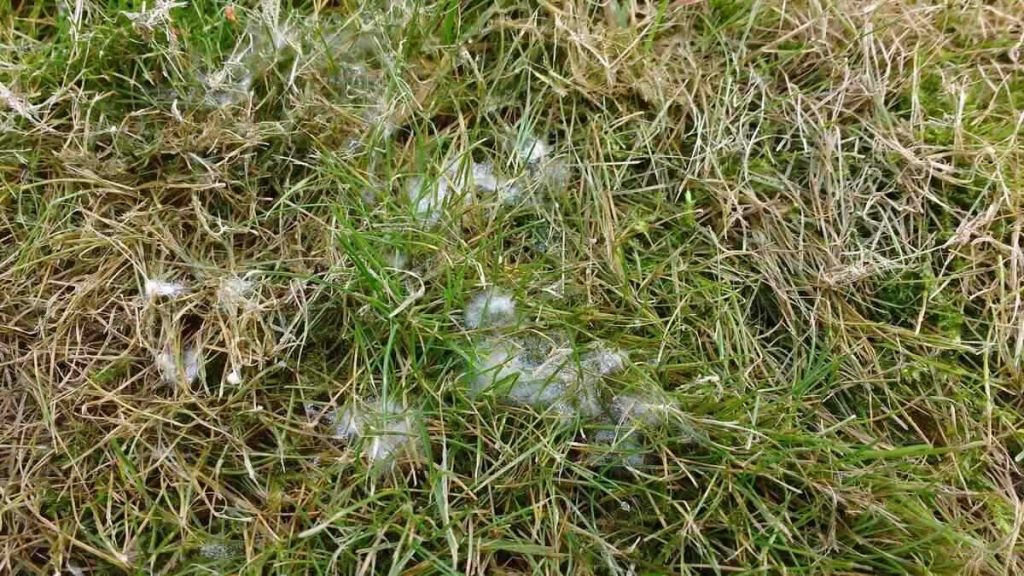
If you’re dealing with gray snow mold on your lawn, the quickest solution is to rake up the affected areas and improve air circulation. This will help to dry out the moisture that the mold thrives on. Sometimes, applying a fungicide can also assist in controlling the spread. Now, let’s dive deeper into understanding what gray snow mold is and how you can effectively get rid of it. This pesky fungus usually appears in late winter or early spring after the snow has melted, leaving unsightly patches on your grass. Don’t worry, though—by taking the right steps, you can restore your lawn to its lush, green glory. Here’s how to tackle this problem head-on!

How To Get Rid Of Gray Snow Mold
Gray snow mold is a common problem for homeowners, especially in cooler climates where snow covers lawns for extended periods. This fungus often appears as gray or white patches on the grass after the snow melts. Understanding how to effectively deal with gray snow mold is essential for maintaining a healthy lawn. In this article, we’ll explore the causes, prevention methods, and treatment options for this pesky lawn issue.
What is Gray Snow Mold?
Gray snow mold, scientifically known as *Typhula incarnata*, is a type of fungus that thrives in cold, wet conditions. It is most commonly found under snow cover, where it can survive before actively damaging the grass. The patches can range in color from grayish-white to brown, often creating an unsightly appearance in your lawn.
The main reason gray snow mold develops is due to the combination of snow cover and the moisture trapped beneath. Areas with high organic matter and poor drainage may be more susceptible to this condition.
Signs and Symptoms of Gray Snow Mold
Recognizing the signs of gray snow mold is crucial for timely intervention. Here are some common characteristics to look for:
- Gray or white patches in your lawn
- Patches may vary in size, sometimes extending several inches across
- Grass blades under the patches may appear matted down or dead
- Occasional dark spots may appear on the patches, indicating the presence of the fungus
If you notice any of these symptoms, taking action quickly can help prevent further damage.
Causes of Gray Snow Mold
To effectively combat gray snow mold, it’s essential to understand what causes it. Here are the primary contributors:
- **Prolonged Snow Cover**: Snow that stays on the ground for extended periods creates a perfect environment for mold growth.
- **High Moisture Levels**: Wet conditions are conducive to mold development. This can be due to heavy snowfall or poor drainage.
- **Poor Air Circulation**: Areas with limited air movement, such as shaded spots under trees, are more prone to fungal growth.
- **Thick Organic Layer**: If your lawn has excessive thatch or organic matter buildup, it can hold moisture and promote mold.
Identifying these causes can help you take preventive measures to reduce the risk of gray snow mold.
Preventing Gray Snow Mold
Prevention is always better than cure. Here are some effective strategies to help prevent gray snow mold from taking hold in your lawn:
Maintain Lawn Health
A healthy lawn is less susceptible to disease. To promote lawn health, consider the following:
- Regular mowing to keep grass at an appropriate height
- Fertilizing your lawn properly, using slow-release nitrogen
- Watering deeply but infrequently to encourage deep root growth
Improve Drainage
Proper drainage is critical to reducing moisture levels. Here are some tips:
- Assess your lawn’s drainage patterns and make necessary adjustments
- Consider aerating your lawn to enhance water flow
- Install drainage systems if necessary to redirect excess water
Manage Thatch Levels
Thatch buildup can trap moisture and promote mold growth. To manage thatch:
- Regularly check for excessive thatch accumulation
- Consider dethatching if the layer exceeds half an inch
- Use a thatching rake or machine for effective removal
Treating Gray Snow Mold
If you notice signs of gray snow mold in your lawn, don’t panic! There are several effective treatment options available.
Mechanical Removal
One of the simplest methods to treat gray snow mold involves mechanical removal:
- Use a rake to gently break up the moldy patches.
- Remove any dead grass and organic debris from the surface.
- This exposes healthy grass and allows better airflow.
Aeration
Aerating your lawn can enhance its overall health and reduce moisture. To aerate:
- Use a core aerator to remove small plugs of soil.
- Focus on areas under stress or where mold is present.
- This step allows air, water, and nutrients to penetrate deeper into the soil.
Fungicide Application
In severe cases, applying a fungicide may be necessary. Here’s how to choose and use one:
- Select a fungicide specifically labeled for gray snow mold.
- Follow the manufacturer’s instructions for application rates and timing.
- Ensure thorough coverage of the affected areas for the best results.
Post-Treatment Care
After treating gray snow mold, it is essential to support your lawn’s recovery. Here are some tips for post-treatment care:
- Resume regular watering, but avoid over-watering to minimize excess moisture.
- Fertilize lightly to promote new growth.
- Monitor your lawn for any re-emergence of mold.
Gray snow mold can be a frustrating issue for homeowners, but it’s manageable with the right approach. By understanding the factors that contribute to mold growth and implementing effective prevention and treatment strategies, you can keep your lawn healthy and looking its best. Remember to monitor your lawn regularly to catch potential problems early, and don’t hesitate to take action when necessary. With a little effort, you can enjoy a beautiful, mold-free lawn all season long.
Matted Grass?!! How to repair snow mold fungus and winter die out thatch.
Frequently Asked Questions
“`html
What causes gray snow mold in lawns?
Gray snow mold occurs primarily due to prolonged snow cover and cold, damp conditions. The fungus thrives in environments where grass remains wet beneath the snow for extended periods. Inadequate air circulation and excess moisture can also contribute to the development of this mold.
How can I prevent gray snow mold from forming in my yard?
To prevent gray snow mold, maintain healthy lawn practices such as proper mowing, fertilization, and watering. Rake up leaves and debris in the fall to improve air circulation. Additionally, avoid stacking snow in piles on your lawn and consider using a fungicide before winter if you know your lawn is prone to mold.
Is gray snow mold harmful to my lawn?
While gray snow mold can damage grass, it usually does not kill the grass entirely. The affected areas may appear brown or dead as spring arrives, but with proper care, the grass often recovers. Healthy grass and good lawn maintenance practices help reduce the impact of gray snow mold.
When is the best time to treat gray snow mold?
The best time to treat gray snow mold is in early spring as the snow melts and temperatures begin to rise. This is when you can assess the damage and apply necessary treatments, such as fungicides or fertilizers, to encourage grass recovery.
Can I use home remedies to combat gray snow mold?
Yes, several home remedies can help manage gray snow mold. Applying a mixture of water and baking soda or vinegar may help control the fungus. Ensure to test a small area first to avoid damaging your lawn. However, these remedies are often less effective than commercial treatments.
“`
Final Thoughts
To effectively tackle gray snow mold, start by removing snow from affected areas. Use a rake to agitate the moldy grass and promote air circulation. Applying a fungicide specifically designed for snow mold can significantly reduce reoccurrence.
Regular maintenance in spring, such as aerating the soil and reseeding, will strengthen your lawn and help prevent future outbreaks.
In summary, follow these steps on ‘How To Get Rid Of Gray Snow Mold’ to maintain a healthy lawn and ensure its longevity.