Quick answer: Planting perennial ryegrass involves preparing the soil, spreading the seeds evenly, and providing proper watering and care. With consistent effort, you can enjoy a lush and vibrant lawn throughout the year.
Are you looking for a way to transform your lawn into a lush, green oasis that lasts all year round? Planting perennial ryegrass might just be the solution you’re looking for. This hardy grass variety thrives in a variety of climates and is known for its ability to withstand heavy foot traffic. Whether you’re a seasoned gardener or a beginner, planting perennial ryegrass is a straightforward process that can yield amazing results.
To get started, you’ll need to prepare your soil. Clear away any debris or weeds, and loosen the soil using a rake or garden tiller. This will create a hospitable environment for your ryegrass seeds to take root. Once the soil is prepared, it’s time to sow the seeds. Spread them evenly across the area, ensuring good seed-to-soil contact. Water the seeds immediately after planting and continue to provide regular watering throughout the germination period.
With a little patience and care, you’ll soon witness the transformation of your lawn into a dense, vibrant carpet of perennial ryegrass. So grab your gardening tools and let’s get planting!

How to Plant Perennial Ryegrass: A Step-by-Step Guide
Introduction
Perennial ryegrass (Lolium perenne) is a popular turfgrass species known for its lush and vibrant green appearance. It is widely used in lawns, sports fields, golf courses, and other recreational areas. If you’re looking to establish a beautiful and resilient grassy area, planting perennial ryegrass can be a fantastic option. In this comprehensive guide, we will walk you through the process of planting perennial ryegrass, covering everything from soil preparation to post-planting maintenance.
Section 1: Soil Preparation
Planting perennial ryegrass starts with proper soil preparation. Follow these steps to ensure optimal conditions for successful growth:
1.1 Test the Soil
Before planting, it’s essential to test your soil’s pH level and nutrient content. This will help you determine if any amendments are necessary. Collect soil samples from different areas of your yard and send them to a reputable soil testing laboratory for analysis.
1.2 Adjust the Soil pH
Perennial ryegrass thrives in slightly acidic to neutral soil with a pH range of 6.0 to 7.0. If your soil pH is too acidic or alkaline, make the necessary adjustments by adding lime to raise the pH or sulfur to lower it. Follow the recommendations provided by your soil test results.
1.3 Improve Soil Structure
To enhance soil structure, add organic matter such as compost or well-rotted manure. This will improve drainage, water retention, and nutrient availability. Spread a layer of organic matter over the soil surface and incorporate it to a depth of 4-6 inches using a garden fork or tiller.
1.4 Remove Debris and Weeds
Clear the planting area of any rocks, roots, or other debris that may hinder grass establishment. Additionally, eliminate existing weeds to prevent competition for nutrients and space. Hand-pulling or using a weed killer can effectively tackle the weed problem.
Section 2: Seeding and Planting
Once the soil is adequately prepared, it’s time to seed and plant your perennial ryegrass:
2.1 Select Quality Seeds
Choose high-quality perennial ryegrass seeds from a reputable supplier. Look for certified seeds that are free from weed seeds and other impurities. Select a variety that suits your specific needs, whether it’s for high traffic areas, shade tolerance, or disease resistance.
2.2 Determine the Seeding Rate
The recommended seeding rate for perennial ryegrass is typically 8-10 pounds per 1,000 square feet. However, refer to the seed packaging or consult with a local horticulture expert for precise seeding rate information specific to your region.
2.3 Prepare the Seedbed
Rake the soil surface to create a smooth and fine seedbed. This will ensure good seed-to-soil contact and optimal germination. Remove any remaining debris or clumps that may impede the seeding process.
2.4 Sow the Seeds
Evenly distribute the perennial ryegrass seeds over the prepared seedbed. To promote uniform coverage, split the seed into two equal portions and spread each portion in opposite directions. Opt for a hand spreader or a mechanical seeder for larger areas.
2.5 Lightly Rake and Roll
After seeding, gently rake the soil surface to lightly cover the seeds with a thin layer of soil. Avoid burying the seeds too deep, as they require light for successful germination. To ensure good seed-to-soil contact, use a roller or tread carefully over the seeded area.
Section 3: Post-Planting Care
Proper care after planting is crucial for the successful establishment of perennial ryegrass. Follow these tips to provide optimum conditions for growth:
3.1 Watering
Immediately after seeding, water the area lightly to settle the seeds. Keep the soil consistently moist during the germination period, typically around 7-14 days. Water deeply and infrequently to encourage deep root growth.
3.2 Fertilization
Apply a starter fertilizer specifically formulated for establishing new lawns. Follow the manufacturer’s instructions regarding the application rate and timing. Avoid over-application, as excessive fertilizer can damage the young seedlings.
3.3 Mowing
Wait until the perennial ryegrass reaches a height of 3-4 inches before the first mowing. Set the mower height to approximately 2 inches and ensure the blades are sharp. Regular mowing at the recommended height will promote denser growth.
3.4 Weed Control
Monitor the seeded area for weeds and take immediate action to control them. Hand-pulling or spot herbicide applications can help prevent weed competition. Ensure the herbicide you choose is labeled for use on newly seeded grasses.
3.5 Overseeding and Maintenance
To maintain a healthy and robust perennial ryegrass lawn, overseed annually in the fall to fill in any thin or bare areas. Practice proper cultural practices such as regular fertilization, watering, and mowing to keep the grass vibrant and attractive.
Planting perennial ryegrass can yield a vibrant and durable lawn, perfect for various recreational activities. By following the step-by-step guide provided in this article, you can confidently establish a flourishing perennial ryegrass turf. Remember to pay attention to soil preparation, choose quality seeds, and provide the necessary post-planting care. With patience and proper maintenance, you’ll soon enjoy a beautiful expanse of perennial ryegrass. Happy planting!
Related Topics
1. The Benefits of Perennial Ryegrass
2. Perennial Ryegrass vs. Annual Ryegrass: What’s the Difference?
3. Best Practices for Perennial Ryegrass Lawn Maintenance
4. Dealing with Common Issues in Perennial Ryegrass Lawns
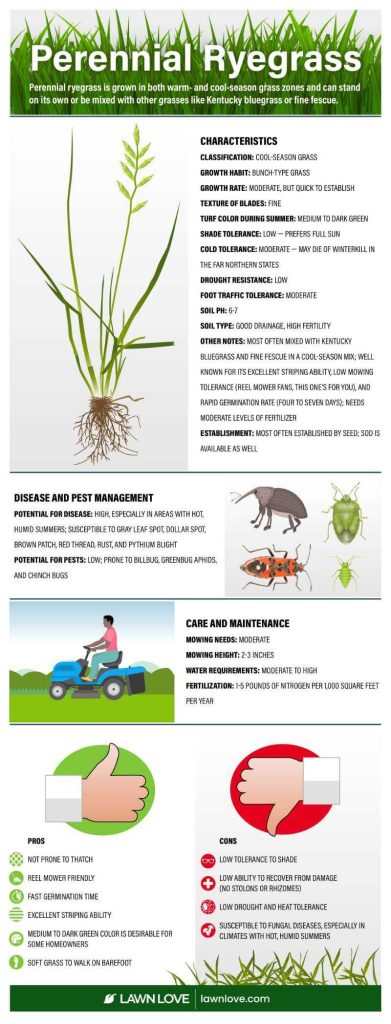
Perennial Ryegrass Pros and Cons
Frequently Asked Questions
How deep should perennial ryegrass seeds be planted?
Perennial ryegrass seeds should be planted at a depth of approximately ¼ to ½ inch in the soil. This depth allows for optimal germination and establishment.
When is the best time to plant perennial ryegrass?
The best time to plant perennial ryegrass is during early spring or early fall when the soil temperatures are cooler. This allows the seeds to germinate more efficiently and gives the grass a chance to establish before extreme temperatures.
What type of soil is suitable for planting perennial ryegrass?
Perennial ryegrass thrives in well-draining soil with a slightly acidic to neutral pH. It can tolerate a wide range of soil types, but to ensure optimal growth, it is recommended to prepare the soil by removing any debris and loosening it with a garden fork or tiller.
How often should I water perennial ryegrass seeds after planting?
After planting perennial ryegrass seeds, it is crucial to keep the soil consistently moist until germination occurs. This usually requires lightly watering the area two to three times a day. Once the grass has established, reduce the frequency but water deeply to encourage deep root growth.
Is it necessary to fertilize perennial ryegrass?
While perennial ryegrass can grow without additional fertilization, applying a complete fertilizer high in nitrogen before planting can promote faster establishment and healthier growth. It is important to follow the instructions on the fertilizer packaging and avoid over-fertilizing, as it can lead to excessive foliage growth and weak roots.
How long does it take for perennial ryegrass to germinate?
Under optimal conditions, perennial ryegrass typically germinates within 7 to 10 days. However, factors such as temperature, moisture, and seed quality can influence the germination time. Providing consistent moisture and suitable temperatures can help expedite the germination process.
Final Thoughts
To plant perennial ryegrass, start by preparing the soil by removing any debris and weeds. Then, spread a layer of compost or fertilizer to enrich the soil. Next, evenly broadcast the ryegrass seeds onto the prepared soil and gently press them into the ground. Remember to water the area immediately after planting and keep the soil consistently moist until the seeds germinate. Once the grass has established, maintain it by regular mowing and providing adequate sunlight. With these simple steps, you’ll be able to successfully plant perennial ryegrass and enjoy a lush, green lawn.