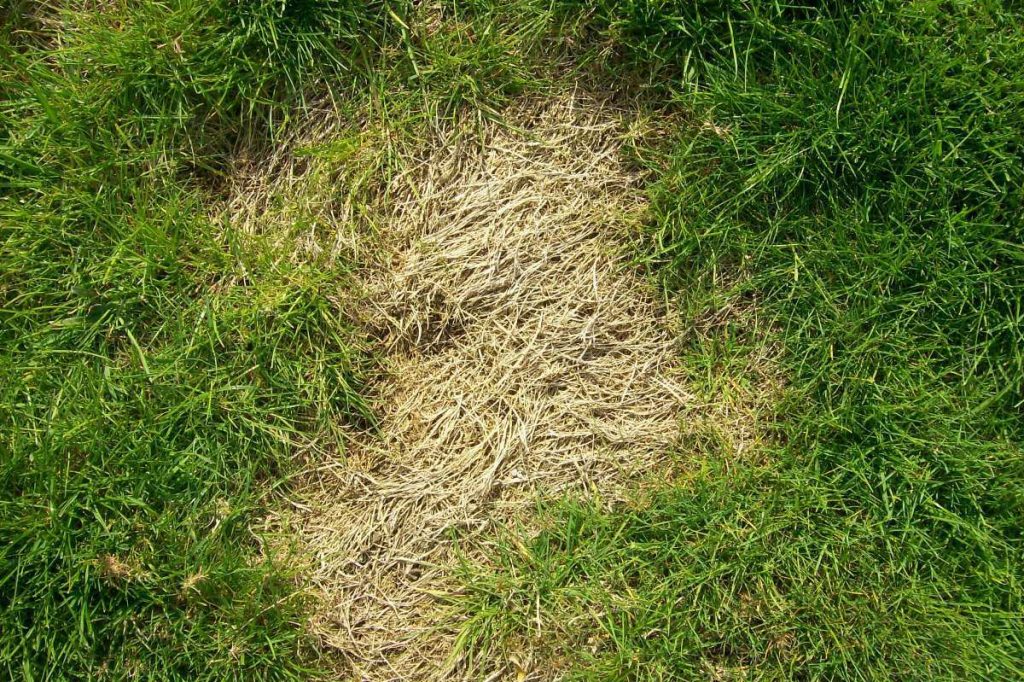
So you're wondering when should you treat for grubs. Whether you've spotted brown patches or you're just trying to stay ahead of the problem, timing is the single biggest factor that determines if your treatment actually works. Get it right, and one application protects your lawn all season.
Get it wrong, and you're throwing money at a product that won't touch the grubs in your yard.
The general rule most lawn professionals follow is this: preventive treatments go down in mid-May through late June, right around when soil temperatures hit 50 to 65 degrees Fahrenheit and eggs are hatching. Curative treatments come into play from late July through early September, after you've confirmed grubs are present and starting to cause visible damage. Let's walk through exactly how to figure out which scenario you're in.
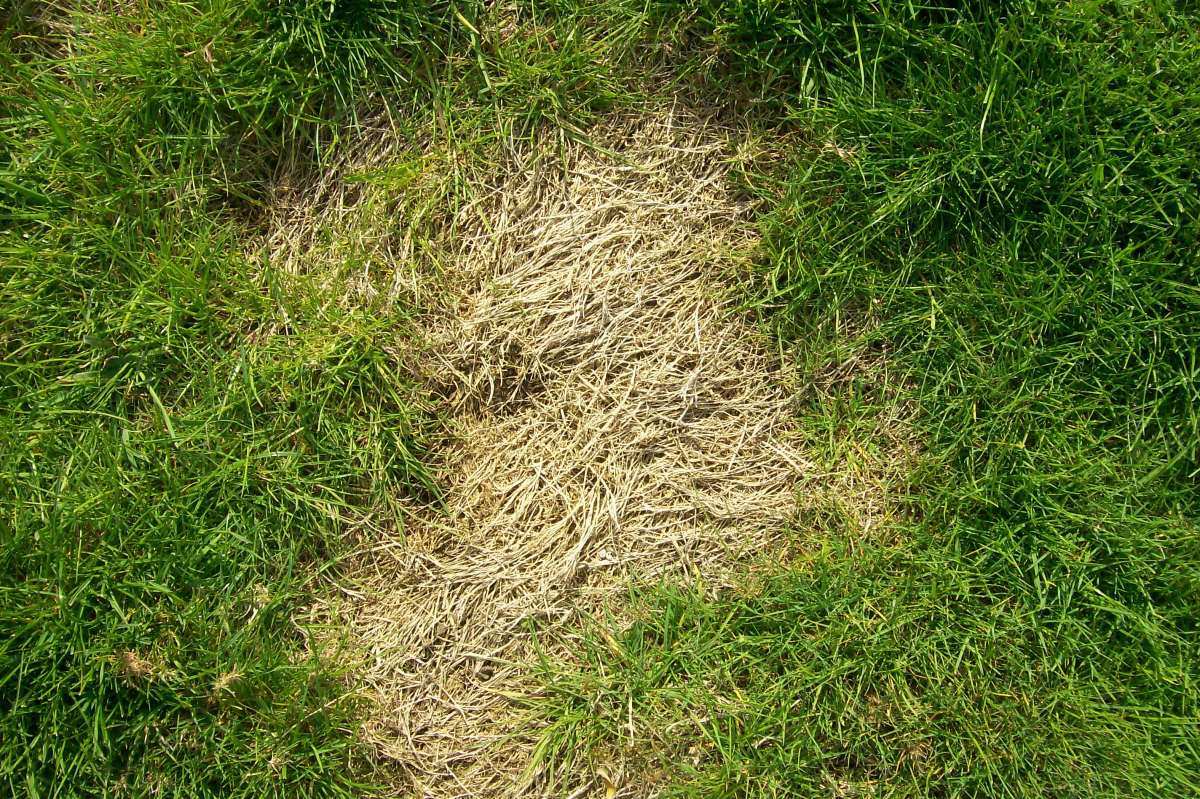
Image source: Bing (Web (fair-use with source credit))
Quick Answer
Apply preventive grub treatment between mid-May and late June. Target soil temperatures of 50 to 65 degrees Fahrenheit. Use curative treatment from late July through early September.
Only treat after confirming grubs are present. Scout your lawn before spending money on product.
Why Timing Is Everything With Grub Treatment
The Grub Life Cycle and Why It Dictates Your Timing
White grubs aren't just "grubs." They're the larval stage of several different beetles, and the most common ones in residential lawns include Japanese beetles, June bugs, European chafers, masked chafers, and billbugs. Each of these species follows roughly a one-year life cycle, but the specifics vary enough to make or break your treatment timing.
Here's how it works. Adult beetles lay eggs in the lawn during early to mid-summer. Japanese beetles typically lay eggs in July and August.
European chafers often start a bit earlier in late June and July. Those eggs hatch within a couple of weeks, and the tiny larvae, called first instars, start feeding on grass roots just below the soil surface.
This first instar stage is the critical window. The larvae are small, vulnerable, and close enough to the surface for preventive products to reach them effectively. As they grow into second and then third instars through late summer and fall, they get larger, tougher, and feed deeper in the soil.
By the time you see significant lawn damage, you're usually dealing with second or third instar grubs, which are much harder to kill.
The grubs feed through the fall, then burrow deeper into the soil to overwinter. In spring, they come back up and feed again for a short period before pupating into adult beetles. This spring feeding usually doesn't cause enough damage to worry about on established turf, though it can be a problem on thin or stressed lawns.
The key takeaway is this: the entire calendar of when grubs are vulnerable, active, and accessible to treatments is determined by soil temperature, not the calendar date alone. That's why experienced turf managers keep a soil thermometer handy and check it at a 2 to 4 inch depth regularly from late spring through early fall.

Image source: Bing (Web (fair-use with source credit))
Preventive vs. Curative: Two Completely Different Timing Windows
This is where most people go wrong. They grab a product and apply it whenever they happen to think about it, without understanding whether they need a preventive or curative approach. These use different chemicals.
They target different grub ages. Applying the wrong type at the wrong time wastes your money and doesn't solve the problem.
Preventive treatment is your insurance policy. You apply it before you have a confirmed grub problem, or when grubs are still tiny and just starting to hatch. The goal is to kill larvae in the first instar, before they grow large enough to cause visible damage.
For preventive timing, you're looking at mid-May through late June in most regions, depending on your local species and soil temperatures.
The most common preventive active ingredient as of 2026 is chlorantraniliprole, sold under the brand name GrubEx among others. It's a systemic product, meaning the grass takes it up through its roots and the grubs ingest it when they feed. It's effective because it works at extremely low rates and provides season-long control with a single application when timed correctly.
Imidacloprid, another preventive chemistry, is still used but faces restrictions in some states due to environmental concerns. It's worth checking your state's current regulations before purchasing products containing this active ingredient.
Curative treatment is your rapid response. You apply it after you've confirmed grubs are present and actively causing damage. The target here is second and third instar grubs, which are larger and tougher.
Curative products work fast but don't have the long residual of preventive products. They're designed to knock down an existing infestation, not protect for months.
The most common curative active ingredient is trichlorfon, sold under the brand name Dylox. It acts as both a contact and stomach poison, giving you relatively quick knockdown of active grubs. Timing matters even more with curative products because as grubs get larger and move deeper into the soil in late fall, they become increasingly difficult to reach.
There's a real cost difference between these approaches too. Preventive treatment typically runs $25 to $60 for a DIY application on a typical residential lawn. Curative treatment might require a second application if the infestation is heavy.
And if you wait until the damage is severe enough to need lawn renovation, you're looking at $0.50 to $2.00 per square foot to resod, which adds up fast on a 5,000 square foot lawn.
How to Know If You Actually Have Grubs (Before You Treat)
This might be the most important section in this entire guide. You'd be surprised how many people spend money on grub control for a problem they don't actually have. Brown patches in a lawn can come from dozens of causes: drought stress, fungal diseases like brown patch or dollar spot, dog urine damage, fertilizer burn, compacted soil, or even irrigation problems.
Grub damage has a few telltale signs that set it apart.
The first sign is usually irregular brown patches that start small and grow larger through late summer and early fall. Unlike drought stress, which tends to show up in a more uniform pattern across the yard, grub damage appears in random spots where feeding is concentrated. The grass will look wilted and stressed even if you've been watering regularly.
The second giveaway is the feel of the turf. Get down and press on the brown areas. If the grass feels spongy or lifts up easily like a loose carpet, that's a strong indicator of grub feeding underneath.
The roots have been chewed away, so the sod has lost its anchor. You can literally roll it back in affected areas.
The third sign is animal activity. Skunks, raccoons, and birds love grubs, and they'll tear up your lawn overnight digging for them. If you're finding patches of disturbed turf, especially in the morning, there's a good chance grubs are underneath and predators are taking advantage.

Image source: Bing (Web (fair-use with source credit))
The Soap Flush Test and Dig-and-Count Method
Not sure if it's grubs? Use one of these two scouting methods before you spend a dime on product. Both are simple enough for any homeowner to do.
The soap flush test brings grubs to the surface so you can see them directly. Mix 1 to 2 tablespoons of liquid dish soap into a gallon of water. Mark off a 1 to 2 square foot area of lawn where you suspect damage.
Pour the soapy water evenly over the marked area and wait about 10 minutes. If grubs are present, they'll wriggle up to the surface. Count how many you see.
This works because the soap irritates the grubs' skin and they move to escape it. It's not 100 percent effective in all soil types or conditions, but it's a solid first check. You'll get the best results when the soil is moist and temperatures are warm enough for grubs to be active near the surface.
The dig-and-count method is more reliable but takes a little more effort. Take a sharp spade or knife and cut a 1 by 1 foot square of sod in the damaged area. Peel it back carefully, like opening a trap door.
Look through the root zone and the top inch or two of soil for white grubs. Count them, then replace the sod and water it back in.
The damage thresholds most extension services use are straightforward. For cool-season grasses like fescue and Kentucky bluegrass, treatment is generally recommended when you find 5 to 10 grubs per square foot. For warm-season grasses, the threshold can be lower depending on the species and overall turf health.
| Method | Best For | Accuracy | Effort Level |
|---|---|---|---|
| Soap flush test | Quick initial check | Moderate | Low |
| Dig-and-count | Confirmation before treatment | High | Medium |
| Animal activity observation | Early warning indicator | Moderate (indirect) | Low |
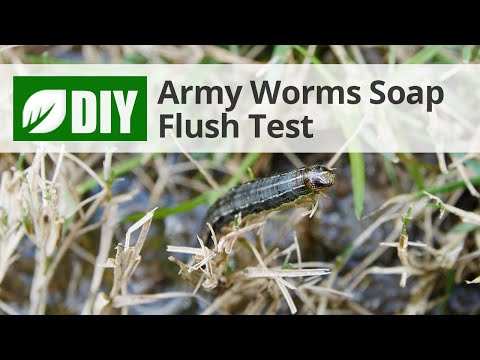
Image source: Bing (Web (fair-use with source credit))
If your grub count is below threshold and the lawn otherwise looks healthy, you can probably skip treatment this year and revisit the issue later. If it's at or above threshold and you're seeing active damage, move forward with a curative approach. If there are no grubs at all, you've got a different problem on your hands entirely.
The Decision Tree: Should You Treat, and When?
Step 1: What Time of Year Is It Right Now?
This is the single most important question. Everything else flows from here. The calendar and soil temperature tell you which treatment window you're in, and applying the wrong product for the current season is the number one reason grub treatments fail.
Late spring to early summer (May through June): You're in the preventive window. This is the ideal time to apply chlorantraniliprole-based products if you've had grub problems in previous years or if your neighborhood has a history of beetle pressure. Soil temperatures between 50 and 65 degrees Fahrenheit signal that adult beetles are active and eggs are being laid or just starting to hatch.
A preventive application now will protect your lawn through the entire feeding season.
Mid-summer (July through August): You've moved into curative territory. If you're seeing brown patches and confirming grubs through scouting, it's time for a curative product like trichlorfon. The grubs are still small enough to kill relatively easily, but they're growing fast.
Don't wait. Every week you delay, the grubs get larger and harder to control.
Early fall (September through October): This is the late curative window, and it's getting tight. Third instar grubs are large and feeding aggressively. You can still get control with curative products, but efficacy drops as the grubs move deeper into the soil.
If you're finding significant damage now, treat as soon as possible. If the damage is minor and the grubs are already starting to burrow deep, you may be better off planning a preventive application for next year.
Late fall through spring (November through April): Don't treat. The grubs are either too deep in the soil or too large for any product to work effectively. This is the time to identify what species you're dealing with, note where damage occurred, and plan your approach for the coming season.
Spring treatments are generally not recommended because the grubs are nearly mature and about to pupate. You'd be killing grubs that are about to become adults anyway, and the product won't carry over to protect against the next generation.
Step 2: Have You Confirmed Grubs Are Present?
Before you buy anything, scout your lawn. This step separates the people who solve their grub problem from the people who waste money treating a problem they don't have.
Yes, grubs confirmed and above threshold: Proceed to Step 3. You know what you're dealing with and treatment is justified.
No grubs found, but you've had damage in past years: Preventive treatment is a reasonable insurance policy. You know your property has a history of grub pressure, and applying a preventive product in the May to June window is a smart move. The cost of prevention is a fraction of the cost of lawn renovation.
No grubs found and no history of problems: Skip treatment this year. Monitor your lawn through the summer and fall. There's no reason to apply pesticides preventively if you have no evidence of pest pressure.
Save your money and revisit the question next season.
Step 3: What Species and What Size Are They?
Species identification matters more than most people realize. Different beetle species have slightly different life cycles, and the timing of egg hatch can vary by two to three weeks between species. If you're dealing with European chafers, your preventive window may be earlier than if you're dealing with Japanese beetles.
The easiest way to identify grub species is by looking at the raster pattern. That's the arrangement of hairs and spines on the underside of the grub's last abdominal segment. You'll need a hand lens or magnifying glass to see it clearly.
Japanese beetles have a distinctive V-shaped raster pattern. European chafers have two parallel rows of hairs. Masked chafers have a different pattern entirely.
For most homeowners, the practical question is simpler: are the grubs small and newly hatched, or are they large and well-fed? Small, pale grubs mean you're still in a window where preventive chemistry might work. Large, robust grubs with dark heads and visible gut contents mean you need curative chemistry.
Step 4: What's Your Turf Type and Damage Level?
Cool-season grasses like tall fescue, Kentucky bluegrass, and perennial ryegrass have lower damage thresholds. These grasses don't recover as quickly from root feeding, and even moderate grub populations can cause lasting damage. If you have cool-season turf and you're finding 5 or more grubs per square foot, treatment is warranted.
Warm-season grasses like Bermuda, zoysia, and St. Augustine vary in their tolerance. Bermuda and zoysia are aggressive growers and can often outpace moderate grub feeding.
St. Augustine is more sensitive and can show damage at lower thresholds. Centipede grass is also relatively sensitive to root damage.
The visible damage level matters too. If you're seeing scattered brown patches and the turf lifts easily, you have an active problem that needs attention. If the lawn looks healthy despite finding a few grubs during scouting, you may be below the treatment threshold and can hold off.
Choosing the Right Product for Your Situation
Preventive Products (Chlorantraniliprole / GrubEx)
Chlorantraniliprole is the go-to preventive active ingredient as of 2026. It works systemically, meaning the grass absorbs it through the roots and the grubs ingest it when they feed. It's effective at very low application rates and has a favorable environmental profile compared to older chemistries.
Apply it in mid-May through late June, timed to when soil temperatures reach 50 to 65 degrees Fahrenheit and eggs are hatching. The product needs to be watered in with 1/4 to 1/2 inch of irrigation to move the active ingredient into the root zone where grubs feed. One properly timed application provides season-long control.
The main limitation is that chlorantraniliprole doesn't work well as a curative treatment. If you already have large, actively feeding grubs, this product won't knock them down fast enough to prevent further damage. You need a different chemistry for that situation.
Curative Products (Trichlorfon / Dylox)
Trichlorfon is the standard curative option. It works as both a contact poison and a stomach poison, giving you relatively fast knockdown of active grubs. When you've confirmed an infestation and you're seeing damage, this is the product category you need.
Apply it from late July through August when grubs are active and feeding near the surface. Water it in thoroughly after application. The residual is shorter than preventive products, so you may need a second application if the infestation is heavy and grubs are still active two to three weeks later.
One important note: trichlorfon breaks down quickly in alkaline soil conditions. If your soil pH is above 7.5, you may get reduced efficacy. A simple soil test can tell you where you stand.
Biological Options: Nematodes and Milky Spore
Beneficial nematodes, specifically Heterorhabditis bacteriophora, are a biological control option that works against a range of grub species. These microscopic worms seek out grubs in the soil, enter their bodies, and release bacteria that kill the host. They're a good choice for homeowners who want to avoid synthetic pesticides.
The catch is that nematodes are living organisms and require specific conditions to work. Soil temperatures need to be between 55 and 85 degrees Fahrenheit. The soil must stay consistently moist for at least two weeks after application.
You apply them in the evening since they're sensitive to UV light, and you water the lawn before and after application.
Milky spore disease, caused by Paenibacillus popilliae, is another biological option but it's specific to Japanese beetle grubs only. It takes several years to establish in the soil and become effective, so it's a long-term strategy rather than a quick fix. Once established, it can persist for 10 to 15 years.
What About Imidacloprid (Merit)?
Imidacloprid was the gold standard for grub prevention for years. It still works in many situations, but it's facing increasing restrictions in some states due to concerns about its impact on pollinators and aquatic organisms. It's a neonicotinoid, a class of insecticides that has come under scrutiny for its environmental persistence and non-target effects.
If you're in a state where imidacloprid is still available and you've used it successfully in the past, it remains a viable preventive option. But chlorantraniliprole has largely replaced it as the preferred preventive chemistry due to its lower environmental impact and more targeted mode of action.
Common Mistakes That Make Grub Treatment Fail
Treating too late in the season. By the time you see widespread brown patches in September, the grubs are large and moving deeper. Curative products become less effective the longer you wait. The best curative results come from treating in July and August when grubs are still relatively small.
Not watering in granular products. This is probably the most common application error. Granular grub products need to be watered into the root zone where grubs are feeding. If you spread granules and leave them sitting on the surface, the active ingredient never reaches the target. Apply 1/4 to 1/2 inch of water within 24 hours of spreading.
Using preventive chemistry as a curative treatment. Chlorantraniliprole is designed to kill small, newly hatched larvae. It doesn't have the knockdown power to stop an active infestation of larger grubs. If you're seeing damage and confirming grubs, reach for a curative product, not a preventive one.
Treating without confirming grub presence. Brown patches don't always mean grubs. Drought, disease, compaction, and other issues can cause similar symptoms. Spend five minutes scouting before you spend money on product.
Ignoring species-specific timing. European chafers hatch earlier than Japanese beetles. If you're timing your preventive application based on Japanese beetle calendars but you actually have European chafers, you may be applying too late. Identify what species you're dealing with.
Applying when soil temperature is wrong. Soil temperature drives the entire grub life cycle. Applying preventive products before eggs have hatched means the product may degrade before the grubs are even present. Applying curative products when soil is too cold means grubs are too deep to reach.
Not reading the label for safety restrictions. Every product has specific instructions for re-entry intervals, pet safety, and environmental precautions. Chlorantraniliprole products generally allow lawn use once watered in and dry. Trichlorfon products may have longer restricted-entry periods. Always read the label.
Regional Timing Guide: When to Treat Based on Where You Live
Northeast and Mid-Atlantic (Zones 5–7)
Japanese beetles are the dominant species across this region. Adult beetles typically emerge in late June and July, with egg laying peaking in mid to late July. Eggs hatch within about two weeks, so first instar grubs are usually present by early to mid-August.
Preventive window: mid-May through late June, targeting the egg hatch period. Curative window: late July through August. European chafers are also present in some areas, particularly in older suburban neighborhoods near mature trees.
Their egg hatch can be two to three weeks earlier than Japanese beetles, so adjust timing accordingly if you've identified this species.
Midwest and Great Lakes (Zones 4–6)
Both Japanese beetles and European chafers are common here. The variable spring temperatures in this region make soil temperature monitoring especially important. A cool spring can delay egg hatch by two weeks compared to a warm spring.
Preventive window: mid-May through late June, but lean on soil temperature rather than calendar dates. Curative window: late July through August. Masked chafers are also present in some southern portions of this region, adding another species to the mix.
Southeast (Zones 7–9)
Masked chafers are the primary grub species in the Southeast, not Japanese beetles. This changes the timing significantly. Masked chafer adults emerge and lay eggs earlier in the season, often in late June.
Egg hatch can begin in early to mid-July.
Preventive window: late April through May in many areas. This is earlier than what most national lawn care calendars recommend, which is why regional guidance matters so much. Curative window: mid-July through August.
Warm-season turf like St. Augustine and centipede can show damage at lower thresholds than Bermuda or zoysia.
Mountain West and Pacific Northwest (Zones 4–8)
Grub pressure is generally lower in these regions, but localized hotspots exist, particularly in irrigated lawns near parks, golf courses, and green spaces. European chafers are the most common species in the Pacific Northwest, while Japanese beetle populations are expanding in the Mountain West.
Preventive window: follow local extension service recommendations, as the timing can vary significantly within short distances due to elevation and microclimate differences. Curative window: late July through August. In many cases, treatment may not be necessary at all if grub pressure is low.