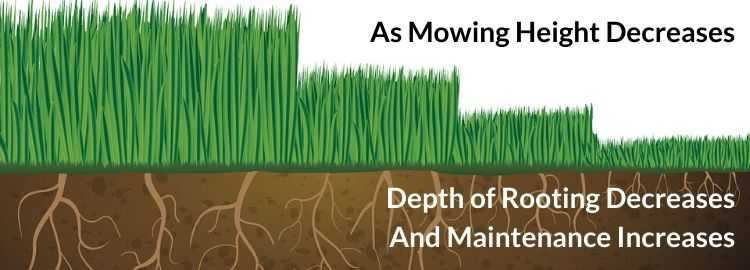
Trim your grass to about 2 to 3 inches before winter hits. This helps prevent snow mold and keeps your lawn healthy through the cold months. Don’t cut it too short, or you risk damaging the grass and inviting pests; but also avoid leaving it too long, which can lead to disease.
In short, mow your lawn to around 2-3 inches at the end of fall to prepare it for winter. This height balances protection and health, ensuring your grass survives harsh weather and comes back lush in spring. Knowing the right mowing height is key to maintaining a beautiful lawn year-round.
As winter approaches, many homeowners wonder whether they should keep mowing their lawns and, if so, how short they should cut the grass. The goal is to strike the perfect balance—cutting your grass enough to deter pests and minimize disease, but not so short that it weakens your turf or exposes it to winter damage. Generally, a final mow to about 2 to 3 inches is recommended, depending on your grass type and climate. Maintaining this height helps your lawn withstand snow cover, prevents fungi like snow mold, and ensures it stays healthy through the cold months so it’s ready to bounce back when spring arrives. Remember, a well-prepared lawn is the secret to a lush, green yard year after year.

How Short to Mow Lawn for Winter
Knowing the right height to mow your lawn before winter sets in is essential for maintaining a healthy yard. Mowing too high or too low can affect how well your grass survives the cold months. Proper mowing practices help prevent disease, promote strong root growth, and prepare your lawn for the spring.
Why Mowing Height Matters Before Winter
Adjusting your mower height as winter approaches protects your grass from damage caused by frost and snow. It also helps improve air circulation and reduces the chance of developing fungal diseases. A well-mowed lawn can recover quickly when spring arrives.
General Rule of Thumb for Winter Lawn Mowing
Most experts recommend mowing your lawn to a height of about 2.5 to 3 inches before winter. This height balances protecting the grass and promoting healthy root growth. However, the ideal height can vary based on the type of grass in your yard.
Different Grass Types and Their Mowing Needs
| Grass Type | Recommended Mowing Height for Winter | Additional Notes |
|---|---|---|
| Cool-season grasses (Kentucky bluegrass, Tall fescue, Perennial ryegrass) | 2.5 to 3 inches | Allowing these grasses to stay slightly taller helps them withstand cold temperatures. |
| Warm-season grasses (Bermuda, Zoysia, St. Augustine) | 1.5 to 2 inches | These grasses go dormant in winter; mowing height depends on health and local climate. |
How Short Should You Mow Your Lawn for Winter?
Setting your mower blade to cut grass to approximately 2.5 inches is generally ideal. For cooler climates with harsh winters, slightly taller grass (around 3 inches) offers extra protection. Always avoid cutting grass too short, which can weaken the plant and make it vulnerable to winter damage.
Why Not Cut Too Short?
Cutting your lawn too short exposes the grass crowns to frost, increasing the risk of winter kill. It also reduces the amount of leaf tissue needed for photosynthesis, which can hamper root development.
Why Not Keep It Too Tall?
Leaving grass too tall can create problems like matting under snow and increased pest habitat. Tall grass may also hold moisture longer, leading to disease issues.
Best Practices for Mowing for Winter
Follow these tips for the best winter lawn health:
- Maintain consistent mowing height as the season approaches.
- Check your mower blade’s sharpness for clean cuts.
- Remove clippings thoroughly to prevent mold and disease.
- Adjust mowing height gradually if your grass has been cut lower during the growing season.
Additional Tips for Lawn Care Before Winter
Fertilizing
Apply a slow-release fertilizer in late fall to strengthen roots and aid recovery in spring. Choose fertilizers with a higher potassium content for winter hardiness.
Watering
Reduce watering as temperatures drop, but ensure the soil remains moist. Proper hydration helps grass withstand cold stress.
Pest and Disease Management
Clear debris and dead grass to reduce pest habitats and prevent fungal growth. Use appropriate treatments if you notice signs of disease.
Timing Your Last Mow
The best time to mow for winter is when grass growth begins to slow down, typically in late fall. Avoid mowing when the ground is frozen or excessively wet to prevent soil compaction and damage.
Tools and Equipment for Proper Mowing
Keep your mower blades sharp for clean cuts. Consider using a reel mower or a rotary mower with adjustable height settings. Regularly check and maintain your equipment for optimal performance.
Common Mistakes to Avoid
- Cutting grass too short in late fall.
- Leaving grass too long before winter.
- Mowing when the ground is frozen or muddy.
- Neglecting to adjust mower height as seasons change.
Summary of Key Points
- Set mower height to about 2.5 to 3 inches for most cool-season grasses.
- Adjust mowing height based on grass type and climate conditions.
- Avoid cutting grass too short to prevent winter damage.
- Perform mowing as part of a comprehensive fall lawn care routine.
Related Topics to Consider
- How to prepare your lawn for winter
- Best grass seeds for winter resilience
- Fall lawn fertilization tips
- How to aerate your lawn before winter
Ensuring your lawn is mowed to the proper height before winter begins can make a significant difference in its health and appearance. By following these tips, you can help your grass survive the cold months and come back strong in spring. Consistent care and awareness of your grass type will lead to a lush, vibrant yard year after year.
#grass #height #winter #winterize #lawn #mowing #diy #yardwork #fall #cold #preparation
Frequently Asked Questions
What is the recommended mowing height for lawns before winter sets in?
It is best to mow your lawn to a height of about 2 to 2.5 inches before winter. This height helps protect the grass from harsh winter conditions while preventing disease and pest issues. Avoid cutting it too short, as shorter grass can become weakened and more vulnerable to damage during the colder months.
How does mowing height affect grass health during the winter?
Maintaining a moderate mowing height allows the grass to retain enough leaf surface for energy production through photosynthesis. Longer grass provides insulation against the cold and reduces stress, while overly short grass can expose the roots and make it harder for the turf to recover come spring. Keeping the grass at the right height supports its resilience over winter.
When is the best time to lower the mowing height for winter preparation?
Begin gradually lowering the mowing height in late fall, about four to six weeks before the first expected frost. Do this step-by-step to avoid stressing the grass excessively. Avoid cutting the grass too short in a single session, and always mow when the grass is dry to ensure clean cuts and healthy turf come winter.
Should I adjust mowing practices based on grass type for winter?
Yes, different grass types require different mowing heights for winter. Cool-season grasses, such as Kentucky bluegrass and fescues, should be kept at about 2 to 3 inches, while warm-season grasses, like Bermuda or zoysia, need to be cut lower—around 1 to 1.5 inches. Adjust your mowing height accordingly to promote health and winter preparedness for your specific grass type.
Final Thoughts
To prepare your lawn for winter, mow it shorter than usual to prevent disease and pest issues. Aim to cut the grass to about 2-3 inches to keep it healthy. Avoid cutting too short, as this can stress the grass and make it vulnerable.
Monitoring your lawn’s height ensures it stays resilient through the colder months. Remember, how short to mow lawn for winter directly impacts its recovery come spring. Keeping it properly trimmed offers protection and promotes healthy growth when warmer weather returns.