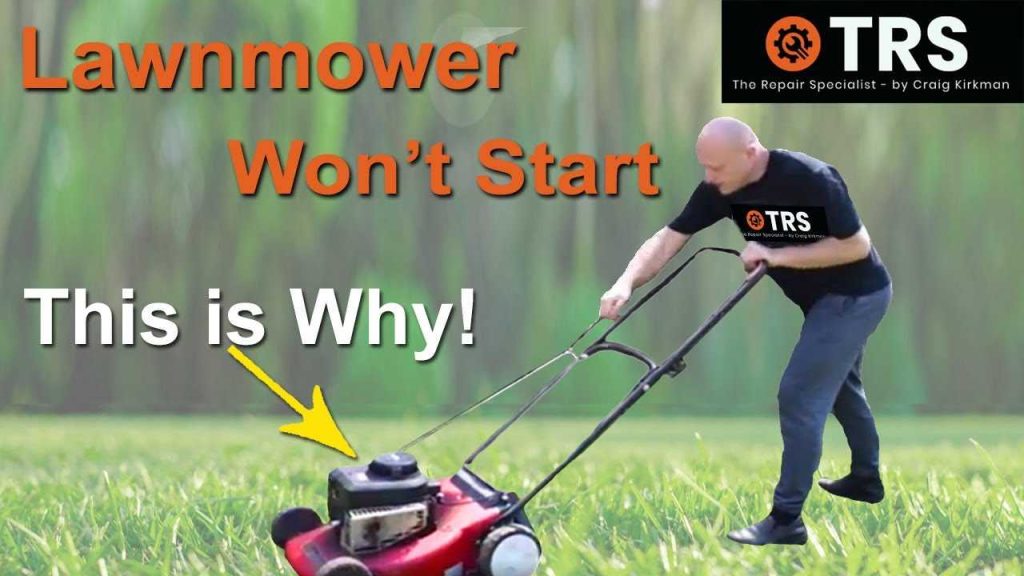
If your lawn mower refuses to start, don’t worry – a few simple steps can often diagnose and fix the issue quickly. First, check if it has enough fuel, a clean spark plug, and proper oil levels, as these are common culprits. Ensuring the mower’s blades aren’t jammed and inspecting the air filter can also make a big difference. If these basic checks don’t resolve the problem, a more in-depth inspection may be needed.
In just a few minutes, you can identify whether the issue is as simple as a clogged air filter or more complex like a faulty spark plug or carburetor. Regular maintenance and quick troubleshooting can save you time and money, getting your lawn looking neat again in no time.
Troubleshooting a lawn mower that won’t start involves checking the fuel supply, spark, and oil levels, inspecting for blockages or damage, and performing routine maintenance. These steps help pinpoint the cause and restore your mower’s performance quickly.

How to troubleshoot lawn mower that won’t start
Initial Checks Before Troubleshooting
When your lawn mower refuses to start, the first step is to perform simple tests. Check if the fuel tank has enough gasoline and if the mower’s safety features are engaged. Make sure the parking brake is released and the blade control lever is in the correct position. Sometimes, these small issues prevent the mower from starting.
Inspect the Spark Plug
The spark plug delivers the spark needed for ignition. Remove the spark plug and examine it for dirt or corrosion. If the spark plug is dirty or worn out, clean it with a wire brush or replace it. A faulty spark plug is a common reason why a mower won’t start.
Testing the Spark Plug
To test the spark plug, connect it back to the wire and hold the metal part against the engine block. Pull the starter cord and look for a spark. No spark indicates the spark plug or ignition system may need repairs or replacement.
Check the Fuel System
Fuel issues are a frequent cause of starting problems. Inspect the fuel tank for old or stale gasoline and drain it if necessary. Use fresh, clean gasoline with the proper octane level for optimal operation. Stale fuel can cause the engine to sputter or not start at all.
Examine the Fuel Filter and Lines
Clogged fuel filters or lines can block fuel flow. Remove the filter and inspect it for debris. Clean or replace it if contaminated. Also, check the fuel lines for cracks or blockages and replace damaged parts.
Inspect the Air Filter
A dirty air filter can choke the engine, making it impossible to start. Remove the air filter and check for dirt or debris. Clean it with soap and water or replace it if it’s too dirty or damaged.
Cleaning or Replacing the Air Filter
A clean air filter ensures proper airflow. Regular maintenance includes cleaning or replacing the filter every season or after heavy use. Proper airflow is essential for engine combustion.
Examine the Carburetor
The carburetor mixes air and fuel for combustion. If it’s clogged or dirty, the engine may not start. Remove the carburetor and inspect it for dirt or deposits. Clean it carefully with carburetor cleaner and ensure all parts move freely.
Adjusting the Carburetor
Sometimes, carburetor adjustment screws need slight tweaking. Follow the manufacturer’s instructions to fine-tune the mixture for easier starting. If you’re unsure, consider consulting a professional.
Check the Oil Level
Low or dirty oil can prevent the engine from starting or damage it. Ensure the oil level is within the recommended range. Change the oil if it appears dark, thick, or contaminated.
How to Check and Change Oil
Remove the oil fill cap and check the level with a dipstick or sight window. Add oil in small amounts until the correct level is reached. Regular oil change prolongs engine life and keeps the mower running smoothly.
Inspect the Safety Features
Most mowers have safety mechanisms that prevent starting unless engaged correctly. Make sure the safety switch is in the correct position and that all safety levers are activated. Bypassing these features can cause starting issues.
Testing Safety Switches
Disengage and re-engage safety switches, ensuring they function properly. If a switch is faulty, it may need replacement. Avoid starting the mower if safety features are not working correctly.
Check the Battery (For Electric or Battery-Start Mowers)
If your mower has a battery, ensure it’s charged. Dead batteries won’t supply power to start the engine. Use a multimeter to check volts or try jump-starting the mower with another battery.
Charging or Replacing the Battery
Charge the battery fully or replace it if it’s old or no longer holds a charge. Properly maintained batteries ensure reliable starting, especially in electric mowers.
Consider Environmental Factors and External Conditions
Extreme weather, such as cold temperatures, can affect starting. Allow the mower to warm up or use starting fluid if needed. Also, check if recent maintenance or storage issues may have impacted performance.
Understanding Common Troubleshooting Mistakes
Avoid neglecting regular maintenance tasks or using improper fuel mixtures. Overfilling the oil or forcing the starter can cause damage. Carefully follow the manufacturer’s recommendations for maintenance and troubleshooting.
When to Seek Professional Help
If all troubleshooting steps fail, or if you notice strange noises or engine damage, consult a professional. Proper diagnosis prevents further damage and ensures your mower runs safely and efficiently.
Summary of Troubleshooting Steps
- Ensure sufficient fuel and safety features are disengaged
- Inspect and clean or replace spark plug
- Check fuel system including tank, filter, and lines
- Clean or replace air filter
- Inspect carburetor and adjust if necessary
- Verify oil level and quality
- Test safety switches and mechanisms
- Check and charge the battery if applicable
- Consider external factors like climate or storage issues
Preventative Maintenance Tips
Regular maintenance helps avoid starting problems. Change oil and filters seasonally, keep the blades sharp, and store fuel properly. Clean the mower after each use to keep parts in good condition.
Final Advice for Troubleshooting
Take your time during troubleshooting, and don’t rush. Be systematic and check each component thoroughly. Proper care and maintenance will keep your lawn mower reliable and ready to use when you need it.
Frequently Asked Questions
What should I check if my lawn mower’s engine doesn’t turn over?
First, ensure the safety switch or safety key is engaged properly. Inspect the battery or spark plug connections for corrosion or looseness. Confirm that the fuel valve is open and enough fuel is present. Additionally, verify that the oil level is sufficient and that no debris is blocking the air filter or carburetor. These steps help identify simple issues preventing the engine from turning over.
How can I determine if the spark plug is causing starting problems?
Remove the spark plug and examine it for signs of wear, fouling, or damage. Clean the electrode with a wire brush if it appears dirty. Check for a strong spark by reconnecting the plug to the ignition wire, grounding it against the engine, and pulling the starter cord. If no spark appears, replace the spark plug with a new one and test again. A faulty or dirty spark plug often prevents the engine from starting.
What are the steps to troubleshoot carburetor issues on a lawn mower?
Start by inspecting the carburetor for clogs or dirt buildup. Remove the air filter and check for blockages. If the mower still doesn’t start, consider cleaning the carburetor thoroughly with carburetor cleaner. Ensure that the fuel supply is flowing properly and that the fuel lines are not cracked or blocked. Sometimes, old or stale fuel can cause starting problems, so draining and replacing the fuel may help. Proper carburetor maintenance ensures smooth fuel flow for reliable starts.
Final Thoughts
How to troubleshoot lawn mower that won’t start can be straightforward if you check the basics. First, examine the spark plug for dirt or damage and replace it if necessary. Next, ensure the fuel tank has fresh fuel and the carburetor isn’t clogged. Inspect the air filter and clean or replace it to improve airflow.
Confirm the safety switches are engaged and the blade is disengaged to prevent safety shutdowns. If these steps don’t work, consider checking for a faulty ignition coil or low oil levels, which may prevent starting.
In conclusion, troubleshooting lawn mower that won’t start involves a systematic review of spark, fuel, air, and safety features. Address these key areas to quickly identify and fix the issue, restoring your mower’s performance efficiently.