To determine how much to charge to mow a lawn, start by considering the size of the yard, the complexity of the terrain, and your local market rates. Typically, prices range from $30 to $80 for standard residential lawns, with larger or more intricate properties costing more. Setting a fair price not only ensures you cover your expenses but also keeps clients happy and coming back.
The right amount to charge depends on factors like lawn size, terrain difficulty, and local competition. Properly pricing your service helps you stay profitable while offering value to your customers. Keep reading for tips on how to set the perfect rate for your lawn mowing business.
If you’re wondering how much to charge for mowing a lawn, the best approach is to assess the yard’s size and complexity, then compare local prices. Charging a fair rate ensures steady business growth and satisfied clients.
Getting the pricing just right can seem tricky, but it’s essential for a successful lawn care business. By understanding the key factors and market standards, you can confidently set rates that attract customers and earn a good income. Whether you’re just starting out or adjusting your prices, this guide will help you find that perfect balance.

How Much to Charge to Mow a Lawn
Understanding the Basics of Lawn Mowing Pricing
Setting the right price for mowing a lawn involves several factors. First, you need to consider the size of the yard. Larger lawns take more time and effort, so they generally cost more to mow. Also, look at the complexity of the terrain and any obstacles like trees or flower beds, which may increase your workload.
Another important aspect is the frequency of mowing. Customers who require weekly service might expect a different rate than those needing monthly cuts. Establishing a clear pricing structure helps you remain consistent and fair. Remember, the goal is to set a rate that covers your costs while providing a profit.
Factors Influencing Lawn Mowing Prices
Many variables can affect how much you should charge. For example, the type of grass can be a major factor—thick, dense grass might take longer to cut. The height of the grass at the time of mowing also matters; longer grass often requires more effort.
The condition of the lawn is crucial—they may have weeds or uneven patches that complicate mowing. Equipment used is another consideration; commercial-grade mowers may have higher operating costs than basic models. Weather conditions can also influence pricing, especially if it has been rainy, making mowing more difficult.
Standard Pricing Ranges for Lawn Mowing
Most lawn mowing services charge between $30 and $80 for a standard-sized yard. Smaller lawns up to a quarter-acre typically fall in the lower end of the spectrum. Larger lawns or properties exceeding half an acre often cost between $60 and $100 or more.
Some professionals use a per-hour rate, usually between $30 and $80, depending on experience and location. Others prefer a flat rate based on lawn size, which simplifies billing and helps customers understand costs upfront. Using a combination of both methods can also work well.
How to Calculate Lawn Mowing Costs Based on Yard Size
A straightforward way to determine a fair price is by measuring the lawn. A typical calculation involves estimating the total area in square feet or acres.
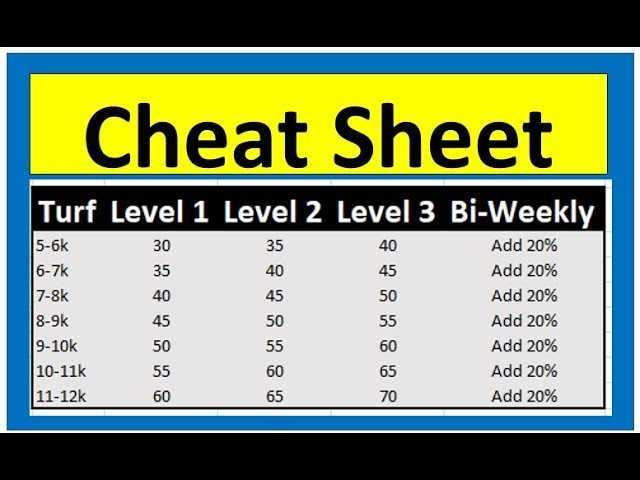
For example, a lawn of 5,000 square feet might be priced around $30 to $50. Larger lawns, such as 10,000 square feet, could be scheduled at $60 to $80. Use a simple table to visualize this:
| Yard Size | Estimated Price Range |
|---|---|
| Up to 1/4 acre (10,890 sq ft) | $30 – $50 |
| 1/4 to 1/2 acre (10,890 – 21,780 sq ft) | $50 – $70 |
| More than 1/2 acre | $70 and up |
This method ensures you are charging based on the actual size of the lawn while remaining competitive.
Additional Charges for Extra Services
Some lawns may require extra work beyond basic mowing. These include edging, trimming, or debris removal.
For these services, consider adding a fixed fee or an hourly rate. For example:
- Edge trimming: $10 to $20 per yard
- Debris removal: $15 to $30, depending on debris volume
- Applying fertilizer or weed control: additional charges based on product costs and labor
Communicating these extra charges upfront helps manage customer expectations and prevents misunderstandings.
Regional Variations in Lawn Mowing Prices
Prices can fluctuate based on your geographic location. Urban and suburban areas tend to have higher rates due to higher living costs and demand. Conversely, rural areas often see lower prices because properties tend to be larger, but mowing may take more time.
Research local competitors to find a typical range for your area. Check online listing sites, ask fellow lawn care providers, and review community boards for current market rates.
Pricing Strategies for New Lawn Care Businesses
New businesses often use competitive pricing to attract initial clients. Offering introductory rates or discounts for the first few lawns can help build your reputation.
As your experience grows, adjust your prices gradually. Ensure your rates cover expenses and provide a profit margin. Consider loyalty programs or package deals for regular customers to encourage repeat business.
Pricing Tips for Maximizing Profitability
To improve your earnings:
- Charge more for larger or more difficult lawns.
- Offer bundled services like mowing, trimming, and fertilizing for a set price.
- Plan routes efficiently to save time and fuel costs.
- Maintain equipment well to prevent costly repairs and downtime.
Pricing should reflect your skill level, the quality of service, and the costs involved. Remember, fair pricing encourages customer loyalty and repeat business.
Determining how much to charge to mow a lawn involves balancing your costs, competition, and the level of service provided. By understanding yard size, terrain complexity, and regional rates, you can set fair prices that sustain your business. Keep your rates transparent and consistent, and always consider adding value through additional services. Proper pricing not only helps cover expenses but also ensures your lawn care operation thrives in a competitive market.
Easiest Way To Price Your Lawn Mowing Service | How To Charge
Frequently Asked Questions
What factors influence the pricing for lawn mowing services?
The cost of mowing a lawn depends on various factors such as the size of the lawn, the complexity of the landscape, the location, and any additional services needed. Larger lawns naturally require more time and effort, increasing the price. If the terrain is uneven or has obstacles like trees and flower beds, the price may be higher due to increased difficulty. Additionally, regional pricing trends and the level of experience of the lawn care provider can also affect the final charge.
How can I estimate the cost of lawn mowing for my property?
To estimate the cost, measure the lawn’s square footage or acreage. Check local market rates for lawn care services in your area. Many providers charge a flat rate for small to medium-sized yards, while larger properties are often charged based on the total area. Consider requesting quotes from multiple service providers to compare prices and ensure you receive a fair rate. Keep in mind that factors like lawn condition and specific service requests might influence the final quote.
Are there standard rates for mowing different lawn sizes?
While rates vary by region and provider, typical pricing ranges from $25 to $50 for lawns up to a quarter-acre. Medium-sized lawns, around half an acre, usually cost between $40 and $70. For larger properties exceeding an acre, prices can range from $100 or more, depending on the complexity and additional services required. Many service providers offer discounted rates for recurring mowing services or package deals for multiple visits.
What additional charges might affect the overall cost?
Extra charges may include removal of debris or weeds, edging and trimming, or special equipment use. If the lawn has tall grass that requires more effort, expect an increased fee. Difficult terrain, such as hilly areas or rocky soil, can also add to the cost. Some providers may charge extra for services outside their standard offerings or for appointments scheduled during peak seasons or special requests.
Final Thoughts
Pour déterminer combien facturer pour tondre une pelouse, évaluez la taille du terrain et la complexité du travail. Les jardins plus grands ou aux zones difficiles prennent plus de temps et justifient des tarifs plus élevés. Considérez également la région et les prix du marché local pour fixer un tarif compétitif.
En général, les tarifs varient entre 25 et 80 euros par visite, selon ces facteurs. Il est crucial d’établir un prix qui couvre vos coûts tout en restant attractif pour les clients.
how much to charge to mow a lawn dépend de plusieurs éléments, mais en restant clair et juste, vous offrez un service qui répond aux besoins. Fixez un tarif adapté pour assurer votre rentabilité tout en satisfaisant votre clientèle.