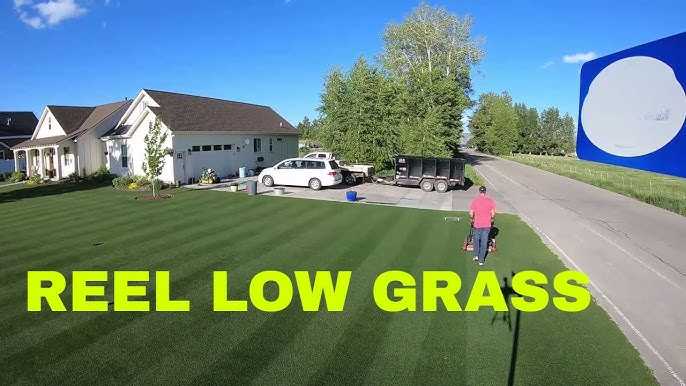
The ideal cutting height for Kentucky bluegrass is typically around 2.0 to 2.5 inches. Cutting your lawn at the right height encourages healthy growth, prevents pests, and keeps your yard looking lush and vibrant. But how short should you go? The quick answer is to keep it between 2 and 2.5 inches for most blends and conditions. If you cut it too short, you risk stressing the grass, making it vulnerable to disease and drought. Conversely, cutting too high can lead to thatch buildup and poor appearance. Finding the perfect balance ensures your Kentucky bluegrass stays healthy, resilient, and beautiful throughout the season. Proper mowing is key to maintaining an inviting, picture-perfect lawn that you’ll be proud of.

How Short Should You Cut Kentucky Bluegrass?
Understanding Kentucky Bluegrass and Its Growth Habits
Kentucky Bluegrass is a popular cool-season grass known for its lush green color and fine texture. It thrives in cooler temperatures and requires proper mowing to stay healthy and attractive. Unlike some grasses, Kentucky Bluegrass has a dense root system that helps it recover quickly from damage. To keep it looking its best, understanding how short to cut it is essential.
Kentucky Bluegrass grows actively during spring and fall, with slower growth in summer. It spreads through rhizomes, creating a dense mat that helps it resist weeds and pests. Proper mowing can promote thick growth and prevent thatch buildup. Knowing its growth habits allows you to set the right mowing height for optimal health.
Why Mowing Height Matters for Kentucky Bluegrass
Mowing height influences turf health, appearance, and resilience. Cutting the grass too short can weaken the plant by exposing its roots and making it more vulnerable to droughts, diseases, and weeds. Conversely, cutting it too tall can cause thatch buildup, which can suffocate the grass and promote pests.
Maintaining the correct mowing height encourages dense growth, strengthens roots, and improves drought tolerance. It also enhances the overall look of your lawn, giving it a vibrant, uniform appearance. An optimal mowing height balances beauty and health, ensuring your Kentucky Bluegrass stays vigorous through changing seasons.
Recommended Cutting Height for Kentucky Bluegrass
The ideal cutting height for Kentucky Bluegrass generally falls between **2.0 and 3.0 inches**. Keeping grass within this range helps the turf develop stronger roots and resist environmental stress.
During the active growing season, it is best to aim for a height around **2.5 inches** to promote healthy growth. In hotter, drier periods, raising it slightly to **3.0 inches** offers better drought resistance. During cooler months, maintaining this height helps the grass stay resilient and green.
For lawn care enthusiasts, a consistent mowing height within this range is key. Adjustments may be needed based on local climate, soil type, and lawn usage.
How to Achieve the Perfect Mowing Height
Getting the perfect cut involves more than just setting the mower height. Here are some tips:
- Use sharp blades: Dull blades tear grass rather than cut, leading to brown tips and increased vulnerability.
- Adjust mower height regularly: Change the deck setting according to the season and growth rate.
- Follow the one-third rule: Never remove more than one-third of the grass blade in a single mow to prevent stress.
- Mow frequently: During vigorous growth periods, mow once a week to keep the height consistent.
- Vary mowing heights seasonally: Slightly raise the cutting height in summer to reduce stress and lower it in spring and fall for a tidy look.
Maintaining sharp blades and proper mowing techniques ensures your Kentucky Bluegrass stays healthy and attractive.
Benefits of Proper Mowing Height
Keeping Kentucky Bluegrass at the correct height offers many advantages:
- Healthier root systems: Longer blades promote deeper roots that access water and nutrients more efficiently.
- Improved drought tolerance: Taller grass shades soil, reducing water loss and heat stress.
- Resistance to weeds: Dense, healthy turf crowds out invasive weeds.
- Enhanced appearance: A uniformly cut lawn looks lush and inviting.
- Reduced disease risk: Proper height prevents moisture buildup that can lead to fungal infections.
Investing in the right mowing height results in a more durable and appealing lawn year-round.
Potential Risks of Cutting Kentucky Bluegrass Too Short
Mowing too low can cause significant issues for Kentucky Bluegrass. When you cut below **2.0 inches**, you risk:
Stress and Weakening of Grass
Shorter grass exposes more of the crown and roots, making it harder for the plant to recover. It may also dry out more quickly, especially during hot weather. This stress can lead to thinning turf and bare patches.
Increased Pest and Disease Risk
Cutting too short reduces the plant’s natural defenses, making it susceptible to fungal diseases and pest invasions. Thinned grass also invites weeds, which compete with the bluegrass for nutrients.
Soil Erosion and Poor Growth
A very short cut reduces the canopy that protects soil from erosion. It also limits photosynthesis, leading to weaker growth and less vigorous recovery after damage.
How to Correctly Cut Kentucky Bluegrass
Ensuring a proper mow involves several important steps:
- Adjust mower height: Set the cutting deck to at least **2.0 inches** or higher.
- Remove no more than one-third: Reduce grass height gradually if needed.
- Monitor growth: Mow frequently enough to avoid removing too much at once.
- Use the right mower blades: Keep blades sharp for clean cuts.
- Choose the right season: Cut higher in summer, lower in spring and fall, within the recommended range.
Following these steps will help your lawn stay healthy and strong while maintaining a neat appearance.
Seasonal Adjustments for Mowing Kentucky Bluegrass
Your mowing practices should adapt to seasonal changes:
Spring
Set the mower to about **2.5 inches** to stimulate strong growth after winter dormancy. Frequent mowing encourages dense turf.
Summer
Raising the height to around **3.0 inches** helps prevent heat stress and dehydration. Avoid cutting more than one-third of the grass height.
Fall
Maintain at **2.5 inches** to promote root growth and prepare for winter dormancy. Keep mowing frequency consistent.
Winter
In colder climates, mowing decreases as growth slows. Keep the grass at the upper limit of the recommended height to protect roots from cold.
Tools and Equipment for Proper Mowing
Using the right tools enhances mowing effectiveness:
| Mower Type | Features to Look For |
|---|---|
| Push mower | Adjustable deck height, sharp blades, lightweight design |
| Riding mower | Multiple height settings, easy to control, suitable for large lawns |
| Electric trimmer | Precision trimming for edges and hard-to-reach spots |
Choosing equipment that allows precise height control ensures your Kentucky Bluegrass remains healthy.
Common Mowing Mistakes to Avoid with Kentucky Bluegrass
Avoid these mistakes to protect your lawn:
- Cutting too short: As mentioned, cutting below **2.0 inches** stresses the grass.
- Leaving clippings on the turf: Clippings can smother grass if not removed or mulched properly.
- Using dull blades: Dull blades tear grass, leaving ragged edges vulnerable to disease.
- Inconsistent mowing: Irregular mowing can lead to uneven growth and appearance.
- Skipping mowing during peak growth: Delay in mowing can cause thatch buildup and uneven height.
Being mindful of these pitfalls helps maintain a healthy, attractive lawn.
Additional Tips for Healthy Kentucky Bluegrass
Beyond mowing, other practices support turf health:
- Proper watering: Water deeply but infrequently to encourage deep root growth.
- Fertilization: Use a balanced fertilizer tailored to Kentucky Bluegrass needs.
- Aeration: Loosen soil periodically to improve air and water movement.
- Overseeding: Fill in bare patches to maintain dense turf.
- Pest management: Monitor for common pests and treat promptly.
Combining these practices with correct mowing height maximizes the beauty and durability of your lawn.
In conclusion, maintaining Kentucky Bluegrass at the right height is crucial for its health and appearance. Keeping it between **2.0 and 3.0 inches** promotes strong roots, resilience, and lush green growth. Regularly adjusting your mower to this range, along with proper techniques and seasonal adjustments, helps keep your lawn inviting and healthy throughout the year.
Kentucky Bluegrass Pros and Cons
Frequently Asked Questions
What factors influence the ideal cutting height for Kentucky bluegrass?
Several factors determine the appropriate mowing height for Kentucky bluegrass, including the type of lawn, climate conditions, and intended use. For example, a lawn in a cooler climate may benefit from a slightly higher cut to protect the grass roots, while a lawn used frequently for recreation might require a lower cut to keep it looking tidy. Also, soil health and grass density can influence whether you should mow higher or lower. Adjusting your mowing height based on these conditions helps maintain healthy, dense turf.
How can mowing height affect the health of Kentucky bluegrass?
Mowing at the correct height encourages strong root growth and improves drought resistance. If you cut Kentucky bluegrass too short, it can stress the plants and make them more susceptible to pests and diseases. Conversely, mowing too high can lead to thatch buildup and reduce sunlight exposure, hindering growth. Striking a balance by maintaining an optimal height helps keep the grass healthy and vibrant throughout the season.
What is the optimal mowing height for Kentucky bluegrass during different seasons?
During peak growing seasons like spring and fall, keep Kentucky bluegrass between 2.0 to 2.5 inches tall to promote healthy growth. In hot summer months, raising the cutting height to around 3 inches can help retain moisture and protect the roots from heat stress. Adjusting your mowing height according to seasonal changes supports the grass’s ability to withstand weather extremes and stay lush.
How often should you mow Kentucky bluegrass to maintain the proper height?
Typically, mowing every 5 to 7 days ensures you do not remove more than one-third of the grass height at once, promoting healthy growth. During periods of rapid growth in spring and fall, you may need to mow more frequently. Regular mowing prevents the grass from becoming too tall, which can shade out lower blades and weaken the turf. Consistent mowing helps achieve and maintain the recommended height for optimal lawn health.
What equipment settings are recommended for cutting Kentucky bluegrass at the right height?
Use a sharp mower blade set to the desired height, usually between 2 to 3 inches depending on the season. Check your mower’s height adjustment settings regularly to ensure precision. For best results, avoid cutting more than one-third of the grass blade in a single session, as this reduces stress on the plants. Proper equipment maintenance and correct height settings make it easier to keep Kentucky bluegrass healthy and aesthetically pleasing.
Final Thoughts
To conclude, how short should you cut kentucky bluegrass depends on the season and your lawn’s needs. During the growing season, keep it around 2.5 to 3 inches for healthy roots and drought resistance. In hotter months, raising the height helps conserve moisture. Always avoid cutting more than one-third of the grass height at once. Maintaining proper mowing height encourages stronger growth and a lush lawn.