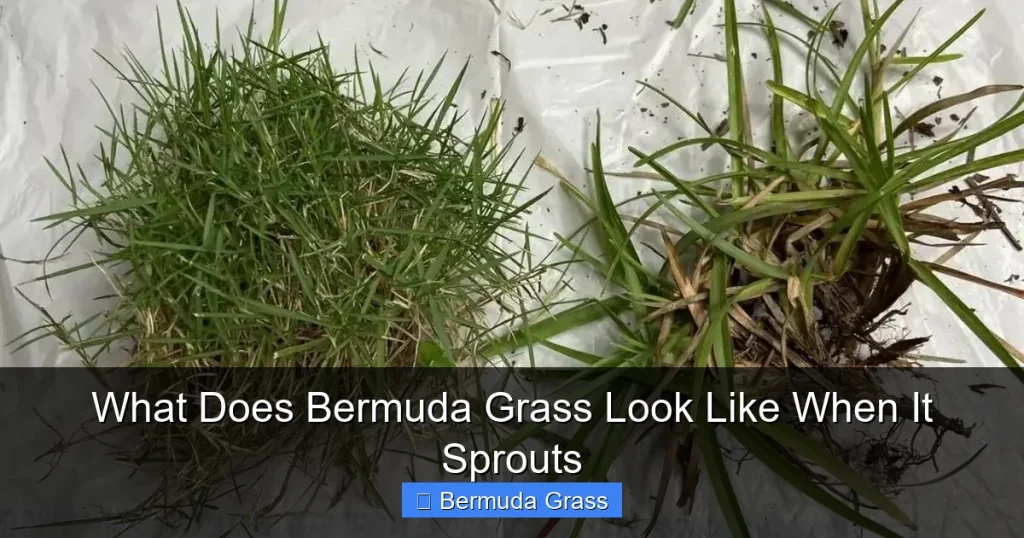
If you’re wondering what Bermuda grass looks like when it sprouts, you’re in the right place. This guide covers visual cues, growth stages, and tips to identify young Bermuda grass easily. Whether you’re overseeding or starting a new lawn, knowing what to look for helps ensure healthy growth from the start.
Key Takeaways
- Early Sprouts: Bermuda grass sprouts appear as tiny, thin, light green blades emerging from the soil.
- Color and Texture: The young grass is usually bright green and soft to the touch.
- Growth Pattern: Sprouts grow in clusters and spread out as they develop into a dense turf.
- Timing: Bermuda grass typically sprouts within 7-14 days after planting or overseeding.
- Identification Tips: Look for fine, narrow blades with a slightly shiny appearance.
- Growth Challenges: Poor soil, insufficient water, or shade can delay sprouting or cause uneven growth.
Introduction
Are you planting Bermuda grass or overseeding your lawn? One of the first signs of successful growth is spotting the tiny sprouts emerging from the soil. But what does Bermuda grass look like when it sprouts? Knowing how to identify these early signs helps you care for your lawn properly and ensures healthy, lush grass. In this guide, we’ll walk through what Bermuda grass looks like when it sprouts, how to recognize it, and tips for encouraging healthy growth.
Understanding Bermuda Grass Sprouts
Bermuda grass is a warm-season grass that thrives in hot climates. When it begins to sprout, it goes through a delicate stage where tiny blades emerge from the soil. Recognizing these early signs is crucial for watering, fertilizing, and avoiding damage. Let’s explore how Bermuda grass sprouts and what visual cues to look for.
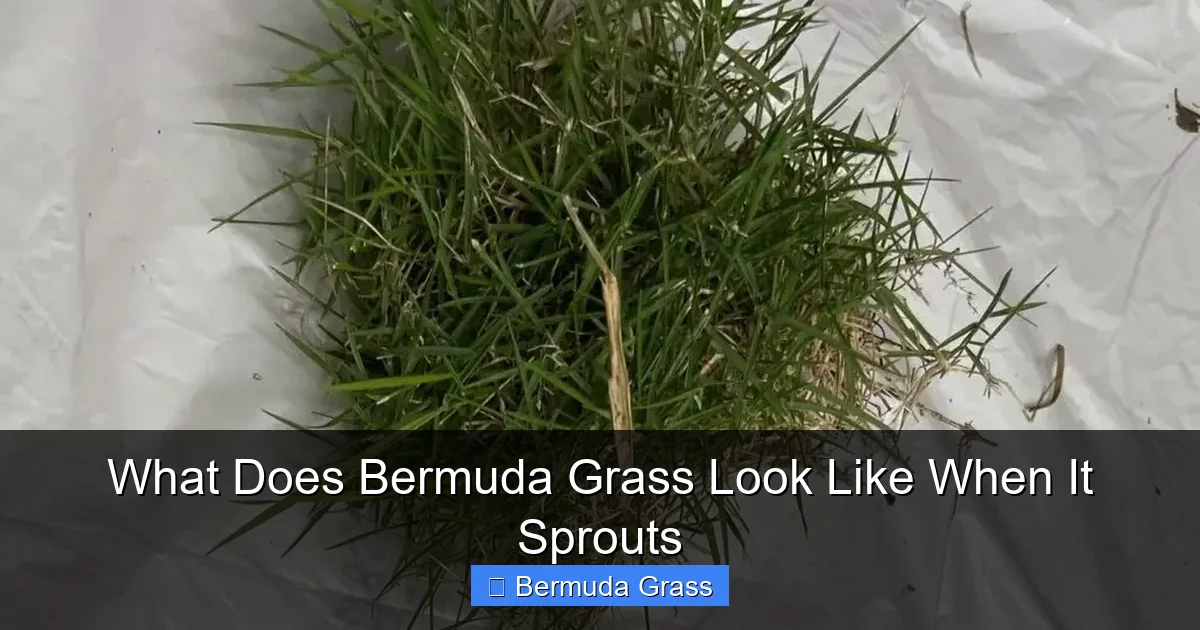
Visual guide about What Does Bermuda Grass Look Like When It Sprouts
Image source: batonrougesod.com
Step 1: Know the Ideal Sprouting Time
When does Bermuda grass sprout?
Bermuda grass typically sprouts within 7 to 14 days after planting or overseeding. The exact timing can vary based on soil temperature, moisture, and seed quality. Warmer soil temperatures (around 65-70°F or 18-21°C) promote faster germination.

Visual guide about What Does Bermuda Grass Look Like When It Sprouts
Image source: batonrougesod.com
To ensure successful sprouting, plant Bermuda grass during late spring or early summer when soil temperatures are optimal.
Step 2: Prepare the Soil for Optimal Sprouting
Steps for soil preparation
- Clear debris: Remove weeds, rocks, and dead grass from the planting area.
- Loosen soil: Use a rake or tiller to break up compacted soil, promoting better seed-to-soil contact.
- Level the surface: Rake the soil smooth to ensure even seed distribution and moisture retention.
- Amend soil if needed: Add compost or fertilizer to provide nutrients for young sprouts.
Proper soil preparation creates an ideal environment for Bermuda grass to sprout quickly and uniformly.
Visual guide about What Does Bermuda Grass Look Like When It Sprouts
Image source: 3.bp.blogspot.com
Step 3: Planting Bermuda Grass Seeds
How to plant seeds effectively
- Seed quantity: Use about 1 to 2 pounds of seed per 1,000 square feet for overseeding or planting from scratch.
- Seed distribution: Spread seeds evenly using a seed spreader or by hand in crisscross patterns.
- Cover seeds lightly: Rake the soil gently to cover seeds with a thin layer of soil (about ¼ inch). This protects seeds and retains moisture.
- Water thoroughly: Lightly water the area immediately after planting to help seeds settle and germinate.
Step 4: Watering and Maintaining Moisture
How to keep seeds moist for sprouting
- Consistent watering: Keep the soil evenly moist, but not soaked, during the germination period.
- Frequency: Water lightly 2-3 times daily if necessary, especially in hot or windy conditions.
- Avoid overwatering: Excess water can drown seeds or cause fungal issues.
Maintaining the right moisture level is key to successful Bermuda grass sprouting. Use a spray nozzle or gentle watering can to prevent washing away seeds.
Step 5: Recognizing Young Bermuda Grass Sprouts
Visual cues to identify early growth
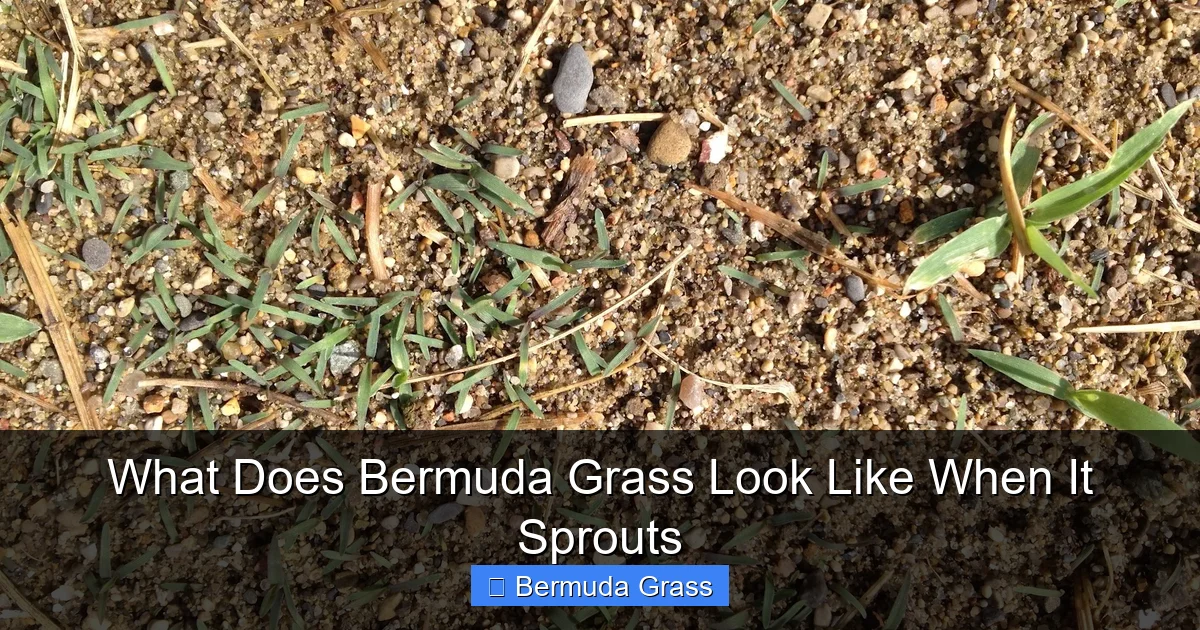
When Bermuda grass begins to sprout, look for these signs:
- Size: Tiny, delicate blades emerge from the soil, usually less than 1 inch tall.
- Color: Bright, vibrant green that stands out against the soil.
- Shape: Narrow, fine blades with a slightly shiny or waxy appearance.
- Growth pattern: Sprouts tend to grow in small clusters, gradually spreading outward.
These early signs indicate healthy germination and that your Bermuda grass is on its way to establishing a lush lawn.
Step 6: Caring for Young Sprouts
Supporting healthy growth
- Continue watering: Keep the soil moist but not waterlogged.
- Limit foot traffic: Avoid walking on the newly sprouted areas to prevent damage.
- Fertilize lightly: Use a starter fertilizer if recommended, to promote strong root development.
- Control weeds: Keep weeds at bay to reduce competition for nutrients and water.
Protecting young Bermuda grass ensures it grows into a dense, healthy turf.
Troubleshooting Common Issues
What if Bermuda grass doesn’t sprout?
Several factors can delay or prevent sprouting. Check soil temperature—if it’s too cold, germination slows. Ensure the soil remains moist. Poor seed quality or inadequate planting depth may also cause issues. If problems persist, consider reseeding or consulting local lawn experts.
Dealing with patchy growth
Uneven sprouting could be due to uneven seed distribution or inconsistent watering. Reseed bare spots and maintain a regular watering schedule to encourage uniform growth.
Conclusion
Recognizing what Bermuda grass looks like when it sprouts is essential for maintaining a healthy lawn. With proper soil preparation, planting, watering, and care, you can enjoy a lush, green Bermuda turf that adds beauty and value to your property. Keep an eye out for those tiny, bright green blades emerging from the soil—your first step to a thriving Bermuda grass lawn!
Additional Tips
- Best planting times are late spring or early summer when soil temperatures are warm enough.
- Use quality seeds from reputable suppliers for better germination rates.
- Patience is key—young Bermuda grass takes time to develop into mature turf.